Banks · Mall advertising
Put a staffed bank desk or panel where shoppers already stop, and trace who comes.
For a bank, mall advertising is paid space inside a named mall, from a staffed kiosk or atrium desk to lift panels and screen slots, used to start conversations about accounts, cards and loans. GullySales compares malls and formats, handles bookings and mall approvals, and sets up a response route so the branch can trace each enquiry to the placement.
Scope, fee, reporting and term are agreed in writing after we have read your brief and spoken to you.
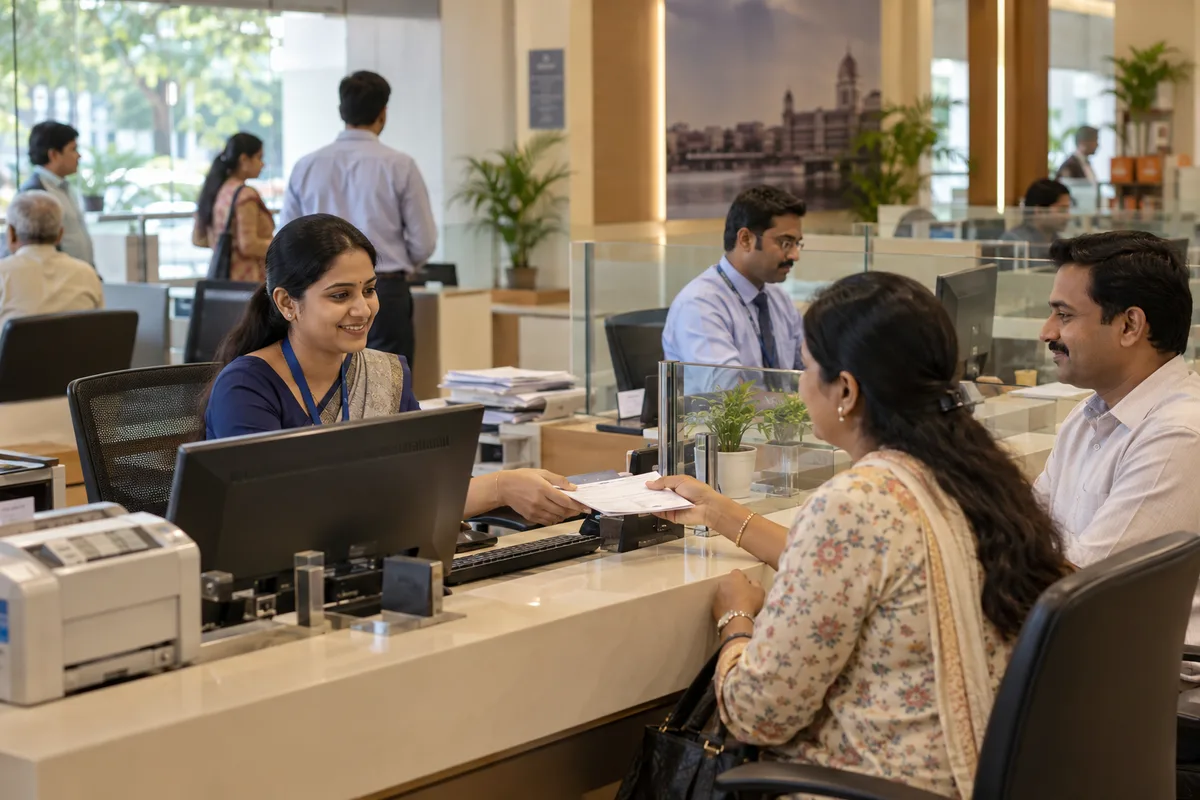
What mall advertising means
Mall advertising is paid space inside a named mall for a fixed period, from a staffed kiosk or atrium activation to lift panels and screen slots. GullySales compares locations and formats, coordinates booking and mall approvals, and sets up a response route so your sales team can trace enquiries to the placement.
Last updated 14 Nov 2026. Rules for this trade differ by state and professional body, and they change. We describe restrictions in general terms, so check the current position with your own council or adviser before you publish anything.
For banks
Where it usually goes wrong, and what we would do.
“Shoppers are in a hurry and not thinking about a loan”
A person in a mall is looking for clothes, food or a film, not a savings account. A banner that lists every product is ignored. A placement works when it offers one clear, low-effort reason to stop, such as a question answered at a desk or a card for a later visit. Choosing that single reason comes before choosing a space.
“A financial product is not like a shop offer”
Malls have rules on what a stall may sell and what it may collect, and a bank has its own rules on how products are described. A desk that takes customer details, or a panel that names a rate, raises questions for the mall's management and the bank's compliance team. Both need to approve the format, and the wording, before booking.
“The catchment decides the segment”
A mall in a business district draws office workers and salaried account holders, while a family mall draws households thinking about home or education finance. A mall near the branch also draws people who can actually visit it. The shortlist therefore starts from where the bank's chosen customers live and shop, not from the mall with the biggest crowd.
“Staff at the desk decide the result”
A kiosk with a tired promoter who recites a script wastes the booking, and a desk that collects names with no one to follow up wastes it again. The people at the space must be able to answer simple questions, know what they may not say, and hand every enquiry to a named branch officer who replies.
What we do
What we deliver for banks.
The work available for this need. We agree the deliverables and responsibilities for your engagement in writing.
Mall shortlist linked to your customers
A short list of malls chosen from where the bank's target customers live, work and shop, with the nearest branch noted for each. The reasoning is written down so the branch head can accept or challenge each choice.
Result: Each mall on the list has a recorded reason tied to a customer segment and a nearby branch.
Format and date comparison
A comparison of the staffed desk, atrium activation, lift panels and screen slots on a common basis, with the unit of booking and any quoted premium for weekends or festivals. Figures come from the mall's own rate card.
Result: The branch sees what it would be buying, in the unit the mall actually sells.
Marked placement plan
The proposed position marked on the mall's floor plan, showing neighbouring tenants, walking routes and where queues would form. Approval refers to that exact spot, not an unspecified space in the building.
Result: The bank signs off on a marked location rather than a general description.
Permission and restriction record
Written confirmation from the mall of what a financial services desk may do, including whether details may be collected, whether sampling or gifts are allowed, and what staffing and entry rules apply. Bank compliance reviews it too.
Result: Restrictions are on paper before any money is committed.
Artwork and brief for the desk
Artwork prepared to the mall's dimensions and screen specifications, plus a one-page brief for the people at the desk with one opening question, the answers they may give and a list of what they must not say. Compliance approves both.
Result: Staff can show the approved line for any question a shopper asks.
Response route and review sheet
A named branch recipient, a simple capture form that records consent, and a sheet that logs each enquiry against the placement. After the booking, we compare the log with the figures recorded before it began.
Result: Each enquiry is linked to the mall and the dates it came from.
How the result is measured
- Booked placements and dates delivered, supported by evidence
- QR scans and initial responses, separate from qualified enquiries
- Qualified enquiries with a recorded requirement and sales owner
Recorded as a baseline before work starts, so every later report has an honest comparison.
Who it is for
This is written for these banks.
- Private sector bank branches
- Public sector bank branches
- Regional rural banks
- Cooperative banks
- Small finance banks
- Business correspondent networks
- NRI-focused branches
- MSME-focused branches
Before you decide
Agree the work. Know how to judge it.
Mall advertising for banks: use these checks to prepare, choose the scope, and review what changes.
Bring the right evidence
State the buyer group, catchment, and dates that matter to the offer. Ask for the proposed inventory and available evidence about its audience, with the source and date shown.
Make the scope clear
Agree the exact placements, formats, booking period, and proof of delivery. Separate media charges from design, production, permissions, and installation where these apply.
Check the work in use
Compare delivery evidence with the agreed booking and record enquiries through a distinct response route where practical. Treat audience estimates separately from measured responses.
Know when to change course
Do not buy a placement only because it is discounted. If the location or audience does not fit the buyer, revisit the plan before committing production costs.
These are discussion points, not a fixed package. GullySales confirms the deliverables, responsibilities, fee, and term in writing after reading your brief and speaking with you.
Before we start
What to have ready before the work starts.
The records, access and decisions this work needs from banks. Anything missing is noted in the written scope, with who will supply it.
- The segment you want from this mall
- Tell us which customers the bank wants to meet, such as salaried staff, young households or small traders. Without this, mall selection falls back on footfall alone, and the bank pays to stand in front of crowds that cannot open or use an account at the nearest branch.
- Compliance approval for wording and details
- A compliance reviewer must approve panel text, desk scripts and any form that captures customer details. If they join late, artwork is printed and then withdrawn, or a form is used that breaks the bank's own rules. Platform and mall rules change, so check them before each booking.
- A branch officer who answers enquiries
- Name the person or desk that will call or message the people who left details. Without one, the desk collects names that nobody follows up, and a shopper who was interested is contacted late or never, which makes the whole placement look unproductive.
- Staff or promoters for the space
- Decide who stands at the desk and whether they are bank employees or hired promoters. They need to understand the approved line and the limits of what they may say. A desk run by untrained people produces confusion, and the mall may object if the space is left unstaffed.
- Current enquiry sources and figures
- Share how enquiries are currently counted, even if it is a register or a sheet. We need a baseline to read the result against. If nothing is counted, we start a simple log first, and the first placement then serves as the first measurement rather than a judgement.
How it works
How the mall advertising work runs
The work itself, in order. How an engagement starts, from your brief to a written scope, is set out on our method page.
- 1
Choose the customer and one reason to stop
We start with the branch or marketing head. They decide which customers the placement must reach and the single reason to stop, such as an account for a new household or a question about a card. We record the enquiry sources the branch already has so the result has a baseline.
- 2
Check malls and what a bank may do
Each shortlisted mall's management or appointed agency tells us which spaces are free and what financial services may do there. We settle product eligibility, data collection and staffing rules before showing you a format, so you are not choosing between options that will later be refused.
- 3
Approve the exact booking
You review the marked position, the dates, the quoted cost and the terms. The branch head and compliance both sign off before the booking goes ahead through the mall or its appointed seller. We do not pay or commit money on the bank's behalf.
- 4
Prepare artwork and installation papers
Artwork is built to the mall's dimensions, and any stall structure, signage and electrical details are submitted for approval. Compliance reads every word on panels and at the desk. Production starts only after the mall confirms that it has accepted the submission.
- 5
Brief the people at the space
The promoters or branch staff receive the approved brief, and the branch recipient confirms how the enquiry capture and follow-up will work. We agree who answers which kind of question, so that a loan query goes to a loan officer and a general question stays at the desk.
- 6
Compare the log with the starting figures
After the booking, we check delivery against the contract, such as position, dates and the screens shown, and read the enquiry log against the figures recorded before the work began. The bank decides whether this mall and format deserve another placement.
Where this fits
Three pieces of sales work, in this order.
This work sits inside sales process design, at stage 1, prospecting and lead generation. The audit comes before it, and sales management keeps it running.
Step 1
Sales audit
Find where deals are being lost and what to fix first.
Start here if you cannot say where orders are lost.
Step 2 · you are here
Sales process design
One written way to sell, from first enquiry to repeat order.
Start here if every salesperson sells differently.
Step 3
Sales management
A target, a review routine and someone who owns the number.
Start here if the team has targets and no routine.
FAQ
Questions owners ask before they call.
Not here? More answers, or ask on WhatsApp.
Can a bank put a stall in any mall?
Should a panel or screen show an interest rate?
Is a mall better than a branch hoarding?
Can staff collect customer details at the desk?
How do we know which enquiries came from the mall?
What if the mall refuses a product or format?
How much does it cost?
How long is the contract?
How soon will we see results?
Who will actually do the work?
From the blog
Further reading for banks.
 6 min read · 6 Oct 2026How buyers decide which lender or adviser to trustPeople choosing a bank, lender, adviser or insurer start with a name someone gave them, then check you before calling. See what they look for.
 7 min read · 21 Sept 2026How to advertise to airport travellersA terminal is a small number of regular flyers counted many times, and the crowd changes completely between the six o'clock bank and the summer holidays.
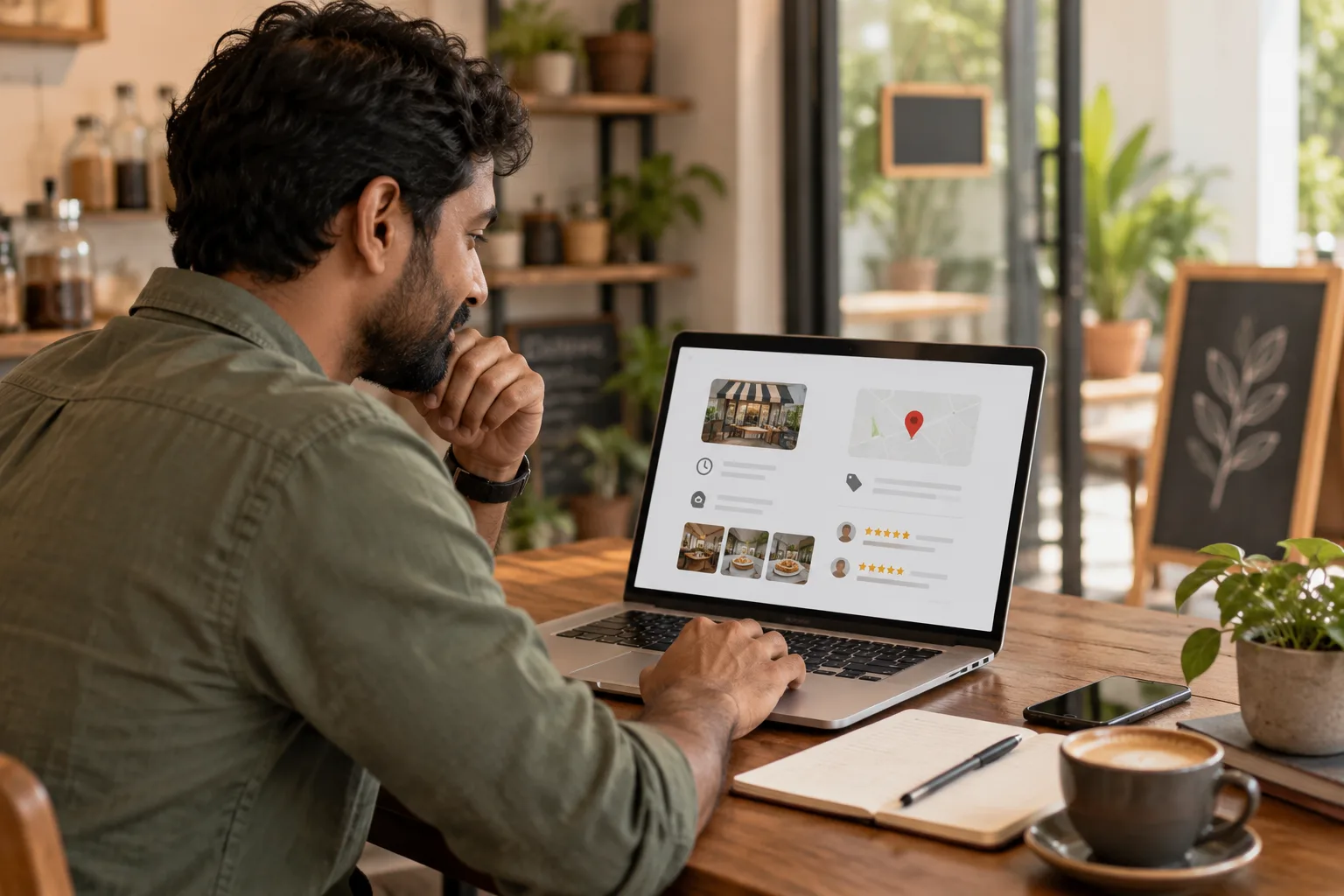 6 min read · 29 Jan 2026Local search for a financial services office: profile, reviews and what you can sayHow a financial services office can set up its Google Business Profile, ask for reviews and reply to them without breaking client confidentiality.
More for banks
Related work to consider.
Closest to this: paid and media
Also for banks
Or start from the overview: sales and marketing for banks.
Your next practical step
Tell us what you are trying to grow, and we will read it before we call.
Eight short steps, mostly taps. Skip anything you would rather answer on the call.