Forex and currency exchange dealers · Follow up systems
Ring back the student's parent before the documents go missing.
A follow-up system for a forex dealer is a set of reminders and messages that move an enquiry to a visit with the right documents, and a completed customer to the next trip. GullySales works on who contacts whom, with what words and consent.
Scope, fee, reporting and term are agreed in writing after we have read your brief and spoken to you.
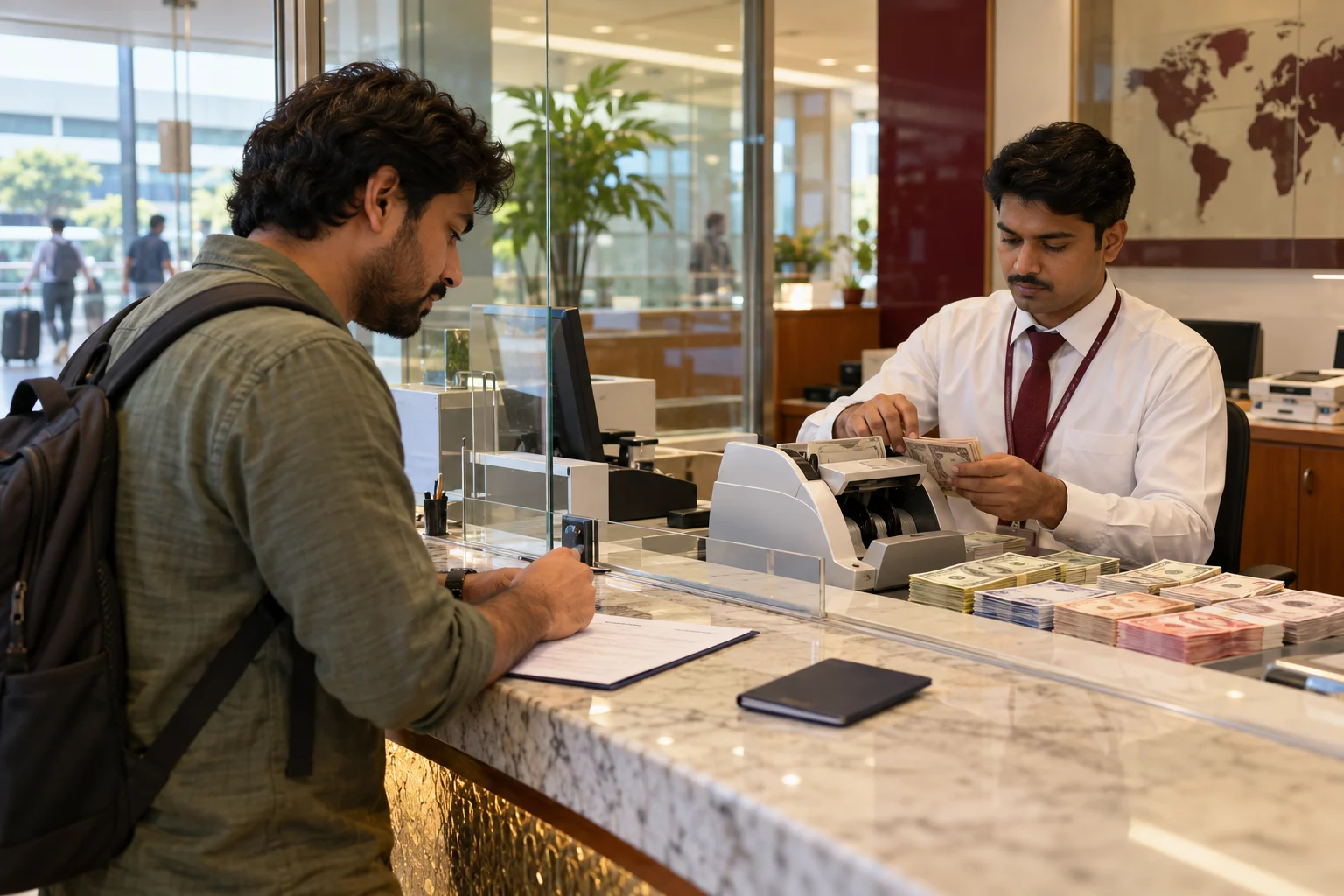
What follow up systems means
A follow-up system is the set routine for calling, messaging or emailing an enquiry more than once, since most buyers do not decide on the first conversation. GullySales sets the number and timing of follow-ups so an undecided buyer keeps hearing from you until they decide either way.
Also for forex and currency exchange dealers
Sales and marketing for forex and currency exchange dealers, the overview.
Last updated 14 Nov 2026. Rules for this trade differ by state and professional body, and they change. We describe restrictions in general terms, so check the current position with your own council or adviser before you publish anything.
For forex and currency exchange dealers
Where it usually goes wrong, and what we would do.
“A call back decides the visit”
A parent who asks about remittance and hears nothing for a day tries another dealer. The call back should ask the purpose and send the checklist. Send the checklist with the call back so the family can start gathering papers.
“Missing documents stall transactions”
A reminder listing what is still needed, sent once, turns a stalled case into a visit. A vague message does not. List only what is missing and nothing else.
“Repeat travellers are the cheapest customers”
A family that exchanged currency for a past holiday is likely to travel again. A consented reminder before the season is better than an advertisement. Ask permission to remind them, and record the answer.
“Silence after a transaction is a missed chance”
A short thank-you and a note on how to reach you again keeps the relationship open. Keep it short and warm.
What we do
What we deliver for forex and currency exchange dealers.
The work available for this need. We agree the deliverables and responsibilities for your engagement in writing.
A first-reply message
Asks the purpose, confirms the date and sends the checklist.
Result: The first message moves the case forward.
A documents reminder
A short note listing what is still missing.
Result: Stalled cases restart.
A consent-based return reminder
A note before the travel season to customers who agreed.
Result: Past customers hear from you first.
A thank-you and contact note
A short message after the transaction.
Result: The relationship stays open.
A stalled-case list
Enquiries that went quiet, with the reason.
Result: Time goes to the cases that can still close.
A reply for each purpose
Wording for tuition remittance, forex card, travel cash, pilgrimage and business enquiries.
Result: Each follow-up speaks to the customer's own need.
A team check you set
A short team check of stalled cases, on a day you choose.
Result: Stalled cases are looked at before they die.
How the result is measured
- Follow-up completion rate
- Average number of follow-ups before close
- Enquiries closed after repeat follow-up
Recorded as a baseline before work starts, so every later report has an honest comparison.
What to capture or send
Moments in a forex enquiry that need a call or message.
- Quote given, customer silent
- A call asking whether the customer has the papers, recorded with the answer and the next step.
- Document missing
- A message naming the one missing paper and where to send a photograph of it, without sending the paper itself over chat.
- Tuition payment completed
- A message confirming the receipt is ready and asking if the parent needs anything else for the next term.
- Traveller returning from a trip
- A call a few days after return, asking if the card needs closing or unused currency needs handling.
- Repeat traveller's next trip
- A message at the time of year the customer last travelled, offering to prepare the forex card again.
Who it is for
This is written for these forex and currency exchange dealers.
- Full-fledged money changers at airports and city centres
- Authorised dealers handling remittances and forex cards
- Student-focused forex advisers near colleges and consulting offices
- Travel agency forex desks
- Hajj, Umrah and pilgrim travel currency services
- Corporate forex desks for importers and exporters
- Medical travel and tourism currency exchange
- Bank-linked and co-operative forex counters
Before you decide
When this may not be the right fit.
- The outlet has no one to make the call, and a rule would sit on paper.
- Customers have not consented to reminders, and unsolicited messages carry rules.
- Staff are tied up at the counter and cannot take calls during the day.
Before you decide
Agree the work. Know how to judge it.
Follow-up systems for forex dealers: use these checks to prepare, choose the scope, and review what changes.
Bring the right evidence
Trace recent enquiries from arrival to the last recorded action. Include a won enquiry, an unsuitable one, and one that went quiet, with personal details removed for the initial discussion.
Make the scope clear
Agree who accepts each enquiry, what makes it qualified, and how ownership changes. Include a rule for missed replies and a clear reason for closing an enquiry.
Check the work in use
Pick an enquiry at random and ask the team to find its owner, latest conversation, and next action. Check that the record agrees with what actually happened.
Know when to change course
If no one has capacity to respond, assign that responsibility before buying more leads. Automation can support the owner, but it cannot replace an unresolved handover.
These are discussion points, not a fixed package. GullySales confirms the deliverables, responsibilities, fee, and term in writing after reading your brief and speaking with you.
Before we start
What to have ready before the work starts.
The records, access and decisions this work needs from forex and currency exchange dealers. Anything missing is noted in the written scope, with who will supply it.
- Access to the enquiry record
- We must see the notebook, sheet or tool where enquiries are kept. Without it we cannot know who went quiet, and the first count is left blank. If the record is thin, we begin by tidying what exists before any reminders are written.
- A statement of who has agreed to be contacted
- Tell us which customers have said yes to messages and how you recorded it. Reminders go only to those people. If consent was never recorded, we start with replies to people who contacted you first, and build the list from that point. A signed form, a ticked box on the enquiry form or a recorded oral yes at the counter each count, provided someone wrote down when it was given.
- A person to own the stalled-case list
- Someone must open the list of stalled enquiries and act on it, since a list nobody opens is another notebook. They need authority to call. If no person is free, the plan trims the reminders to those the counter can actually act on.
- The papers each purpose needs, confirmed
- A checked list for tuition remittance, forex card, travel cash and business payments, signed off by your adviser. The reminder repeats this list, and a wrong list sends customers away twice. Where rules are being checked, the reminder waits.
- A decision on language and channel
- Say whether customers prefer calls, SMS or WhatsApp, and which language. Parents may want a call, travellers a short message. We cannot guess, and a message in the wrong language is ignored. If unsure, we test two ways on a few enquiries. Pilgrim organisers and business desks may also want a named person to call, which we plan for separately.
How it works
How the follow up systems work runs
The work itself, in order. How an engagement starts, from your brief to a written scope, is set out on our method page.
- 1
Open the record of enquiries that went quiet
We ask for the enquiry notes of people who asked and never came. We sort them by need and by what was missing: papers, a decision from a parent, a rate call that went nowhere. This shows where follow-up is lost, and gives the figure we compare against later. We note too how long the notebook entry stays unchanged after the first call, so the stalled cases can be told apart from enquiries that simply finished.
- 2
Decide who calls whom
You decide which enquiries get a call, which get a message and which are left alone. A pilgrim organiser with a group may deserve a call, a rate-checker only a reply. We name the person responsible for each kind, so nothing waits for whoever happens to be free.
- 3
Write the messages with your adviser
We draft the first reply, the documents reminder, the thank-you and the return reminder in plain words. Your adviser reads each for rule-related statements. You edit the tone. Messages sent to people who have not agreed to be contacted are held back until consent is recorded. Each message names the outlet, the purpose and the papers to bring, and none of them quotes a rate or a limit.
- 4
Set the rule for when to stop
A follow-up must end. You decide how many attempts are reasonable and what the last message says, and we write the rule so staff do not chase someone who has said no. A customer who asks to stop is marked at once and never contacted again.
- 5
Test the tasks with two staff members
Two people work through the reminders on sample enquiries and tell us what is awkward. We change the wording or the task order. Then the whole desk is shown the routine, and the person you name checks the list of stalled cases. They also try the stop rule on a sample record, so everyone has seen it work before the real list is loaded.
- 6
Compare completed visits to the quiet list
We look at how many enquiries now end in a visit with the right papers, against the earlier record of quiet ones. Returning customers who came through the reminder are counted separately. You decide whether to change the wording or add a reply for another purpose. Anything that reads as a hard sell in the replies is trimmed back with you, because the aim is a customer who arrives with the correct papers.
Where this fits
Three pieces of sales work, in this order.
This work sits inside sales process design, at stage 2, qualification. The audit comes before it, and sales management keeps it running.
Step 1
Sales audit
Find where deals are being lost and what to fix first.
Start here if you cannot say where orders are lost.
Step 2 · you are here
Sales process design
One written way to sell, from first enquiry to repeat order.
Start here if every salesperson sells differently.
Step 3
Sales management
A target, a review routine and someone who owns the number.
Start here if the team has targets and no routine.
FAQ
Questions owners ask before they call.
Not here? More answers, or ask on WhatsApp.
When should we follow up?
Can we use automatic messages?
What do we say to someone who goes quiet?
Can a reminder name the customer's last trip?
Can the reminder mention the customer's last trip?
What does the system do when a customer says no?
How much does it cost?
How long is the contract?
How soon will we see results?
Who will actually do the work?
More for forex and currency exchange dealers
Related work to consider.
Closest to this: leads and follow-up
Also for forex and currency exchange dealers
Or start from the overview: sales and marketing for forex and currency exchange dealers.
Your next practical step
Tell us what you are trying to grow, and we will read it before we call.
Eight short steps, mostly taps. Skip anything you would rather answer on the call.