Forex and currency exchange dealers · Social media
Post the explainer, the checklist and the counter, never a rate.
Social media marketing for a forex dealer is the use of short explainers and counter photographs to show how a transaction works and who will handle it. GullySales works on what to post, what to leave out and how to answer, with your adviser checking the wording.
Scope, fee, reporting and term are agreed in writing after we have read your brief and spoken to you.
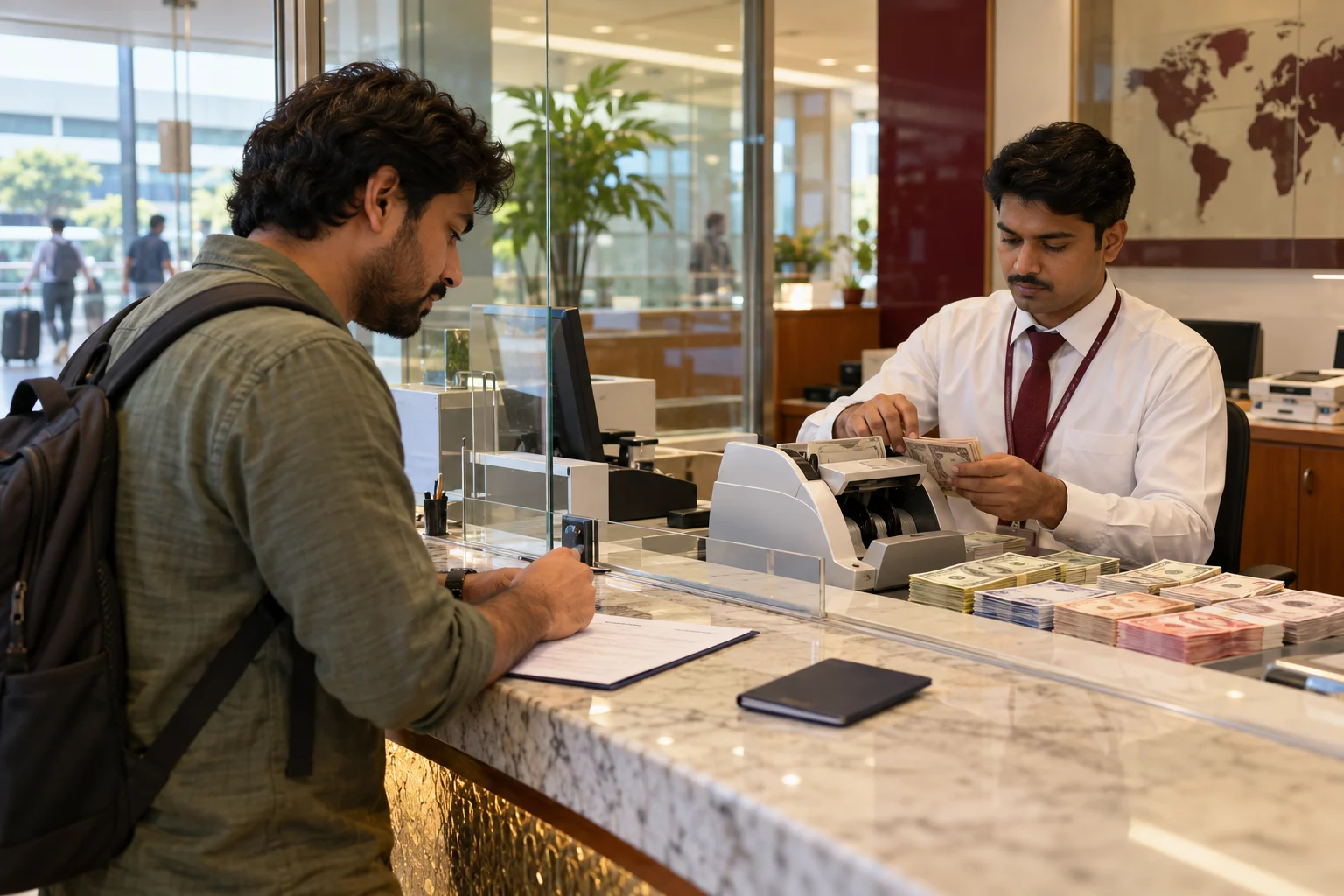
What social media means
Social media is the ongoing posting your business does on platforms such as Instagram, Facebook and LinkedIn to stay visible to customers and prospects between purchases. GullySales plans a posting calendar, writes captions and designs the images so the page looks active and answers what a visitor would ask.
Also for forex and currency exchange dealers
Sales and marketing for forex and currency exchange dealers, the overview.
Last updated 14 Nov 2026. Rules for this trade differ by state and professional body, and they change. We describe restrictions in general terms, so check the current position with your own council or adviser before you publish anything.
For forex and currency exchange dealers
Where it usually goes wrong, and what we would do.
“A rate post is stale and risky”
A post quoting a rate is wrong when the market moves, and may breach what a dealer may state. A post that explains how to do a transaction stays useful. Describe the steps and the papers, and let the customer ring for the quote.
“Parents and students watch different things”
A student watches a short video about the first month abroad. A parent wants to know the paperwork. Posts for each need different wording. Write for each reader in turn rather than for everyone at once.
“A scam alert is your strongest content”
Customers fear fraud. A calm post on how to recognise an authorised dealer and what never to send on chat protects people and builds trust. Say plainly that you will never ask for sensitive details in a public comment.
“Customer stories are not safe here”
Naming a customer or describing a transaction exposes private matters. Posts should explain the service, not feature the customer. Show the counter, the signage and the staff, with their agreement.
What we do
What we deliver for forex and currency exchange dealers.
The work available for this need. We agree the deliverables and responsibilities for your engagement in writing.
A post plan by customer type
Themes for students, travellers, pilgrims and businesses.
Result: Each audience sees what suits it.
Explainer videos on forms
Short clips on documents and steps, reviewed by your adviser.
Result: The confusing part of the trade is explained.
A safety post series
How to verify an authorised dealer and what to avoid.
Result: Followers see you as a careful dealer.
A rules list for the team
What not to post: rates, limits, guarantees and customer details.
Result: Nobody posts something that must be removed.
Replies to direct messages
Saved wording that asks the purpose and moves to a call.
Result: Messages become enquiries.
How the result is measured
- Posts published
- Engagement rate
- Enquiries from social profiles
Recorded as a baseline before work starts, so every later report has an honest comparison.
Posts and pieces to plan
Posts that explain the process and warn about scams.
- Documents for a student's tuition payment
- A carousel in the language parents read, listing the papers and the order of the steps, with no rate shown.
- How to spot a fake forex dealer
- A scam alert post naming the checks a customer can make, such as asking for the dealer's authorisation.
- What a forex card is and how it is loaded
- A short explainer from the counter staff showing the card and the steps, without naming a charge.
- Group desk for pilgrimage travellers
- A post for organisers on what the group desk collects and when to arrive.
- A day at the airport counter
- A short video of the counter and the staff, so a traveller recognises the place on arrival.
Who it is for
This is written for these forex and currency exchange dealers.
- Full-fledged money changers at airports and city centres
- Authorised dealers handling remittances and forex cards
- Student-focused forex advisers near colleges and consulting offices
- Travel agency forex desks
- Hajj, Umrah and pilgrim travel currency services
- Corporate forex desks for importers and exporters
- Medical travel and tourism currency exchange
- Bank-linked and co-operative forex counters
Before you decide
When this may not be the right fit.
- No one is named to answer messages, and a rate question would sit unanswered beside a public post.
- The dealer has not agreed to keep rates off its posts, and each post would be out of date within hours.
- Staff are not comfortable appearing on camera, and the feed would have no human face.
Before you decide
Agree the work. Know how to judge it.
Social media marketing for forex dealers: use these checks to prepare, choose the scope, and review what changes.
Bring the right evidence
Review the posts that produced useful conversations, not only the ones with the most views. Gather buyer questions and decide which team member can contribute credible material.
Make the scope clear
Choose the audience and channel before setting a posting volume. Agree who supplies material, approves posts, and handles messages, including complaints or questions the agency cannot answer.
Check the work in use
Follow a post through to the profile, website, and response. A useful report explains the quality of conversations and enquiries, alongside reach and engagement.
Know when to change course
If publishing takes time away from unanswered buyer messages, fix the response routine first. Do not expand to another channel without a clear reason for being there.
These are discussion points, not a fixed package. GullySales confirms the deliverables, responsibilities, fee, and term in writing after reading your brief and speaking with you.
Before we start
What to have ready before the work starts.
The records, access and decisions this work needs from forex and currency exchange dealers. Anything missing is noted in the written scope, with who will supply it.
- Login access to the business profiles
- Admin access to the pages you own, held by you and not by a former agency or ex-employee. Without it we cannot see which posts drew messages or schedule approved ones. If the profile is missing, we create it in the business's name before anything else.
- Written do and do not rules from your adviser
- A short note from your adviser on what the social posts may and may not say about authorisation, rates and customers' papers. Without it we write only plain process posts and skip any wording on rules. The note becomes the team's checklist as well as ours.
- A person who answers direct messages
- Someone on your team must reply to messages the same day they arrive in business hours, in the approved wording. Sensitive papers are never asked for in the chat. If no one is free, we switch the message button off so customers are not left waiting. The reply wording is the same one your adviser approved for the posts, so a customer sees one voice in public and in private.
- Permission to photograph the counter
- Consent from staff who will appear, and a decision on whether customers may appear in the background. A clear rule of no customer faces is safest. Without consent, we use pictures of objects, such as forms, a card and the signboard, and no people.
- A list of common scams customers mention
- Note the fraud attempts your staff hear about: fake agents, unofficial rate offers, requests for payment to personal accounts. These become the safety series, which builds the strongest trust. If your staff know none, we use only general advice that your adviser has approved. The series then covers how a genuine transaction looks, so that an offer outside it is recognised by the customer straight away.
How it works
How the social media work runs
The work itself, in order. How an engagement starts, from your brief to a written scope, is set out on our method page.
- 1
Decide which platform the customer uses
We ask your counter staff where customers say they found you or where they send photographs from: Instagram, a family WhatsApp group, YouTube, a college page. You choose one or two platforms to start. A forex dealer posting everywhere with nobody replying looks careless, so the choice also decides who needs login access. If a platform has no owner on your side, it is left out of the first plan, and we say so in writing instead of posting into silence.
- 2
Collect the questions parents and travellers ask
From the desk we gather the real questions in the customers' own words: how a forex card is loaded, what a student needs for the first payment, why a note was refused. Parents ask differently from holiday travellers, so we sort them into two piles. This becomes the raw material for the post plan.
- 3
Agree the list of things never to post
Before drafting, we write the rules with your adviser: no rates, no limits stated as fact, no photograph of a customer or their papers, no promise of savings. You approve the list and your staff sign that they have read it. Every draft is checked against this list before it reaches you.
- 4
Photograph the counter and film the explainers
We shoot the counter, the signboard and the papers laid out as a checklist, with permission from anyone appearing. The person who explains forms at the desk speaks in a short video. You decide who appears. Blurred sample forms are used, never a real customer's paper.
- 5
Approve each draft before it goes up
Drafts arrive in groups for you and your adviser to read. You may cut, reorder or reject any post. Once approved, the person you name publishes it, and we keep a record of what went up and when, so a future question about a post can be answered from the record. Replies to comments follow the same path as the posts, and anything about a customer's own transaction is moved out of public view to a call.
- 6
Read replies and messages against the first count
We compare the direct messages, calls and visits that mention a post with the count taken before posting began. The questions arriving in messages tell us which explainer to make next. You judge whether the platform earns its place or whether the effort should move to listings or referrers.
Where this fits
Three pieces of sales work, in this order.
This work sits inside sales process design, at stage 0, foundation. The audit comes before it, and sales management keeps it running.
Step 1
Sales audit
Find where deals are being lost and what to fix first.
Start here if you cannot say where orders are lost.
Step 2 · you are here
Sales process design
One written way to sell, from first enquiry to repeat order.
Start here if every salesperson sells differently.
Step 3
Sales management
A target, a review routine and someone who owns the number.
Start here if the team has targets and no routine.
FAQ
Questions owners ask before they call.
Not here? More answers, or ask on WhatsApp.
Which platform should we use?
Can we run paid posts?
Who replies to messages?
Can we show customer photos at the counter?
Should the owner appear in the videos?
What do we do with a negative comment on a post?
How much does it cost?
How long is the contract?
How soon will we see results?
Who will actually do the work?
More for forex and currency exchange dealers
Related work to consider.
Closest to this: content and social
Also for forex and currency exchange dealers
Or start from the overview: sales and marketing for forex and currency exchange dealers.
Your next practical step
Tell us what you are trying to grow, and we will read it before we call.
Eight short steps, mostly taps. Skip anything you would rather answer on the call.