Payment and fintech companies · Buyer persona
Write for two people: the developer who integrates and the finance head who signs.
A buyer persona for a payment or fintech company is a one-page description of the person who chooses you, written from your own signups and sales calls. GullySales builds a card for the merchant owner, the developer and the finance head, checks each against real conversations, and uses them for pages, ads and sales scripts.
Scope, fee, reporting and term are agreed in writing after we have read your brief and spoken to you.
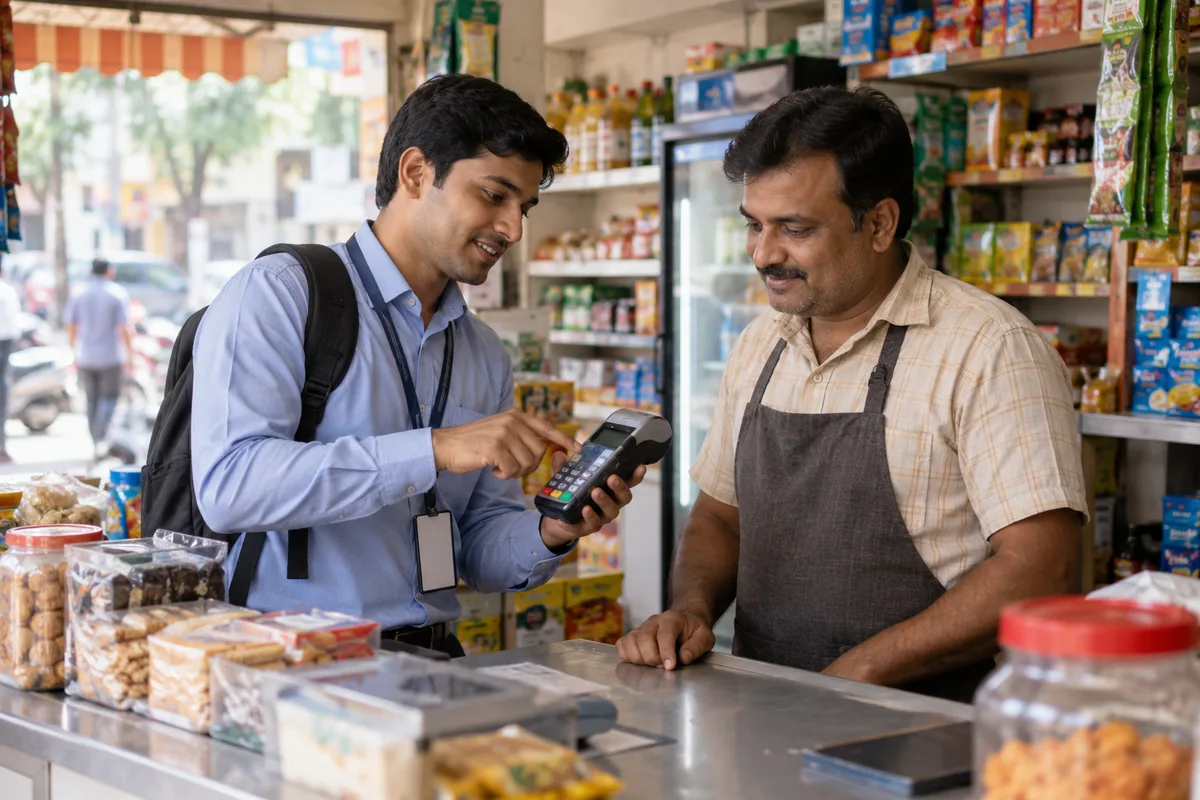
What buyer persona means
A buyer persona is a plain description of the kind of customer who actually buys from you. It includes what they search, what worries them and who else they ask before deciding. GullySales builds this from real enquiries and past sales rather than a generic template, then uses it to write every page and advert.
Also for payment and fintech companies
- Digital marketing for payment and fintech companies
- SEO for payment and fintech companies
- Content marketing for payment and fintech companies
- Lead generation for payment and fintech companies
- PPC ads for payment and fintech companies
- Email marketing for payment and fintech companies
- Sales process for payment and fintech companies
- Website development for payment and fintech companies
Sales and marketing for payment and fintech companies, the overview.
Last updated 14 Nov 2026. Rules for this trade differ by state and professional body, and they change. We describe restrictions in general terms, so check the current position with your own council or adviser before you publish anything.
For payment and fintech companies
Where it usually goes wrong, and what we would do.
“The signer and the integrator are different people”
A page written for the owner ignores the developer who will try the sandbox, and a docs-only site ignores the finance head who must approve the fee.
“Small sellers and enterprises share one card”
A seller on Instagram with a UPI QR and a company with a procurement team want different things, and one SMB merchant card describes neither.
“Template personas read like every other company's”
A card saying tech-savvy and values security fits every payment company. A card that names the platform, the paper that stalls and the worry about holds is yours.
What we do
What we deliver for payment and fintech companies.
The work available for this need. We agree the deliverables and responsibilities for your engagement in writing.
Three persona cards
Merchant owner, developer and finance head, one page each, built from your own signup data, sales call notes and support tickets.
Result: Each page and ad is written to someone specific.
A check against real merchants
A call plan for speaking to merchants who went live and those who dropped out, with the questions to ask and what to record.
Result: The cards change where real answers differ.
Messages by persona
For each card, the first line on the homepage, the ad headline and the opening on a sales call, each in that person's words.
Result: The developer and the owner stop reading the same sentence.
A landing route for each persona
Documentation for the developer, rate and settlement pages for the finance head, a one-page start guide for the owner.
Result: Each person lands where their question is answered.
A persona sheet for sales and support
One sheet for sales and support staff saying what each person asks and what they should be sent.
Result: Staff reply the same way to the same worry.
How the result is measured
- Enquiry match to persona
- Conversion rate by persona
- Content aligned to persona
Recorded as a baseline before work starts, so every later report has an honest comparison.
A persona card for this buyer
A typical card for a small online seller choosing a payment gateway, to be checked against your own merchants.
- Who they are
- Typical: the owner of a home-textile or skincare brand selling through its own site and Instagram, with one freelance developer. Check against the merchants you onboarded last quarter.
- What starts the search
- Typical: a held settlement, a failed checkout during a sale, or a plan to add UPI. Ask your merchants what happened in the week they began looking.
- What worries them
- Typical: money held for review, a plugin that breaks the store, and fees that change after signup. Check these against support tickets from new merchants.
- What they compare you with
- Typical: two or three other gateways and the payment service their bank offers. Ask which they opened, and note what each page showed them.
- Who else decides
- Typical: the developer who tests the plugin, the CA who books the fees, and sometimes a co-founder. Find out who actually asked for the documents.
- What makes them say yes
- Typical: a working plugin on a test order, a clear page on holds and refunds, and a reply from a person when they got stuck. Confirm with merchants who stayed.
Who it is for
This is written for these payment and fintech companies.
- Payment gateways and aggregators for online sellers
- UPI and QR providers with soundboxes and card machines for shops
- Prepaid wallet and card issuers working with a partner bank
- Digital lenders and buy-now-pay-later apps working with a bank or NBFC
- B2B payment, vendor payout and payables platforms
- Payroll, expense and corporate card tools for companies
- Cross-border payment and remittance platforms
- Neobanks and current account apps for startups and small businesses
Before you decide
When this may not be the right fit.
- You have few live merchants and no notes from calls, so a persona would describe a buyer you imagine.
- Your developer and finance buyers sit in different teams that do not share what they learn.
- You sell one product to one kind of merchant, and a single page already speaks to that buyer.
Before you decide
Agree the work. Know how to judge it.
Buyer personas for payment and fintech companies: use these checks to prepare, choose the scope, and review what changes.
Bring the right evidence
Write the decision the research must support, such as entering a market or choosing a buyer group. Separate what you know from sales records from what the team currently assumes.
Make the scope clear
Agree which buyers to speak to, which sources to review, and what access you can provide. Include lost enquiries and people who chose another supplier, where they are willing to take part.
Check the work in use
Look for source dates, sample limitations, and evidence that disagrees with the preferred answer. A recommendation should show how it follows from the findings.
Know when to change course
Do not treat a few positive conversations as proof of demand. Test the proposed offer with an actual buying decision before committing to a wider launch.
These are discussion points, not a fixed package. GullySales confirms the deliverables, responsibilities, fee, and term in writing after reading your brief and speaking with you.
Before we start
What to have ready before the work starts.
The records, access and decisions this work needs from payment and fintech companies. Anything missing is noted in the written scope, with who will supply it.
- A sample of live and lapsed merchants
- A list of around a dozen merchants of varied size, with who the contact was. Rough is fine. If the sample is all one type, the personas will cover that type alone.
- A developer willing to talk about integration
- A developer, from your side or a merchant's, who can describe the first day with your documentation. If none is available, we read the support tickets from developers and mark the developer card as less certain.
- Support tickets from the last season
- An export of tickets, with account details removed, grouped by topic if possible. We read them for worries. Without them, we only have the stories people choose to tell in a conversation.
- A decision on a separate consumer set
- A statement on whether you also serve consumers, such as borrowers or card holders, and need a separate set of cards. Decide before we start. Mixing business and consumer buyers into one card makes it describe nobody.
- Sales scripts currently in use
- The call script or email template your sales people use today. We rewrite from it. If none exists, we ask a salesperson to describe a typical call, and record that.
How it works
How the buyer persona work runs
The work itself, in order. How an engagement starts, from your brief to a written scope, is set out on our method page.
- 1
Sort your signed-up merchants by who decided
We start with your merchant list, marking for a sample of accounts who made the choice: the owner of a small shop, a developer, a finance head, an accountant advising from outside. Your sales team fills in what it remembers. The sorted sample shows which buyers already exist before any persona is written.
- 2
Choose merchants and a developer to speak with
With your account managers, we pick a handful of live merchants, one or two who left, and a developer who integrated. You decide who may be approached and make the first introduction. We tell each person it is a short talk about how they chose a provider, not a sales call.
- 3
Ask each person to retell the choice
We ask them to describe the search: who they asked, which providers they compared, what nearly stopped them, and what settled it. We record the exact words they use for fees, settlement and trust. You read the notes beside us, and we remove names before they go further.
- 4
Check the stories against support and sales records
We lay the interview notes beside your support tickets and sales notes, and keep only what shows up in both. A worry voiced by one merchant and nobody else is dropped. This keeps the persona cards from reflecting a single loud person.
- 5
Write three cards and mark where they are wrong
We write a card each for the merchant owner, the developer and the finance head, in plain terms, with the questions each asks first and the proof each wants. Your sales lead and support lead mark the errors. The cards then guide pages, ads and sales scripts.
- 6
Put the cards to work and review against records
We attach a persona field to every new enquiry in your records and use the cards to rewrite one landing page and one sales script. Later we read which persona converts to live merchants against the figures recorded before the work began, and revise the cards where the evidence disagrees.
Where this fits
Three pieces of sales work, in this order.
This work sits inside sales process design, at stage 0, foundation. The audit comes before it, and sales management keeps it running.
Step 1
Sales audit
Find where deals are being lost and what to fix first.
Start here if you cannot say where orders are lost.
Step 2 · you are here
Sales process design
One written way to sell, from first enquiry to repeat order.
Start here if every salesperson sells differently.
Step 3
Sales management
A target, a review routine and someone who owns the number.
Start here if the team has targets and no routine.
FAQ
Questions owners ask before they call.
Not here? More answers, or ask on WhatsApp.
How many personas do we need?
How do we test a persona card on merchants we already have?
Can the same persona be used for ads and for staff training?
We sell to businesses and to consumers. Do we need separate sets?
Who from our team should sit in when we interview a merchant?
Can personas be shared with the whole company?
How much does it cost?
How long is the contract?
How soon will we see results?
Who will actually do the work?
From the blog
Further reading for payment and fintech companies.
 5 min read · 6 Oct 2026Why signed-up merchants never take a live paymentMerchants stall between signup and a first live payment at four points: KYC paperwork, site review, integration and silence. Find yours and clear it.
 6 min read · 6 Oct 2026How buyers decide which lender or adviser to trustPeople choosing a bank, lender, adviser or insurer start with a name someone gave them, then check you before calling. See what they look for.
More for payment and fintech companies
Related work to consider.
Closest to this: strategy and research
Also for payment and fintech companies
Or start from the overview: sales and marketing for payment and fintech companies.
Your next practical step
Tell us what you are trying to grow, and we will read it before we call.
Eight short steps, mostly taps. Skip anything you would rather answer on the call.