Aesthetic, hair and cosmetic clinics · Pay per click advertising
Buy the patient who has already decided, not the one collecting free consultations.
Paid advertising for an aesthetic clinic buys attention on Google and Meta for treatments people fund from savings. GullySales writes the ads inside the restrictions your doctors work under, puts a qualifying question on the form, and moves spend to the treatments that get signed.
Scope, fee, reporting and term are agreed in writing after we have read your brief and spoken to you.
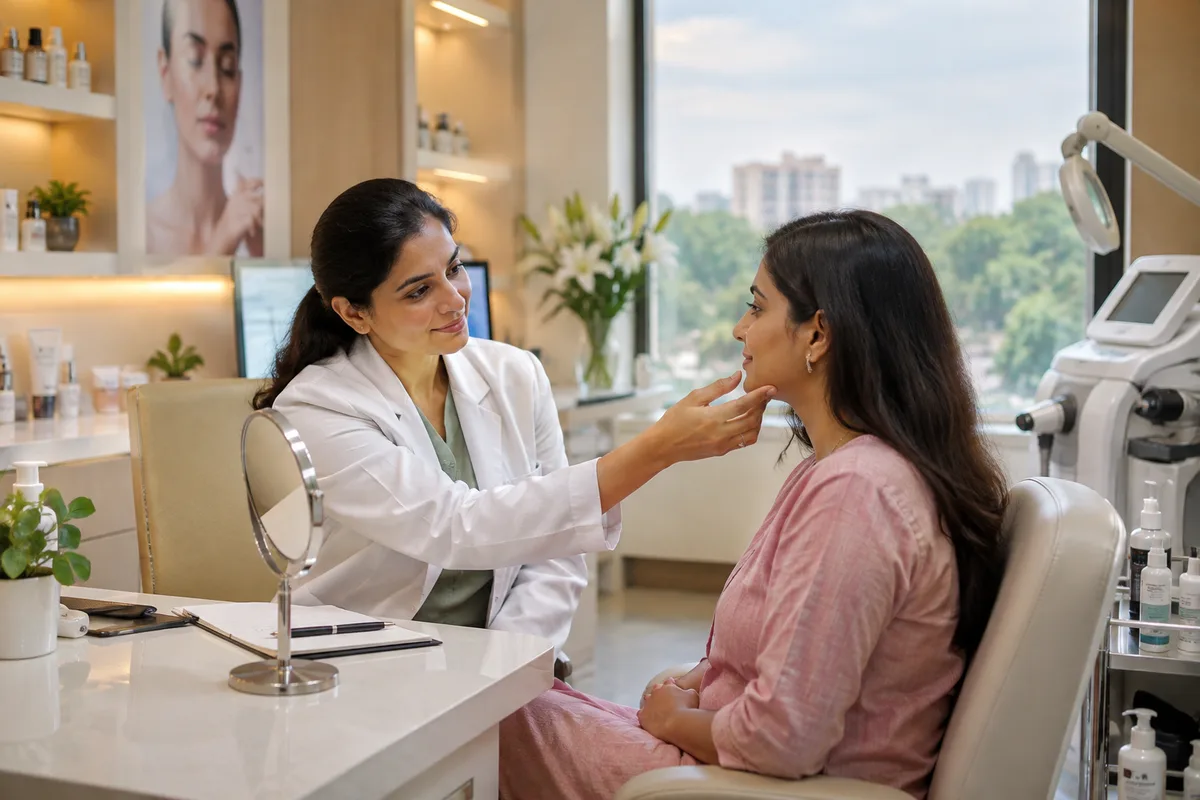
What pay per click advertising means
Pay per click advertising (PPC) is paying a fee each time someone clicks your advert on Google or another platform. It puts you at the top of a search page immediately, instead of waiting for ranking to build. GullySales sets the targeting, writes the ad text and checks spend against enquiries received.
Also for aesthetic, hair and cosmetic clinics
- SEO for aesthetic, hair and cosmetic clinics
- Lead generation for aesthetic, hair and cosmetic clinics
- Digital marketing for aesthetic, hair and cosmetic clinics
- Reputation management for aesthetic, hair and cosmetic clinics
- Local SEO for aesthetic, hair and cosmetic clinics
- Branding for aesthetic, hair and cosmetic clinics
- Social media marketing for aesthetic, hair and cosmetic clinics
- Content marketing for aesthetic, hair and cosmetic clinics
Sales and marketing for aesthetic, hair and cosmetic clinics, the overview.
Last updated 17 Oct 2026. Rules for this trade differ by state and professional body, and they change. We describe restrictions in general terms, so check the current position with your own council or adviser before you publish anything.
For aesthetic, hair and cosmetic clinics
Where it usually goes wrong, and what we would do.
“Free consultation is the cheapest lead and the worst one”
An offer with no fee fills the diary with people who wanted a price. A consultation fee adjusted against treatment cuts the count and raises how many turn up.
“Before-and-after creative is the ad that gets pulled”
Platforms apply their own rules to images of someone's body and to wording about appearance, and what is allowed shifts. Creative is cleared before it runs, not after the account is restricted.
“Search and Meta buy two different patients”
Someone typing implant cost in your city is weeks ahead of someone who stopped on a reel. One landing page and one call script cannot serve both.
What we do
What we deliver for aesthetic, hair and cosmetic clinics.
Every deliverable, what it covers for you, and the result it is there to produce. Nothing here is an extra.
Campaigns split by treatment and by margin
Separate search campaigns for transplant, implants, aligners and laser packages, budgeted against what each earns and how much doctor time it takes.
Result: Spend follows the chair you actually want filled.
A qualifying question on every lead form
Treatment, timeline and preferred branch asked on the form itself, with the free-for-all offer replaced by a stated consultation fee or price basis.
Result: Fewer names reach the counsellor, and more of them arrive.
Copy and creative cleared before it runs
Wording and images checked against the restrictions your doctors are registered under and against each platform's own rules, with consent on file for any patient shown.
Result: Ads run instead of sitting in review or costing you the account.
A landing page per campaign, not the home page
The implant campaign lands on implants, with the scan, the systems used and the EMI figure, and a form that matches what the ad promised.
Result: The click you paid for does not have to go looking.
Same-hour reply built into the campaign
Who rings a new lead, inside what minutes, and what is said first to an enquiry that arrived at midnight from a bed.
Result: The lead is spoken to while the patient still remembers filling the form.
Cost per signed plan, not cost per lead
Reporting that follows each enquiry through consultation and signing, by treatment and by channel, against the baseline recorded after the first conversation.
Result: You can stop a campaign that looked cheap and sold nothing.
How the result is measured
- Cost per click
- Cost per enquiry
- Enquiries from paid search
Recorded as a baseline before work starts, so every later report has an honest comparison.
Searches to bid on and block
The searches worth paying for at an aesthetic clinic, and the ones to keep out.
- Treatment plus area, such as laser hair removal near me
- Bid. The searcher has chosen a treatment and a locality. Run one campaign per treatment, so you can spend more on the higher-margin ones and less on the rest.
- Comparison searches, such as FUE versus FUT
- Bid with care. These readers are weighing methods, so send them to a page that explains the method and names the doctor, not to an offer. They are early but often the most serious.
- Cheap, offer, price list and free consultation
- Block or keep apart. These searchers collect quotes from many clinics. Add cheap, discount and free as negatives on treatment campaigns, and judge any price-led campaign on its own.
- Home remedy, DIY, salon, beautician course and shampoo
- Block. People looking for products, home care or training will never book a consultation. Add these words as negatives and review the search terms report for new ones.
- Where the click lands
- Send the click to that treatment's page with the doctor's name, the clinic address and a form that asks the treatment and the city. The advert text should be cleared against your own council's current advertising rules first.
- Counting a real enquiry
- Count a call or WhatsApp that reaches the counsellor and names a treatment. Mark each as consultation booked, consultation kept and plan signed in one sheet, and read spend against signed plans.
Who it is for
This is written for these aesthetic, hair and cosmetic clinics.
- Hair transplant and hair restoration centres
- Laser hair removal and skin laser clinics
- Aesthetic medicine clinics offering injectables, peels and skin boosters
- Cosmetic dentistry practices for aligners, veneers and smile design
- Dental implant centres
- Cosmetic and plastic surgery practices
- Body contouring and non-surgical fat reduction clinics
- Multi-branch aesthetic chains and franchise clinics
- Doctor-led clinics that started inside a dermatology or dental practice
Not for
It is not the right fit if.
- Nobody replies to a new enquiry on the same day, so paid names would go cold before a counsellor rings.
- You plan to run before-and-after pictures, which the advertising rules and the platforms may not allow.
How it works
How the pay per click advertising work runs
The work itself, in order. How an engagement starts, from your brief to a written scope, is set out on our method page.
- 1
Agree the whole budget
We fix the total paid budget across platforms, who owns each ad account, and how much is open to moving.
- 2
Audit tracking and accounts
We check that conversions fire once, that calls and WhatsApp chats are counted, and that your enquiry sheet matches what the platforms say.
- 3
Set one definition of success
You and we agree what a qualified enquiry is and what an order is, so every platform is judged the same way.
- 4
Build and launch the plan
Campaigns are structured across platforms with shared naming and tags from day one.
- 5
Read search terms and lead quality
We review the queries that triggered ads and the enquiries that arrived, and remove waste before moving money.
- 6
Reallocate and report
Budget moves toward what is earning, within agreed limits. Results are reported against the baseline, at the frequency agreed in writing.
Where this fits
Three pieces of sales work, in this order.
This work sits inside sales process design, at stage 1, prospecting and lead generation. The audit comes before it, and sales management keeps it running.
Step 1
Sales audit
Find where deals are being lost and what to fix first.
Start here if you cannot say where orders are lost.
Step 2 · you are here
Sales process design
One written way to sell, from first enquiry to repeat order.
Start here if every salesperson sells differently.
Step 3
Sales management
A target, a review routine and someone who owns the number.
Start here if the team has targets and no routine.
FAQ
Questions owners ask before they call.
Not here? More answers, or ask on WhatsApp.
Our Meta forms give us hundreds of names and almost no patients. What changes?
Should we put a price in the ad?
Should a clinic run Google Ads or Meta ads first?
Should we bid on our own clinic or doctor's name?
How long is the contract?
How soon will we see results?
Who will actually do the work?
What do you need from us?
What if we are not happy with the work?
From the blog
Further reading for aesthetic, hair and cosmetic clinics.
 6 min read · 10 Oct 2026How clinics can improve the journey from online enquiry to appointmentMost patients who message a clinic never book. Walk the path from first message to booked slot, and fix who answers, how fast, what is asked and what happens next.
 6 min read · 24 Sept 2026Reply templates for clinic WhatsApp enquiriesEight first replies for a clinic's WhatsApp number, covering price, timing, location, scans and reports, each ending with one next step the patient can take.
 7 min read · 21 Sept 2026How to write social media ad copyThe picture stops the thumb and the first line has to finish the job, because everything after it is hidden behind the word more.
More for aesthetic, hair and cosmetic clinics
Everything else we would do for you.
- SEO for aesthetic, hair and cosmetic clinics
- Lead generation for aesthetic, hair and cosmetic clinics
- Digital marketing for aesthetic, hair and cosmetic clinics
- Reputation management for aesthetic, hair and cosmetic clinics
- Local SEO for aesthetic, hair and cosmetic clinics
- Branding for aesthetic, hair and cosmetic clinics
Or start from the overview: sales and marketing for aesthetic, hair and cosmetic clinics.
Your next practical step
Tell us what you are trying to grow, and we will read it before we call.
Eight short steps, mostly taps. Skip anything you would rather answer on the call.