Aesthetic, hair and cosmetic clinics · Website
Build a website that shows who performs the treatment and what the plan covers.
A website for an aesthetic clinic is the place a self-paying patient checks the doctor, the treatments and the clarity of the price before booking a consultation. It has to read as a medical practice, not a salon. GullySales builds treatment pages, doctor profiles and booking paths within advertising rules.
Scope, fee, reporting and term are agreed in writing after we have read your brief and spoken to you.
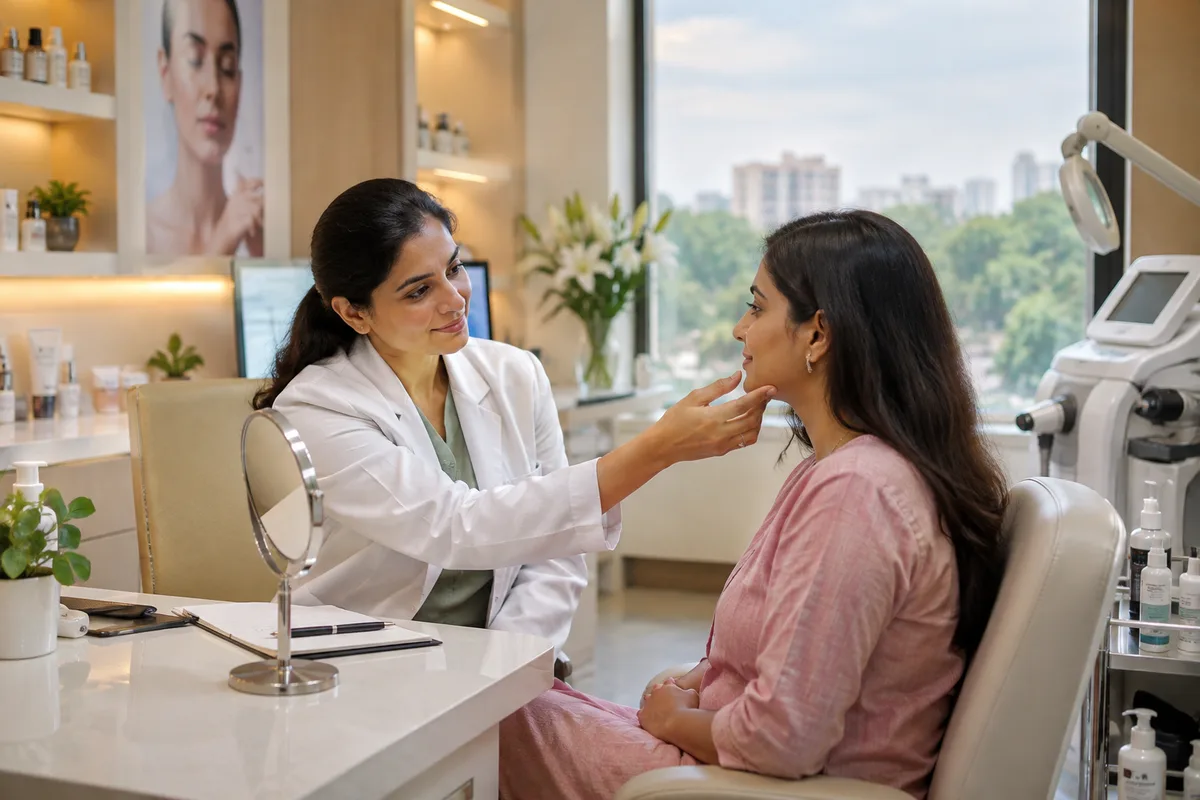
What website means
A website is the page a customer lands on after searching, clicking an advert or scanning a code, and it decides whether they call or leave. GullySales builds and maintains sites that load quickly, explain the offer plainly and make the enquiry form or phone number easy to find.
Also for aesthetic, hair and cosmetic clinics
- SEO for aesthetic, hair and cosmetic clinics
- Local SEO for aesthetic, hair and cosmetic clinics
- PPC ads for aesthetic, hair and cosmetic clinics
- Lead generation for aesthetic, hair and cosmetic clinics
- Digital marketing for aesthetic, hair and cosmetic clinics
- Reputation management for aesthetic, hair and cosmetic clinics
- Branding for aesthetic, hair and cosmetic clinics
- Social media marketing for aesthetic, hair and cosmetic clinics
Sales and marketing for aesthetic, hair and cosmetic clinics, the overview.
Last updated 17 Oct 2026. Rules for this trade differ by state and professional body, and they change. We describe restrictions in general terms, so check the current position with your own council or adviser before you publish anything.
For aesthetic, hair and cosmetic clinics
Where it usually goes wrong, and what we would do.
“The doctor page is read before the treatment page”
A patient comparing clinics checks who performs the procedure, their qualification and registration, and the area they practise in. A website that hides the doctor behind a stock photograph looks like a salon, and the patient moves on.
“One page per treatment beats a long menu”
A single list of every service gives a search engine and a patient nothing specific. A page for hair transplant, another for laser hair removal and another for aligners lets each answer its own questions on process, preparation and what the consultation covers.
“Price needs an honest frame”
Patients search for cost, per graft, sessions and EMI. A page that explains what decides the price, and what a consultation settles, earns more trust than a hidden number or a bait price that changes in person.
“Results content needs rules before design”
Photographs of treated patients are the most tempting content and the riskiest. Medical advertising rules differ by profession and state, and consent must be written. Decide what you may show before the designer builds a gallery.
What we do
What we deliver for aesthetic, hair and cosmetic clinics.
Every deliverable, what it covers for you, and the result it is there to produce. Nothing here is an extra.
Treatment pages built on patient questions
A page for each priority treatment covering who it suits, how the procedure works, preparation, aftercare and what the consultation covers, in neutral language.
Result: A patient finds a clear answer for the treatment they searched for.
Doctor and credentials pages
Profiles for each practising doctor with qualification, registration details you supply and the treatments they perform.
Result: A visitor can see who treats them.
Clear price and EMI explanation
A page explaining how pricing is decided and how EMI works, with figures supplied by your clinic.
Result: The patient understands the shape of the cost before calling.
Booking and enquiry paths
A consultation request form, a click-to-call and a WhatsApp button on each treatment page, with each enquiry tagged by page.
Result: You can see which page produced which enquiry.
Advertising-rules review
A review of wording, photographs and claims with your own council or adviser's guidance before publishing.
Result: Nothing goes live that you have not checked.
Mobile speed and structure
A mobile-first layout with page structure a search engine can read.
Result: Pages open cleanly on a patient's phone.
How the result is measured
- Page load time
- Bounce rate
- Enquiries from the website
Recorded as a baseline before work starts, so every later report has an honest comparison.
Searches your buyers type
What a patient looks for on an aesthetic clinic's site, and the page that answers it.
- hair transplant doctor and clinic
- A doctor page with qualifications and registration, linked from the hair transplant page. The patient reads who performs the work before the treatment page.
- hair transplant cost per graft
- A cost page that explains how the plan is built and what is included, with a note that the final figure follows a consultation. It speaks to the price comparer.
- laser hair removal sessions needed
- A treatment page that explains why the number of sittings is decided at the consultation, and what a typical visit involves. Make no result claim.
- dental implant EMI near me
- A page on implants with a plain EMI explanation and the nearest branch. It answers the instalment question that comes up right before booking.
- book skin clinic consultation
- A short booking form asking name, number, treatment of interest and preferred time, with consent. A long form loses the patient who is ready.
Who it is for
This is written for these aesthetic, hair and cosmetic clinics.
- Hair transplant and hair restoration centres
- Laser hair removal and skin laser clinics
- Aesthetic medicine clinics offering injectables, peels and skin boosters
- Cosmetic dentistry practices for aligners, veneers and smile design
- Dental implant centres
- Cosmetic and plastic surgery practices
- Body contouring and non-surgical fat reduction clinics
- Multi-branch aesthetic chains and franchise clinics
- Doctor-led clinics that started inside a dermatology or dental practice
Not for
It is not the right fit if.
- Your doctors' credentials and registration details are not ready, and a doctor page is the first thing a patient reads.
- You want the site to show before-and-after photographs, though you have no written consent from the patients shown.
How it works
How the website work runs
The work itself, in order. How an engagement starts, from your brief to a written scope, is set out on our method page.
- 1
Confirm structure and content
We agree the page list, what each page must answer, and who supplies the text and photographs, before any design starts.
- 2
Design the templates
The home page, a service page, a location page and the enquiry page are designed first, on phone and desktop, and shown to you.
- 3
Build and test
The site is built and checked on real phones and the common browsers. Every form, call button and WhatsApp link is tested end to end.
- 4
Load real content
Actual copy, images and information replace placeholders. Pages are read through once by you, since you spot wrong details we cannot.
- 5
Check before launch
Tracking, page titles, the sitemap and the privacy page are checked on the staging site. If an old site exists, its addresses are mapped so old links still land somewhere.
- 6
Launch and hand over access
The site goes live and we record the domain, hosting, content login and analytics in your name. The first live enquiry is traced to confirm tracking works.
Where this fits
Three pieces of sales work, in this order.
This work sits inside sales process design, at stage 1, prospecting and lead generation. The audit comes before it, and sales management keeps it running.
Step 1
Sales audit
Find where deals are being lost and what to fix first.
Start here if you cannot say where orders are lost.
Step 2 · you are here
Sales process design
One written way to sell, from first enquiry to repeat order.
Start here if every salesperson sells differently.
Step 3
Sales management
A target, a review routine and someone who owns the number.
Start here if the team has targets and no routine.
FAQ
Questions owners ask before they call.
Not here? More answers, or ask on WhatsApp.
Should the website show before-and-after photographs?
Do we need a separate site for each branch?
How do we know the website is working?
Where should the doctor's registration detail appear?
How much does it cost?
How long is the contract?
How soon will we see results?
Who will actually do the work?
What do you need from us?
What if we are not happy with the work?
From the blog
Further reading for aesthetic, hair and cosmetic clinics.
 6 min read · 10 Oct 2026How clinics can improve the journey from online enquiry to appointmentMost patients who message a clinic never book. Walk the path from first message to booked slot, and fix who answers, how fast, what is asked and what happens next.
 6 min read · 24 Sept 2026Reply templates for clinic WhatsApp enquiriesEight first replies for a clinic's WhatsApp number, covering price, timing, location, scans and reports, each ending with one next step the patient can take.
 7 min read · 21 Sept 2026How to write social media ad copyThe picture stops the thumb and the first line has to finish the job, because everything after it is hidden behind the word more.
More for aesthetic, hair and cosmetic clinics
Everything else we would do for you.
Closest to this: search and visibility
Also for aesthetic, hair and cosmetic clinics
- PPC ads for aesthetic, hair and cosmetic clinics
- Lead generation for aesthetic, hair and cosmetic clinics
- Digital marketing for aesthetic, hair and cosmetic clinics
- Reputation management for aesthetic, hair and cosmetic clinics
- Branding for aesthetic, hair and cosmetic clinics
- Social media marketing for aesthetic, hair and cosmetic clinics
Or start from the overview: sales and marketing for aesthetic, hair and cosmetic clinics.
Your next practical step
Tell us what you are trying to grow, and we will read it before we call.
Eight short steps, mostly taps. Skip anything you would rather answer on the call.