Dental clinics · Pricing research
Before you move a fee, find out why quoted patients stopped replying.
Pricing research for a dental clinic collects evidence on how patients compare treatment quotes and why some accept while others go quiet, before anyone alters a fee list. GullySales works through your quote records, talks to patients who agreed to be asked, and writes down what the evidence supports and what it cannot show.
Scope, fee, reporting and term are agreed in writing after we have read your brief and spoken to you.
What pricing research means
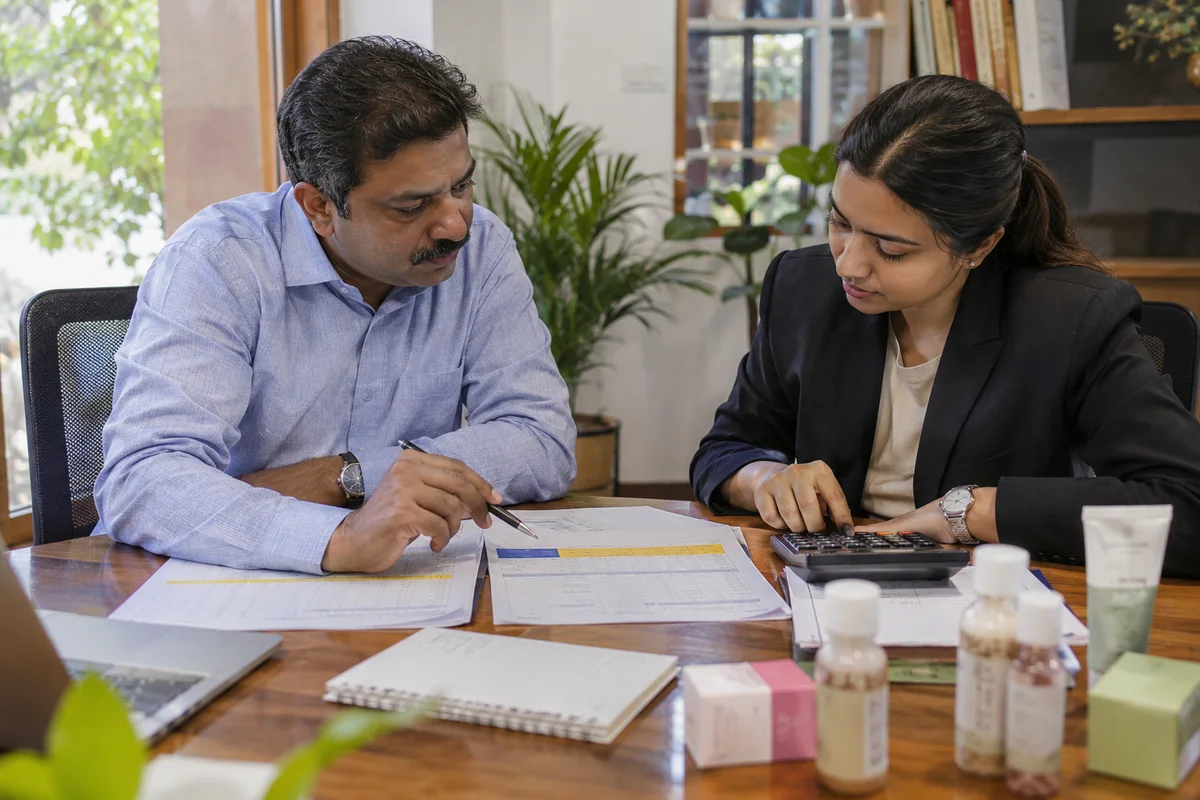
Pricing research collects evidence on how buyers compare and accept your price, before anyone alters a rate card. GullySales reviews your lost quotations, interviews buyers and dealers, records public competitor prices with dates, and writes a plain reading of what the evidence supports and what it cannot show.
Also for dental clinics
- Buyer journey mapping for dental clinics
- Buyer personas for dental clinics
- Marketing strategy for dental clinics
- Digital marketing for dental clinics
- Workshop and seminar marketing for dental clinics
- Customer acquisition strategy for dental clinics
- Marketing KPI design for dental clinics
- Service offering marketing for dental clinics
Sales and marketing for dental clinics, the overview.
Last updated 14 Nov 2026. Rules for this trade differ by state and professional body, and they change. We describe restrictions in general terms, so check the current position with your own council or adviser before you publish anything.
For dental clinics
Where it usually goes wrong, and what we would do.
“The patient compares a quote, not a treatment”
A person quoted for an implant at three clinics sees three totals that may include different things: the crown, the scan, the consultations, the follow-up visits. Without knowing what each quote covers, a lower total tells you nothing about why you lost.
“Silence after a quote is not the same as a refusal”
A patient who never rings back may have been waiting for a call, may have deferred for budget reasons, or may have gone elsewhere. The clinic records only the silence, so the fee gets blamed for what might be a missed follow-up.
“Rival fee lists are scraps and advertisements”
Prices on aggregator pages and social posts are sometimes introductory offers for a narrower service. Copying them into your own list produces a comparison between unequal things, and dental advertising rules on price-led offers differ by state and council.
“The dentist is the wrong person to hear the objection”
A patient will say the cost is high to the dentist, and say something quite different to the front desk or a neutral caller. Reasons given face to face are courteous. The reasons that decide the matter surface elsewhere.
What we do
What we deliver for dental clinics.
The work available for this need. We agree the deliverables and responsibilities for your engagement in writing.
Quote and outcome sheet
Built from your appointment book and enquiry records: each quoted treatment, what the quote included, whether the patient booked, and whether anyone followed up. Gaps in the records are marked, not guessed.
Result: You can see the quotes that ended in silence with no follow-up logged.
Patient conversation guide
A short list of open questions for patients who agreed to be contacted, about what they compared and what would have changed the decision. You approve who is asked and how consent is recorded.
Result: Each conversation note records consent and the patient's own words.
Dated record of nearby clinics' published fees
Public fee lists and rate cards, each with the date seen, what the fee covers and where it was found. Where a published fee cannot be compared like for like, the entry says so.
Result: Every logged fee has a source, a date and a stated scope.
Quote contents comparison
A side-by-side of what your quote includes against what rival quotes, as reported by patients, appear to include, so that a fee gap is not read as a value gap.
Result: The sheet separates fee differences from scope differences.
Written reading of the evidence
A plain document saying which price objections are supported, which are contradicted and which cannot be settled, with the decision left to the owner.
Result: Each conclusion points back to the record behind it.
How the result is measured
- Lost quotations with a buyer-confirmed reason
- Buyers and dealers interviewed, against those approached
- Competitor prices logged with date and comparable terms
Recorded as a baseline before work starts, so every later report has an honest comparison.
Who it is for
This is written for these dental clinics.
- Single-dentist clinics
- Multi-chair general dental clinics
- Orthodontic and aligner-only practices
- Implant and oral surgery centres
- Cosmetic and smile-design clinics
- Paediatric dental clinics
- Dental clinics inside a multi-speciality centre
- Multi-branch dental groups
- New clinics in their first year
Before you decide
Agree the work. Know how to judge it.
Pricing research for dental clinics: use these checks to prepare, choose the scope, and review what changes.
Bring the right evidence
Bring the current offer, delivery costs, and examples of discount requests or lost proposals. Separate a buyer who cannot afford the offer from one who does not understand what is included.
Make the scope clear
Agree which products or packages are being reviewed and who can approve price changes. Make assumptions about volume, delivery effort, and support visible in the model.
Check the work in use
Compare the proposed package with a real buyer requirement and the cost of fulfilling it. Check whether exclusions and optional work are understandable before testing a change.
Know when to change course
If a lower price creates more work than the business can support, revisit the scope. A higher conversion rate can still produce a worse commercial result.
These are discussion points, not a fixed package. GullySales confirms the deliverables, responsibilities, fee, and term in writing after reading your brief and speaking with you.
Before we start
What to have ready before the work starts.
The records, access and decisions this work needs from dental clinics. Anything missing is noted in the written scope, with who will supply it.
- Quotes given for a full season
- Bring the quotes with date, treatment, figure and what happened to each, as paper copies, screenshots or software printouts, with patient names covered. A season is better than a month, because treatments such as aligners and implants are quoted rarely. Without enough quotes, the patient conversations carry the whole study and the report says that the quote file was too thin to read.
- A list of patients who may be called
- The desk chooses patients it believes would talk willingly, plus a few who declined treatment or went elsewhere. Bring only names that have been agreed and the route by which the desk will approach each of them. Without a list, we rely on the quote records and public information, and the report cannot say anything about why patients hesitated.
- The dentist's own reasoning on fees
- Tell us how your fees are set today: cost of materials, lab work, chair time, comparison with others nearby. This stays private and is not repeated in any page or message. Without it, the reading of the evidence may argue against a reason we never heard, and the dentist will reject the findings.
- What the quote documents include
- A quote that lists materials, number of sittings and a follow-up check is a different thing from a figure on a slip of paper. Bring a few real quote documents with patient details covered, including a WhatsApp estimate. Without them, we cannot compare what your quotes include with what nearby clinics publish.
- A decision on what will change
- Say in advance whether you are prepared to alter how quotes are presented, how fees are explained or the fees themselves. If nothing can change, the research is narrowed to understanding patients and says so, which is a legitimate use. If something can change, tell us what, so the findings are written in terms you can act on.
How it works
How the pricing research work runs
The work itself, in order. How an engagement starts, from your brief to a written scope, is set out on our method page.
- 1
Agree the questions and what is not studied
We start by writing down what the research must answer: why do some quoted patients accept and others go silent, and how do nearby clinics present their fees? We also write what is outside it, such as setting your fees. The dentist signs the scope so nobody expects a rate card at the end.
- 2
Go through the quote file treatment by treatment
With the front desk we read the quotes given in the last season, treatment by treatment: the figure, what it included, whether the plan was accepted, delayed or dropped. Names are covered. We note where the desk's records are thin. This quote and outcome sheet is the base of the research.
- 3
Agree who will be contacted and how
We prepare a list of patients, both those who accepted and those who did not, whom the clinic is comfortable asking for a short conversation. The desk makes the first contact in a script the dentist approves. Nobody is pressed and anyone who declines is left alone. We do not call patients ourselves until they have agreed to a call, and the desk tells us only the first name and the treatment so that the quote file stays confidential.
- 4
Talk to patients about how they compared
We hold short conversations using the guide we prepared: what they compared, who else they asked, what made a quote seem fair, what held them back. We note their words. No clinical details are discussed, and a patient who wants to book is passed to the desk.
- 5
Record nearby clinics' published fees with dates
We note what nearby clinics publish on their websites, listings and boards, with the date seen, and what each quote includes. We copy no price list and contact no competitor in disguise. Only what is public is recorded, and it is dated because it changes. We also note whether the published figure is a starting rate, a range or a package, and what the clinic says is included, since two figures are comparable only when they cover the same sittings.
- 6
Write the reading of the evidence
We set the quote file, the patient conversations and the public fees side by side and write what they show about how patients compare and where quotes stall. We do not set a fee. You decide what, if anything, to change, and the dentist reads the draft before the desk does, and the research is repeated against the first sheet later.
Where this fits
Three pieces of sales work, in this order.
This work sits inside sales process design, at stage 0, foundation. The audit comes before it, and sales management keeps it running.
Step 1
Sales audit
Find where deals are being lost and what to fix first.
Start here if you cannot say where orders are lost.
Step 2 · you are here
Sales process design
One written way to sell, from first enquiry to repeat order.
Start here if every salesperson sells differently.
Step 3
Sales management
A target, a review routine and someone who owns the number.
Start here if the team has targets and no routine.
FAQ
Questions owners ask before they call.
Not here? More answers, or ask on WhatsApp.
Will you tell us what to charge for each treatment?
Can we copy the rate list of the big dental chain nearby?
Is it acceptable to contact patients who went elsewhere?
Is it legal to note what other clinics publish?
What if patients say we are too expensive?
How long is the contract?
How soon will we see results?
Who will actually do the work?
What do you need from us?
What if we are not happy with the work?
From the blog
Further reading for dental clinics.
 6 min read · 10 Oct 2026How clinics can improve the journey from online enquiry to appointmentClinics lose enquiries between the first message and the booked slot. Trace the journey, find the gap and fix it with a simple checklist.
 6 min read · 6 Oct 2026What healthcare buyers check before they choose youA patient, a referring doctor and a hospital purchase team each check different things before choosing a provider. See what each looks at.
 8 min read · 21 Sept 2026How to test advertising creativeTest hoarding, newspaper and radio creative before it is made, with checks that cost nothing, since digital creative can only be tested after it runs.
More for dental clinics
Related work to consider.
Closest to this: strategy and research
- Buyer journey mapping for dental clinics
- Buyer personas for dental clinics
- Marketing strategy for dental clinics
- Digital marketing for dental clinics
- Workshop and seminar marketing for dental clinics
- Customer acquisition strategy for dental clinics
- Marketing KPI design for dental clinics
- Service offering marketing for dental clinics
Also for dental clinics
Or start from the overview: sales and marketing for dental clinics.
Your next practical step
Tell us what you are trying to grow, and we will read it before we call.
Eight short steps, mostly taps. Skip anything you would rather answer on the call.