Dermatology clinics · Content marketing
Explain vitiligo treatment in plain words before a patient arrives already anxious.
Content marketing for a dermatology clinic means writing plainly about each condition and treatment, so an anxious patient understands what to expect before the first visit. It replaces leaving them to guess from a forum post. GullySales builds this content around the concerns your patients actually search for.
Scope, fee, reporting and term are agreed in writing after we have read your brief and spoken to you.
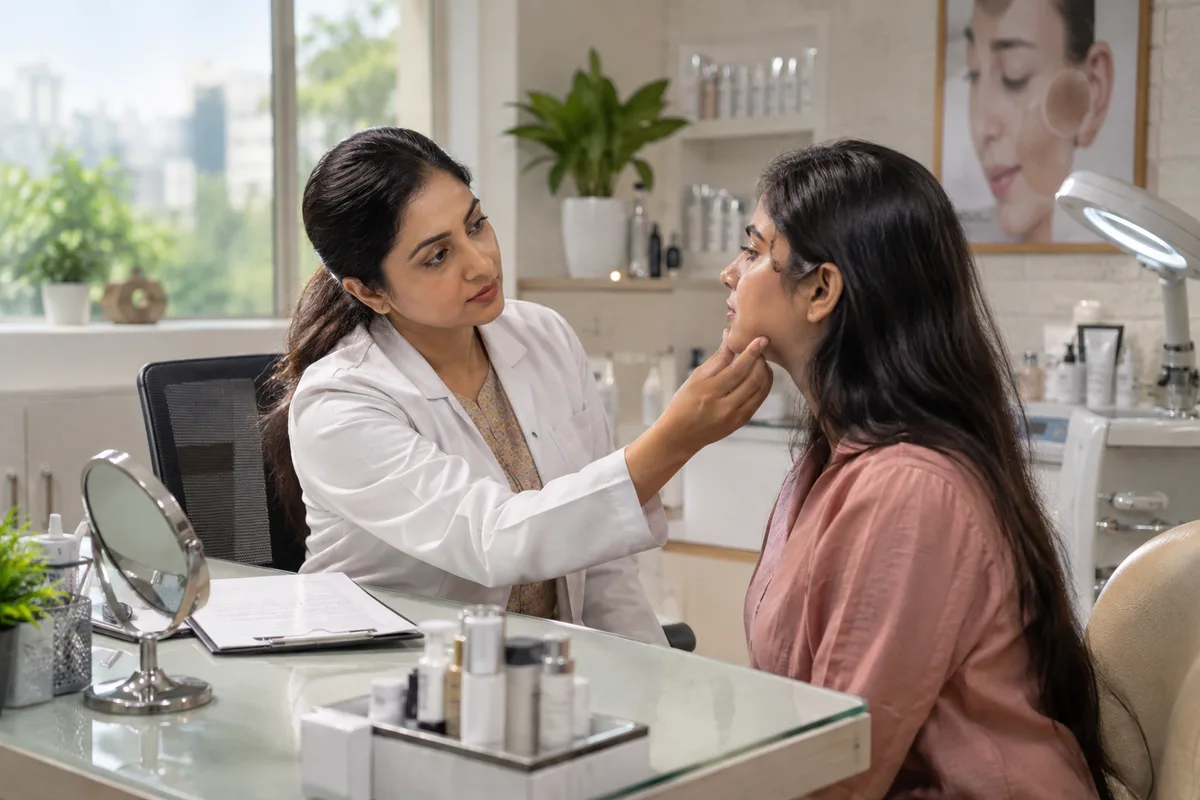
What content marketing means
Content marketing is writing articles, guides and pages that answer the questions buyers search before they are ready to enquire. This makes your business visible and trusted before the first call. GullySales plans this content from the first conversation onward, choosing topics that match real search demand rather than guesses.
Also for dermatology clinics
- Influencer marketing for dermatology clinics
- Social media marketing for dermatology clinics
- AEO for dermatology clinics
- Branding for dermatology clinics
- Digital marketing for dermatology clinics
- Email campaigns for dermatology clinics
- Google Business Profile for dermatology clinics
- Lead generation for dermatology clinics
Sales and marketing for dermatology clinics, the overview.
Last updated 8 Nov 2026. Rules for this trade differ by state and professional body, and they change. We describe restrictions in general terms, so check the current position with your own council or adviser before you publish anything.
For dermatology clinics
Where it usually goes wrong, and what we would do.
“Condition pages that calm before they convert”
A page explaining what causes sudden hair fall and what PRP treatment actually involves reduces the anxiety a patient carries into a first consultation. That shows up as a smoother first appointment.
“Result photographs and consent”
Dermatology results are highly visual and personal, and medical advertising rules restrict how a doctor may show them. The clinic keeps a consent process for any clinical photograph and decides with its council or adviser what, if anything, is shown in public.
“Session-by-session expectations for multi-visit treatments”
Content explaining that chemical peels or hair transplant recovery unfold over several visits sets a realistic timeline. A patient then does not judge the clinic on results from a single sitting.
What we do
What we deliver for dermatology clinics.
Every deliverable, what it covers for you, and the result it is there to produce. Nothing here is an extra.
Condition explainer pages for common concerns
Plain pages on causes and treatment for concerns such as sudden hair fall, acne and pigmentation, written before the first consultation.
Result: A patient arrives already understanding what the visit will cover.
A consent process for clinical photographs
A written consent form and a register for clinical photographs kept for the patient's file, with nothing displayed in advertising unless your council or adviser confirms it is allowed.
Result: Every photograph the clinic holds has the patient's recorded consent behind it.
Session-by-session content for multi-visit treatments
Content explaining how chemical peels or hair transplant recovery unfold across several visits, not a single before-and-after claim.
Result: A patient judges progress across several visits rather than one sitting.
WhatsApp-ready summaries of each condition page
A short version of each condition explainer, written to paste directly into a WhatsApp reply to a common question.
Result: The front desk answers a repeated question with the same clear wording.
Report on which condition pages are read
A report on which explainer pages are visited before a booking, against the baseline agreed before work started.
Result: The clinic sees which concerns patients are researching most.
How the result is measured
- Pages published
- Organic traffic
- Enquiries from content pages
Recorded as a baseline before work starts, so every later report has an honest comparison.
Questions buyers ask first
The questions a skin patient asks before booking, and the page that answers each one.
Every page is read by your dermatologist first. Advertising rules for doctors differ by state and body and change, so check them with your own council.
- Is this a rash or something I should worry about?
- A page written with your dermatologist on which skin changes need a consultation soon, such as a mole that changes or a patch that keeps spreading. It describes signs a patient can see. It does not diagnose.
- Will my acne scars really go?
- An acne scar page that names each scar type, which procedures are used for which, and why most scars need a course rather than one sitting. Say plainly that results differ by skin and scar. Leave out any promise.
- How many sessions will laser hair removal need?
- A session plan page: why hair grows in cycles, why areas differ, the gap your clinic follows between sittings, and what to avoid before each one, such as waxing and sun. Use your own protocol, not a general one.
- Is it safe for my skin tone, or if I am pregnant?
- A suitability page per treatment: who should wait, what the doctor checks first (skin type, current medicines, pregnancy), and a line that the doctor decides after examining. It also filters out enquiries that cannot be treated.
- What happens on the first visit?
- A first-visit page: what the doctor asks, whether a photo or dermoscopy is taken, what to carry (old prescriptions, creams in use), and that a consultation does not always end in a procedure.
- What does it cost, and what is not included?
- A fees page listing the consultation fee, what one session covers and what is extra, such as numbing cream or a peel kit. Use your real figures. A range with its reasons beats 'call for price'.
Who it is for
This is written for these dermatology clinics.
- Solo dermatologist clinics
- Multi-doctor dermatology and cosmetology centres
- Dermatology hospitals with in-patient procedures
- Cosmetic and aesthetic dermatology clinics
- Hair transplant and trichology centres
- Skin and laser clinics inside malls or commercial complexes
- Paediatric and family dermatology practices
- Multi-branch dermatology chains
Not for
It is not the right fit if.
- No doctor has time to check what a page says about a condition, and unchecked skin advice should not be published
- You want pages that promise a patient's skin will clear, which the profession's advertising rules do not allow
- Nobody can reply when a reader sends a photo after reading a page, so the page would raise questions the clinic could not answer
How it works
How the content marketing work runs
The work itself, in order. How an engagement starts, from your brief to a written scope, is set out on our method page.
- 1
Agree the plan
Topics and formats come from the content strategy and the buyer-question list. The volume goes into the written scope, agreed with you, not into a number quoted on a call.
- 2
Brief and draft
Each piece starts from its one-page brief and a short conversation with your technical person, recorded if they allow it, so the draft uses their words.
- 3
Check the facts
Your person marks the draft for accuracy and we correct it. Regulated subjects also go to your own adviser, because restrictions on claims apply to articles as much as to advertisements.
- 4
Publish and distribute
The piece goes live on your site, then out through the channels where your buyers already are.
- 5
Read the enquiries and adjust
Results are reported against the baseline recorded before work began. Topics that brought readers but no enquiries are changed or dropped. How often you are reported to is agreed in writing.
Where this fits
Three pieces of sales work, in this order.
This work sits inside sales process design, at stage 0, foundation. The audit comes before it, and sales management keeps it running.
Step 1
Sales audit
Find where deals are being lost and what to fix first.
Start here if you cannot say where orders are lost.
Step 2 · you are here
Sales process design
One written way to sell, from first enquiry to repeat order.
Start here if every salesperson sells differently.
Step 3
Sales management
A target, a review routine and someone who owns the number.
Start here if the team has targets and no routine.
FAQ
Questions owners ask before they call.
Not here? More answers, or ask on WhatsApp.
Should we publish before and after photos?
How technical should the writing be?
Should the pages carry the dermatologist's name or the clinic's?
Do we need the condition pages in Hindi or another local language?
How much does it cost?
How long is the contract?
How soon will we see results?
Who will actually do the work?
What do you need from us?
What if we are not happy with the work?
From the blog
Further reading for dermatology clinics.
 8 min read · 21 Sept 2026How to advertise to hospital administratorsThe administrator scopes the purchase, the head of department asks for it and the trust signs it. Three quotations are compulsory, so your job is to be one of the three and to write the specification.
 7 min read · 21 Jan 2026Keyword research for dermatology clinics: the words patients typeThe keywords for dermatologists that bring appointments are the ones patients type: skin doctor near me, acne treatment cost, hair fall treatment. How to group them, and which page each belongs on.
 8 min read · 12 Aug 2025Local SEO checklist for clinicsA five-part checklist for clinics: a complete Google Business Profile, consistent details, treatment pages, a review routine and enquiry tracking.
More for dermatology clinics
Everything else we would do for you.
Closest to this: content and social
Also for dermatology clinics
Or start from the overview: sales and marketing for dermatology clinics.
Your next practical step
Tell us what you are trying to grow, and we will read it before we call.
Eight short steps, mostly taps. Skip anything you would rather answer on the call.