Dermatology clinics · Customer retention
Finish the course, then own the maintenance sitting nobody remembers to book.
Retention for a dermatology clinic is the patient coming back: the remaining sittings of a course, the touch-up after it, the annual skin check, the second concern they mention in passing. GullySales sets up the recall behind each of those, and says plainly where a loyalty scheme has no place.
Scope, fee, reporting and term are agreed in writing after we have read your brief and spoken to you.
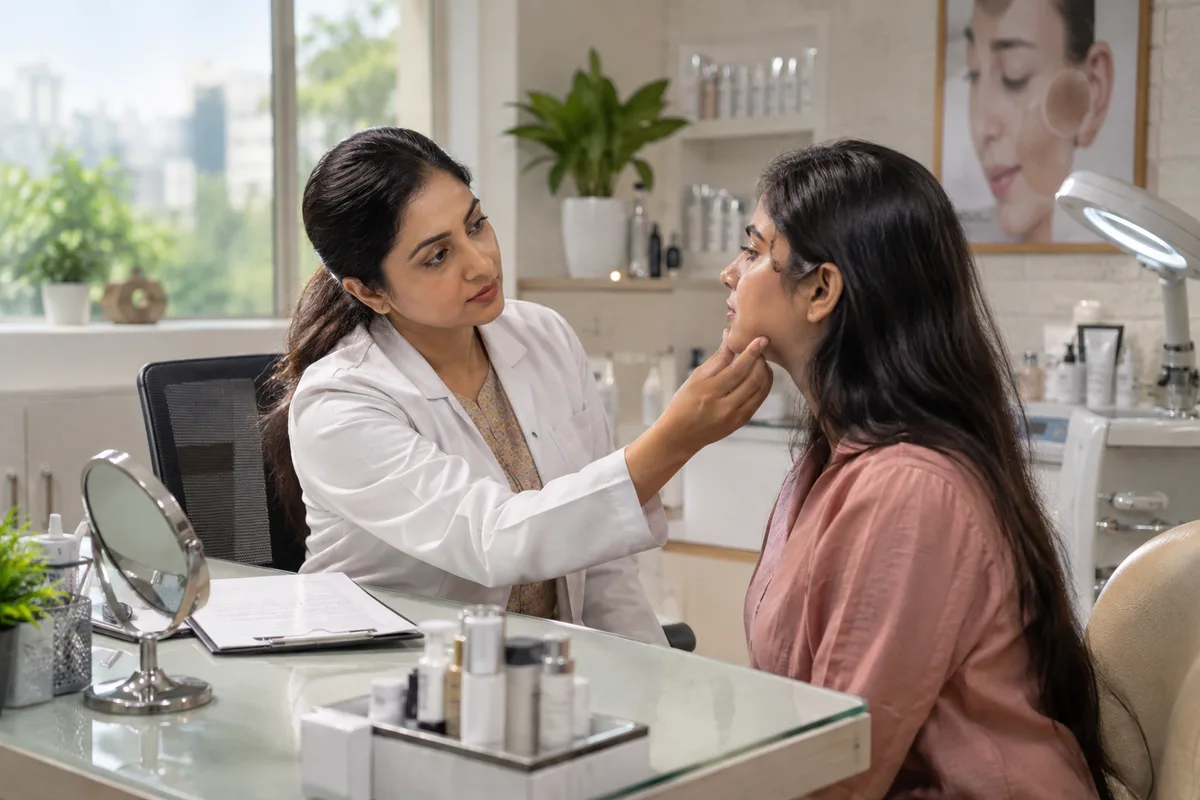
What customer retention means
Customer retention is keeping an existing customer buying again rather than losing them to a competitor after the first purchase, usually cheaper than winning a new customer. GullySales sets a routine of check-ins and renewal reminders aimed at customers before they show signs of leaving.
Also for dermatology clinics
- Referral marketing for dermatology clinics
- AEO for dermatology clinics
- Branding for dermatology clinics
- Content marketing for dermatology clinics
- Digital marketing for dermatology clinics
- Email campaigns for dermatology clinics
- Google Business Profile for dermatology clinics
- Influencer marketing for dermatology clinics
Sales and marketing for dermatology clinics, the overview.
Last updated 8 Nov 2026. Rules for this trade differ by state and professional body, and they change. We describe restrictions in general terms, so check the current position with your own council or adviser before you publish anything.
For dermatology clinics
Where it usually goes wrong, and what we would do.
“The course is already sold, so retention here is mostly diary work”
Six peel sittings, eight laser sessions, a series of PRP. The patient has agreed to come back. Holding the dates and noticing the gap does more than any campaign you could run at them.
“Maintenance is the part nobody books”
Laser hair removal needs a touch-up long after the package ends, and fillers settle. The patient does not diarise it, the clinic does not either, and so they walk into whichever clinic is nearest on the day they notice.
“Points on a medical visit are the wrong idea”
A package price on a cosmetic course is a fair scheme and you probably already run it. A card that rewards a patient for more visits rewards them for needing more treatment, and inducements to patients sit in restricted territory. Take that one to your compliance adviser.
What we do
What we deliver for dermatology clinics.
Every deliverable, what it covers for you, and the result it is there to produce. Nothing here is an extra.
A recall date set at the end of every course
The touch-up or review date agreed while the patient is still in the chair for the last sitting, written into the diary rather than left to memory.
Result: The maintenance visit has a date before the patient leaves.
The second concern captured at the consultation
The thing a patient mentions in passing, a mole, dandruff, a nail problem, recorded so it can be raised again rather than forgotten with the notes.
Result: One patient becomes two courses of treatment over time.
A seasonal recall for the concerns that come back
Contact timed to when a condition actually returns, for example fungal complaints in the monsoon and dry, flaring eczema in the cold weather.
Result: You reach the patient in the week they were about to search.
A package price written down instead of a loyalty card
Cosmetic courses priced as a course, on paper, with what is included, replacing any scheme that would reward repeat medical visits.
Result: The clinic has an honest offer and nothing that needs defending.
Course completion reported as its own number
Sittings booked against sittings attended for each course type, so a treatment that patients keep abandoning halfway becomes visible.
Result: You can see which course is losing people, and where.
How the result is measured
- Retention rate
- Repeat purchase rate
- Customers won back
Recorded as a baseline before work starts, so every later report has an honest comparison.
Work it out from your records
Your consultation notes and sitting records show who finished, who stopped and who is due back.
- Sittings sold against sittings done
- For each course list the sittings the patient agreed to and the sittings completed. Patients who stopped partway are a clinical follow-up, so let the doctor decide who to call.
- Gap since the last sitting
- List patients whose gap since the last sitting is longer than the interval the doctor advised. For a skin course the gap affects the result, so this is a care check as much as a diary one.
- Maintenance or review booked at the end
- At the end of each course note whether a maintenance or review visit was booked before the patient left. Those without one are the ones who will not return on their own.
- Second concerns mentioned and not seen
- Read consultation notes for a second concern the patient raised in passing, such as hair or pigmentation. Mark it open, so a later recall can offer a proper visit for it.
- Concerns that come back with the season
- Mark patients whose condition flares at a time of year, such as a monsoon fungal infection or winter dryness. Make a list for the start of that season, with the doctor's agreement.
- Missed and rescheduled appointments
- Count no-shows and reschedules per patient. Someone who has moved their sitting more than once may have a concern about cost, time or the treatment, and a call from the doctor's team helps.
Who it is for
This is written for these dermatology clinics.
- Solo dermatologist clinics
- Multi-doctor dermatology and cosmetology centres
- Dermatology hospitals with in-patient procedures
- Cosmetic and aesthetic dermatology clinics
- Hair transplant and trichology centres
- Skin and laser clinics inside malls or commercial complexes
- Paediatric and family dermatology practices
- Multi-branch dermatology chains
Not for
It is not the right fit if.
- Your records do not show who completed a course, so no one could tell which patients have drifted
- You would bring patients back for a treatment the doctor has not advised, which is the wrong reason to call
- The clinic has no way to book a maintenance sitting at the time of the call, so reminders would end in a dead end
How it works
How the customer retention work runs
The work itself, in order. How an engagement starts, from your brief to a written scope, is set out on our method page.
- 1
Read the records
Your sales and billing records are read for repeat purchase, the normal gap between orders and the customers who have gone quiet. The record-keeping gaps found here are listed.
- 2
Ask why they stopped
A small set of lapsed and current customers is called with your team's consent, and asked plainly what changed. The reasons are sorted into price, service, competitor and circumstance.
- 3
Build the strategy
The written plan sets priority groups, touchpoints, offers, owners, consent rules and a target.
- 4
Align existing tactics
Each retention activity you already run is mapped against the plan, then kept, changed or dropped.
- 5
Start with one group
The plan goes live for the most valuable at-risk group first, with a held-back comparison group, before it widens.
- 6
Review against the baseline
Retention is compared with the baseline recorded before work began. How often you are reported to is agreed in writing.
Where this fits
Three pieces of sales work, in this order.
This work sits inside sales process design, at stage 7, after the sale. The audit comes before it, and sales management keeps it running.
Step 1
Sales audit
Find where deals are being lost and what to fix first.
Start here if you cannot say where orders are lost.
Step 2 · you are here
Sales process design
One written way to sell, from first enquiry to repeat order.
Start here if every salesperson sells differently.
Step 3
Sales management
A target, a review routine and someone who owns the number.
Start here if the team has targets and no routine.
FAQ
Questions owners ask before they call.
Not here? More answers, or ask on WhatsApp.
Should a skin clinic run a loyalty programme?
How do we bring back a patient who finished treatment a year ago?
Can a reminder message name the treatment or the condition?
A patient asks for the records to take to another clinic. Does that mean we lost the patient?
How much does it cost?
How long is the contract?
How soon will we see results?
Who will actually do the work?
What do you need from us?
What if we are not happy with the work?
From the blog
Further reading for dermatology clinics.
 8 min read · 21 Sept 2026How to advertise to hospital administratorsThe administrator scopes the purchase, the head of department asks for it and the trust signs it. Three quotations are compulsory, so your job is to be one of the three and to write the specification.
 7 min read · 21 Jan 2026Keyword research for dermatology clinics: the words patients typeThe keywords for dermatologists that bring appointments are the ones patients type: skin doctor near me, acne treatment cost, hair fall treatment. How to group them, and which page each belongs on.
 8 min read · 12 Aug 2025Local SEO checklist for clinicsA five-part checklist for clinics: a complete Google Business Profile, consistent details, treatment pages, a review routine and enquiry tracking.
More for dermatology clinics
Everything else we would do for you.
Closest to this: customers after the sale
Also for dermatology clinics
Or start from the overview: sales and marketing for dermatology clinics.
Your next practical step
Tell us what you are trying to grow, and we will read it before we call.
Eight short steps, mostly taps. Skip anything you would rather answer on the call.