Dermatology clinics · Follow up systems
Ring the patient who stopped after the second peel, before the course goes cold.
Follow-up for a dermatology clinic is the chasing, not the record: the photo that got a reply and then silence, the patient who was quoted a course and vanished, the one who stopped halfway through it. GullySales writes the routine, the wording and the point at which your desk stops.
Scope, fee, reporting and term are agreed in writing after we have read your brief and spoken to you.
What follow up systems means
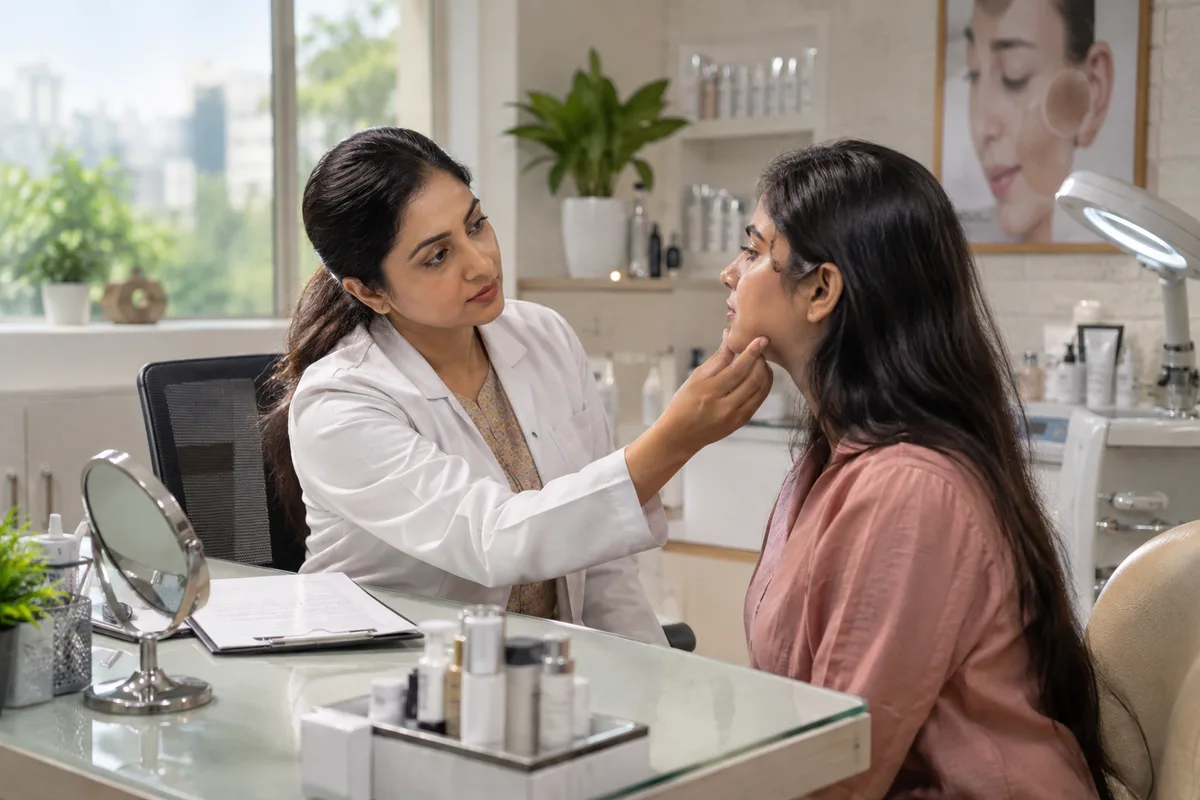
A follow-up system is the set routine for calling, messaging or emailing an enquiry more than once, since most buyers do not decide on the first conversation. GullySales sets the number and timing of follow-ups so an undecided buyer keeps hearing from you until they decide either way.
Last updated 8 Nov 2026. Rules for this trade differ by state and professional body, and they change. We describe restrictions in general terms, so check the current position with your own council or adviser before you publish anything.
For dermatology clinics
Where it usually goes wrong, and what we would do.
“The half-finished course is the call worth making first”
Somebody who paid for six sittings and came twice is not a lost enquiry, it is an unfinished treatment sitting in your diary. Asking whether the skin reacted badly brings more of them back than a reminder about an appointment date.
“A photo that got an answer and then silence needs a different message”
That patient went quiet on the price or on nerve, not on the diagnosis. Offering to hold a Saturday slot moves them. A message saying you are following up does not.
“Write down where the chasing stops”
A person with a visible skin problem who has not replied twice should not hear from you a third time. Agree the limit, put it on paper, and the desk is not left deciding it on a quiet afternoon.
What we do
What we deliver for dermatology clinics.
Every deliverable, what it covers for you, and the result it is there to produce. Nothing here is an extra.
A recall list for patients mid-course
Everyone who has paid for a course and missed their next sitting, pulled out as a list with the sitting number against each name.
Result: The clinic chases treatment, not just money.
Wording for the cosmetic enquiry that went quiet
Short messages for the patient who was quoted laser or fillers and stopped replying, written to give a reason to answer rather than to repeat the price.
Result: The desk has something to send that does not feel like pestering.
A stop rule the doctor has approved
The number of attempts, the gap between them and the point at which a patient is left alone, agreed with you and pinned up where the desk can see it.
Result: Nobody pressures a patient because they were unsure what was allowed.
Post-procedure check calls built into the day
A short call to a patient who had a peel, a laser session or a mole removed, asking how the skin settled and booking the review if one is due.
Result: A worried patient rings you instead of a competitor's WhatsApp.
A count of what the chasing recovered
Patients brought back to a sitting or a consultation through follow-up, kept separately from new enquiries so the two are never confused.
Result: You can tell whether the routine is worth the time it costs.
How the result is measured
- Follow-up completion rate
- Average number of follow-ups before close
- Enquiries closed after repeat follow-up
Recorded as a baseline before work starts, so every later report has an honest comparison.
Follow-up routine for this trade
Here is what the front desk does next for each kind of patient who has stopped replying.
- Patient sent a photo, then silence
- The coordinator replies once to say the doctor has seen it and an in-person consultation is needed. Offer appointment slots and record whether the patient answered.
- Course quoted, patient did not start
- Ask whether the cost, travel or time decided it, and let the doctor know the reason. Offer a short call with the doctor if the patient has a medical question.
- Patient stopped mid-course
- Check the schedule and call to ask whether something got in the way. Record the reason and tell the doctor, who decides whether to advise the patient.
- Review visit missed
- Ring the patient and offer a new slot. If the patient says the problem has settled, note this and let the doctor decide on the next step.
- Procedure completed
- Make the check call the doctor has approved to ask whether the patient has any questions on aftercare. Escalate any concern to the doctor straight away and record it.
- Patient referred by another patient
- Thank the referrer without any payment or favour. Note the source on the new patient's record so you know which relationships bring patients.
Who it is for
This is written for these dermatology clinics.
- Solo dermatologist clinics
- Multi-doctor dermatology and cosmetology centres
- Dermatology hospitals with in-patient procedures
- Cosmetic and aesthetic dermatology clinics
- Hair transplant and trichology centres
- Skin and laser clinics inside malls or commercial complexes
- Paediatric and family dermatology practices
- Multi-branch dermatology chains
Not for
It is not the right fit if.
- No one owns the list of patients who stopped, so calls would depend on memory after a busy clinic
- Your clinic has not agreed a stop rule, and repeated calls could upset a patient who has chosen to leave
- You plan to message about a skin condition on a shared phone, where others in the household may read it
How it works
How the follow up systems work runs
The work itself, in order. How an engagement starts, from your brief to a written scope, is set out on our method page.
- 1
Measure today's reply time
From your recent enquiries, we set the time each arrived against its first reply, using the call log, chats, form entries and portal panel. We also count the follow-ups each one got.
- 2
Agree targets and the sequence
We set reply targets and the follow-up sequence with your team, based on its real hours and workload.
- 3
Write the templates and first-call questions
The first reply, the quote follow-up and the last attempt are written in your voice and loaded as quick replies. The first-call questions are agreed with your best salesperson.
- 4
Set ownership, tasks and alerts
Named owners, cover for leave and CRM or sheet tasks go live. App alerts, such as IndiaMART's, are switched on for the right phones.
- 5
Track and adjust
Reply time and follow-up completion are reported against the baseline, and the routine is changed where it is not kept. How often you are reported to is agreed in writing.
Where this fits
Three pieces of sales work, in this order.
This work sits inside sales process design, at stage 2, qualification. The audit comes before it, and sales management keeps it running.
Step 1
Sales audit
Find where deals are being lost and what to fix first.
Start here if you cannot say where orders are lost.
Step 2 · you are here
Sales process design
One written way to sell, from first enquiry to repeat order.
Start here if every salesperson sells differently.
Step 3
Sales management
A target, a review routine and someone who owns the number.
Start here if the team has targets and no routine.
FAQ
Questions owners ask before they call.
Not here? More answers, or ask on WhatsApp.
How many times should we follow up somebody who was quoted a course?
Is it right to chase a patient about a medical concern at all?
Can we use WhatsApp to follow up patients?
A patient says no to the course. What do we record?
How much does it cost?
How long is the contract?
How soon will we see results?
Who will actually do the work?
What do you need from us?
What if we are not happy with the work?
From the blog
Further reading for dermatology clinics.
 6 min read · 20 Aug 2024How clinics can generate more appointment enquiriesMost clinics do not have a visibility problem, they have a leak: missed calls, slow WhatsApp replies and no recall list.
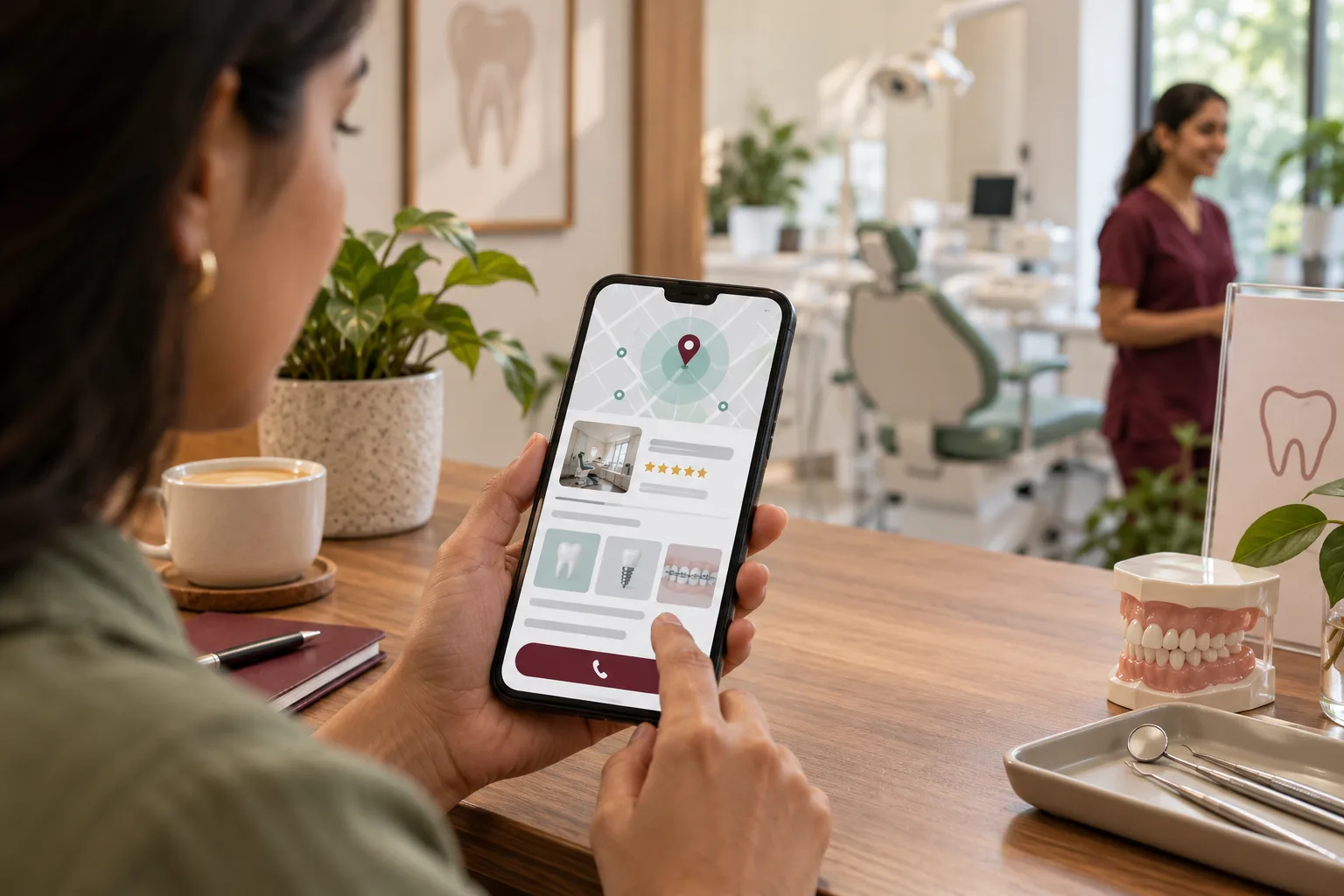 6 min read · 18 Apr 2024How to market a dental clinic locallyA dental clinic is chosen within a few kilometres, after a search. The map result, the reviews and the treatment page decide whether the call happens.
 8 min read · 21 Sept 2026How to advertise to hospital administratorsThe administrator scopes the purchase, the head of department asks for it and the trust signs it. Three quotations are compulsory, so your job is to be one of the three and to write the specification.
More for dermatology clinics
Everything else we would do for you.
Closest to this: leads and follow-up
Also for dermatology clinics
Or start from the overview: sales and marketing for dermatology clinics.
Your next practical step
Tell us what you are trying to grow, and we will read it before we call.
Eight short steps, mostly taps. Skip anything you would rather answer on the call.