Water and fire damage restoration companies · Social media
Post for the plumbers and the property managers, not for homeowners.
Social media for a restoration company reaches the people who hand out your name: plumbers, agents, property managers and technicians deciding where to work next. GullySales posts the work as it happens, keeps homeowner permission on every photograph, and gets storm messages to the people who need them.
Scope, fee, reporting and term are agreed in writing after we have read your brief and spoken to you.
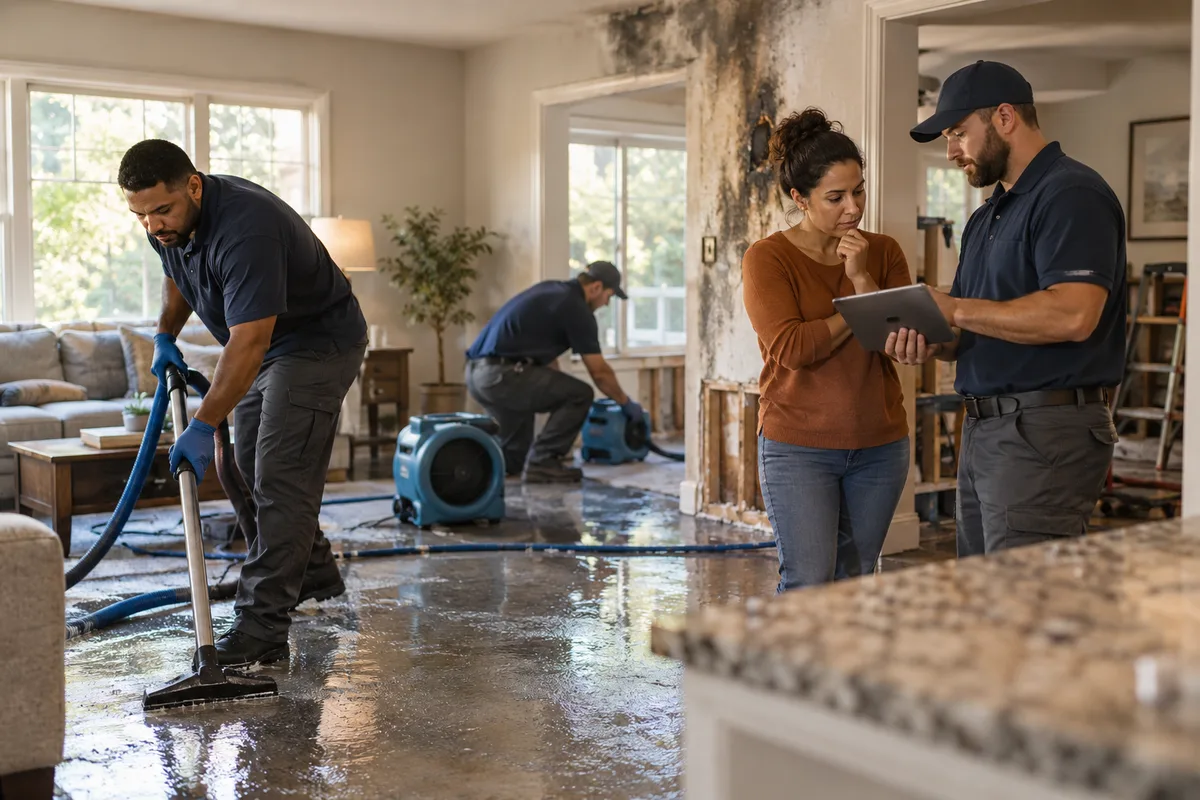
What social media means
Social media is the ongoing posting your business does on platforms such as Instagram, Facebook and LinkedIn to stay visible to customers and prospects between purchases. GullySales plans a posting calendar, writes captions and designs the images so the page looks active and answers what a visitor would ask.
Also for water and fire damage restoration companies
- Content marketing for water and fire damage restoration companies
- SEO for water and fire damage restoration companies
- PPC ads for water and fire damage restoration companies
- Lead generation for water and fire damage restoration companies
- Digital marketing for water and fire damage restoration companies
- Reputation management for water and fire damage restoration companies
- Local SEO for water and fire damage restoration companies
- Branding and identity for water and fire damage restoration companies
Sales and marketing for water and fire damage restoration companies, the overview.
Last updated 5 Oct 2026.
For water and fire damage restoration companies
Where it usually goes wrong, and what we would do.
“No homeowner follows a restoration company”
Nobody plans for a flood, so there is no audience waiting on your posts. The plumber, the agent and the apartment manager are already scrolling.
“A before and after is the only thing that travels”
A blackened kitchen beside the finished one gets shared by the homeowner, the agent and the board. Ask permission before the first photograph.
“A storm week is when the page earns its keep”
Property managers watch local pages during a freeze. A post naming the counties your crews are covering today gets answered within the hour.
What we do
What we deliver for water and fire damage restoration companies.
Every deliverable, what it covers for you, and the result it is there to produce. Nothing here is an extra.
Before and after sets captured on the job
A photograph routine your crew has time for, taken at the loss, mid-job and at final walkthrough, with the homeowner's permission on file.
Result: The page fills itself from work you are doing anyway.
Posts aimed at the trades who find the loss
Content written for plumbers, roofers and agents, naming what you take off their hands and what you hand straight back to them.
Result: The trade that finds the water remembers you.
A storm week posting routine
Short updates naming which counties have crews out and what a property manager should photograph before you arrive, published while the weather is on.
Result: Managers message you instead of searching.
Hiring posts carrying the detail a tech asks for
On-call rotas, the certifications you pay for, the equipment they would run, and how fast an application gets a phone call.
Result: Applicants come from people who saw the work.
Messages routed to a dispatcher, not an inbox
Direct messages checked on the same schedule as the phone, with anything urgent pushed straight to whoever is dispatching that shift.
Result: A flood reported by message reaches a truck.
Reporting on jobs and applicants, not likes
Direct messages, profile clicks and applications matched to jobs booked and technicians hired, measured from the baseline recorded before work began.
Result: The page is judged on what it sent you.
How the result is measured
- Posts published
- Engagement rate
- Enquiries from social profiles
Recorded as a baseline before work starts, so every later report has an honest comparison.
Platform for this buyer
Where the people who send you work look, and what a restoration company should post.
- LinkedIn for property managers and facility heads
- Post one job: what was found, the drying or cleaning method and how you recorded the loss, with the property unnamed. A facility head picks a firm to call before the next loss.
- Facebook neighbourhood and community groups
- Post a short note on what to do in the first hours after a pipe bursts, with your contact. Answer a flood or fire thread with a plain reply, not an advert.
- Instagram and YouTube for process video
- Show moisture readings, drying equipment in place and a cleaned room, labelling each step. Homeowners and insurers' representatives look for proof of method.
- Google Business Profile posts
- Post the services, the areas covered, the hours at which a call is answered and photographs of your equipment. Someone with water in the house searches the map.
- What not to post
- Do not post a damaged home, a family's belongings or a neighbour's loss. Remove names, numbers and house features. Do not post during an active disaster with any promise of response.
Who it is for
This is written for these water and fire damage restoration companies.
- Water mitigation companies working residential losses
- Fire and smoke damage restoration companies
- Mould remediation specialists
- Contents cleaning and pack-out operations
- Restoration companies holding a general contractor licence for the rebuild
- Independents competing with national franchises
- Franchise owners who need local work beyond the brand's leads
- Commercial large-loss and multi-family restoration teams
- Biohazard and trauma scene cleaning companies
How it works
From your first message to the first report.
No open-ended retainer. Every step gives you something in writing.
First
Your brief
You tell us what you need in a few short steps: your business, what you want, where enquiries come from and how they are handled.
After the brief
A conversation and a written scope
We read it, then talk with whoever handles your enquiries. If you want our help, the scope, the fee and the reporting come in writing, and nothing starts before you have read them.
Before work starts
Baseline recorded
The numbers this work is meant to move, such as enquiries, quotations, orders, visits or renewals, written down so every later report has an honest comparison.
After the baseline
The first fix goes live
The fix we agreed to start with is put in place and measured against the baseline, whether that is a reply, a follow-up, a page, a listing or the handover between marketing and sales.
As agreed
Report against the baseline
What moved, what did not, and what changes next, in plain words. How often you get it is set in writing before work starts.
At renewal
Renew on the numbers
The term ends and you decide whether to continue from the results. The length is agreed in writing before anything starts.
How the social media work runs
- 1
Understand your audience and platforms
We identify which platforms your specific buyers actually use and what kind of content they respond to.
- 2
Audit current presence
We review existing pages, past content performance and any gaps in consistency.
- 3
Build the content calendar
A plan is created, balancing genuine value with occasional direct offers.
- 4
Implement and post
Content is created and published consistently on the agreed schedule.
- 5
Measure and optimise
We track enquiries alongside engagement and adjust the content mix based on what actually performs.
Why us
Why owners pick GullySales over an agency.
Marketing and sales, as one job
Most agencies stop at the enquiry. We also fix what happens after it: the reply, the follow-up, the quote and the CRM.
The person on the first call does the work
No account managers in between. You are never handed to someone you have not met.
A baseline before anything starts
Your numbers are written down on day one, so every later report compares against something honest.
The fee in writing, split three ways
Our time, your media spend and production on separate lines. You always see what goes to us.
No guarantees we cannot keep
The term is agreed in writing and never a default twelve months. We never promise a ranking or a lead count, because nobody controls those.
Hours that fit your day, agreed up front
Which hours we overlap with yours is settled before any work starts, so you know when a reply is coming and when it is not.
#257, 3rd floor, Sri Nanjundeshwara Complex, Nagarbhavi 8th Block, Outer Ring Road. How we work.
Your brief
Tell us what you need, and we will read it before we call.
Eight short steps about your business, what you want and who decides. Most questions are a tap, and you can skip any you would rather answer on the call.
FAQ
Questions owners ask before they call.
Not here? More answers, or ask on WhatsApp.
Can we post photographs of somebody's damaged house?
Which platform is worth the effort?
Should we post about a major local flood while it is happening?
Can technicians post their own job photographs?
How much does it cost?
How long is the contract?
How soon will we see results?
Who will actually do the work?
What do you need from us?
What if we are not happy with the work?
More for water and fire damage restoration companies
Everything else we would do for you.
Closest to this: content and social
Also for water and fire damage restoration companies
- SEO for water and fire damage restoration companies
- PPC ads for water and fire damage restoration companies
- Lead generation for water and fire damage restoration companies
- Digital marketing for water and fire damage restoration companies
- Reputation management for water and fire damage restoration companies
- Local SEO for water and fire damage restoration companies
Or start from the overview: sales and marketing for water and fire damage restoration companies.
Your next practical step
Tell us what you are trying to grow, and we will read it before we call.
Eight short steps, mostly taps. Skip anything you would rather answer on the call.