Tree service companies · Reputation management
The review is about the ruts in the lawn, not about the tree.
Reputation management for a tree service is what a homeowner writes once the chipper has left, and what gets said in a neighbourhood thread you cannot answer as a business. GullySales builds the review ask into the final walk-through and prepares replies to the complaints this trade always gets.
Scope, fee, reporting and term are agreed in writing after we have read your brief and spoken to you.
What reputation management means
Reputation management is watching what is said about your business across Google, social media and review sites, and responding to it before it changes a buyer's mind. GullySales monitors mentions, drafts responses to negative reviews and flags recurring complaints back to your team.
Also for tree service companies
- SEO for tree service companies
- PPC ads for tree service companies
- Lead generation for tree service companies
- Digital marketing for tree service companies
- Local SEO for tree service companies
- Branding and identity for tree service companies
- Social media for tree service companies
- Content marketing for tree service companies
Sales and marketing for tree service companies, the overview.
Last updated 14 Nov 2026.
For tree service companies
Where it usually goes wrong, and what we would do.
“Nobody reviews the cut, they review the clean-up”
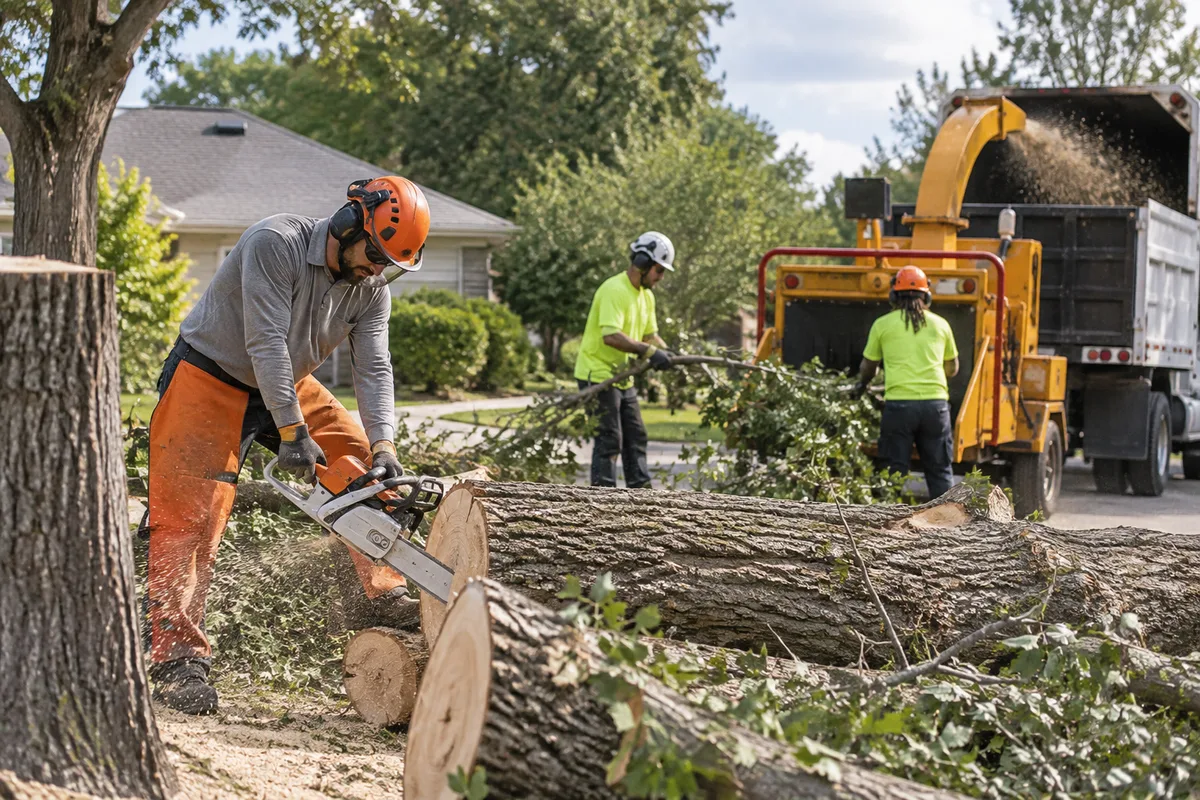
Sawdust in the flower beds, a rut from the bucket truck and a gate left open are what a homeowner remembers, because nobody can judge the rigging.
“A neighbourhood thread is a review you cannot reply to”
Somebody asks who to call about a leaning pine, another names your crew, and a third brings up a cracked driveway from two years ago.
“Storm work brings one stars from people who never hired you”
A homeowner told there is a four-day wait, or quoted a price they did not like, leaves a review about a job you did not do.
What we do
What we deliver for tree service companies.
The work available for this need. We agree the deliverables and responsibilities for your engagement in writing.
The review ask made at the final walk-through
The foreman walks the yard with the homeowner while the blower is still running, and the office sends the link the same afternoon.
Result: Reviews come from the jobs that went well.
Lawn and property protection written into the estimate
Plywood on the drive, where the truck parks and what happens if a rut is left, all settled before the crew arrives rather than argued about after.
Result: The complaint behind most one stars stops happening.
Wording ready for the four complaints this trade gets
Answers drafted in advance for lawn damage, a storm-week wait, a price set against a cheaper bid, and a stump ground shallower than expected.
Result: The answer goes up the same week, in your words.
Neighbourhood groups watched, and answered as a person
Alerts on the local groups in your towns, with wording for the owner and a standing ask to happy customers to answer recommendation posts.
Result: Your name turns up where neighbours are deciding.
Every profile a homeowner checks kept matching
The same hours, service area, insurance statement and photographs across the map listing, the review sites and the directories you are already on.
Result: Somebody comparing profiles finds one company, not three.
What each complaint was really about, recorded
New reviews, the rating and the job behind each one, read against the baseline so the pattern reaches the crew rather than the office wall.
Result: A repeated clean-up problem gets fixed on the truck.
How the result is measured
- Average rating
- Response time to reviews
- Negative mentions resolved
Recorded as a baseline before work starts, so every later report has an honest comparison.
What to do with each review
How to answer each kind of review a tree service gets.
- Praise after the job
- Thank the homeowner and name the job, such as a removal or a crown reduction. Ask for a photograph of the cleared yard and post it only with permission.
- Lawn, fence or roof damage
- Apologise and offer to inspect. Check that the estimate listed how the lawn and fence are protected, and that your crew photographed the property before the work began.
- Debris or wood chips left
- Reply that the clean-up is part of the job, and send someone back. Check that the foreman walks the site with the owner before the crew leaves.
- Neighbour complaining about noise or the road
- Reply in the group as a person, and ask them to call. Check that you told the neighbours the day and that parking and road use were arranged before work.
- A cheaper uninsured quote
- Reply with what your price includes: insurance, trained climbers and clean-up. Check that every estimate shows your insurance cover, so the owner compares like with like.
- Stump or extra work not done
- Say what the estimate included. Stump grinding can be a separate line. Check that the estimate says, in plain words, what is left behind when the tree comes down.
Who it is for
This is written for these tree service companies.
- Residential removal and pruning companies running one or two crews
- Climbing and crane removal specialists
- Stump grinding operations
- Plant health care and consulting arborist practices
- Storm response and emergency tree companies
- Land clearing contractors working for builders
- Utility line clearance contractors
- Tree divisions inside a landscape maintenance firm
- Companies bidding municipal and commercial contracts
Before you decide
When this may not be the right fit.
- A recent job left ruts or damage you have not put right, and a review request now would collect the complaint in public.
- Nobody can reply to a one-star review in a calm voice, so the first complaint would stand unanswered.
- You plan to trade work or discounts for reviews, which may break the platform's rules, so check the platform's current rules first.
Before you decide
Agree the work. Know how to judge it.
Reputation management for tree service companies: use these checks to prepare, choose the scope, and review what changes.
Bring the right evidence
Collect recurring public feedback and the internal record of how the issue was handled. Separate factual corrections from genuine complaints that need a response.
Make the scope clear
Agree who checks facts, approves replies, and resolves problems outside marketing. Any request for reviews or testimonials must fit the trade's rules and the customer's permission.
Check the work in use
Read the response from the customer's point of view. It should address the issue without exposing private information or promising an outcome the team cannot provide.
Know when to change course
Do not buy or invent reviews. If the same complaint keeps returning, resolve its cause before publishing more positive material.
These are discussion points, not a fixed package. GullySales confirms the deliverables, responsibilities, fee, and term in writing after reading your brief and speaking with you.
Before we start
What to have ready before the work starts.
The records, access and decisions this work needs from tree service companies. Anything missing is noted in the written scope, with who will supply it.
- Existing reviews from every site
- Links or screenshots of reviews on the map listing, directories and social pages, good and bad. We need the real picture to see which complaints repeat. If you are unsure where reviews sit, we search for them, but a missed site can hold a complaint nobody has answered.
- Your current estimate template
- The document you hand over now, in any state. The lawn protection lines have to sit inside it, so we need to see what it says about clean-up and ground damage. Without it we draft a new template, and your estimator has to learn it from scratch.
- Names of people who may reply
- Who is allowed to answer a review or a thread: the owner, the office manager, a crew lead. Replies from several voices look chaotic. If no one is named, answers stop being written the moment a storm keeps the owner busy.
- Photographs of properly cleared sites
- Pictures of finished jobs where the lawn is clean and the cut is neat, with the customer's permission. They back up a reply to a complaint without argument. Where permission is missing we keep the picture private and use it only to brief the crews.
- Your handling of a damage claim
- What happens today when a customer says a fence or a gutter was damaged: who is told, who inspects and how the insurer is brought in. Replies must match it. If no routine exists, we write one with you before we write any public answer.
How it works
How the reputation management work runs
The work itself, in order. How an engagement starts, from your brief to a written scope, is set out on our method page.
- 1
Walk the lawn with the crew lead
At a finished job we walk the lawn and the drive with the crew lead and note what a homeowner would judge: ruts, stray chips, a fence post nudged, a flowerbed trampled. The walk shows what the review will really be about. You decide who signs off the site before the truck leaves.
- 2
Write lawn protection into the estimate
Ground mats, how the stump is left and who clears the chips become lines in the estimate. A homeowner who read them beforehand has no surprise to post about. You approve every line, since each one is a promise your crews must keep.
- 3
Draft replies to the four usual complaints
We write answers for a lawn left rutted, a cut that went beyond the quote, a late arrival and a neighbour's damaged fence. Each reply states what you will look into and invites a call. You edit them so they sound like the person who will sign them.
- 4
Set up the watch on neighbourhood groups
We list the town groups where homeowners ask for tree recommendations and set a routine for noticing a thread that names you. You decide who answers and in what voice. Replies come from a person with a name, not from a brand account that sounds defensive.
- 5
Match every profile a homeowner checks
The map listing, directory pages and social profiles are compared for name, phone number, hours and insurance wording. Mismatches get corrected in the order a homeowner would meet them. Old pages for a former name are claimed or flagged.
- 6
Log what each complaint was really about
Every complaint and every low rating goes into a record with the true cause beside it: the cut, the clean-up, the price or the arrival. We read the record against the counts taken before the work and tell you which problem sits behind the bulk of the lost goodwill.
Where this fits
Three pieces of sales work, in this order.
This work sits inside sales management. A target, a review routine and someone who owns the number.
Step 1
Sales audit
Find where deals are being lost and what to fix first.
Start here if you cannot say where orders are lost.
Step 2
Sales process design
One written way to sell, from first enquiry to repeat order.
Start here if every salesperson sells differently.
Step 3 · you are here
Sales management
A target, a review routine and someone who owns the number.
Start here if the team has targets and no routine.
FAQ
Questions owners ask before they call.
Not here? More answers, or ask on WhatsApp.
Somebody left one star because we could not get there after a storm. Can it be removed?
Do we send a review request after every job?
A neighbour who is not our customer posted about damage to a shared fence. What do we do?
A customer says we cut more than we agreed. How do we answer?
Should the estimator or the owner answer a bad review?
How much does it cost?
How long is the contract?
How soon will we see results?
What do you need from us?
What if we are not happy with the work?
More for tree service companies
Related work to consider.
Or start from the overview: sales and marketing for tree service companies.
Your next practical step
Tell us what you are trying to grow, and we will read it before we call.
Eight short steps, mostly taps. Skip anything you would rather answer on the call.