Tree service companies · Social media
A crane pick is worth watching, but only the next town books it.
Social media for a tree service is the removal footage your crews already film and the neighbourhood threads where homeowners ask who to call. GullySales sets a filming routine for the crew, holds the paid reach inside your towns, and answers the recommendation posts properly.
Scope, fee, reporting and term are agreed in writing after we have read your brief and spoken to you.
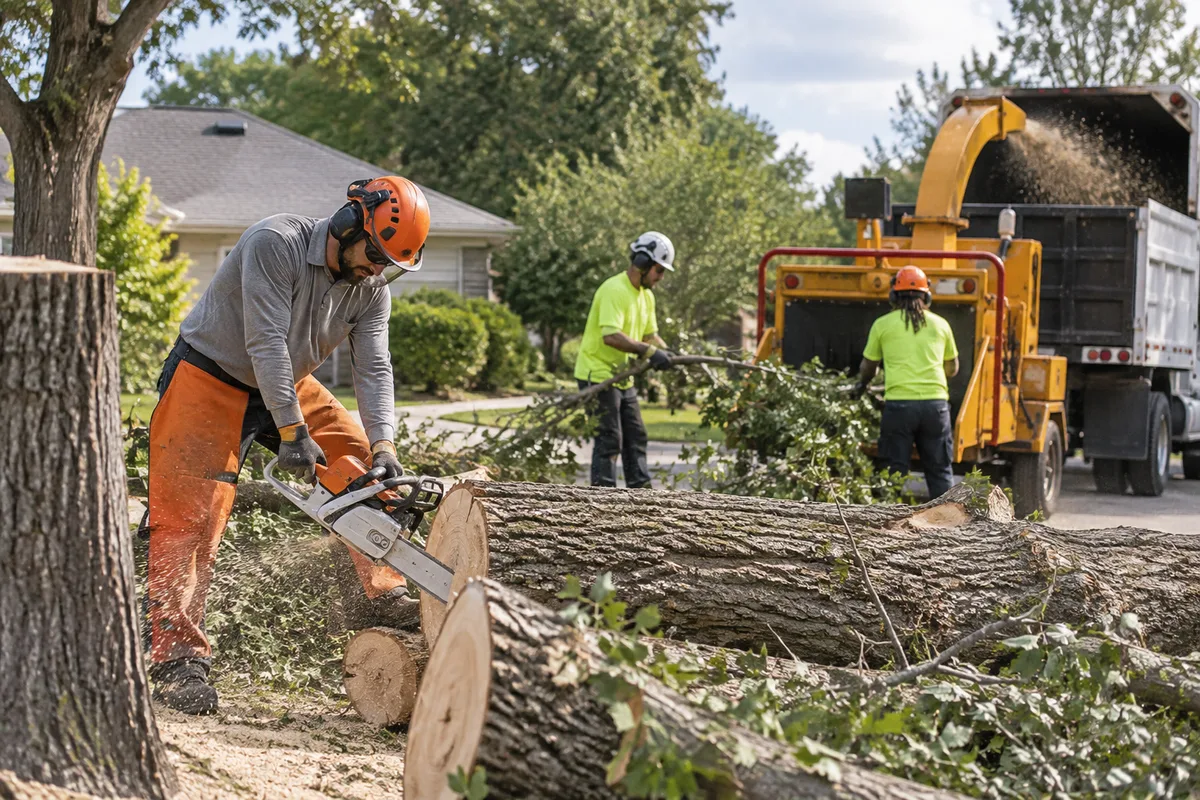
What social media means
Social media is the ongoing posting your business does on platforms such as Instagram, Facebook and LinkedIn to stay visible to customers and prospects between purchases. GullySales plans a posting calendar, writes captions and designs the images so the page looks active and answers what a visitor would ask.
Also for tree service companies
- Content marketing for tree service companies
- SEO for tree service companies
- PPC ads for tree service companies
- Lead generation for tree service companies
- Digital marketing for tree service companies
- Reputation management for tree service companies
- Local SEO for tree service companies
- Branding and identity for tree service companies
Sales and marketing for tree service companies, the overview.
Last updated 14 Nov 2026.
For tree service companies
Where it usually goes wrong, and what we would do.
“Views from three states away book nothing”
Tree work travels well on video and a big removal reaches strangers everywhere, which flatters the page and fills none of the calendar.
“The recommendation thread is the real channel”
Somebody in a town group asks who to call about a leaning pine most weeks, and a reply from a past customer beats anything you post yourself.
“Before and after is the whole format”
One picture of the limb over the roof and one of the cleared lawn does more than any written post, and costs a foreman ninety seconds.
What we do
What we deliver for tree service companies.
The work available for this need. We agree the deliverables and responsibilities for your engagement in writing.
A filming rule the crews can follow
One before shot, one pick and one after shot per job, with a fixed place to send them and one person in the office who cuts them down.
Result: The work films itself without slowing the crew.
Paid reach held inside your service area
Boosts and adverts limited to the towns you drive to, instead of whatever the platform suggests once a removal video starts doing well.
Result: You stop buying views from people who will never call.
A routine for recommendation threads
Alerts on the local groups in your towns, wording for the owner, and a standing ask to happy customers to answer those posts when they see them.
Result: Your name appears where the neighbours are deciding.
Storm-week posts prepared in advance
What to do about a hanging limb, what never to touch near a line and how to reach you, written before the season and posted the morning after.
Result: You are useful in the hour everyone is looking.
Job posts tied to the town they happened in
Each post naming the town and the species, so the page reads as work done nearby rather than a highlight reel from anywhere.
Result: A neighbour recognises the street in the picture.
A count of enquiries, not likes
Messages, calls and form enquiries traced back to posts and boosted content, read against the baseline taken before the work started.
Result: You learn whether the video brought a single estimate.
How the result is measured
- Posts published
- Engagement rate
- Enquiries from social profiles
Recorded as a baseline before work starts, so every later report has an honest comparison.
Platform for this buyer
Where homeowners look, and what a tree service posts on each platform.
- Facebook groups and WhatsApp groups of the locality
- Reply to 'who removes a tree' with the town, a job photo and a line on how you quote. Follow the group's rules on promotion. The action is a call to book a site visit.
- Instagram reels or YouTube Shorts of a job
- Film the climb and the cut with the harness, rope and drop zone shown. The action is to message a photograph of the tree, with the location pin.
- Google Business Profile
- Post the town and a job photograph, and list pruning, removal and stump grinding as services you do. The action is call or directions.
- WhatsApp status in storm and rain weeks
- Post that you are clearing fallen trees in named areas, with a number for a location pin. The action is to send the pin, and your team confirms the visit.
- Posts on permission
- Explain that some cities need permission from the local tree or forest authority before felling, and that you assist with the application. Say rules differ by city and state.
- What not to post
- A tree dropping on a house, a climber without protective gear, a neighbour's property without leave, or the cutting of a protected species.
Who it is for
This is written for these tree service companies.
- Residential removal and pruning companies running one or two crews
- Climbing and crane removal specialists
- Stump grinding operations
- Plant health care and consulting arborist practices
- Storm response and emergency tree companies
- Land clearing contractors working for builders
- Utility line clearance contractors
- Tree divisions inside a landscape maintenance firm
- Companies bidding municipal and commercial contracts
Before you decide
When this may not be the right fit.
- Nobody can film from outside the drop zone, and a clip taken too close shows work done unsafely.
- Customers have not agreed to their house or yard appearing, and neighbours would recognise it.
- Nobody will answer comments, so a neighbour's complaint would stand unanswered in public.
Before you decide
Agree the work. Know how to judge it.
Social media for tree service companies: use these checks to prepare, choose the scope, and review what changes.
Bring the right evidence
Review the posts that produced useful conversations, not only the ones with the most views. Gather buyer questions and decide which team member can contribute credible material.
Make the scope clear
Choose the audience and channel before setting a posting volume. Agree who supplies material, approves posts, and handles messages, including complaints or questions the agency cannot answer.
Check the work in use
Follow a post through to the profile, website, and response. A useful report explains the quality of conversations and enquiries, alongside reach and engagement.
Know when to change course
If publishing takes time away from unanswered buyer messages, fix the response routine first. Do not expand to another channel without a clear reason for being there.
These are discussion points, not a fixed package. GullySales confirms the deliverables, responsibilities, fee, and term in writing after reading your brief and speaking with you.
Before we start
What to have ready before the work starts.
The records, access and decisions this work needs from tree service companies. Anything missing is noted in the written scope, with who will supply it.
- Admin rights to the business pages
- Owner-level access to your Facebook page and any other business accounts, not a personal login. We cannot schedule or reply without it. If the page was created by a former employee, getting ownership back comes before everything else in the plan.
- Phones the crews will film with
- A phone with a working camera for each crew lead, plus a place to send the clips. Quality from a recent phone is good enough. Where phones are not allowed on site, we plan a single photo walk per job from the ground instead. Tell us if the crews already share clips in a group chat, since those clips are the cheapest stock to start from.
- Wording for customer permission
- A line in the estimate or the final invoice saying a photograph of the job may be shown. Without it we post only trees and cleared ground, never a house or a person. You approve the wording, and your own adviser may want to read it.
- The towns you cover, listed
- A short list of towns and neighbourhoods you serve. It sets the area for paid reach and the groups we watch. When it is missing, a post can travel beyond your range and bring enquiries you must refuse.
How it works
How the social media work runs
The work itself, in order. How an engagement starts, from your brief to a written scope, is set out on our method page.
- 1
Read the recommendation threads first
Before planning a post, we read the town groups where people ask who to call about a tree, and note which names come up and why. You tell us which threads you already watch. This tells us which platform the real conversation is on, so we do not start with the wrong one. We also note the tone of the best-answered recommendations, such as a calm explanation of why a tree had to come down, because the same voice will suit your own replies.
- 2
Set a filming rule for the climbers
The crew lead agrees a simple rule for what is filmed: the tree standing, the cut under way and the cleared site, kept short and filmed from the ground. Safety comes first, so nobody films while rigging. You decide which jobs are never filmed, such as homes where the customer asked for privacy.
- 3
Prepare storm posts before the season
We write the posts for the weeks when branches come down: what to do with a limb on the roof, who to call, what you cannot reach. They sit ready and are scheduled by you. Having them done means the office is not writing while the phone rings.
- 4
Fix the area for any paid reach
If a post is boosted, it is limited to the towns you drive to, so a video does not reach people three states away. We set the area from the map made earlier. You decide whether anything is boosted at all.
- 5
Count enquiries that name a post or thread
The office asks every caller how they heard and writes the answer down. After a period of posting we compare these answers with the counts taken at the start. Views and likes are set aside, and you see which posts and threads produced estimates.
Where this fits
Three pieces of sales work, in this order.
This work sits inside sales process design, at stage 0, foundation. The audit comes before it, and sales management keeps it running.
Step 1
Sales audit
Find where deals are being lost and what to fix first.
Start here if you cannot say where orders are lost.
Step 2 · you are here
Sales process design
One written way to sell, from first enquiry to repeat order.
Start here if every salesperson sells differently.
Step 3
Sales management
A target, a review routine and someone who owns the number.
Start here if the team has targets and no routine.
FAQ
Questions owners ask before they call.
Not here? More answers, or ask on WhatsApp.
One removal video got a hundred thousand views and no calls. Why?
How many accounts should a two-crew company keep going?
Should we post a job where permission was pending or unclear?
A neighbour comments that our crew damaged their wall. How do we reply?
Who films the jobs, the crew or GullySales?
Should climbers appear in the videos?
How much does it cost?
How long is the contract?
How soon will we see results?
Who will actually do the work?
More for tree service companies
Related work to consider.
Closest to this: content and social
Also for tree service companies
Or start from the overview: sales and marketing for tree service companies.
Your next practical step
Tell us what you are trying to grow, and we will read it before we call.
Eight short steps, mostly taps. Skip anything you would rather answer on the call.