Farm stays · Lead generation
Fill the weekend calendar with families who already know what the farm offers.
Lead generation for a farm stay is the steady supply of enquiries from families, schools and company teams who have read what the farm does and still want to come. GullySales works on where those enquiries start, what the farm shows them, and how each one is recorded.
Scope, fee, reporting and term are agreed in writing after we have read your brief and spoken to you.
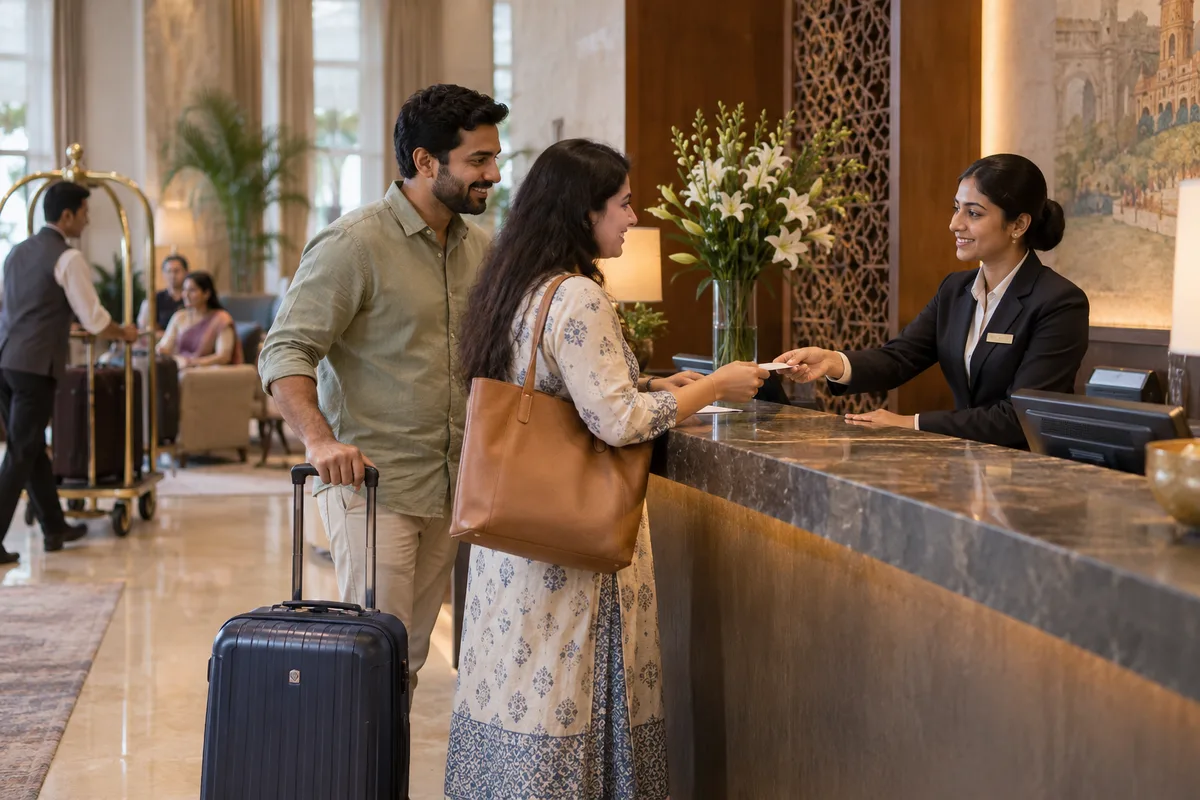
What lead generation means
Lead generation is the combined work of every channel that brings in a new enquiry, whether from search, adverts, referrals or a stall at an exhibition. GullySales runs these channels together and reports the number of enquiries each one produced, not the activity behind it.
Last updated 18 Oct 2026.
For farm stays
Where it usually goes wrong, and what we would do.
“The enquiry that never reaches a booking”
A family sends a message asking if the farm is free on Saturday. The host is in the orchard, replies late, and the family has already paid an advance elsewhere. The lead was real; the gap was the reply.
“Three buyers who ask three different questions”
The parent asks about wells and toddlers. The school coordinator asks for a per-head rate and a bus route. The HR admin asks for an invoice. One enquiry form for all three loses two of them.
“Leads arrive in the season the farm is busiest”
Fruit is ripe, the children are on holiday and the family is in the field. Enquiries stack up in a phone that nobody is holding, so the busiest month is also the leakiest.
“A viewer on a reel is not yet a lead”
A video of a child on a tractor collects likes from people two states away. Only the viewer who asks about dates and rates is a lead, and the farm needs a way to tell the two apart.
What we do
What we deliver for farm stays.
Every deliverable, what it covers for you, and the result it is there to produce. Nothing here is an extra.
Three enquiry routes, one for each buyer
A family route, a school route and a company route, each asking only what that buyer needs to decide.
Result: Each enquiry arrives labelled with who sent it and what they want.
A source recorded on every enquiry
Google, Instagram, a school letter, a friend's recommendation or a trekking group, written down when the enquiry comes in.
Result: You can read which source brought the families who booked.
A dates-open page families can check
The weekends and harvest days that are free, kept current so nobody asks for a day already taken.
Result: The enquiry names a date the farm can actually host.
Outreach to schools and offices near the city
A day plan and a rate sent to activity teachers and HR coordinators within driving distance of the farm.
Result: Teachers and HR staff hold a plan they can forward for approval.
A reply sheet for the first message
Saved answers on rate, timings, food and safety, ready for whoever is covering the phone.
Result: The first message gets a full answer, not a request to call back.
How the result is measured
- Enquiries generated
- Cost per enquiry
- Enquiries by source
Recorded as a baseline before work starts, so every later report has an honest comparison.
Who it is for
This is written for these farm stays.
- Mango, coconut and orchard farms
- Dairy and cattle farms with milking
- Vineyard and winery stays
- Coffee, tea and spice plantations
- Paddy and vegetable farms near cities
- Goat, poultry and fish farms open to visitors
- Farmhouses with kitchen gardens
- Agri-tourism clusters run by a farmer group
How it works
How the lead generation work runs
The work itself, in order. How an engagement starts, from your brief to a written scope, is set out on our method page.
- 1
Understand your capacity
We agree how many enquiries your sales team can actually handle well, so the system is not built to overwhelm it.
- 2
Audit current sources
We check what already brings in enquiries today, even informally, before adding anything new.
- 3
Strategise the channel mix
Content, search and paid channels are chosen based on where your buyers already look.
- 4
Implement capture and follow-up
Pages, forms and a follow-up process are built and connected end to end.
- 5
Measure and optimise
We track enquiry volume and quality and adjust the channel mix to match.
Where this fits
Three pieces of sales work, in this order.
This work sits inside sales process design, at stage 1, prospecting and lead generation. The audit comes before it, and sales management keeps it running.
Step 1
Sales audit
Find where deals are being lost and what to fix first.
Start here if you cannot say where orders are lost.
Step 2 · you are here
Sales process design
One written way to sell, from first enquiry to repeat order.
Start here if every salesperson sells differently.
Step 3
Sales management
A target, a review routine and someone who owns the number.
Start here if the team has targets and no routine.
FAQ
Questions owners ask before they call.
Not here? More answers, or ask on WhatsApp.
Do I need paid ads to get leads for a farm stay?
How do I tell a real lead from a curious viewer?
How much does it cost?
How long is the contract?
How soon will we see results?
Who will actually do the work?
What do you need from us?
What if we are not happy with the work?
More for farm stays
Everything else we would do for you.
Closest to this: leads and follow-up
Also for farm stays
Or start from the overview: sales and marketing for farm stays.
Your next practical step
Tell us what you are trying to grow, and we will read it before we call.
Eight short steps, mostly taps. Skip anything you would rather answer on the call.