Lodges · Lead generation
A lodge needs a steady stream of enquiries from people who need a bed tonight.
Lead generation for a lodge means getting a traveller, a pilgrim group or a visiting trader to call, message or walk in before choosing the next lodge on the street. GullySales works on the places those people look, the number they ring and the record of where each enquiry came from.
Scope, fee, reporting and term are agreed in writing after we have read your brief and spoken to you.
What lead generation means
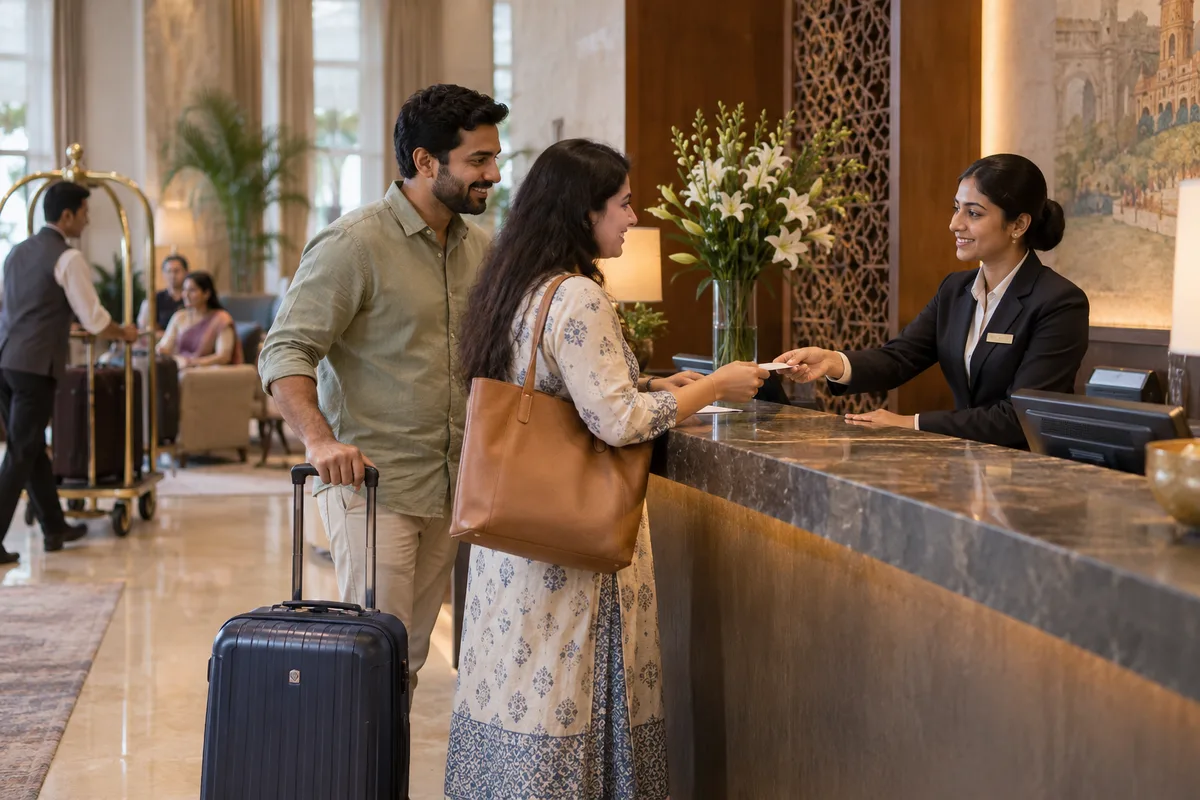
Lead generation is the combined work of every channel that brings in a new enquiry, whether from search, adverts, referrals or a stall at an exhibition. GullySales runs these channels together and reports the number of enquiries each one produced, not the activity behind it.
Last updated 18 Oct 2026.
For lodges
Where it usually goes wrong, and what we would do.
“The enquiry arrives from three directions at once”
A guest may find the lodge on Google Maps, hear the name from an auto driver or be sent by a temple office. Each route needs its own small effort, and the counter register should note which one brought the guest.
“Group leads sit with a few people”
A bus operator, a bhajan mandali organiser or a trust clerk decides where twenty people sleep. These contacts are few and known by name, so a list of them is worth more than a wide advertisement.
“Night arrivals do not wait for a callback”
The traveller who steps off a bus at ten at night calls three lodges in a row. A missed call is a lead handed to the next lodge, so lead work includes who picks up the phone after dark.
“Off-season leads are different people”
Between festivals the rooms is filled by traders, hospital attendants and court visitors. They stay several nights, ask for a bill and return, so the lead source changes with the calendar.
What we do
What we deliver for lodges.
Every deliverable, what it covers for you, and the result it is there to produce. Nothing here is an extra.
A list of the people who send guests
Bus operators, temple offices, drivers, travel desks and regular traders, each with a name and a number, built from your own counter knowledge and local research.
Result: A written list the owner can read through and add to.
A source column in the counter register
One extra column that records how the guest found the lodge: Maps, driver, trust, returning or walk-in.
Result: After a few weeks of entries, you can see which route fills rooms.
Google profile set up to produce calls
Call button, WhatsApp number, photos and rate in place so a search turns into a ring rather than a glance.
Result: The profile shows a number that the night staff actually answer.
A group enquiry sheet
One page with room counts, rates, parking and food options, sent to operators and trusts when they ask.
Result: An operator can quote your lodge to a group without calling twice.
A short outreach message for operators
A plain message introducing the lodge, the rooms and a contact person, sent on WhatsApp to the list.
Result: Each operator on the list has received one message and a named person to call.
How the result is measured
- Enquiries generated
- Cost per enquiry
- Enquiries by source
Recorded as a baseline before work starts, so every later report has an honest comparison.
Who it is for
This is written for these lodges.
- Lodges near bus stands and railway stations
- Pilgrim-town lodges near temples and dargahs
- Highway lodges on truck and tourist routes
- Lodges in market towns for traders and business visitors
- Lodges near hospitals and courts
- Lodges in hill and beach towns with seasonal demand
- Lodges that rent dormitory beds beside private rooms
- Family-run lodges with attached restaurants
How it works
How the lead generation work runs
The work itself, in order. How an engagement starts, from your brief to a written scope, is set out on our method page.
- 1
Understand your capacity
We agree how many enquiries your sales team can actually handle well, so the system is not built to overwhelm it.
- 2
Audit current sources
We check what already brings in enquiries today, even informally, before adding anything new.
- 3
Strategise the channel mix
Content, search and paid channels are chosen based on where your buyers already look.
- 4
Implement capture and follow-up
Pages, forms and a follow-up process are built and connected end to end.
- 5
Measure and optimise
We track enquiry volume and quality and adjust the channel mix to match.
Where this fits
Three pieces of sales work, in this order.
This work sits inside sales process design, at stage 1, prospecting and lead generation. The audit comes before it, and sales management keeps it running.
Step 1
Sales audit
Find where deals are being lost and what to fix first.
Start here if you cannot say where orders are lost.
Step 2 · you are here
Sales process design
One written way to sell, from first enquiry to repeat order.
Start here if every salesperson sells differently.
Step 3
Sales management
A target, a review routine and someone who owns the number.
Start here if the team has targets and no routine.
FAQ
Questions owners ask before they call.
Not here? More answers, or ask on WhatsApp.
Where do lodge enquiries come from?
Do we need paid advertising for leads?
How much does it cost?
How long is the contract?
How soon will we see results?
Who will actually do the work?
What do you need from us?
What if we are not happy with the work?
More for lodges
Everything else we would do for you.
Closest to this: leads and follow-up
Also for lodges
Or start from the overview: sales and marketing for lodges.
Your next practical step
Tell us what you are trying to grow, and we will read it before we call.
Eight short steps, mostly taps. Skip anything you would rather answer on the call.