Bars, pubs and microbreweries · Local SEO
Be the venue the map shows when a group types a locality and a night out.
Local SEO for a bar, pub or microbrewery keeps your Google Business Profile, map pin and local pages accurate for people deciding where to go tonight. GullySales fixes the profile, the photographs and the review replies, and writes the venue and not the drink.
Scope, fee, reporting and term are agreed in writing after we have read your brief and spoken to you.
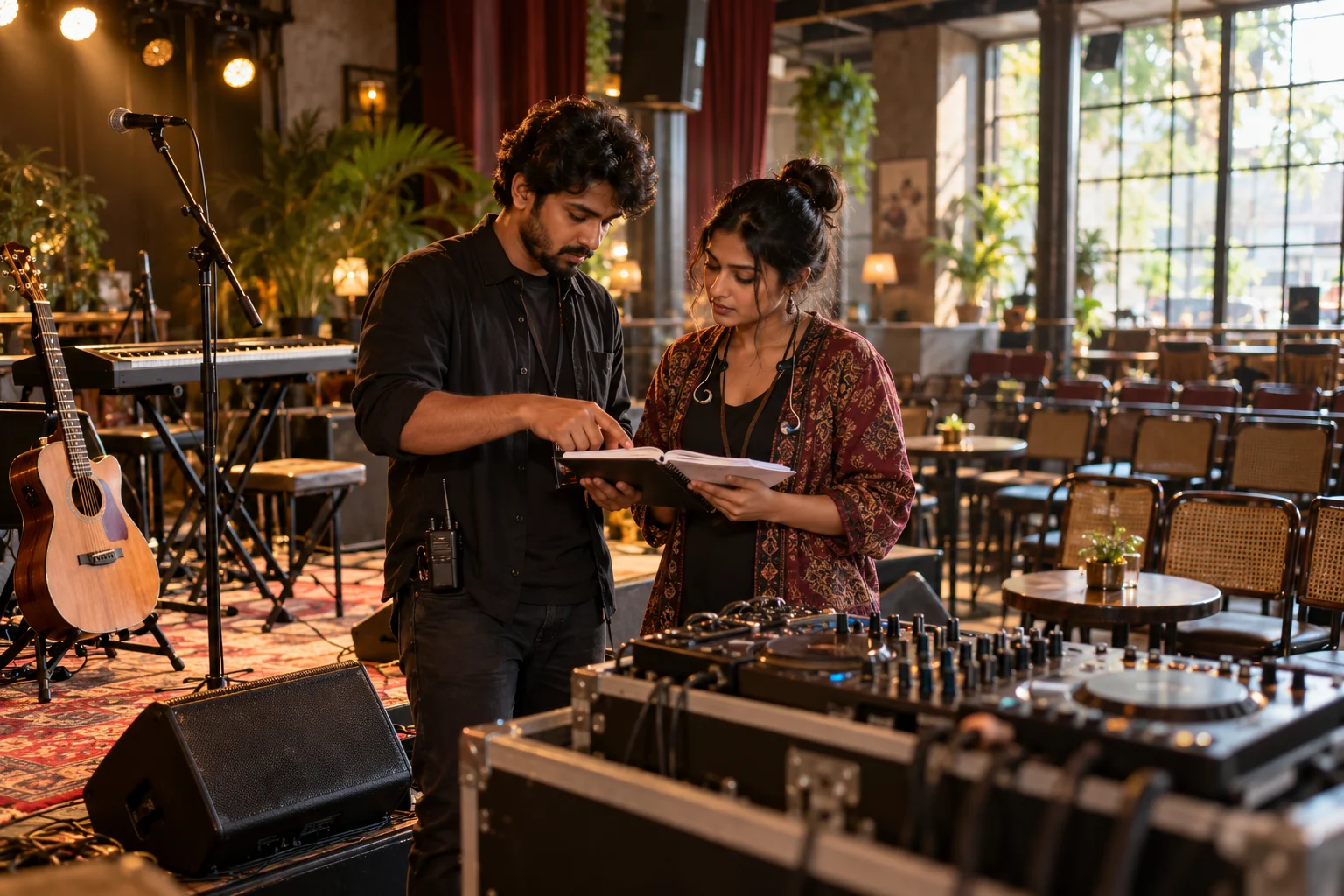
What local SEO means
Local SEO is the work of making your business show up for searches that name your town or locality, such as a service plus an area name. GullySales sets up locality pages, local citations and map listings so nearby customers find you before a competitor across town.
Also for bars, pubs and microbreweries
- SEO for bars, pubs and microbreweries
- Website for bars, pubs and microbreweries
- Lead generation for bars, pubs and microbreweries
- Social media marketing for bars, pubs and microbreweries
- Content marketing for bars, pubs and microbreweries
- Buyer personas for bars, pubs and microbreweries
- CRM for bars, pubs and microbreweries
- Follow-up systems for bars, pubs and microbreweries
Sales and marketing for bars, pubs and microbreweries, the overview.
Last updated 14 Nov 2026.
For bars, pubs and microbreweries
Where it usually goes wrong, and what we would do.
“The map is checked from the car”
A group already on the road opens the map and looks at distance, hours and photographs. A wrong closing time or pin sends them to the next venue.
“Reviews decide for the cautious guest”
A guest reading about the evening looks for comments on service, noise and safety. A calm, specific reply from the owner shows how the venue treats complaints.
“Photographs should show the room”
Pictures of the terrace, the stage, the brewing floor and the tables tell a visitor what to expect. Pictures of bottles and drink offers risk rules that differ by state.
What we do
What we deliver for bars, pubs and microbreweries.
The work available for this need. We agree the deliverables and responsibilities for your engagement in writing.
Business Profile set-up
Name, address, timings, services, booking link and the venue's features entered correctly.
Result: The listing matches the evening on offer.
Pin and arrival directions
A checked pin, parking or valet notes, the entrance and the lift or stairs for access.
Result: Guests find the door on the first try.
Photograph set of the venue
Images of the room, stage, terrace, kitchen and seating, taken in the light guests see.
Result: The profile shows the place honestly.
Review reply guide
Sample replies for praise and complaints, written in a calm, specific tone and approved by the owner.
Result: The venue answers reviews in one voice.
Holiday and event hours
Special hours posted for match days, festivals and dry days that your state observes.
Result: Guests are not turned away by a closed door.
How the result is measured
- Map pack ranking
- Local search visibility
- Enquiries by locality
Recorded as a baseline before work starts, so every later report has an honest comparison.
Searches your buyers type
Local searches for a bar come from the neighbourhood, the office and the match night.
- pubs near me open now
- A Maps profile with correct hours for each day, including late-night and holiday closures. Wrong hours lose a visitor at the door.
- bar near [office park or metro station]
- Name the landmark in the profile description, with a pin at the real entrance. Office-park crowds search by the building.
- brewpub with parking
- List the parking and the valet in the profile, with a photo of the entrance. Visitors by car decide on this.
- pub reviews food
- Reviews that mention food help the listing. Reply to each, including the one about a long wait, and name the fix.
- live music bar [area]
- A profile with events posted for the next nights and the cover or booking rule, so the visitor sees a reason to come.
Who it is for
This is written for these bars, pubs and microbreweries.
- Microbreweries and brewpubs with their own brewing floor
- Sports bars with screens for cricket and football
- Rooftop lounges and terrace bars
- Gastropubs where food carries the evening
- Live music venues and open-mic pubs
- Hotel bars and restaurants with a licensed bar
- Standalone neighbourhood pubs
- Club and lounge venues for private parties
Before you decide
When this may not be the right fit.
- Your premises have no clear entrance or pin yet, so visitors would reach a wrong door.
- The venue does not display its licence, and a listing with a list of drinks risks breaking local rules.
Before you decide
Agree the work. Know how to judge it.
Local SEO for bars, pubs and microbreweries: use these checks to prepare, choose the scope, and review what changes.
Bring the right evidence
Confirm the real business address, service area, contact details, and who controls the business listings. Keep examples of calls that came from the wrong location or asked for a service you do not provide.
Make the scope clear
Choose the locations you actually serve and the information each needs. Agree who approves listing changes, responds to enquiries, and keeps opening hours accurate.
Check the work in use
Check the journey from a local search to a call or enquiry on a phone. The address, service area, and description should agree across your website and listings.
Know when to change course
Do not create an office claim for a place where you only serve customers remotely. Clear service coverage is more useful than a misleading local presence.
These are discussion points, not a fixed package. GullySales confirms the deliverables, responsibilities, fee, and term in writing after reading your brief and speaking with you.
Before we start
What to have ready before the work starts.
The records, access and decisions this work needs from bars, pubs and microbreweries. Anything missing is noted in the written scope, with who will supply it.
- Owner access to the map listing
- Give us the Google account behind the listing, or the way to claim it. Without ownership we cannot fix the pin, hours or photographs, and a previous agency or former manager may still hold control, which we help you recover. Bring the recovery email or the phone number tied to it, as the platform will ask for proof when ownership has to be claimed again.
- The address as the board shows it
- Share a photograph of the outside board and the exact building name, floor and landmark. Local search depends on these matching everywhere. When they differ, the pin, the profile and the website will keep contradicting each other. If a signboard has been changed since the listing was made, say so, and we update the listing to match the sign. Without it, directions fail the evening someone arrives in a cab and cannot find the door.
- A fixed list of holiday hours
- Give the dates when you close early, open late, stay shut for a dry day or run a special night. A short list is enough. Missing it means the profile shows ordinary hours and guests arrive at a locked door. Include the dry days announced for your state, the festival closures and the nights of extended hours, so that guests are not misled. Write them in a plain list we can check against the calendar each time.
- Someone who may reply as the venue
- Name the person whose voice answers reviews, normally the manager or owner. They must be able to read them promptly and decide tone. Without a named person replies stall, and complaints sit unanswered in public. If nobody is free every single evening, name two people, so a post on a Saturday night does not stay unanswered until Monday. They must also be allowed to speak for the venue to a guest, so the reply is final and not passed up the chain for a week.
- Permission from staff in photographs
- Tell your team that the shoot is happening and ask anyone who does not wish to appear to stay out of frame. The profile photographs then show the room and not an unwilling face. If permission is unclear, we crop or reshoot. A short consent note on the staff group chat is enough, and we respect anyone who asks to be removed from a picture.
How it works
How the local SEO work runs
The work itself, in order. How an engagement starts, from your brief to a written scope, is set out on our method page.
- 1
Stand outside and find the entrance
We begin at the pavement, using the map on a phone the way a cab driver would, and see whether the pin lands at the door, the lift or the car park. You show us where the entrance really is, and we note the lane, the landmark and the floor, since late arrivals need exactly this. We take screenshots of what a driver sees at each turn, and you confirm the landmark a driver should be told about.
- 2
Claim the profile and compare facts
We ask for owner access to the Business Profile, or help you claim it, and then compare name, address, business type on the listing, phone and hours with the board outside. Differences are written down in one list. You approve the correct version, and nothing is altered before that. Changes wait for your approval line by line, since a wrong phone number on the listing costs more than a delay.
- 3
Photograph the room at working hours
A photographer or a staff member with a good phone shoots the entrance, the seating, the bar counter without brands on show and the terrace, at the hour a group would arrive. You pick which shots represent the venue, and we skip images of people who have not agreed. We ask that nobody be asked to pose, and we shoot the room as it looks when it is working and not only when it is empty.
- 4
Write the first answers to reviews
We read your existing reviews and draft replies for the ones praising the room, the ones about service and the ones with complaints. Your manager decides the tone and what can be admitted. We never argue with a guest in public, and nothing about drinks goes in any reply. Replies are short and in the manager's voice, and where a complaint names a person we leave that name out of the reply.
- 5
Set hours for holidays and event nights
Late closing, dry days and match-night extensions go into the profile as special hours, checked with whoever holds the licence conditions. You confirm each date, and we add event posts to the profile so a guest checking from the car sees a true opening time. Where the licence conditions limit opening hours on certain dates, those dates are written in before any event post is drafted. We also list the nights with an extra hour, so the profile and the door agree.
- 6
Compare map actions with the starting figures
Before changes, we noted calls, direction requests and website taps from the profile. We now read the same figures again beside your reservation book, and ask the host how groups found the venue. You decide which photographs and posts to keep refreshing. Your manager then chooses which photographs to refresh and which event posts to repeat in the next season. We also ask the host whether groups who arrived said they had used the map, since a tap and a visit are not the same thing.
Where this fits
Three pieces of sales work, in this order.
This work sits inside sales process design, at stage 1, prospecting and lead generation. The audit comes before it, and sales management keeps it running.
Step 1
Sales audit
Find where deals are being lost and what to fix first.
Start here if you cannot say where orders are lost.
Step 2 · you are here
Sales process design
One written way to sell, from first enquiry to repeat order.
Start here if every salesperson sells differently.
Step 3
Sales management
A target, a review routine and someone who owns the number.
Start here if the team has targets and no routine.
FAQ
Questions owners ask before they call.
Not here? More answers, or ask on WhatsApp.
What should we do about dry days?
A guest left a harsh review about service. Do we answer?
Should the profile show drink prices?
How should we handle late-night and holiday hours?
Can we remove a review that is unfair?
What if another branch or old name still appears on the map?
How long is the contract?
How soon will we see results?
Who will actually do the work?
What do you need from us?
More for bars, pubs and microbreweries
Related work to consider.
Closest to this: search and visibility
Also for bars, pubs and microbreweries
Or start from the overview: sales and marketing for bars, pubs and microbreweries.
Your next practical step
Tell us what you are trying to grow, and we will read it before we call.
Eight short steps, mostly taps. Skip anything you would rather answer on the call.