Bars, pubs and microbreweries · Follow up systems
Answer the group that asked at noon before another venue answers at one.
A follow-up system for a bar, pub or microbrewery decides who answers a booking request, what they say and when they check back with a group that has not confirmed. GullySales writes the replies and builds the list that tells the host who needs a message today.
Scope, fee, reporting and term are agreed in writing after we have read your brief and spoken to you.
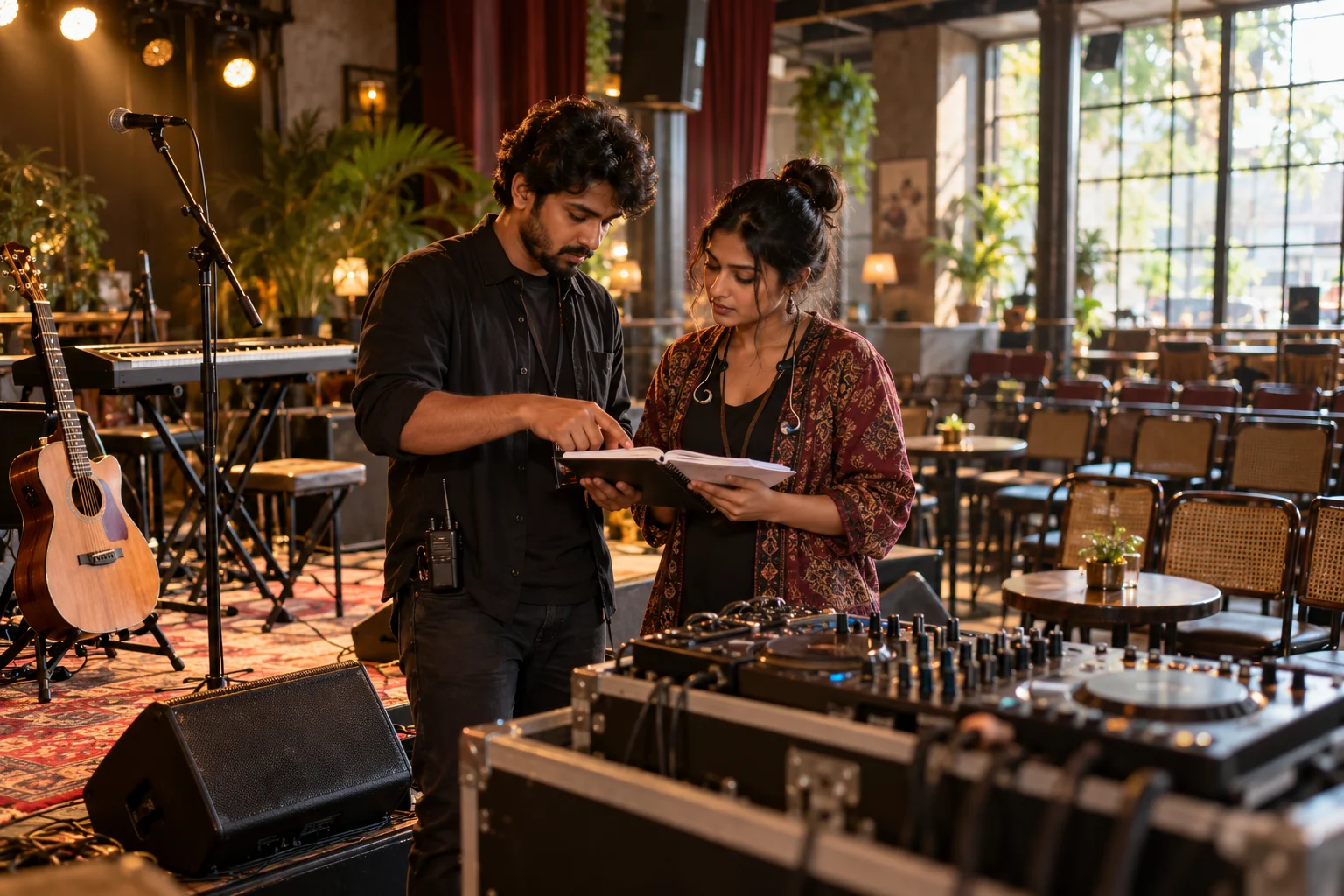
What follow up systems means
A follow-up system is the set routine for calling, messaging or emailing an enquiry more than once, since most buyers do not decide on the first conversation. GullySales sets the number and timing of follow-ups so an undecided buyer keeps hearing from you until they decide either way.
Also for bars, pubs and microbreweries
- Lead generation for bars, pubs and microbreweries
- CRM for bars, pubs and microbreweries
- SEO for bars, pubs and microbreweries
- Local SEO for bars, pubs and microbreweries
- Social media marketing for bars, pubs and microbreweries
- Content marketing for bars, pubs and microbreweries
- Buyer personas for bars, pubs and microbreweries
- WhatsApp marketing for bars, pubs and microbreweries
Sales and marketing for bars, pubs and microbreweries, the overview.
Last updated 14 Nov 2026.
For bars, pubs and microbreweries
Where it usually goes wrong, and what we would do.
“Booking requests arrive in the afternoon”
A coordinator planning an evening messages several venues at once. The first venue to answer with seating and timings wins the table, so the reply must be ready.
“A group that goes quiet is deciding”
After you send a quote, silence means the organiser is consulting friends. One helpful follow-up with a fact, such as the kitchen hours, keeps you in the choice.
“The morning after is a good moment”
A thank-you note to the organiser, with an invitation to the next event, is read while the evening is still fresh.
What we do
What we deliver for bars, pubs and microbreweries.
The work available for this need. We agree the deliverables and responsibilities for your engagement in writing.
Reply templates for bookings
Saved replies for availability, seating, food, deposits and cancellation.
Result: Every request gets a clear, consistent answer.
Follow-up ladder
Messages for a group that enquired, was quoted and has not confirmed, each with one new piece of information.
Result: No enquiry is dropped after the first reply.
Same-day reminder
A message on the day of the booking with the time, the entrance and the table hold period.
Result: Fewer groups arrive confused or late.
Thank-you message
A short note after the visit, with a request for an honest review and a link to the event diary.
Result: Guests hear from the venue after they leave.
Host task list
A daily list of requests to answer, quotes to chase and bookings to confirm.
Result: The host works from one list.
How the result is measured
- Follow-up completion rate
- Average number of follow-ups before close
- Enquiries closed after repeat follow-up
Recorded as a baseline before work starts, so every later report has an honest comparison.
What to capture or send
Send these follow-ups from the booking to the next visit.
- Booking confirmation
- Table, time, deposit and refund rule, with the name of the host. Sent as soon as the table is held.
- Reminder on the day
- A short message with the time, the entrance and the hold limit for late arrivals. Cuts the empty table at the start of the evening.
- Thank-you with a review link
- Sent the next morning to the person who booked, with a Maps link and a line on the food. They remember the evening best then.
- Follow-up to a quiet corporate enquiry
- A message to an HR coordinator offering a date and asking who approves. Corporate groups wait on a manager.
- Invitation to the next event
- A note to guests who agreed, about a quiz or match night that suits their group. Never a drinks promotion.
Who it is for
This is written for these bars, pubs and microbreweries.
- Microbreweries and brewpubs with their own brewing floor
- Sports bars with screens for cricket and football
- Rooftop lounges and terrace bars
- Gastropubs where food carries the evening
- Live music venues and open-mic pubs
- Hotel bars and restaurants with a licensed bar
- Standalone neighbourhood pubs
- Club and lounge venues for private parties
Before you decide
When this may not be the right fit.
- You have not set how long a table is held, so a confirmation would promise a time the floor cannot keep.
- Nobody has time to send reminders on busy nights, so the system would fall away when the venue is full.
Before you decide
Agree the work. Know how to judge it.
Follow-up systems for bars, pubs and microbreweries: use these checks to prepare, choose the scope, and review what changes.
Bring the right evidence
Trace recent enquiries from arrival to the last recorded action. Include a won enquiry, an unsuitable one, and one that went quiet, with personal details removed for the initial discussion.
Make the scope clear
Agree who accepts each enquiry, what makes it qualified, and how ownership changes. Include a rule for missed replies and a clear reason for closing an enquiry.
Check the work in use
Pick an enquiry at random and ask the team to find its owner, latest conversation, and next action. Check that the record agrees with what actually happened.
Know when to change course
If no one has capacity to respond, assign that responsibility before buying more leads. Automation can support the owner, but it cannot replace an unresolved handover.
These are discussion points, not a fixed package. GullySales confirms the deliverables, responsibilities, fee, and term in writing after reading your brief and speaking with you.
Before we start
What to have ready before the work starts.
The records, access and decisions this work needs from bars, pubs and microbreweries. Anything missing is noted in the written scope, with who will supply it.
- A sample of recent booking messages
- Share screenshots or exports of a few weeks of requests, with numbers hidden. We read how fast and how well each was answered. Without real messages our templates sound generic and the list misses your actual group types. Choose messages from different nights, including ones that were never answered, so that we see how the gaps arose and not only the successes. Include the ones that went well, as these show which replies convert.
- The names of the people who reply
- List who answers messages on weekdays and weekends, and who can approve a deposit or a large table. Without a clear list, the system sends tasks to someone who is not on shift. Include the person who covers when the manager is away, because a ladder built around one person fails the first time that person is ill. Include their mobile availability and their days off, so no task is sent to a person on leave.
- Your rule on deposits and cancellations
- Decide what you ask of a large group and what happens if they shrink or cancel. A few lines are enough. If the rule is undecided, we leave it out and replies say the host will confirm details. Write what happens to the deposit if the group is smaller or does not come, and who decides, since this is the point groups argue over. This keeps the system fair to the group and to your kitchen, which has to plan food for a party before it arrives.
- Hours when the host can check messages
- Tell us when the host or manager can actually look at the phone, including during service. The ladder of reminders fits those windows. Without them, the system asks for replies that nobody has time to send. If checks are possible only before service, the ladder is arranged around that, and messages needing a later reply are marked clearly. Include the days you cannot check at all, so we build the ladder around them.
- A place to see the day's tasks
- Pick the sheet, the notebook page or the app where the host will look each afternoon. It should already be in use. If it is new, the system is ignored soon after, so choose something that sits beside the reservation book. Choose a place that the host already opens during setup, such as the reservation sheet, rather than something that adds a step. Make sure it is not a private phone gallery, since pictures that leave with a staff member cannot be reused.
How it works
How the follow up systems work runs
The work itself, in order. How an engagement starts, from your brief to a written scope, is set out on our method page.
- 1
Sample the booking messages from last month
We read a sample of real booking messages and note when each arrived, who answered, what was said and whether the group confirmed. You show us which ones were lost. This gives us the gaps in your replies, and the figures to read the work against later. We also record how many were answered the same day, so the later comparison has a number to read against. We also copy the wording the host uses at the door, since guests respond to it.
- 2
Decide who answers and when
With the manager we decide who handles a request in the afternoon, who covers when the floor is busy and who may promise a table. You name those people. A reply that waits for the one person who is never free will lose the group. If the manager is on the floor, a second person is named who can say yes to a table, and the rule is written on the same page as the replies.
- 3
Write the first reply and the nudge
We draft the opening answer to a group request, the question that fills the gaps, and a polite nudge for a group that has gone quiet. Your manager edits for voice. Nothing in them mentions drinks or offers, and your adviser reads any line near the licence. Each reply asks one clear question at a time, such as the night and the number of people, so a group can answer from a phone without thinking.
- 4
Set the deposit and no-show wording
You decide whether a large group pays a deposit, and we write the message that explains it plainly, along with what happens if the group changes size. We do not set the amount. We test that the wording reads fairly on a phone. If a deposit is not part of your practice, we write the message without it and leave it out of every reply. We also note the deposit rule beside each reply, so the host does not have to ask the manager.
- 5
Build the host's task list for the day
From the record we make a simple list the host opens before service: who needs a reply, who needs a reminder and who needs a thank-you. We run it with the host for a few nights and cut any step that slows the door. Items that need a reply come first, and the list is kept to what fits on one phone screen, so it is read. The list also shows who was asked to reply and by whom, so the host can see a stalled booking at once.
- 6
Compare confirmed tables with the earlier count
We set the number of requests answered, confirmed groups and no-shows beside the counts taken before the system began. You and the manager decide which messages worked, which to reword and whether the task list is still being used. The next steps are small, such as changing a nudge from the afternoon to the morning, and each is tried before the next is added. We then decide with you which messages to keep, shorten or drop, and which steps in the list the host skipped, since a skipped step shows a task that does not fit the night.
Where this fits
Three pieces of sales work, in this order.
This work sits inside sales process design, at stage 2, qualification. The audit comes before it, and sales management keeps it running.
Step 1
Sales audit
Find where deals are being lost and what to fix first.
Start here if you cannot say where orders are lost.
Step 2 · you are here
Sales process design
One written way to sell, from first enquiry to repeat order.
Start here if every salesperson sells differently.
Step 3
Sales management
A target, a review routine and someone who owns the number.
Start here if the team has targets and no routine.
FAQ
Questions owners ask before they call.
Not here? More answers, or ask on WhatsApp.
How firm should we be about deposits?
What do we do about no-shows?
Should the manager reply, or the front team?
What if a group arrives later than booked?
Can the follow-up be done automatically?
What do we do with a group that never replies?
How much does it cost?
How long is the contract?
How soon will we see results?
Who will actually do the work?
More for bars, pubs and microbreweries
Related work to consider.
Closest to this: leads and follow-up
Also for bars, pubs and microbreweries
Or start from the overview: sales and marketing for bars, pubs and microbreweries.
Your next practical step
Tell us what you are trying to grow, and we will read it before we call.
Eight short steps, mostly taps. Skip anything you would rather answer on the call.