Bars, pubs and microbreweries · Search engine optimisation
Appear for the searches that choose a venue: live music, terrace, big screen, group table.
SEO for a bar, pub or microbrewery shapes your website so people searching for a place to meet, watch a match or hear a band find your venue. GullySales works on page structure, wording and the practical details, and keeps alcohol brands and prices out of the text because rules differ by state.
Scope, fee, reporting and term are agreed in writing after we have read your brief and spoken to you.
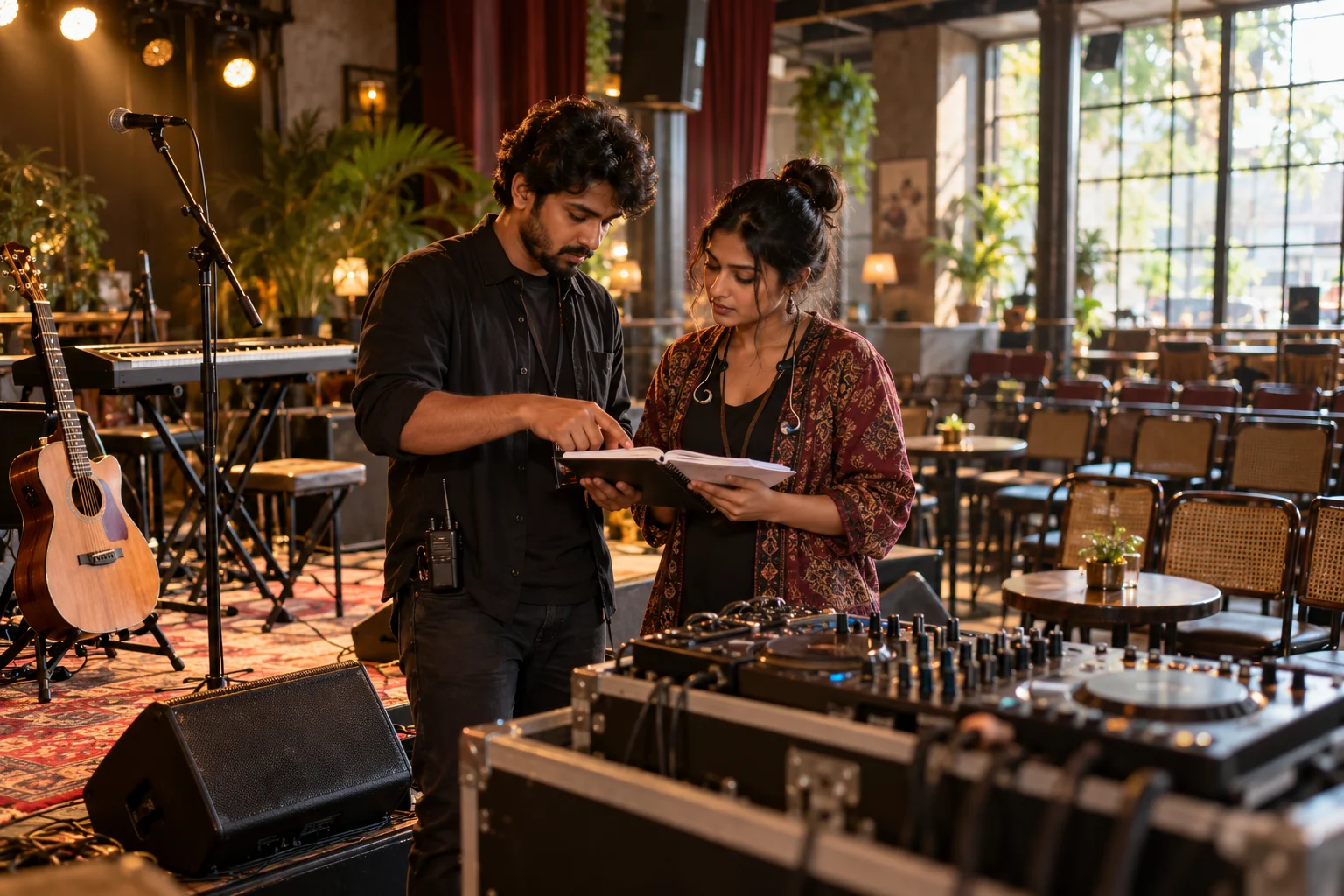
What search engine optimisation means
Search engine optimisation (SEO) is the work of getting your website to appear when a buyer searches Google for what you sell. GullySales builds pages around real search terms, fixes technical issues that block ranking, and tracks which searches actually bring enquiries.
Also for bars, pubs and microbreweries
- Local SEO for bars, pubs and microbreweries
- Website for bars, pubs and microbreweries
- Lead generation for bars, pubs and microbreweries
- Social media marketing for bars, pubs and microbreweries
- Content marketing for bars, pubs and microbreweries
- Buyer personas for bars, pubs and microbreweries
- CRM for bars, pubs and microbreweries
- Follow-up systems for bars, pubs and microbreweries
Sales and marketing for bars, pubs and microbreweries, the overview.
Last updated 14 Nov 2026.
For bars, pubs and microbreweries
Where it usually goes wrong, and what we would do.
“People search for the occasion, not the venue type”
A group looks for a place for a birthday, a match or a farewell. Pages that describe your room for each occasion match those searches better than a single home page.
“The menu in a picture cannot be read”
A food menu uploaded as an image is invisible to search and awkward on a phone. Write the food list as text, with vegetarian and Jain options marked.
“Rules vary and the page should respect them”
Some states restrict what a venue may say about alcohol online. Write about seating, food, music and bookings, and take your adviser's view on anything near the drink.
What we do
What we deliver for bars, pubs and microbreweries.
The work available for this need. We agree the deliverables and responsibilities for your engagement in writing.
Occasion pages
Pages for birthdays, office evenings, match nights and live music, each describing the room and the booking steps.
Result: A searcher lands on the page that fits the plan.
Food menu in text
The kitchen's dishes written as text with dietary marks and the kitchen's closing time.
Result: Groups with mixed diets find a reason to book.
Event listings with dates
A page for each recurring event, kept current and marked as past when it ends.
Result: Searches for events match live pages.
Licence and entry policy page
A page stating that the licence is displayed at the premises and setting out entry rules in plain words.
Result: Guests know the rules before arriving.
Technical check
Page speed, mobile layout and structured data for address and opening hours reviewed.
Result: The site opens well on a phone in a taxi.
How the result is measured
- Ranking positions
- Organic traffic
- Enquiries from organic search
Recorded as a baseline before work starts, so every later report has an honest comparison.
Searches your buyers type
These are the searches that bring groups and colleagues to a bar or pub.
- microbrewery near me
- A page that names the beers brewed on site, the tasting options and the hours, with photos of the brewing floor.
- pub with live music tonight
- An events page updated for each night, with the act, the start time and how to reserve. Out-of-date listings lose the visitor.
- place to watch the cricket match with friends
- A page for match nights listing screens, seating, the food offer and the booking route, posted before the fixture.
- pub for office party
- A page for HR coordinators with capacity, packages, a private section if you have one and a GST invoice option.
- rooftop bar with good food
- A page leading with the menu and photos of the dishes. Food carries this search, not the bar list.
Who it is for
This is written for these bars, pubs and microbreweries.
- Microbreweries and brewpubs with their own brewing floor
- Sports bars with screens for cricket and football
- Rooftop lounges and terrace bars
- Gastropubs where food carries the evening
- Live music venues and open-mic pubs
- Hotel bars and restaurants with a licensed bar
- Standalone neighbourhood pubs
- Club and lounge venues for private parties
Before you decide
When this may not be the right fit.
- Your licence status or timings are unsettled, so a page promising events or hours could be wrong.
- Your event programme is not planned, and an events page with nothing on would send visitors away.
Before you decide
Agree the work. Know how to judge it.
SEO for bars, pubs and microbreweries: use these checks to prepare, choose the scope, and review what changes.
Bring the right evidence
Bring the pages for the products or services you want to sell, the search queries available in your reports, and examples of enquiries from search. Separate branded searches from buyers discovering you for the first time.
Make the scope clear
Agree which pages and technical fixes come first, who can publish changes, and who supplies subject knowledge. Link search work to a relevant enquiry route on each priority page.
Check the work in use
Follow the trail from a relevant query to its landing page and then to an enquiry. Review whether those enquiries fit your offer, alongside indexing and search visibility.
Know when to change course
A ranking movement alone is not a buying signal. If traffic grows but relevant enquiries do not, revisit page intent and the offer before producing more pages.
These are discussion points, not a fixed package. GullySales confirms the deliverables, responsibilities, fee, and term in writing after reading your brief and speaking with you.
Before we start
What to have ready before the work starts.
The records, access and decisions this work needs from bars, pubs and microbreweries. Anything missing is noted in the written scope, with who will supply it.
- Editor access to your current website
- We need a login to the site, or the freelancer who built it on the call, so changes can be made and undone. Without access we can only advise, and the occasion pages wait. An old site on a free builder is acceptable. If the login belongs to a former developer, we help you ask for it politely and in writing, and we advise on moving to an account you own.
- A calendar of nights you really run
- Bring the list of match nights, music nights and private bookings you actually host, with the usual set-up for each. We write pages only for these. Missing information means a page promises screens or a stage you may not provide. You can write it by hand if no calendar exists, as long as each night shows its usual crowd and seating. We write the pages from it, and a calendar that is only a paragraph in a message is still enough to start.
- Photographs of the room by day and night
- Search pages need pictures of the real room, including the terrace, the stage and the bar counter without branding on show. Phone photos are acceptable if they are sharp. Without them we use fewer pictures and the pages feel thin. Show us which are your own and which come from an old agency, as unlicensed pictures cause problems later, and we do not reuse them.
- The menu as text, not a picture
- Send the food menu in any typed form: a document, a spreadsheet or a message. Prices can be left out if they change from week to week. Without typed text, a search engine cannot read the dishes and the food page is dropped. If prices are left out, say so, so that the page links to the current menu on your own premises instead. A phone photo of the printed menu is a fallback, though typed text is far better.
- Your licence and entry rules in writing
- Provide the licence details you are willing to show, the age and entry policy, and any dress or stag rules. The policy page needs them word for word. If your adviser has not confirmed the wording, we hold the page until they do. Without your adviser's confirmation the page remains a draft, and nothing about the licence or entry rule is published. The page is held back, not guessed, which keeps you out of trouble.
How it works
How the search engine optimisation work runs
The work itself, in order. How an engagement starts, from your brief to a written scope, is set out on our method page.
- 1
Search the occasions groups type
We begin by searching the way a group organiser would: the locality, a match night, a terrace, live music, a table for a team. We note which venues appear, what their pages say and where yours is missing. You tell us which occasions you truly host so we never write a page for a night you do not run. For each venue that appears we write down what a group would learn from its page, so ours can answer more clearly.
- 2
Get access to the site and listings
We ask for access to your website editor, search console and map listing, or for the person who holds them. We read the current pages and note which carry the menu only as a photograph. Before any edit we record the present calls, directions and bookings, so later figures have something to be read against. This is done on your computer with you sitting beside us, so you see exactly what each step shows and we never hold a password you did not hand over.
- 3
Choose which occasion pages come first
We put the occasions in order of how frequently your own bookings show them and how little competing venues explain them. You approve the list and name who checks facts on each page, such as screens, seating and sound. The occasions you cannot serve properly wait. Occasions with little competition and good booking history come ahead of crowded ones, since a small venue wins more from a narrow search.
- 4
Write the pages from your floor
Each occasion page is drafted from what your manager tells us about the room: where a big table fits, what happens on a match night, how the music is run. The menu goes into text. You read every page for facts, and your adviser reads anything near drinks before it is published. A page that says screens are on while the room has one small television would cost you a bad review, so we correct such lines at once.
- 5
Publish and test on a phone
Once approved, pages go live and we open each on a phone, from the map listing and from a search result, checking that the booking route works and the events list shows real dates. We also fix technical faults found in the earlier read, such as broken links or slow images. If a page loads slowly or the booking button sits too low, we say so and fix it before inviting anyone to look at it.
- 6
Read bookings against the starting record
After the pages have been indexed we compare calls, direction requests and bookings with the figures noted before the work started, and ask the host which groups say they found you through search. You decide which occasion pages deserve more, and which should be left as they are. We read the numbers beside what the host heard at the door, because search tools alone miss groups who found you and phoned later.
Where this fits
Three pieces of sales work, in this order.
This work sits inside sales process design, at stage 1, prospecting and lead generation. The audit comes before it, and sales management keeps it running.
Step 1
Sales audit
Find where deals are being lost and what to fix first.
Start here if you cannot say where orders are lost.
Step 2 · you are here
Sales process design
One written way to sell, from first enquiry to repeat order.
Start here if every salesperson sells differently.
Step 3
Sales management
A target, a review routine and someone who owns the number.
Start here if the team has targets and no routine.
FAQ
Questions owners ask before they call.
Not here? More answers, or ask on WhatsApp.
Can the site mention the types of drinks served?
Is a blog useful for a pub?
Can you promise us a place on the first page?
Can we mention alcohol brands and prices on the page?
Do you need to change our existing website?
How do we know which pages brought a booking?
How long is the contract?
How soon will we see results?
Who will actually do the work?
What do you need from us?
More for bars, pubs and microbreweries
Related work to consider.
Closest to this: search and visibility
Also for bars, pubs and microbreweries
Or start from the overview: sales and marketing for bars, pubs and microbreweries.
Your next practical step
Tell us what you are trying to grow, and we will read it before we call.
Eight short steps, mostly taps. Skip anything you would rather answer on the call.