Cafes and coffee shops · Branding
Look like the cafe worth walking past three others for.
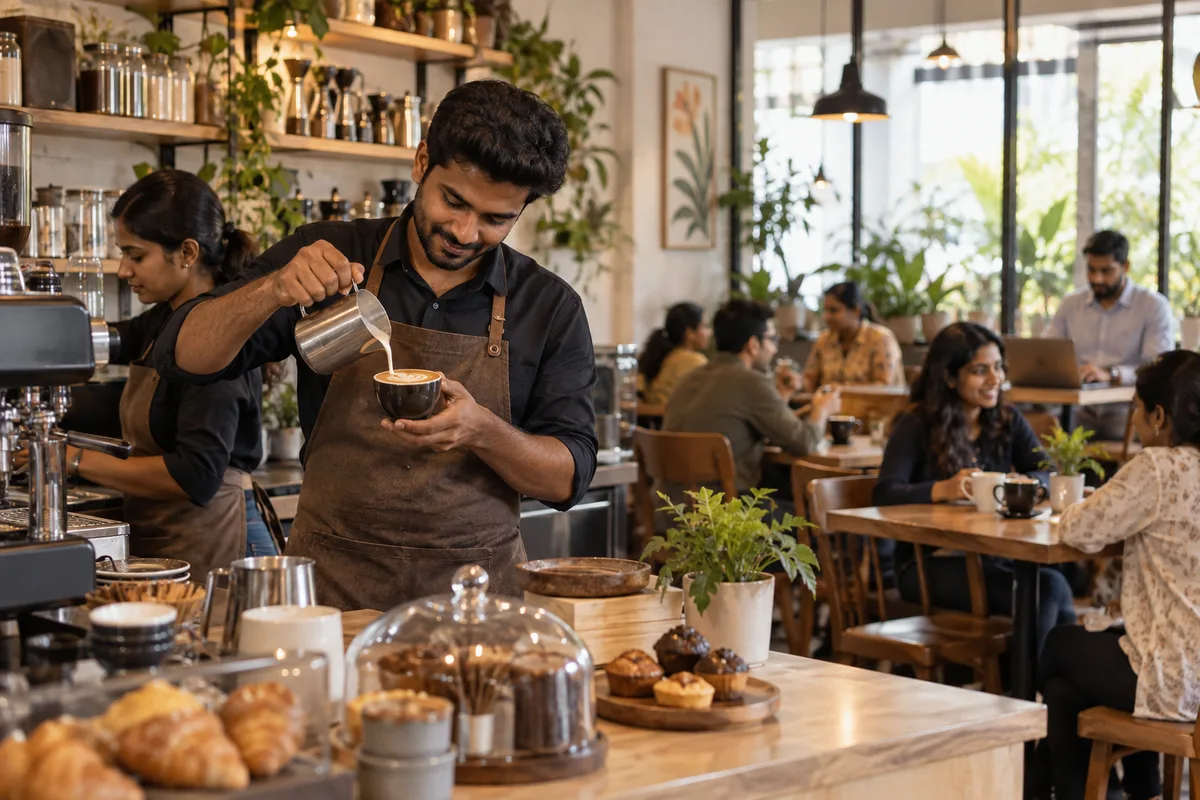
Branding for a cafe is the name, the interior look, the cup design and the tone of voice that make it recognisable in a single Instagram photograph. GullySales builds this so the cafe stands out in a feed full of similar-looking coffee shots.
Scope, fee, reporting and term are agreed in writing after we have read your brief and spoken to you.
What branding means
Branding is what a customer remembers about your business beyond the product, including your name, colours, tone of voice and what you are known for locally. GullySales sets or corrects this once and applies it consistently across your website, signage and adverts so the business looks like one company everywhere.
Also for cafes and coffee shops
- Buyer journey for cafes and coffee shops
- Buyer personas for cafes and coffee shops
- Content marketing for cafes and coffee shops
- Digital marketing for cafes and coffee shops
- Email marketing for cafes and coffee shops
- Influencer marketing for cafes and coffee shops
- Lead generation for cafes and coffee shops
- Loyalty programmes for cafes and coffee shops
Sales and marketing for cafes and coffee shops, the overview.
Last updated 8 Nov 2026. Rules for this trade differ by state and professional body, and they change. We describe restrictions in general terms, so check the current position with your own council or adviser before you publish anything.
For cafes and coffee shops
Where it usually goes wrong, and what we would do.
“A cup and a wall matter more than a logo”
A distinctive cup sleeve or a wall corner people photograph does more for recall than a logo most customers never look at closely.
“The name has to survive a delivery app listing”
A clever name that reads badly in a small font on Swiggy or Zomato loses the click before the menu is even seen.
“Consistency beats a big reveal”
A cafe that changes its look every few months confuses regulars who built loyalty around the old signage and packaging.
What we do
What we deliver for cafes and coffee shops.
Every deliverable, what it covers for you, and the result it is there to produce. Nothing here is an extra.
Name and logo checked at delivery-app size
We check how the name and logo read at thumbnail size on Swiggy, Zomato and Google Maps, and fix whatever breaks.
Result: A customer scrolling a delivery app recognises the cafe before reading the name.
A signature detail worth photographing
We pick one cup, wall or plate detail worth designing on purpose, then brief staff and the photographer to feature it.
Result: The cafe gets photographed and tagged without anyone having to ask.
Cup, packaging and signage design set
One look applied to the cup sleeve, takeaway packaging, signboard and counter menu board.
Result: A first-time visitor recognises the cafe wherever they see it next.
Matching profile across every listing
Name, category, description and photo aligned across the Google Business Profile, Instagram and delivery app listings.
Result: Someone searching finds one consistent cafe, not three different-looking ones.
A style note for future menus and print
Colours, type and photo style written down so a new menu, standee or offer still looks like the same cafe.
Result: The look stays consistent even after the identity work is finished.
How the result is measured
- Recognition in customer feedback
- Consistency across channels
- Repeat enquiries by name
Recorded as a baseline before work starts, so every later report has an honest comparison.
Positioning in one sentence
The sentence a cafe fills in so people walk past three others to reach it.
We are the cafe for [guest and occasion] in [area], known for [one thing], and a guest finds [one detail] here that the cafes nearby do not have.
- Who it is for
- Name the guest and the occasion: a laptop worker needing a long table, a family after a school event, friends after a game. A cafe for everyone ends up with no regulars.
- What you do
- Say the one thing worth crossing the road for: a single-origin pour-over, a bake, a view, a quiet floor. Keep the rest of the menu below it, not above it.
- What a guest gets that the cafe next door does not
- Pick what a guest notices on a first visit: power points at the long table, beans roasted nearby with the roast date on the bag, a corner that stays quiet.
- The proof you can show
- Use your own photographs of the cup, the counter and the light at the hours guests come, and a roaster or farm name only if you really source from one. Take photographs at opening, not after closing.
- Words cafes overuse and guests skim
- Strike 'cosy ambience', 'artisanal', 'authentic' and 'best coffee in town'. Replace them with the beans, the method and the baker's name.
- The name and tagline test
- Type the name on a phone with one hand and say it to an auto driver. If guests spell it three ways, they cannot find you. Choose one spelling for the cup, the board and the map listing.
Who it is for
This is written for these cafes and coffee shops.
- Independent single-outlet cafes
- Specialty coffee roasters with a cafe
- Cafes inside co-working spaces
- Bakery cafes
- Cafe chains opening new outlets
- Cloud kitchen and delivery-only cafes
- Cafes attached to bookstores or art spaces
- Late-night and student-area cafes
Not for
It is not the right fit if.
- The cafe is about to move or close an outlet, so a new look would be printed on cups and signs that will be thrown away.
- The menu and prices are still changing, and new packaging would carry items you may drop.
- Regulars love the present signage, and a change would cost you the recognition you already have.
How it works
How the branding work runs
The work itself, in order. How an engagement starts, from your brief to a written scope, is set out on our method page.
- 1
Interview customers and team
We talk to real buyers, won and lost, and to people inside the business who deal with customers daily.
- 2
Review the competitive field
We look at how the nearest competitors present themselves so the position is not accidentally identical.
- 3
Draft the position
A first version of the positioning statement and messaging pillars is written and checked against what customers actually said.
- 4
Test it against real conversations
The draft is tried out in a real sales call or two before it is finalised, since a position that does not survive a real conversation needs rework.
- 5
Hand over the rollout brief
The final position, pillars and not-for list are documented for your team and any agency to apply consistently.
Where this fits
Three pieces of sales work, in this order.
This work sits inside sales process design, at stage 1, prospecting and lead generation. The audit comes before it, and sales management keeps it running.
Step 1
Sales audit
Find where deals are being lost and what to fix first.
Start here if you cannot say where orders are lost.
Step 2 · you are here
Sales process design
One written way to sell, from first enquiry to repeat order.
Start here if every salesperson sells differently.
Step 3
Sales management
A target, a review routine and someone who owns the number.
Start here if the team has targets and no routine.
FAQ
Questions owners ask before they call.
Not here? More answers, or ask on WhatsApp.
Do we need a full rebrand or just better photographs?
How long does this take?
Should we show our FSSAI licence on the board and menu?
Is it worth printing our name on takeaway cups and bags?
How much does it cost?
How long is the contract?
Who will actually do the work?
What do you need from us?
What if we are not happy with the work?
From the blog
Further reading for cafes and coffee shops.
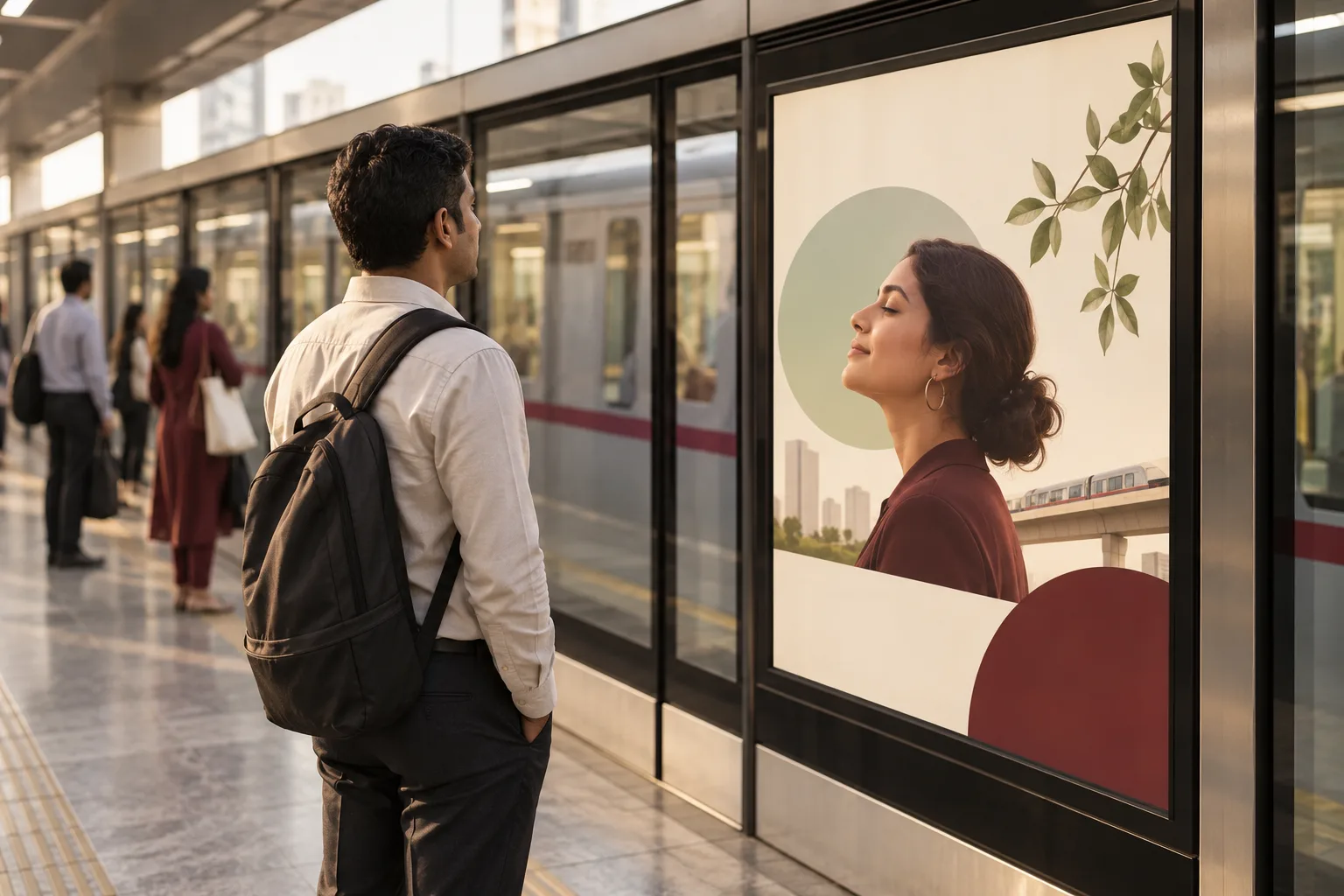 7 min read · 21 Sept 2026How to design metro and transit advertisingA commuter stands still in front of a platform panel for four minutes and passes the same one twice a day for a month. Design for the sixth viewing.
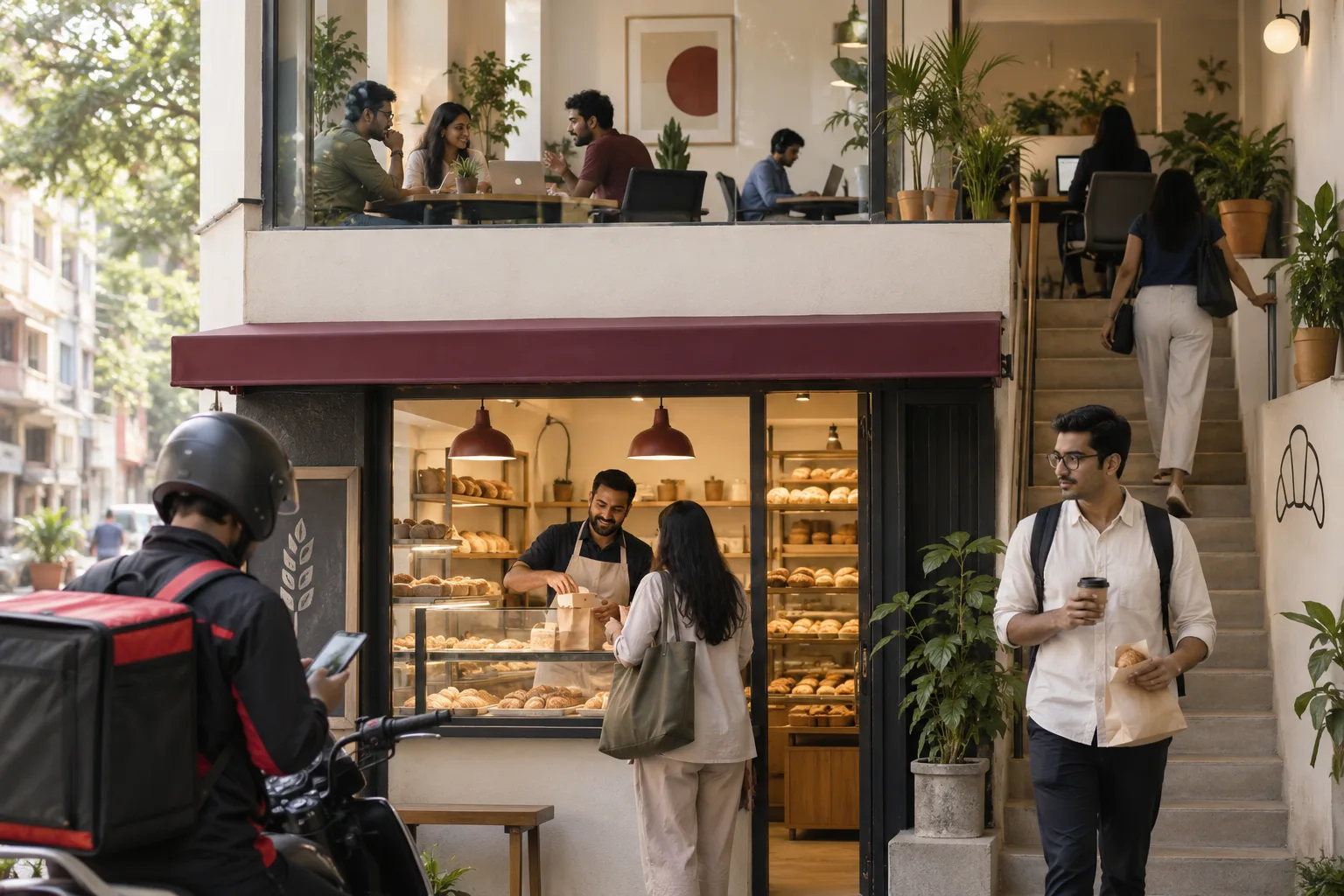 7 min read · 21 Sept 2026How to advertise to startup employeesThere is no tech park to buy. A forty person company sits above a bakery, so the audience is the neighbourhood, the delivery app and the coworking floor.
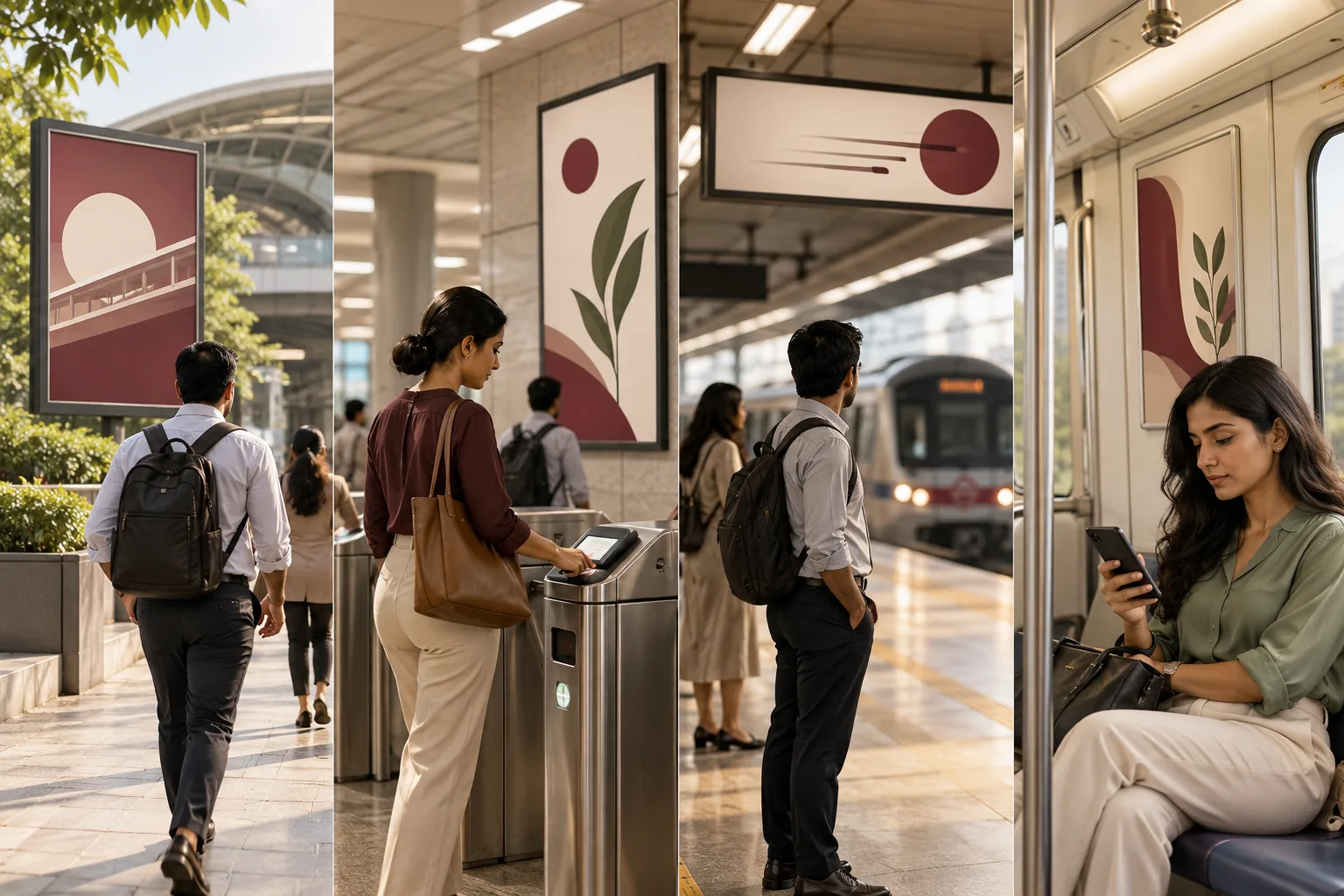 7 min read · 21 Sept 2026How to advertise to metro commutersA commuter is a mode, not a person. The journey has four still moments and each one takes different creative, which is why one design across a station never performs.
More for cafes and coffee shops
Everything else we would do for you.
Or start from the overview: sales and marketing for cafes and coffee shops.
Your next practical step
Tell us what you are trying to grow, and we will read it before we call.
Eight short steps, mostly taps. Skip anything you would rather answer on the call.