Cafes and coffee shops · Email marketing
Remind a regular about the loyalty stamp they forgot they had.
Cafe email marketing is a short, occasional message to the customers who left an address at the counter or a table booking. GullySales writes the loyalty nudge and the catering follow-up, so a list you already own is not left sitting unused.
Scope, fee, reporting and term are agreed in writing after we have read your brief and spoken to you.
What email marketing means
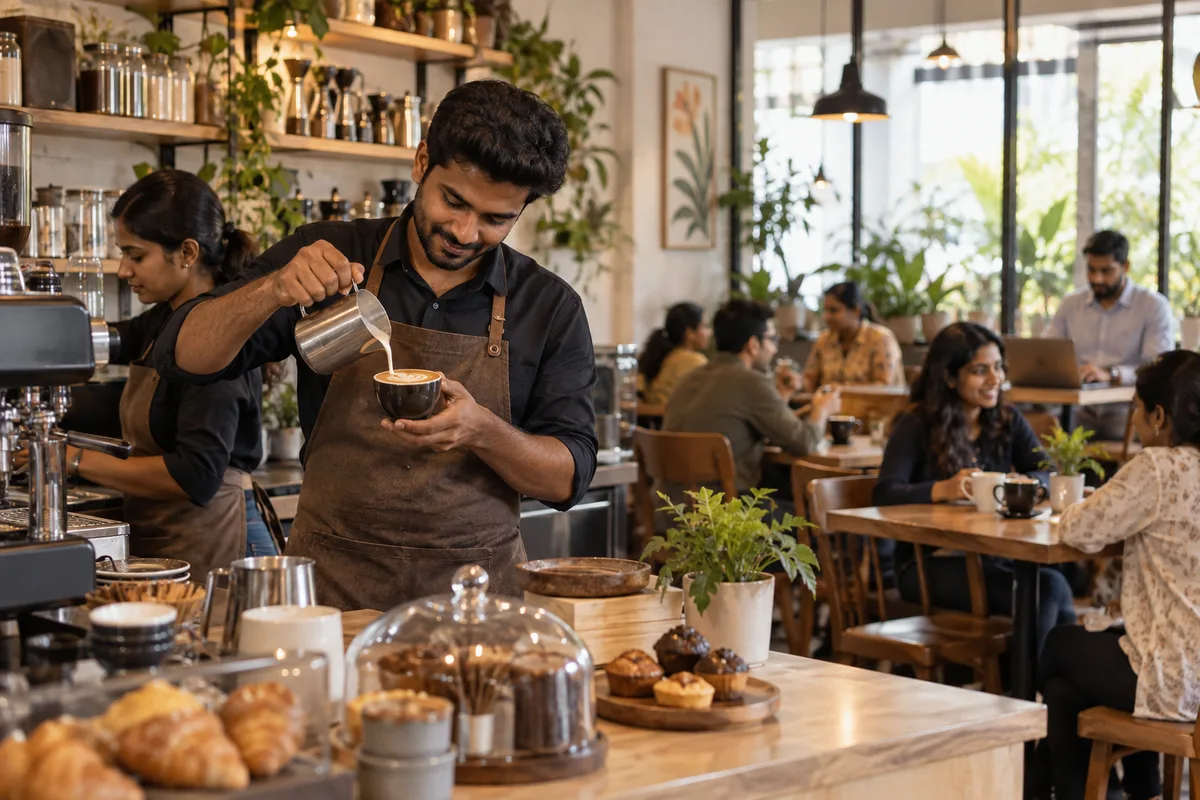
Email marketing is sending planned messages to a list of past and prospective customers who have agreed to hear from you. It suits offers, updates and staying in touch with someone who is not ready to buy yet. GullySales writes and schedules these emails and tracks who opens, clicks and enquires.
Also for cafes and coffee shops
- WhatsApp marketing for cafes and coffee shops
- Branding for cafes and coffee shops
- Buyer journey for cafes and coffee shops
- Buyer personas for cafes and coffee shops
- Content marketing for cafes and coffee shops
- Digital marketing for cafes and coffee shops
- Influencer marketing for cafes and coffee shops
- Lead generation for cafes and coffee shops
Sales and marketing for cafes and coffee shops, the overview.
Last updated 8 Nov 2026. Rules for this trade differ by state and professional body, and they change. We describe restrictions in general terms, so check the current position with your own council or adviser before you publish anything.
For cafes and coffee shops
Where it usually goes wrong, and what we would do.
“A loyalty nudge outperforms a generic newsletter”
Telling someone they are two coffees away from a free one brings them back faster than a monthly update about the cafe in general.
“Event and catering enquiries need a follow-up sequence”
Someone who asked about catering for an office event but did not confirm should get a short follow-up, not silence.
“Keep the list small and used, not big and ignored”
A short, honest list of customers who actually opted in performs better than a large, bought or scraped one that gets marked as spam.
What we do
What we deliver for cafes and coffee shops.
Every deliverable, what it covers for you, and the result it is there to produce. Nothing here is an extra.
Loyalty milestone email
A short automatic message sent when a customer is a coffee or two away from their free one.
Result: A regular comes back sooner because they know exactly what they are close to.
Catering enquiry follow-up sequence
Two or three emails sent to someone who asked about catering or an event but never confirmed.
Result: A quiet enquiry gets one more honest chance to convert.
Honest counter and checkout opt-in
A simple way for customers to join the list at the till or a booking form, never a bought list.
Result: Every email reaches someone who actually chose to hear from the cafe.
A twice-a-month email plan
A short calendar tying each email to an offer, event or loyalty milestone rather than a fixed newsletter.
Result: The list gets used often enough to matter without turning into clutter.
Sample email 1: the loyalty nudge
Subject: You are two coffees from a free one. Lines: Hi Asha, your card shows you are two stamps away. Come by this week and the next cup is on us. The new cold brew is on the counter. See you soon.
Result: A regular knows exactly what is left to earn.
Sample email 2: the catering follow-up
Subject: Your office snack order, with the price per head. Lines: Hello Ravi, here is the menu you asked about, with the price per head and the delivery time. Tell us the date and headcount and we will confirm in writing.
Result: An office admin can forward the mail to an approver as it stands.
Sample email 3: the festive bakery pre-order
Subject: Christmas cake pre-orders are open. Lines: Hi Meera, our plum cake and Christmas hampers can be booked now. Reply with the date and weight you want, and the last order day is in the message below. Collection is from the cafe counter.
Result: Pre-orders arrive in writing, well before the rush.
How the result is measured
- Open rate
- Click rate
- Enquiries from email
Recorded as a baseline before work starts, so every later report has an honest comparison.
What must be in place first
What a cafe needs in place before it emails the people who left an address.
- A sign-up with one clear line
- At the counter or on a table card, ask: would you like occasional news and offers from us? Keep the filled sheet or form. An address taken for a bill or a booking is not agreement to a newsletter.
- Table-booking addresses kept on a different list
- People who booked a table gave an address for a confirmation. Use it for confirmations and for nothing else, unless they ticked the news box as well.
- A separate list for offices that asked about catering
- Office admin and HR contacts who asked about coffee or snacks for meetings belong on their own list. They want a price per head and a menu, not a note about a new cold brew.
- A real reason to write
- A new roast, an open mic evening, a seasonal menu or a changed opening hour is a reason. If there is nothing, do not send anything. A note with no news teaches people to ignore you.
- Menu in text and a few small photographs
- Describe the drinks and food in text, with two or three light photographs. A regular reading on a phone should not wait for an image-heavy mail to load.
- Replies that reach the manager
- A person who replies to ask for a booking or a catering quote should hear from someone who can answer. Put an unsubscribe line at the foot of every mail.
Who it is for
This is written for these cafes and coffee shops.
- Independent single-outlet cafes
- Specialty coffee roasters with a cafe
- Cafes inside co-working spaces
- Bakery cafes
- Cafe chains opening new outlets
- Cloud kitchen and delivery-only cafes
- Cafes attached to bookstores or art spaces
- Late-night and student-area cafes
Not for
It is not the right fit if.
- The cafe has not collected any customer email addresses with permission, and a bought list would put you in breach of trust.
- Nobody can write a short message on a regular basis, so a mailing plan would lapse into silence or spam.
- The loyalty offer is not settled, so an email would have nothing to tell the regular.
How it works
How the email marketing work runs
The work itself, in order. How an engagement starts, from your brief to a written scope, is set out on our method page.
- 1
Understand your list
We review who is on the list, how they got there, what they agreed to, and how long since they last heard from you.
- 2
Audit past sends
We read past campaign reports, your sending domain settings and any spam complaints to see what has and has not worked.
- 3
Segment and plan
The list is split into groups and a sending calendar is agreed, with a rule for unsubscribes and quiet addresses.
- 4
Write and set up
Emails are written, checked and scheduled in your email tool. Welcome and nurture emails are set to send on a trigger where that fits.
- 5
Measure and adjust
We read clicks, replies, enquiries and complaints by segment, and change subject lines, timing and content to match.
Where this fits
Three pieces of sales work, in this order.
This work sits inside sales process design, at stage 0, foundation. The audit comes before it, and sales management keeps it running.
Step 1
Sales audit
Find where deals are being lost and what to fix first.
Start here if you cannot say where orders are lost.
Step 2 · you are here
Sales process design
One written way to sell, from first enquiry to repeat order.
Start here if every salesperson sells differently.
Step 3
Sales management
A target, a review routine and someone who owns the number.
Start here if the team has targets and no routine.
FAQ
Questions owners ask before they call.
Not here? More answers, or ask on WhatsApp.
How often should a cafe email customers?
How do we build the list?
Can we add everyone who asked for the Wi-Fi password?
What does a catering enquiry email from a cafe need to say?
What makes a good subject line for a cafe email?
How much does it cost?
How long is the contract?
How soon will we see results?
Who will actually do the work?
What do you need from us?
From the blog
Further reading for cafes and coffee shops.
 6 min read · 8 Jul 2026Email marketing tips for cafes and baristasEmail tips for baristas and cafe owners: where a small cafe list comes from, what is worth sending to it, and what to leave out.
 6 min read · 11 Feb 2026A guest email and WhatsApp list that brings repeat stays and ordersHow a hotel, caterer or cafe can build a guest list with permission at check-in or billing, keep it in one sheet, and send three kinds of message that people actually open.
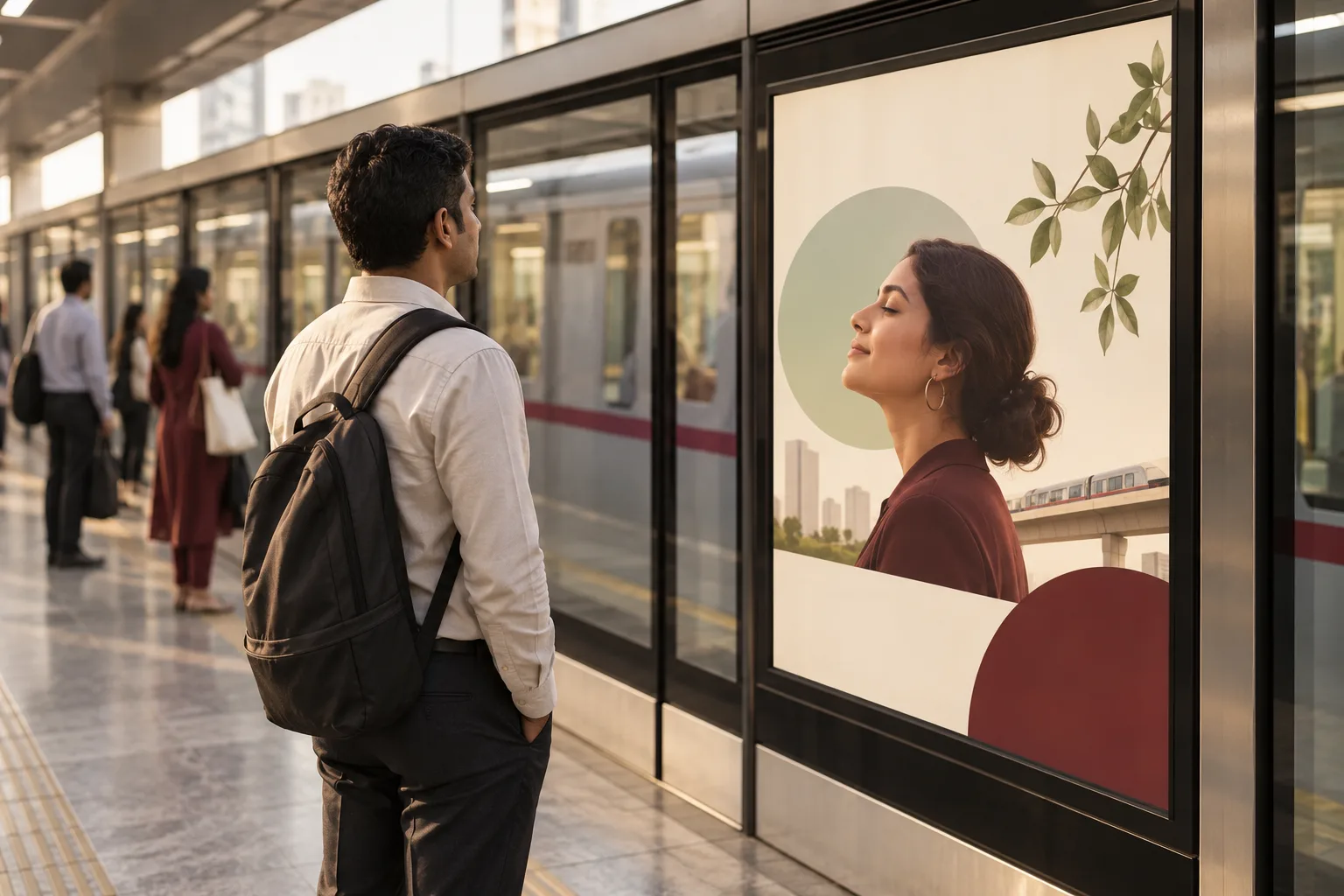 7 min read · 21 Sept 2026How to design metro and transit advertisingA commuter stands still in front of a platform panel for four minutes and passes the same one twice a day for a month. Design for the sixth viewing.
More for cafes and coffee shops
Everything else we would do for you.
Closest to this: messaging and automation
Also for cafes and coffee shops
Or start from the overview: sales and marketing for cafes and coffee shops.
Your next practical step
Tell us what you are trying to grow, and we will read it before we call.
Eight short steps, mostly taps. Skip anything you would rather answer on the call.