Cafes and coffee shops · Content marketing
Give people a reason to visit on a Tuesday, not just post a coffee photo.
Content marketing for a cafe means posts and short articles that give someone a reason to visit at a specific time. That could be a new filter coffee for the monsoon or a quiet afternoon work offer. GullySales plans and writes this around your actual slow hours and busy seasons.
Scope, fee, reporting and term are agreed in writing after we have read your brief and spoken to you.
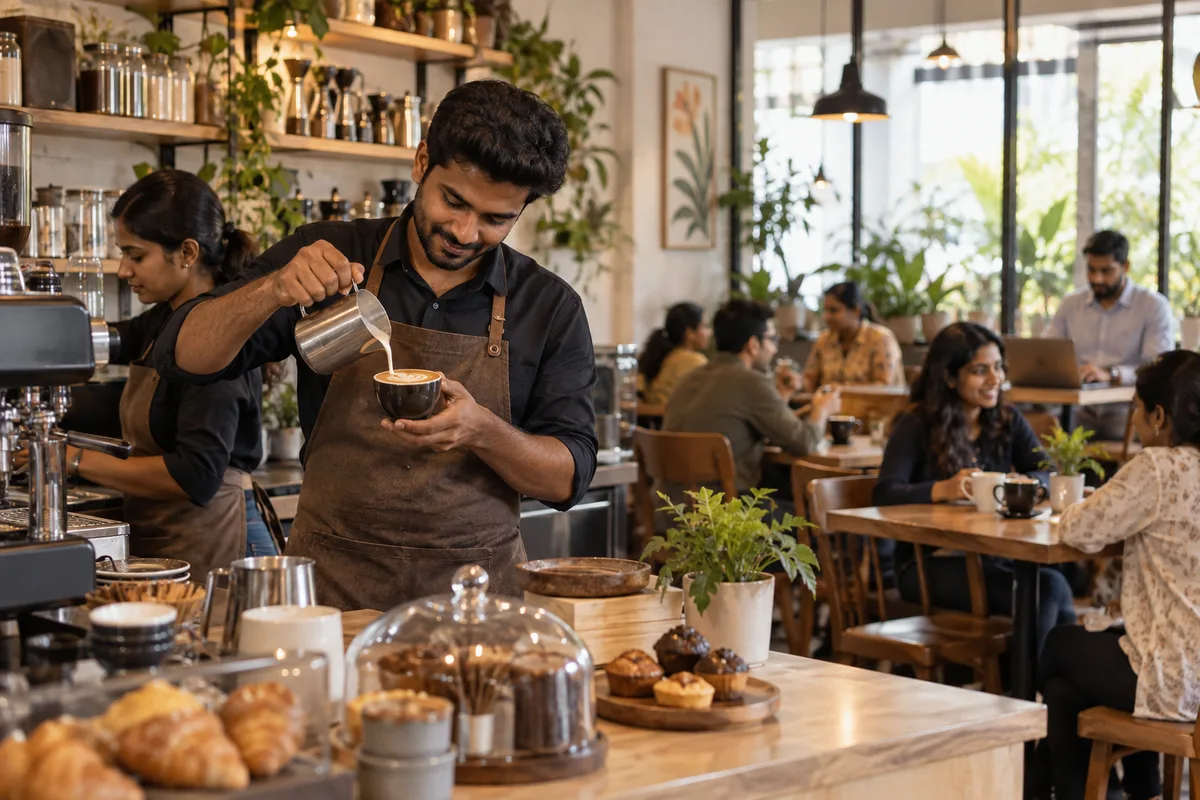
What content marketing means
Content marketing is writing articles, guides and pages that answer the questions buyers search before they are ready to enquire. This makes your business visible and trusted before the first call. GullySales plans this content from the first conversation onward, choosing topics that match real search demand rather than guesses.
Also for cafes and coffee shops
- Influencer marketing for cafes and coffee shops
- Social media for cafes and coffee shops
- Video marketing for cafes and coffee shops
- Branding for cafes and coffee shops
- Buyer journey for cafes and coffee shops
- Buyer personas for cafes and coffee shops
- Digital marketing for cafes and coffee shops
- Email marketing for cafes and coffee shops
Sales and marketing for cafes and coffee shops, the overview.
Last updated 8 Nov 2026. Rules for this trade differ by state and professional body, and they change. We describe restrictions in general terms, so check the current position with your own council or adviser before you publish anything.
For cafes and coffee shops
Where it usually goes wrong, and what we would do.
“Seasonal drinks earn a real content moment”
A cold brew push in April or a hot ginger tea feature in the monsoon rides a search and mood shift that generic coffee content misses.
“Behind-the-counter content builds trust faster than menu shots”
A short piece on where the beans are sourced or how the barista trains says more about quality than another plated photograph.
“Content for the slow hour needs its own plan”
A weekday 3pm offer, posted and written about specifically, fills a table that a general brand post never would.
What we do
What we deliver for cafes and coffee shops.
Every deliverable, what it covers for you, and the result it is there to produce. Nothing here is an extra.
Seasonal drink content calendar
A plan tied to weather and festival shifts, such as a monsoon ginger tea or a summer cold brew push, written and posted on time.
Result: The cafe rides a real seasonal search instead of missing the window.
Behind-the-counter story series
Short pieces on bean sourcing or barista training, built from what your own team actually does.
Result: A customer trusts the coffee quality before they have tasted it.
Slow-hour offer post and page
A specific post and a short page for the weekday afternoon offer, kept separate from general brand posts.
Result: The quiet afternoon gets its own reason for someone to walk in.
Catering and events page copy
One page answering quantity, pricing and delivery questions for office and party orders.
Result: An office manager gets an answer without messaging first.
A content plan and captions
A written calendar of what runs when, matched to your actual slow hours and busy seasons.
Result: Posting stays consistent without someone scrambling for an idea each morning.
How the result is measured
- Pages published
- Organic traffic
- Enquiries from content pages
Recorded as a baseline before work starts, so every later report has an honest comparison.
Questions buyers ask first
The questions a customer asks before choosing a cafe, and the piece that answers each.
- Can I work here for a few hours?
- A work-from-cafe page: power points, wifi, noise at different hours, any minimum order or seating rule. Add photographs of the tables people work at.
- Is it vegetarian, and do you have oat or soy milk?
- A menu and dietary page: whether the kitchen is vegetarian or mixed, milk alternatives, ingredients people avoid. Show your FSSAI licence number and say how to flag an allergy.
- Where exactly are you?
- An arrival page with a landmark, parking, lift or stairs, and photographs from the main road to the door. Many cafes sit above shops, and visitors give up after a wrong turn.
- Where does your coffee come from?
- A page on the beans: the estate or region, the roast, how you brew each drink and who trained the barista. Coffee drinkers search for this before they visit.
- Can I order for pickup without the delivery app?
- Explain how to order by WhatsApp or a call for takeaway, your delivery area if any, and how payment is taken. Keep it short and put the link in your Instagram bio.
- Is it comfortable for my parents or my kids?
- A page showing seating, steps, washrooms, high chairs and noise. People bring family to places they have already pictured.
Who it is for
This is written for these cafes and coffee shops.
- Independent single-outlet cafes
- Specialty coffee roasters with a cafe
- Cafes inside co-working spaces
- Bakery cafes
- Cafe chains opening new outlets
- Cloud kitchen and delivery-only cafes
- Cafes attached to bookstores or art spaces
- Late-night and student-area cafes
Not for
It is not the right fit if.
- Nobody can photograph the cafe or write a caption, so a plan of posts would stop after the first burst of effort.
- There is no reason to visit at a quiet hour yet, and content would promote an offer that does not exist.
- The Maps listing still shows a closed cafe or a wrong menu, which content cannot fix.
How it works
How the content marketing work runs
The work itself, in order. How an engagement starts, from your brief to a written scope, is set out on our method page.
- 1
Agree the plan
Topics and formats come from the content strategy and the buyer-question list. The volume goes into the written scope, agreed with you, not into a number quoted on a call.
- 2
Brief and draft
Each piece starts from its one-page brief and a short conversation with your technical person, recorded if they allow it, so the draft uses their words.
- 3
Check the facts
Your person marks the draft for accuracy and we correct it. Regulated subjects also go to your own adviser, because restrictions on claims apply to articles as much as to advertisements.
- 4
Publish and distribute
The piece goes live on your site, then out through the channels where your buyers already are.
- 5
Read the enquiries and adjust
Results are reported against the baseline recorded before work began. Topics that brought readers but no enquiries are changed or dropped. How often you are reported to is agreed in writing.
Where this fits
Three pieces of sales work, in this order.
This work sits inside sales process design, at stage 0, foundation. The audit comes before it, and sales management keeps it running.
Step 1
Sales audit
Find where deals are being lost and what to fix first.
Start here if you cannot say where orders are lost.
Step 2 · you are here
Sales process design
One written way to sell, from first enquiry to repeat order.
Start here if every salesperson sells differently.
Step 3
Sales management
A target, a review routine and someone who owns the number.
Start here if the team has targets and no routine.
FAQ
Questions owners ask before they call.
Not here? More answers, or ask on WhatsApp.
How often should a cafe post content?
Do we need a blog for a cafe?
Should a cafe post reels or write pages?
How do we know whether a post led to a visit?
How much does it cost?
How long is the contract?
How soon will we see results?
Who will actually do the work?
What do you need from us?
What if we are not happy with the work?
From the blog
Further reading for cafes and coffee shops.
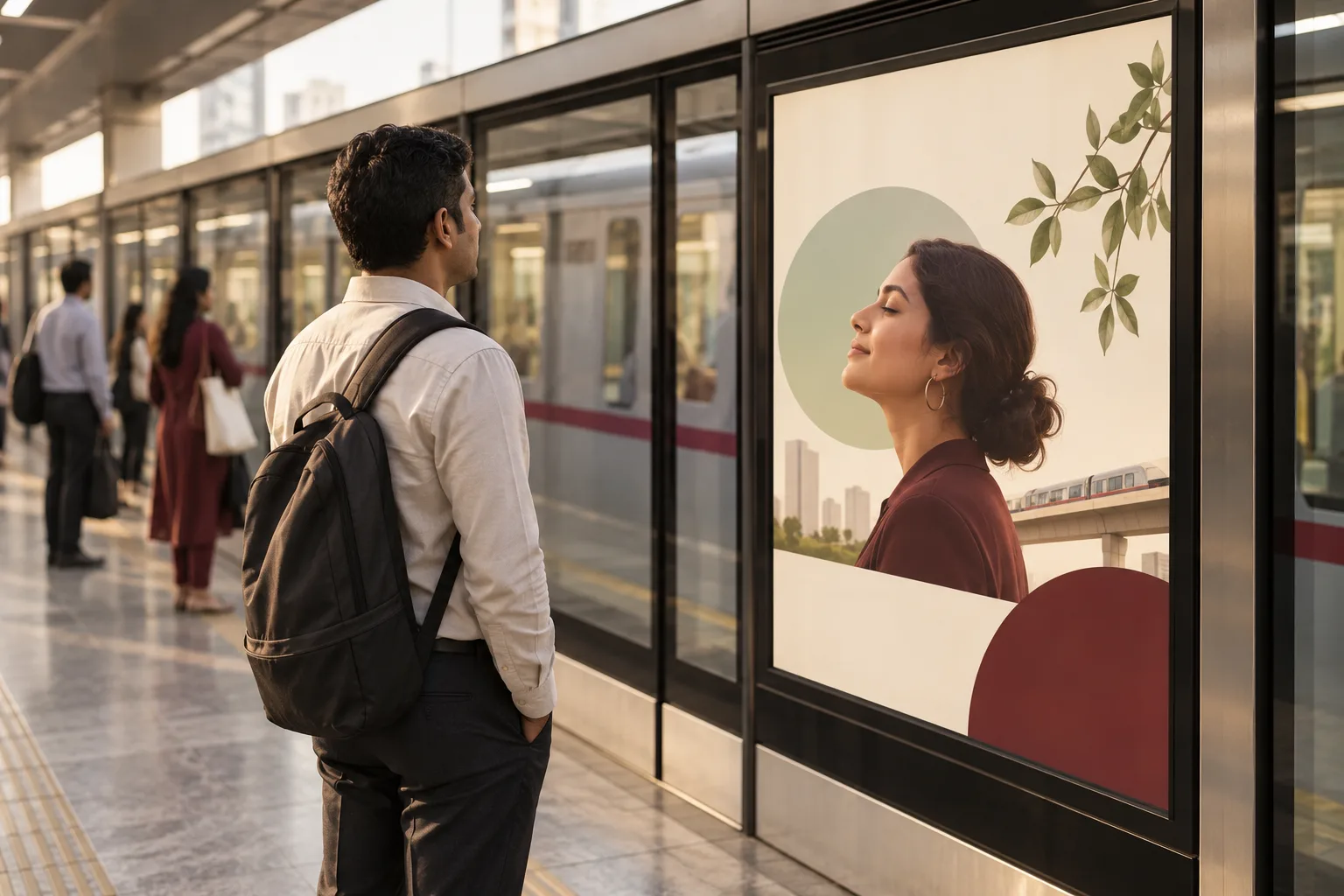 7 min read · 21 Sept 2026How to design metro and transit advertisingA commuter stands still in front of a platform panel for four minutes and passes the same one twice a day for a month. Design for the sixth viewing.
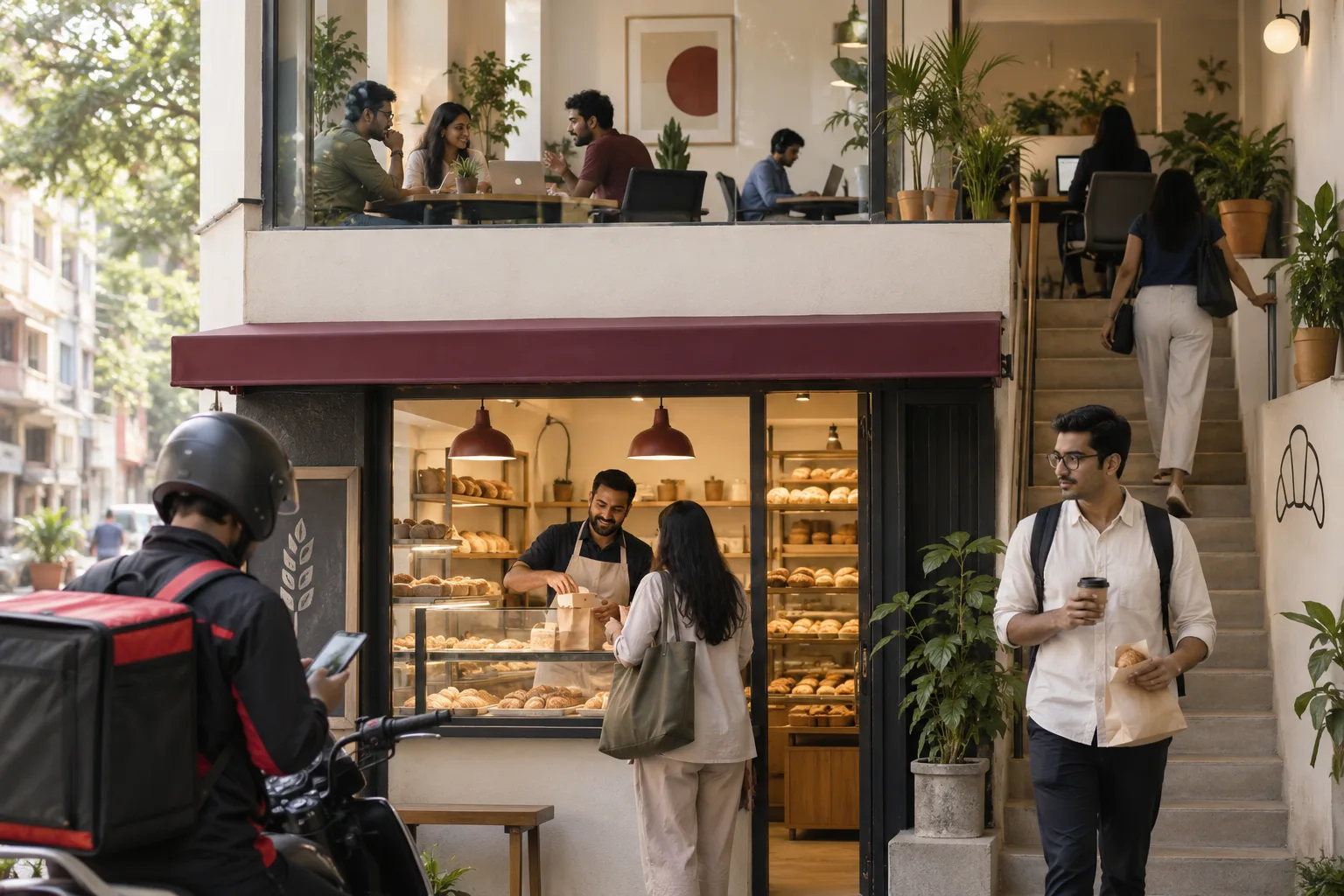 7 min read · 21 Sept 2026How to advertise to startup employeesThere is no tech park to buy. A forty person company sits above a bakery, so the audience is the neighbourhood, the delivery app and the coworking floor.
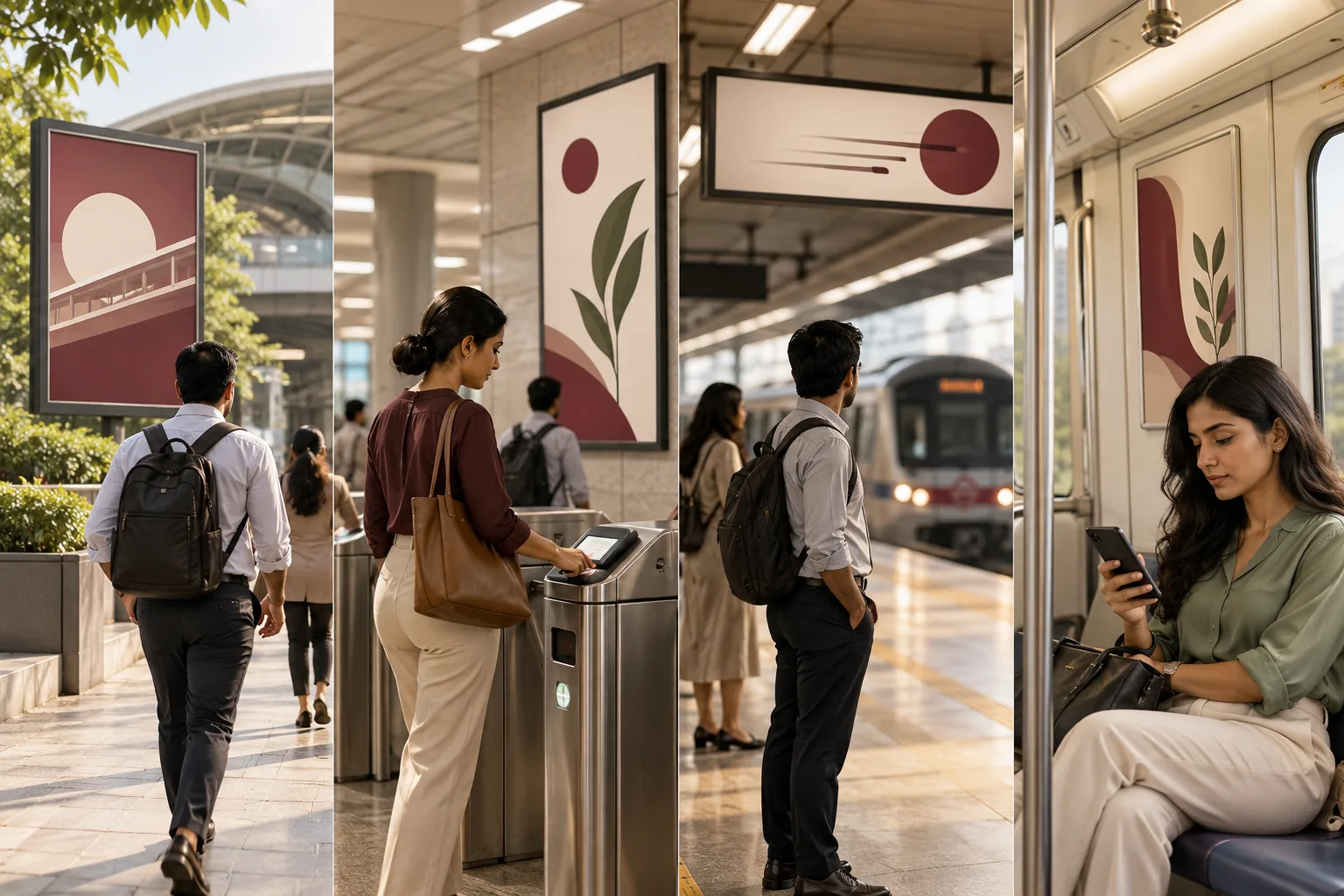 7 min read · 21 Sept 2026How to advertise to metro commutersA commuter is a mode, not a person. The journey has four still moments and each one takes different creative, which is why one design across a station never performs.
More for cafes and coffee shops
Everything else we would do for you.
Closest to this: content and social
Also for cafes and coffee shops
Or start from the overview: sales and marketing for cafes and coffee shops.
Your next practical step
Tell us what you are trying to grow, and we will read it before we call.
Eight short steps, mostly taps. Skip anything you would rather answer on the call.