Cafes and coffee shops · Buyer persona
Write for the laptop regular differently from the Saturday brunch group.
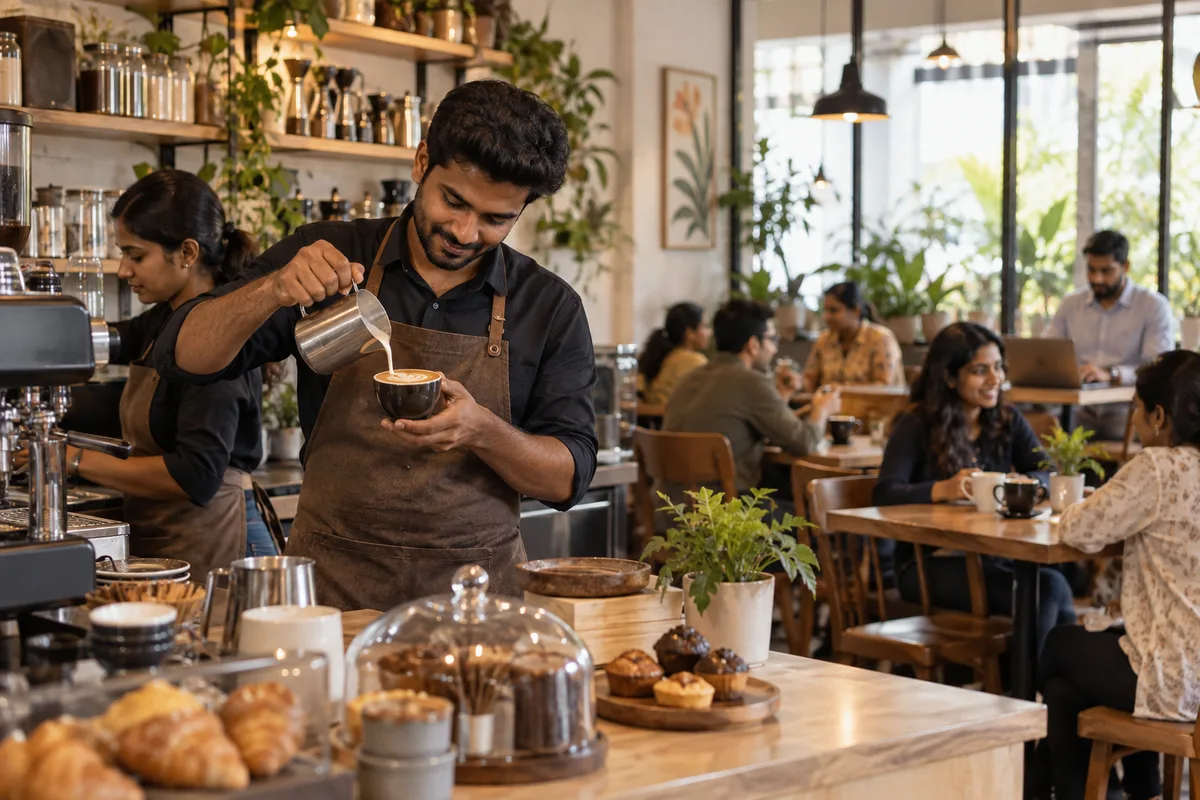
A buyer persona for a cafe describes a specific kind of customer, for example the weekday laptop regular or the Saturday brunch group booking a table for six. It goes into enough detail to plan a menu offer and a post that speaks to them. GullySales builds these from who is actually walking in.
Scope, fee, reporting and term are agreed in writing after we have read your brief and spoken to you.
What buyer persona means
A buyer persona is a plain description of the kind of customer who actually buys from you. It includes what they search, what worries them and who else they ask before deciding. GullySales builds this from real enquiries and past sales rather than a generic template, then uses it to write every page and advert.
Also for cafes and coffee shops
- Buyer journey for cafes and coffee shops
- Digital marketing for cafes and coffee shops
- Branding for cafes and coffee shops
- Content marketing for cafes and coffee shops
- Email marketing for cafes and coffee shops
- Influencer marketing for cafes and coffee shops
- Lead generation for cafes and coffee shops
- Loyalty programmes for cafes and coffee shops
Sales and marketing for cafes and coffee shops, the overview.
Last updated 8 Nov 2026. Rules for this trade differ by state and professional body, and they change. We describe restrictions in general terms, so check the current position with your own council or adviser before you publish anything.
For cafes and coffee shops
Where it usually goes wrong, and what we would do.
“The laptop regular wants wifi and a quiet corner mentioned upfront”
This customer is choosing between cafes for an afternoon of work, and a post about a new pastry does not move them the way seating and wifi information does.
“The brunch group persona books ahead, the solo drinker does not”
Content and offers for a Saturday group need a booking step; content for the solo weekday customer needs speed and convenience instead.
“The delivery-only customer never sees your interior”
For this persona, the packaging and the photograph on the app are the entire brand experience, which changes what is worth investing in.
What we do
What we deliver for cafes and coffee shops.
Every deliverable, what it covers for you, and the result it is there to produce. Nothing here is an extra.
Laptop regular persona and messaging brief
A written profile of the weekday work-from-cafe customer, with the seating, wifi and quiet-hour details that speak to them.
Result: Posts and offers reach the person who actually fills a weekday afternoon.
Brunch and group booking persona
A profile of the customer planning a group visit, covering what they check and how far ahead they plan.
Result: The booking page answers what this customer asks first, not last.
Delivery-only customer persona
A profile built from your delivery app orders, covering what is ordered and how packaging affects a repeat order.
Result: The delivery listing is built for a customer who never walks in.
A persona-to-channel map
A short guide on which persona to reach through Instagram, Google search or the delivery app, so spend is not aimed at the wrong audience.
Result: Marketing effort goes to the customer most likely to respond there.
How the result is measured
- Enquiry match to persona
- Conversion rate by persona
- Content aligned to persona
Recorded as a baseline before work starts, so every later report has an honest comparison.
A persona card for this guest
Here is a typical card for the office worker who takes a coffee break nearby.
An example, not a fact about your guests. Check each line against your till, your regulars and your reviews, and rewrite what does not fit.
- Who they are
- Typical: an office worker based a short walk from the cafe who buys coffee most weekdays. Check by asking your till staff who comes in on weekday mornings.
- What starts the search
- Typical: the usual place got crowded, a meeting needs a quieter table, or a colleague shared a photograph. Put one question on the bill: how did you first find us?
- What worries them
- Typical: a long wait at the counter and a cup that tastes different from yesterday's. Look at your three-star reviews for the same complaints.
- What they compare you with
- Typical: a chain outlet in the office lobby, a tea stall outside and the pantry machine upstairs. Ask a few regulars what they would do if you shut for a day.
- Who else decides
- Typical: a colleague who says let's go there. The person who orders for the table is the one to reach, so offer them the loyalty card.
- What makes them say yes
- Typical: a real photograph of the counter, a posted price for the usual order and a seat that visibly looks free. Check which of your Maps photographs get opened most.
Who it is for
This is written for these cafes and coffee shops.
- Independent single-outlet cafes
- Specialty coffee roasters with a cafe
- Cafes inside co-working spaces
- Bakery cafes
- Cafe chains opening new outlets
- Cloud kitchen and delivery-only cafes
- Cafes attached to bookstores or art spaces
- Late-night and student-area cafes
Not for
It is not the right fit if.
- Nobody at the counter notices who the regulars are, so a persona would be invented, not observed.
- You plan to use personas to justify discounts to every group, when each group wants a different thing.
How it works
How the buyer persona work runs
The work itself, in order. How an engagement starts, from your brief to a written scope, is set out on our method page.
- 1
Understand the current view
We start with how your team currently describes the customer, since the gap between belief and reality is the finding itself.
- 2
Audit past enquiries and sales
We look at recent enquiries and closed deals to see who actually bought, not who was assumed to buy.
- 3
Interview customers and staff
Structured conversations with recent buyers, held as talk about the last purchase and not a questionnaire. We ask what happened before they called, who else was involved and what they compared. Customers agree before we contact them, and their answers are reported without names.
- 4
Build the personas
Findings are written into short, usable persona documents rather than a long report.
- 5
Apply to your marketing
We show where each persona should change a page, an ad or a script you already have. The sales team reads the drafts and says which ring true. A persona they do not recognise is rewritten.
Where this fits
Three pieces of sales work, in this order.
This work sits inside sales process design, at stage 0, foundation. The audit comes before it, and sales management keeps it running.
Step 1
Sales audit
Find where deals are being lost and what to fix first.
Start here if you cannot say where orders are lost.
Step 2 · you are here
Sales process design
One written way to sell, from first enquiry to repeat order.
Start here if every salesperson sells differently.
Step 3
Sales management
A target, a review routine and someone who owns the number.
Start here if the team has targets and no routine.
FAQ
Questions owners ask before they call.
Not here? More answers, or ask on WhatsApp.
How many personas does a small cafe need?
Do personas change our menu?
How do we test a persona if we have no customer records?
Should staff be told the persona or just the menu?
How much does it cost?
How long is the contract?
How soon will we see results?
Who will actually do the work?
What do you need from us?
What if we are not happy with the work?
From the blog
Further reading for cafes and coffee shops.
 6 min read · 9 Jul 2026How to build buyer personas for a local businessBuild a buyer persona from your own last fifty enquiries, not from a template. No invented names, no stock photograph, and one page you can hand to whoever answers the phone.
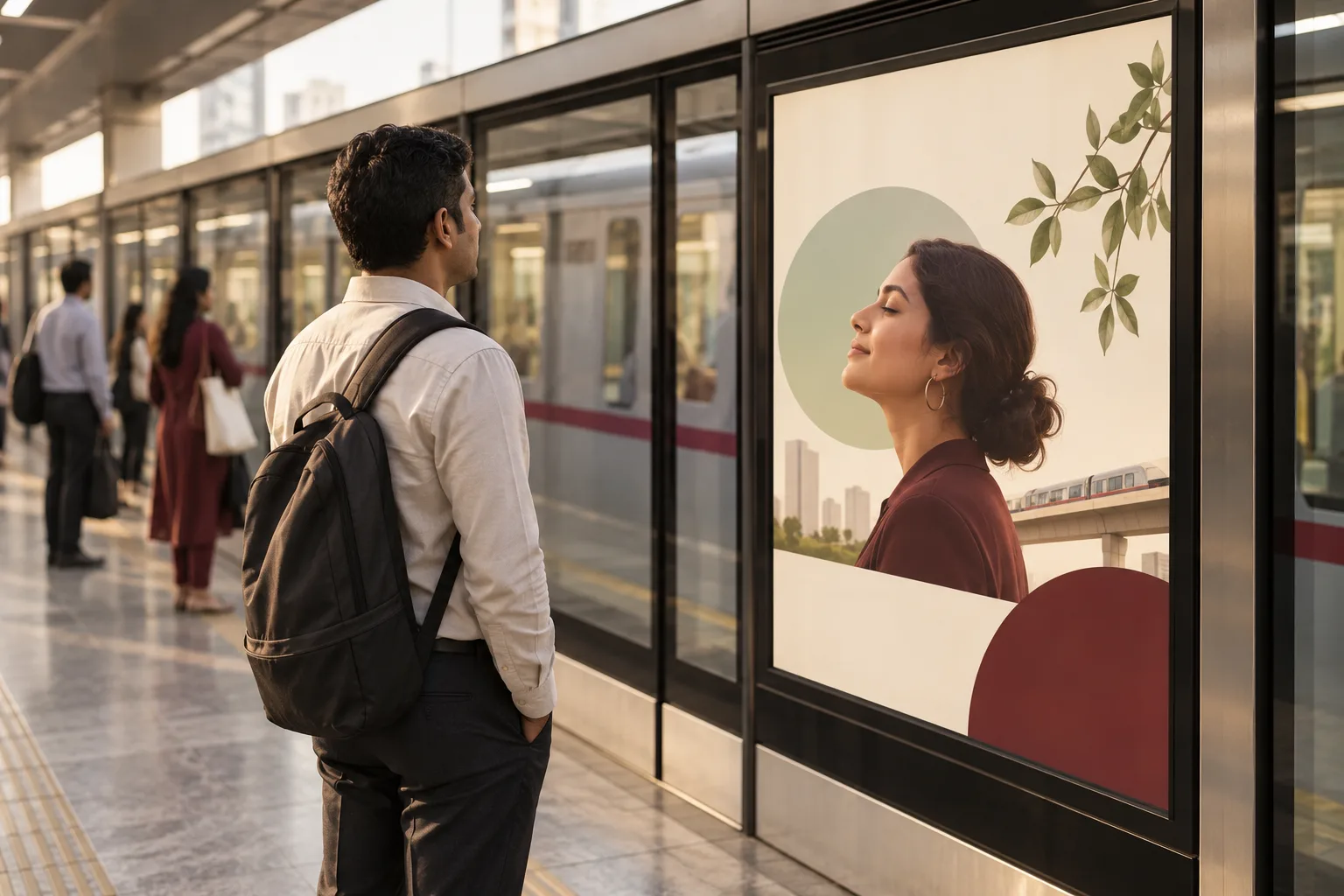 7 min read · 21 Sept 2026How to design metro and transit advertisingA commuter stands still in front of a platform panel for four minutes and passes the same one twice a day for a month. Design for the sixth viewing.
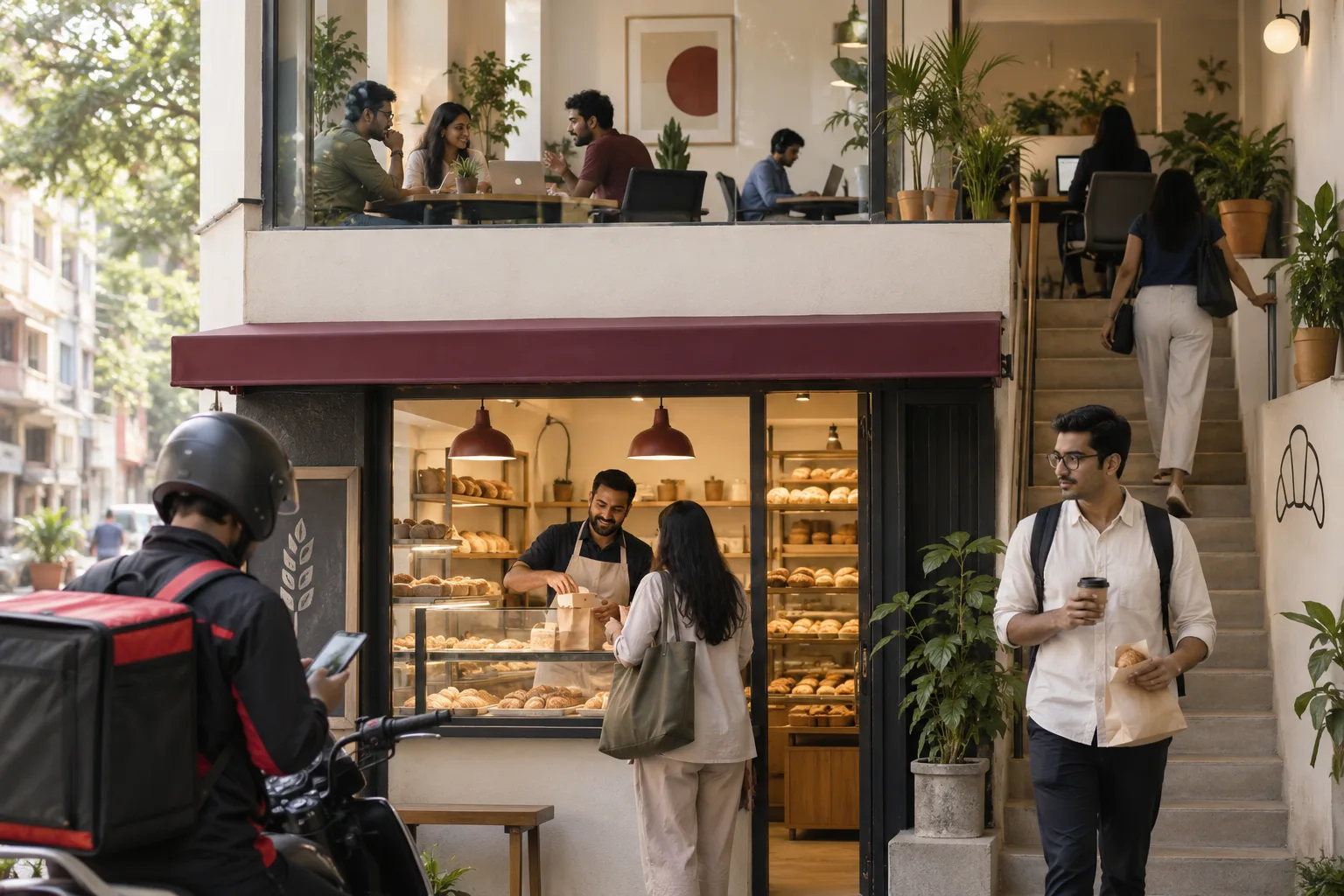 7 min read · 21 Sept 2026How to advertise to startup employeesThere is no tech park to buy. A forty person company sits above a bakery, so the audience is the neighbourhood, the delivery app and the coworking floor.
More for cafes and coffee shops
Everything else we would do for you.
Closest to this: strategy and research
Also for cafes and coffee shops
Or start from the overview: sales and marketing for cafes and coffee shops.
Your next practical step
Tell us what you are trying to grow, and we will read it before we call.
Eight short steps, mostly taps. Skip anything you would rather answer on the call.