Cafes and coffee shops · Lead generation
Fill the booking calendar for birthdays and office orders, not just the counter.
Lead generation for a cafe means bringing in enquiries for the higher-value bookings, catering and corporate coffee supply, alongside the everyday walk-in traffic. GullySales builds pages and offers for these and tracks every enquiry that comes in.
Scope, fee, reporting and term are agreed in writing after we have read your brief and spoken to you.
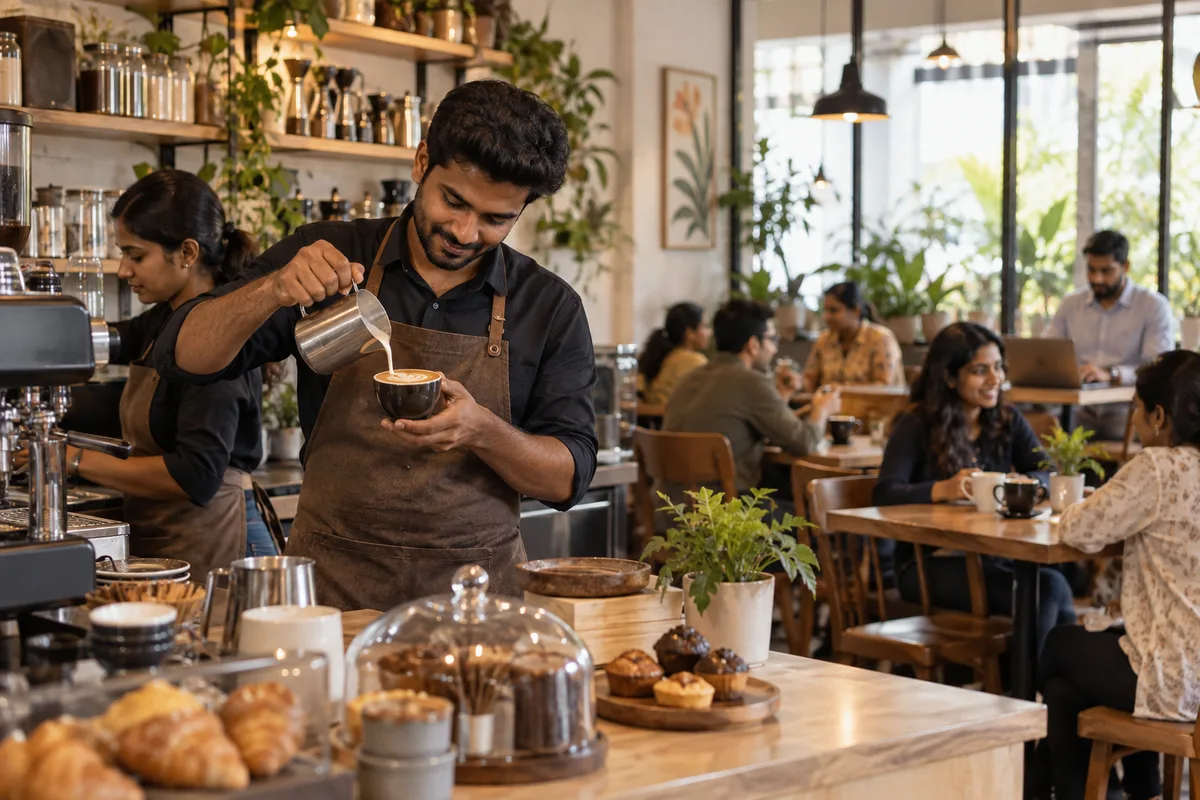
What lead generation means
Lead generation is the combined work of every channel that brings in a new enquiry, whether from search, adverts, referrals or a stall at an exhibition. GullySales runs these channels together and reports the number of enquiries each one produced, not the activity behind it.
Also for cafes and coffee shops
- Follow-up systems for cafes and coffee shops
- CRM for cafes and coffee shops
- Branding for cafes and coffee shops
- Buyer journey for cafes and coffee shops
- Buyer personas for cafes and coffee shops
- Content marketing for cafes and coffee shops
- Digital marketing for cafes and coffee shops
- Email marketing for cafes and coffee shops
Sales and marketing for cafes and coffee shops, the overview.
Last updated 8 Nov 2026. Rules for this trade differ by state and professional body, and they change. We describe restrictions in general terms, so check the current position with your own council or adviser before you publish anything.
For cafes and coffee shops
Where it usually goes wrong, and what we would do.
“A catering page earns enquiries a coffee menu never will”
An office manager searching for catering for a team event needs a page that answers quantity, delivery and pricing questions before they message.
“Birthday bookings need a visible way to enquire”
A cafe with photogenic seating but no obvious booking link loses group bookings to a competitor with a clearer form or WhatsApp number.
“Corporate coffee supply is a lead type most cafes ignore”
Nearby offices are a steady, repeatable source of orders that a specialty cafe rarely markets for directly.
What we do
What we deliver for cafes and coffee shops.
Every deliverable, what it covers for you, and the result it is there to produce. Nothing here is an extra.
Catering enquiry page
A page answering quantity, delivery radius and pricing questions for office and party catering.
Result: An office manager gets enough detail to enquire without calling first.
Visible group booking enquiry path
A WhatsApp number or short form placed on the website and Instagram bio for birthday and group bookings.
Result: A group planning a celebration finds a clear way to ask, not a guess.
Corporate coffee supply outreach
A short pitch and pricing sheet aimed at nearby offices, built for recurring coffee or catering orders.
Result: A steady office account replaces the effort of chasing one-off bookings.
Enquiry source tracking sheet
A shared record showing where each catering, booking or corporate enquiry came from and what it turned into.
Result: You know which channel is worth the effort of chasing further.
How the result is measured
- Enquiries generated
- Cost per enquiry
- Enquiries by source
Recorded as a baseline before work starts, so every later report has an honest comparison.
Where enquiries come from
The places a table or order enquiry reaches a cafe, and what to record at each.
- An Instagram DM about a table or an event
- Record the date, party size and occasion. Reply with a clear yes or no and what to do next, such as the advance for a booking.
- A Google Maps call or direction request
- Check the listing shows today's timings and the correct menu. Note the call as a Maps source if it leads to a booking.
- A WhatsApp enquiry for a group or birthday booking
- Ask for the number of people, the date, the time and whether a cake or decorations are brought. Send the booking terms and the advance instructions in one message.
- An office or co-working catering request
- Record the company, the person who orders, the quantity and the delivery address. Send the catering menu and ask who signs the bill.
- A Swiggy or Zomato order from a new customer
- Write down the order and whether it is the first from that customer. Add a card or note inviting them to visit the cafe, without discount codes that you cannot honour.
- A walk-in who asks about events or hiring the space
- Write down the name, the occasion and a number before they leave. Pass it to the owner with the date, since these are the highest-value tables.
Who it is for
This is written for these cafes and coffee shops.
- Independent single-outlet cafes
- Specialty coffee roasters with a cafe
- Cafes inside co-working spaces
- Bakery cafes
- Cafe chains opening new outlets
- Cloud kitchen and delivery-only cafes
- Cafes attached to bookstores or art spaces
- Late-night and student-area cafes
Not for
It is not the right fit if.
- The cafe has no one to take a catering or party booking call, so enquiries would reach nobody.
- There is no price sheet for groups, and each caller would get a different quote.
- You do not plan to host events or catering, so the leads would not be wanted.
How it works
How the lead generation work runs
The work itself, in order. How an engagement starts, from your brief to a written scope, is set out on our method page.
- 1
Understand your capacity
We ask how many enquiries your team can answer well, who answers after hours, and what a good enquiry looks like. Without this, the system fills a funnel nobody is watching.
- 2
Audit current sources
We read your call log, WhatsApp chats, enquiry sheet and platform dashboards. The baseline is recorded: enquiries by source, reply time, conversion and cost per order.
- 3
Strategise the channel mix
Search and maps are chosen for people ready to buy, ads for people who are not yet looking, and content and referrals for trust.
- 4
Implement capture and follow-up
Pages, forms, tags, the lead record and the first-reply message are built and tested end to end. We submit test enquiries ourselves before any media money is spent.
- 5
Measure and optimise
Enquiries are traced to source and judged by what became orders, not by volume alone. Channels that fill the sheet with poor enquiries are cut back. How often you are reported to is agreed in writing.
Where this fits
Three pieces of sales work, in this order.
This work sits inside sales process design, at stage 1, prospecting and lead generation. The audit comes before it, and sales management keeps it running.
Step 1
Sales audit
Find where deals are being lost and what to fix first.
Start here if you cannot say where orders are lost.
Step 2 · you are here
Sales process design
One written way to sell, from first enquiry to repeat order.
Start here if every salesperson sells differently.
Step 3
Sales management
A target, a review routine and someone who owns the number.
Start here if the team has targets and no routine.
FAQ
Questions owners ask before they call.
Not here? More answers, or ask on WhatsApp.
Is this only for bigger cafes?
How do you track these enquiries?
A customer messaged on Instagram, Google and WhatsApp. How do we avoid counting one person three times?
How do we know if the delivery apps are bringing regulars or one-time orders?
How much does it cost?
How long is the contract?
How soon will we see results?
Who will actually do the work?
What do you need from us?
What if we are not happy with the work?
From the blog
Further reading for cafes and coffee shops.
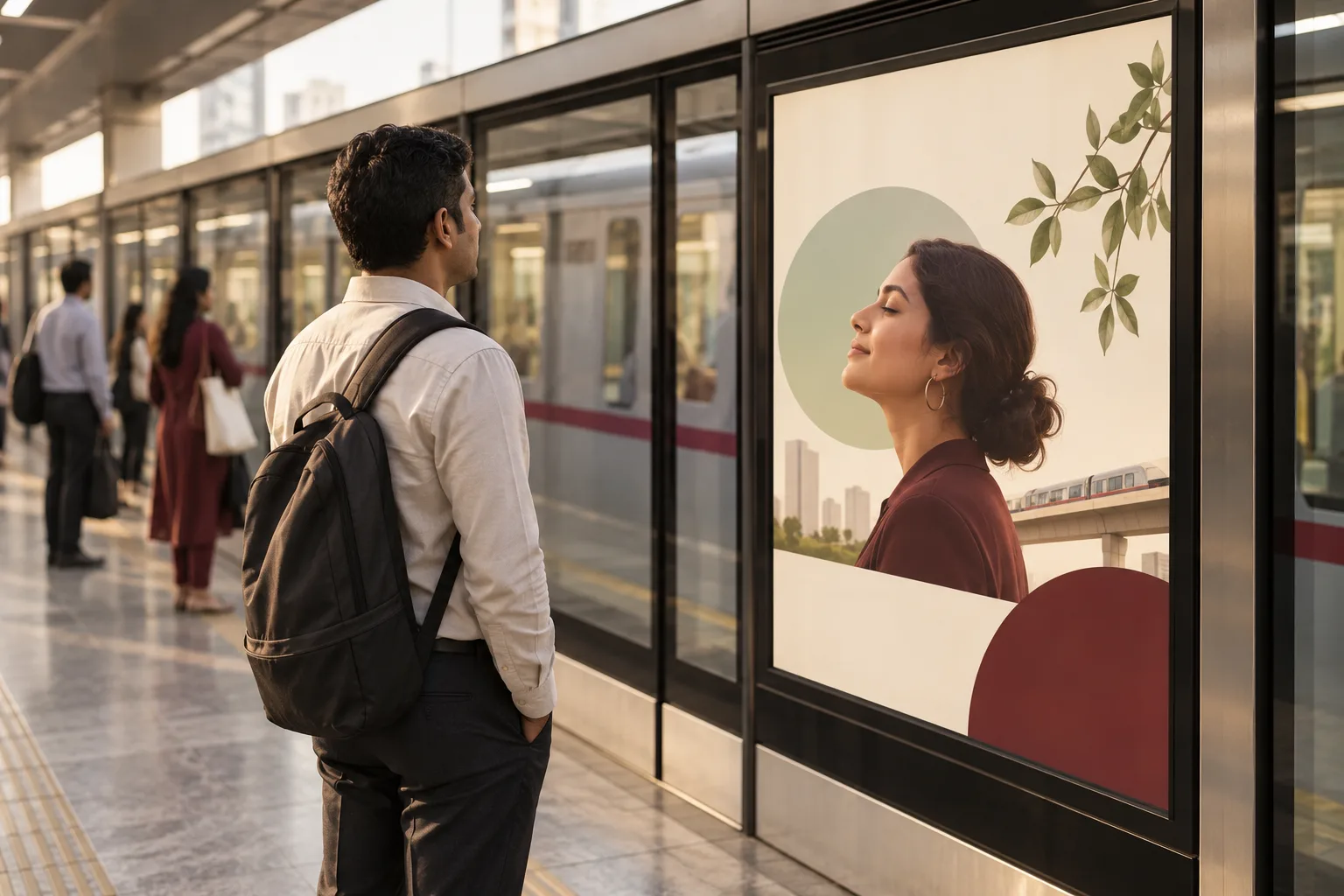 7 min read · 21 Sept 2026How to design metro and transit advertisingA commuter stands still in front of a platform panel for four minutes and passes the same one twice a day for a month. Design for the sixth viewing.
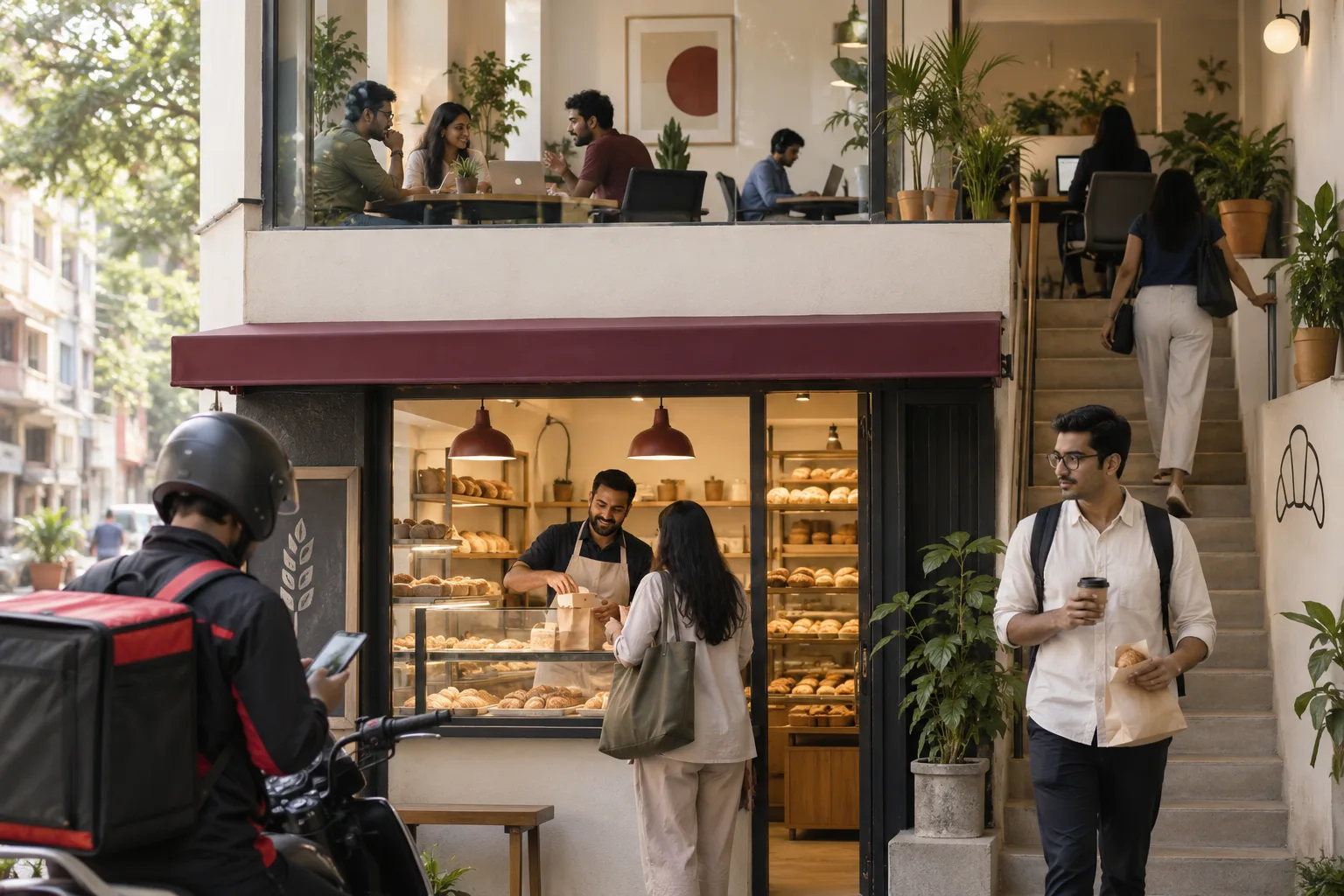 7 min read · 21 Sept 2026How to advertise to startup employeesThere is no tech park to buy. A forty person company sits above a bakery, so the audience is the neighbourhood, the delivery app and the coworking floor.
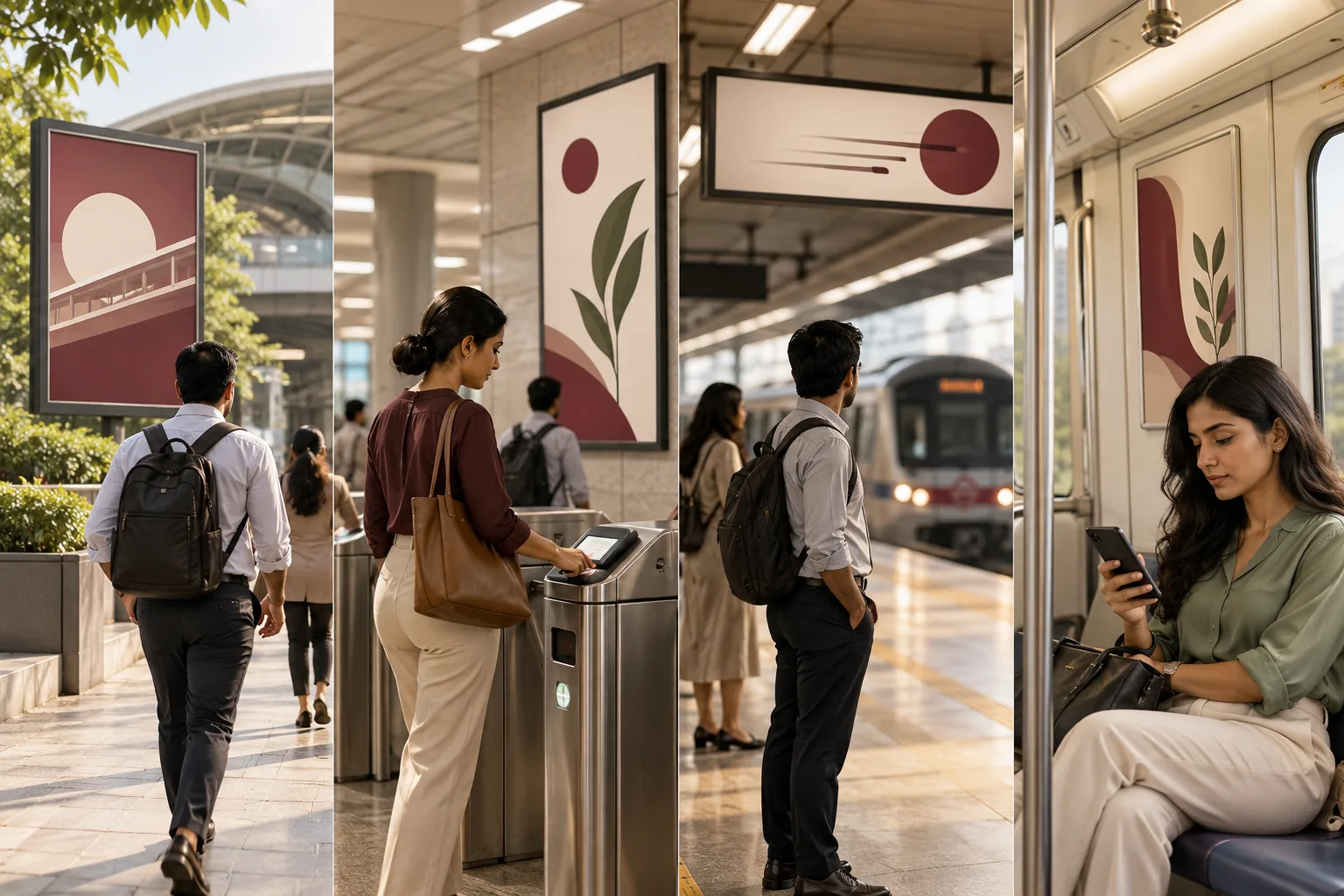 7 min read · 21 Sept 2026How to advertise to metro commutersA commuter is a mode, not a person. The journey has four still moments and each one takes different creative, which is why one design across a station never performs.
More for cafes and coffee shops
Everything else we would do for you.
Closest to this: leads and follow-up
Also for cafes and coffee shops
Or start from the overview: sales and marketing for cafes and coffee shops.
Your next practical step
Tell us what you are trying to grow, and we will read it before we call.
Eight short steps, mostly taps. Skip anything you would rather answer on the call.