Cafes and coffee shops · Follow up systems
Chase the catering quote before the event date goes past.
A follow-up system for a cafe decides what happens to the enquiry nobody answered: the birthday booking message left overnight, the catering quote sent and never chased, the call that came in during the lunch rush. GullySales writes the chase into the counter routine and sets the point where you stop.
Scope, fee, reporting and term are agreed in writing after we have read your brief and spoken to you.
What follow up systems means
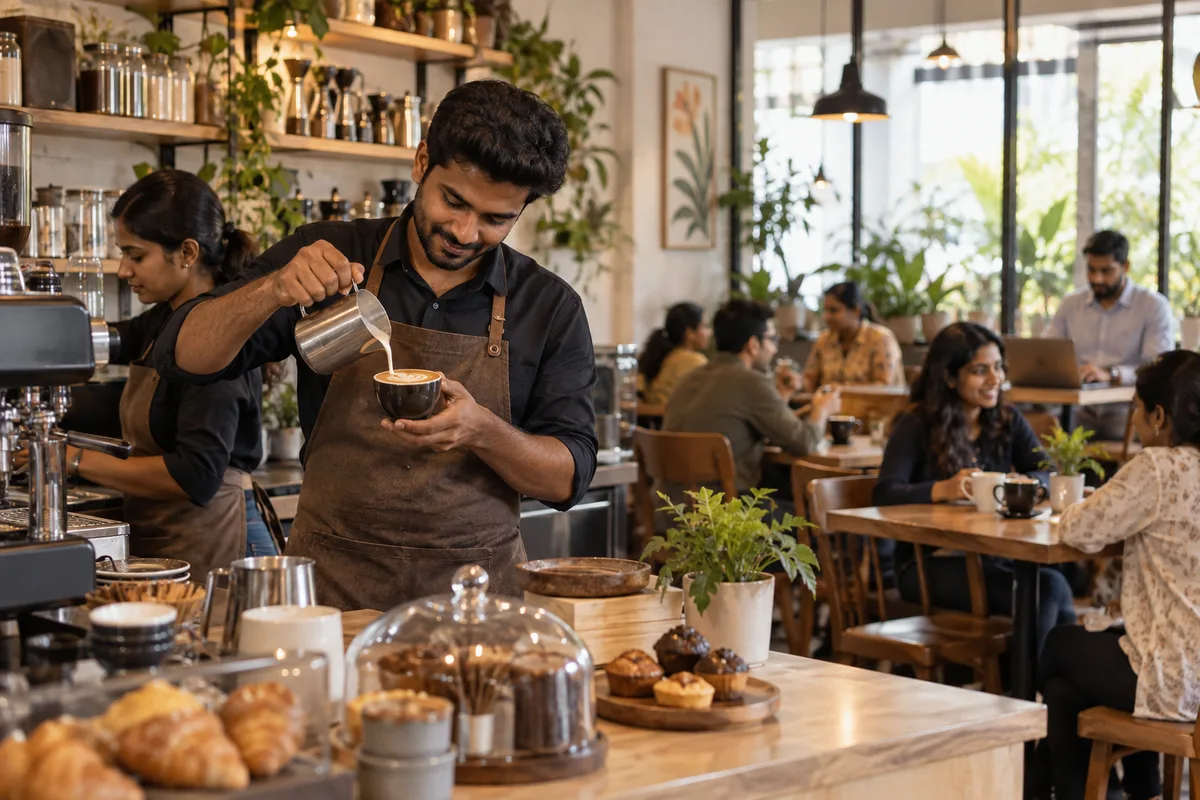
A follow-up system is the set routine for calling, messaging or emailing an enquiry more than once, since most buyers do not decide on the first conversation. GullySales sets the number and timing of follow-ups so an undecided buyer keeps hearing from you until they decide either way.
Also for cafes and coffee shops
- Lead generation for cafes and coffee shops
- CRM for cafes and coffee shops
- Branding for cafes and coffee shops
- Buyer journey for cafes and coffee shops
- Buyer personas for cafes and coffee shops
- Content marketing for cafes and coffee shops
- Digital marketing for cafes and coffee shops
- Email marketing for cafes and coffee shops
Sales and marketing for cafes and coffee shops, the overview.
Last updated 8 Nov 2026. Rules for this trade differ by state and professional body, and they change. We describe restrictions in general terms, so check the current position with your own council or adviser before you publish anything.
For cafes and coffee shops
Where it usually goes wrong, and what we would do.
“The rush is when enquiries go missing”
Between noon and three nobody opens the Instagram inbox, so a message about a Saturday booking sits until the evening shift reads it and the group has already booked elsewhere.
“A catering quote is chased against their date, not yours”
An office ordering for a Friday event decides by Wednesday. The chase has to be timed to that date rather than to how many days your quote has been sitting out.
“Write down where the chasing stops”
Two unanswered messages about a table booking is enough. A third reads as pestering to somebody who simply picked another place, and they will remember it.
What we do
What we deliver for cafes and coffee shops.
Every deliverable, what it covers for you, and the result it is there to produce. Nothing here is an extra.
One inbox for calls, DMs and WhatsApp
Enquiries from Instagram, WhatsApp, the phone and the delivery apps brought into one list the counter can see during a shift.
Result: Nothing waits for somebody to think of checking a second app.
A chase timed to the customer's date
Follow-ups on a catering or group booking quote scheduled backwards from the event, not forwards from the day you sent it.
Result: A catering enquiry gets chased while the event is still being planned.
A missed-call routine for the busy hours
A named person on each shift who returns the calls that came in during the rush, working from a written list of numbers and reasons.
Result: A call that came at one o'clock still gets answered that day.
A written stop rule
How many times a quiet booking or catering enquiry gets chased, and what the last message says before you leave it.
Result: Your team knows when to stop instead of guessing.
The reminder sent before a confirmed booking
A short message to a confirmed table or event booking ahead of the day, naming the time, the number of guests and what has been paid.
Result: Fewer tables held empty for a group that never turned up.
How the result is measured
- Follow-up completion rate
- Average number of follow-ups before close
- Enquiries closed after repeat follow-up
Recorded as a baseline before work starts, so every later report has an honest comparison.
Follow-up routine for this trade
Here is what the cafe does when an enquiry stops answering.
- Birthday or party enquiry, no booking
- Reply with the table plan, the minimum order and a date by which the table can be held. The shift manager writes the date and the guest's name on the booking board.
- Catering quote sent to an office
- Ring the office admin who asked, not the number on the email. Ask whether the head count has been confirmed and whether the pantry or event team decides.
- Call missed during the lunch rush
- Whoever closes the counter clears the missed call list before the evening rush and sends a short message to each number. Write the outcome beside the number.
- Customer asked about the coworking or hall hire
- Offer a time for a walk-through when the cafe is quiet, and record the date and group size. Note who needs to approve it on their side.
- Booked guest who has not confirmed
- Message the day before with the time, number of guests and any pre-order. Ask for a reply if plans change so the table can go to someone else.
- Regular who has stopped coming
- Check the loyalty app or the billing records and send a personal message about a new item on the menu. Do not mention a discount unless the owner has set one.
Who it is for
This is written for these cafes and coffee shops.
- Independent single-outlet cafes
- Specialty coffee roasters with a cafe
- Cafes inside co-working spaces
- Bakery cafes
- Cafe chains opening new outlets
- Cloud kitchen and delivery-only cafes
- Cafes attached to bookstores or art spaces
- Late-night and student-area cafes
Not for
It is not the right fit if.
- Enquiries come on personal phones and are not recorded, so there would be nothing to follow up.
- No one has been asked to own the callbacks, and a system with no owner will not be used.
- The cafe has no group price, and the follow-up would only repeat that the quote is on its way.
How it works
How the follow up systems work runs
The work itself, in order. How an engagement starts, from your brief to a written scope, is set out on our method page.
- 1
Measure today's reply time
From your recent enquiries, we set the time each arrived against its first reply, using the call log, chats, form entries and portal panel. We also count the follow-ups each one got.
- 2
Agree targets and the sequence
We set reply targets and the follow-up sequence with your team, based on its real hours and workload.
- 3
Write the templates and first-call questions
The first reply, the quote follow-up and the last attempt are written in your voice and loaded as quick replies. The first-call questions are agreed with your best salesperson.
- 4
Set ownership, tasks and alerts
Named owners, cover for leave and CRM or sheet tasks go live. App alerts, such as IndiaMART's, are switched on for the right phones.
- 5
Track and adjust
Reply time and follow-up completion are reported against the baseline, and the routine is changed where it is not kept. How often you are reported to is agreed in writing.
Where this fits
Three pieces of sales work, in this order.
This work sits inside sales process design, at stage 2, qualification. The audit comes before it, and sales management keeps it running.
Step 1
Sales audit
Find where deals are being lost and what to fix first.
Start here if you cannot say where orders are lost.
Step 2 · you are here
Sales process design
One written way to sell, from first enquiry to repeat order.
Start here if every salesperson sells differently.
Step 3
Sales management
A target, a review routine and someone who owns the number.
Start here if the team has targets and no routine.
FAQ
Questions owners ask before they call.
Not here? More answers, or ask on WhatsApp.
Who does the chasing when the counter is busy?
Is it worth following up a table booking for two?
Is WhatsApp the right place to chase a birthday or catering enquiry?
A corporate catering enquiry said no. Do we ever contact them again?
How much does it cost?
How long is the contract?
How soon will we see results?
What do you need from us?
What if we are not happy with the work?
From the blog
Further reading for cafes and coffee shops.
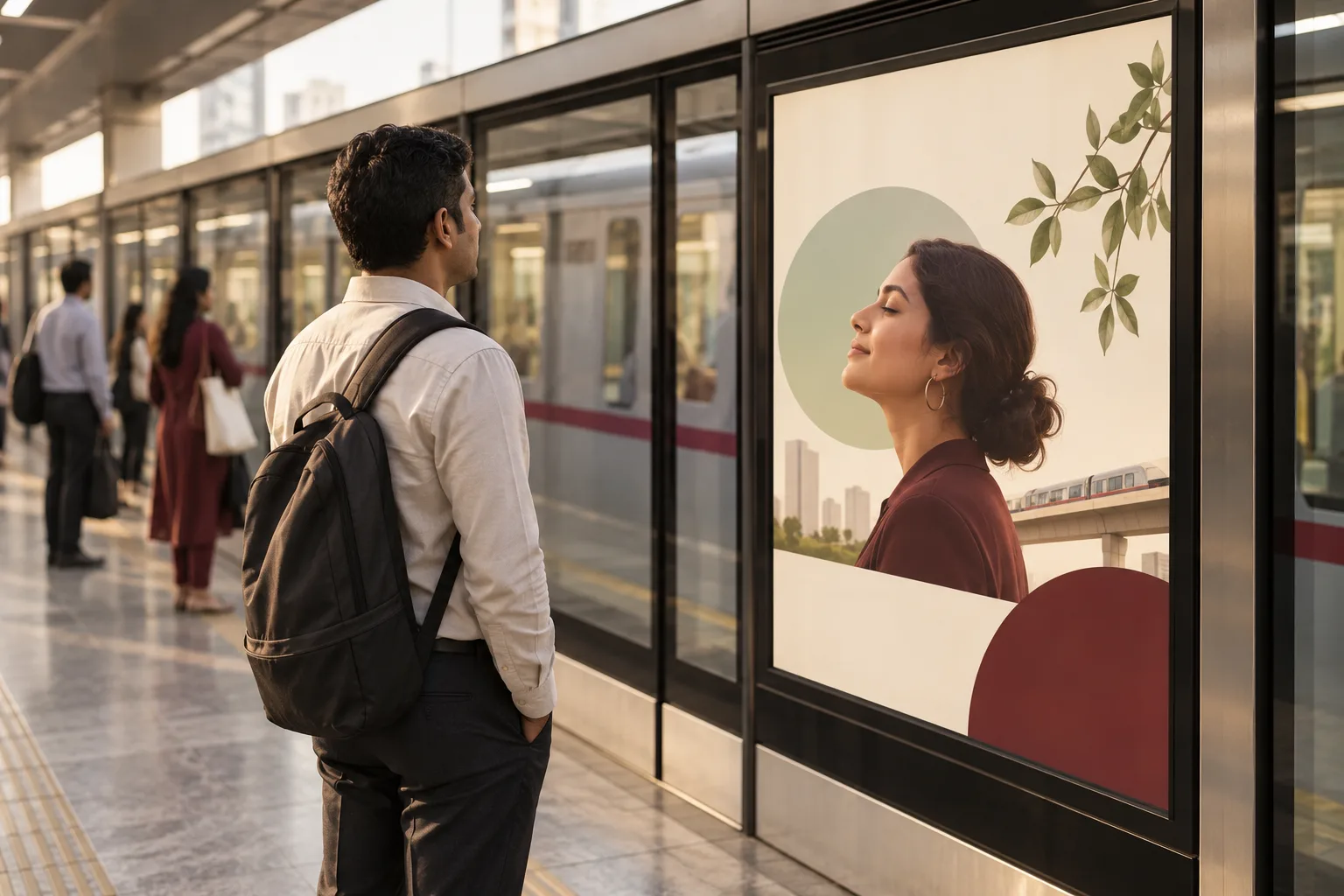 7 min read · 21 Sept 2026How to design metro and transit advertisingA commuter stands still in front of a platform panel for four minutes and passes the same one twice a day for a month. Design for the sixth viewing.
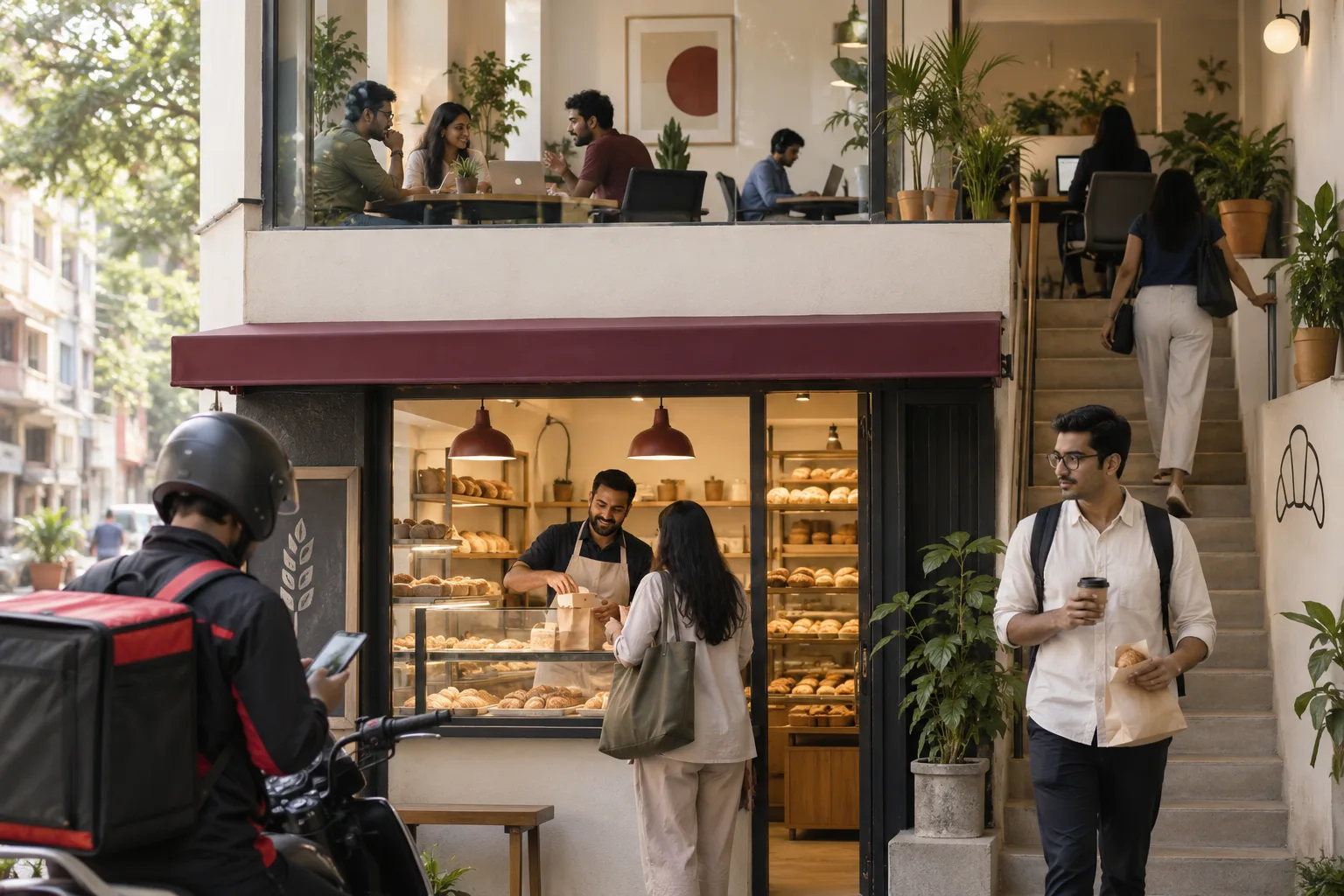 7 min read · 21 Sept 2026How to advertise to startup employeesThere is no tech park to buy. A forty person company sits above a bakery, so the audience is the neighbourhood, the delivery app and the coworking floor.
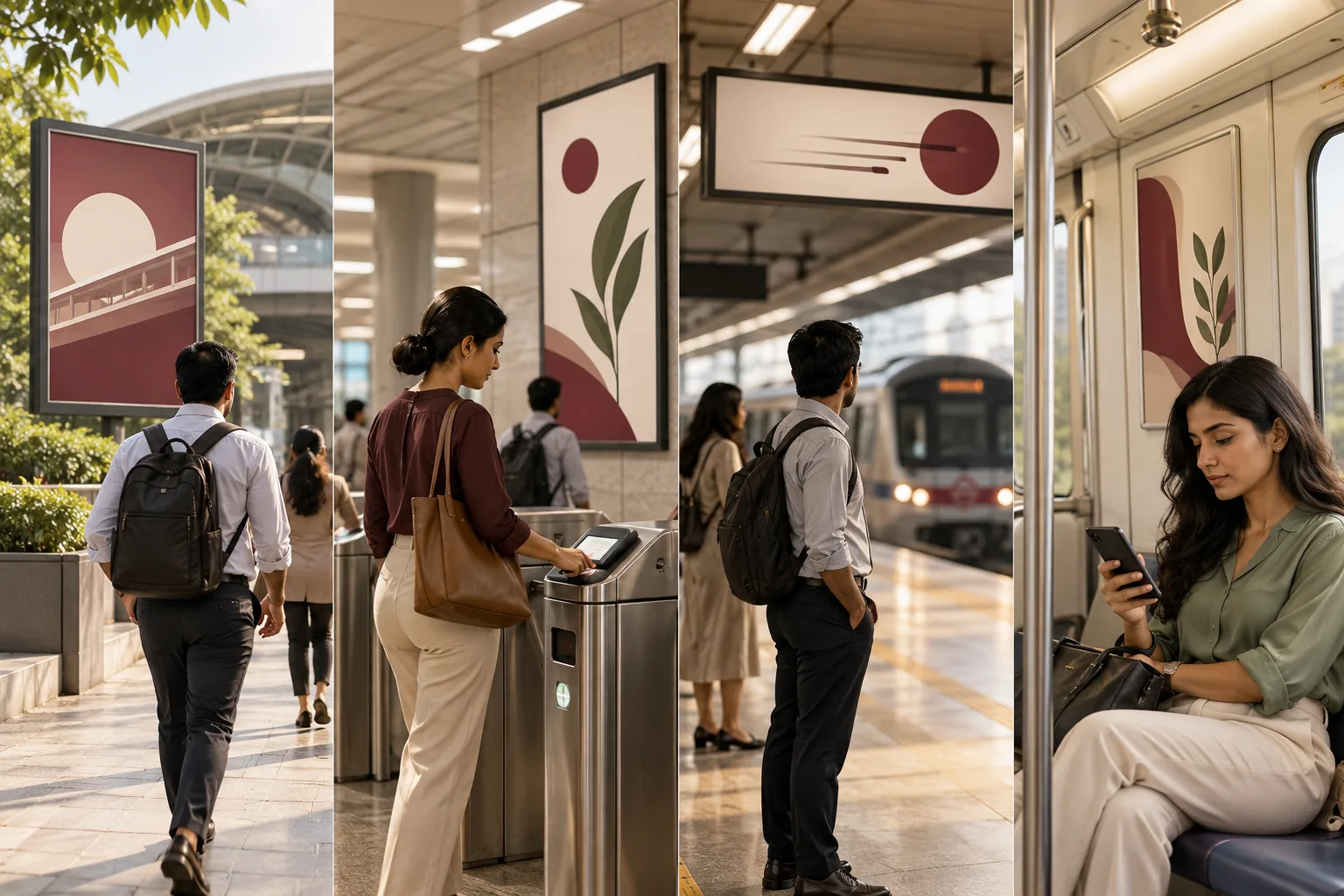 7 min read · 21 Sept 2026How to advertise to metro commutersA commuter is a mode, not a person. The journey has four still moments and each one takes different creative, which is why one design across a station never performs.
More for cafes and coffee shops
Everything else we would do for you.
Closest to this: leads and follow-up
Also for cafes and coffee shops
Or start from the overview: sales and marketing for cafes and coffee shops.
Your next practical step
Tell us what you are trying to grow, and we will read it before we call.
Eight short steps, mostly taps. Skip anything you would rather answer on the call.