Hotels · Pay per click advertising
Show up for the search that already has an intent to book, not a browsing one.
PPC for a hotel is paid search and display advertising aimed at travellers actively searching for a room, a banquet hall or a staycation in your city. It is not broad awareness advertising. GullySales runs this for specific, time-bound goals such as a quiet weekend or a corporate stay push, not as a permanent spend.
Scope, fee, reporting and term are agreed in writing after we have read your brief and spoken to you.
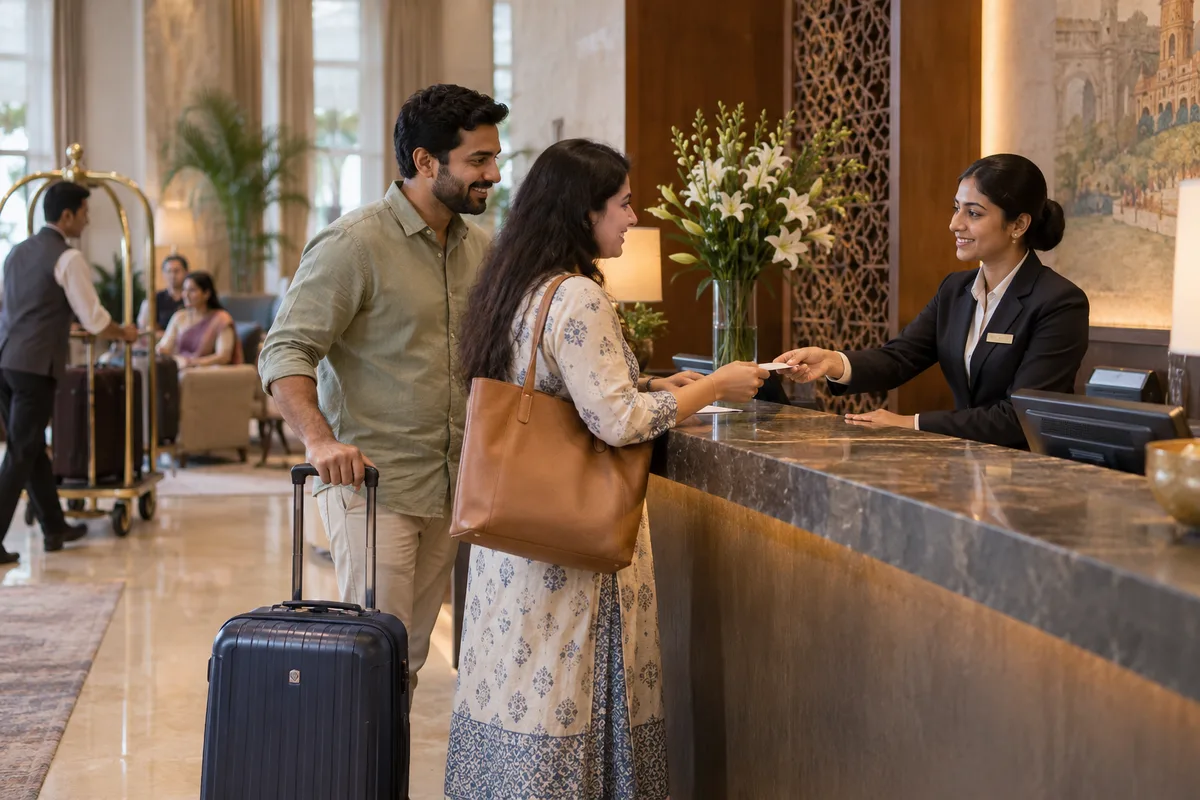
What pay per click advertising means
Pay per click advertising (PPC) is paying a fee each time someone clicks your advert on Google or another platform. It puts you at the top of a search page immediately, instead of waiting for ranking to build. GullySales sets the targeting, writes the ad text and checks spend against enquiries received.
Last updated 5 Oct 2026.
For hotels
Where it usually goes wrong, and what we would do.
“Banquet enquiries justify a different campaign from room bookings”
A search for wedding venues in a locality has a longer decision cycle and a higher value per booking, and the advertisement and landing page should reflect that.
“Retargeting recovers the traveller who compared and left”
A visitor who checked your room rates but did not book can be shown a specific offer before they book a competitor instead.
“Seasonal campaigns match seasonal gaps”
A short campaign timed to a known quiet period, such as the monsoon lull, fills rooms that would otherwise sit empty rather than running spend all year.
What we do
What we deliver for hotels.
Every deliverable, what it covers for you, and the result it is there to produce. Nothing here is an extra.
Banquet search campaign with its own landing page
A campaign for wedding venue and event hall searches in your city, sending clicks to the banquet page, not the homepage.
Result: A wedding family lands exactly where their question is answered.
Retargeting campaign for visitors who checked rates
An advertisement shown to a visitor who viewed your room rates but left, before they book a competitor instead.
Result: A traveller who was already interested gets one more chance to book direct.
Seasonal campaign timed to a known quiet period
A short campaign built around a specific gap, such as the monsoon lull or a slow weekday, rather than running all year.
Result: Rooms that would sit empty get a chance to fill.
Corporate stay campaign for the travel desk audience
A campaign aimed at corporate travel managers and procurement contacts searching for negotiated rates and meeting space.
Result: A corporate booker finds your property before calling a competitor.
Spend and booking report
A report against your baseline showing spend, enquiries and bookings by campaign, not just clicks.
Result: The owner sees which campaign actually filled rooms.
How the result is measured
- Cost per click
- Cost per enquiry
- Enquiries from paid search
Recorded as a baseline before work starts, so every later report has an honest comparison.
Searches to bid on and block
The searches worth paying for at a hotel, and the ones to keep out.
- Hotel plus area or landmark, such as hotel near the airport or tech park
- Bid on the places guests actually visit. The traveller has a purpose and a date. Name the landmark and the distance, and show the direct rate or a direct booking benefit.
- Banquet hall and wedding venue searches
- Bid, as a separate campaign with its own page. The family wants hall capacity, catering and dates. Ask for the date and the guest count before a phone number.
- Corporate stay and long stay searches
- Bid, for travel desks and HR. Show the weekday corporate rate terms and the nearest offices. Ask for the company, the number of rooms and the nights.
- Your own hotel name plus book or rates
- Bid, in a small separate campaign. OTAs and metasearch sites bid on your name, so a guest who typed it can land on their page. Make the advertisement say book direct, with the benefit.
- Hotel jobs, hospitality course, supplier and free stay searches
- Block. Hotel job vacancy, hotel management admission, linen supplier and free stay come from job seekers and vendors. Add them as negatives.
- Where the click lands, and what to count
- Send room clicks to a booking page with the direct rate, and banquet clicks to a banquet page with capacity and a form. Count a direct booking, or a banquet enquiry with a date and a guest count.
Who it is for
This is written for these hotels.
- Business and transit hotels
- Boutique and heritage properties
- Resort and destination hotels
- Budget and mid-market chains
- Banquet and wedding-focused properties
- Serviced apartments and long-stay properties
Not for
It is not the right fit if.
- Your booking engine or enquiry form does not work on a phone, and each paid click would end at a page that cannot take a booking
- You have no one to answer a banquet enquiry on the day it arrives, so paying for the search would hand the wedding to the next hall
- The hotel is full on the dates you would bid for, so spend would buy clicks for rooms that are gone
How it works
How the pay per click advertising work runs
The work itself, in order. How an engagement starts, from your brief to a written scope, is set out on our method page.
- 1
Agree the whole budget
We fix the total paid budget across platforms, who owns each ad account, and how much is open to moving.
- 2
Audit tracking and accounts
We check that conversions fire once, that calls and WhatsApp chats are counted, and that your enquiry sheet matches what the platforms say.
- 3
Set one definition of success
You and we agree what a qualified enquiry is and what an order is, so every platform is judged the same way.
- 4
Build and launch the plan
Campaigns are structured across platforms with shared naming and tags from day one.
- 5
Read search terms and lead quality
We review the queries that triggered ads and the enquiries that arrived, and remove waste before moving money.
- 6
Reallocate and report
Budget moves toward what is earning, within agreed limits. Results are reported against the baseline, at the frequency agreed in writing.
Proof
What happened when owners fixed this.
Real clients, the work we did, and the result as it was recorded. Where no number was recorded, none is claimed.
Hotel Felicity Inn
- Situation
- A traveller compares three hotels on a phone and books one. The website was not built for that.
- What we did
- The site rebuilt around booking
- Photography and one look
- Search work for destination searches
- Content a traveller reads
- Result
- Online bookings increased 35%
- Organic traffic increased 50% within six months
- Positive reviews on Google and TripAdvisor increased 30%
Also worked with
Chord Road Hospital · Curtain Label · Difesa Security Services · Hands On CSR · Implevista · Kambar Group · Kalessi · Kerur Pain Clinic · LL Trust · Lucky Deals · Natural Gases · NavaShakthi Souhardha · NewCom Logistics · Proton Technical Services · SB Engineering · Shakthi Foundation · Shakthi Group · Urbanest · Insyde Studio · Venkateshwara Laser Tech · Vivara Studios
Where this fits
Three pieces of sales work, in this order.
This work sits inside sales process design, at stage 1, prospecting and lead generation. The audit comes before it, and sales management keeps it running.
Step 1
Sales audit
Find where deals are being lost and what to fix first.
Start here if you cannot say where orders are lost.
Step 2 · you are here
Sales process design
One written way to sell, from first enquiry to repeat order.
Start here if every salesperson sells differently.
Step 3
Sales management
A target, a review routine and someone who owns the number.
Start here if the team has targets and no routine.
FAQ
Questions owners ask before they call.
Not here? More answers, or ask on WhatsApp.
Is this better than OTA advertising?
How much should we spend?
Should we bid against OTAs on our hotel's name?
What do we do with dates when the hotel is nearly full?
How long is the contract?
How soon will we see results?
Who will actually do the work?
What do you need from us?
What if we are not happy with the work?
From the blog
Further reading for hotels.
 6 min read · 14 Oct 2026Building an off-season plan for a hotel, resort or venueHow to fill the quiet weeks with local residents, corporate meetings and low-cost packages, using a planning sheet that sets the floor price before the offer goes out.
 5 min read · 6 Oct 2026What buyers check before they book a stay or a catererGuests, tenants and event families judge hotels, homestays, PGs, serviced apartments and caterers on the same four checks. Here is what each check looks like and how to pass it.
 8 min read · 21 Sept 2026Premium audience advertising strategyNo platform in India sells you verified income. Everything offered as affluence targeting is inference, and the cheapest filter you own is putting the price in the first frame.
More for hotels
Everything else we would do for you.
Closest to this: paid and media
Also for hotels
Or start from the overview: sales and marketing for hotels.
Your next practical step
Tell us what you are trying to grow, and we will read it before we call.
Eight short steps, mostly taps. Skip anything you would rather answer on the call.