Restaurants · Follow up systems
Every party enquiry and every first-time guest deserves a second message from you.
A follow-up system for a restaurant is the set of steps that happen after an enquiry or a visit: who replies, what is sent, when someone rings back and who is told. GullySales writes the steps down so they do not depend on one person's memory on a busy night.
Scope, fee, reporting and term are agreed in writing after we have read your brief and spoken to you.
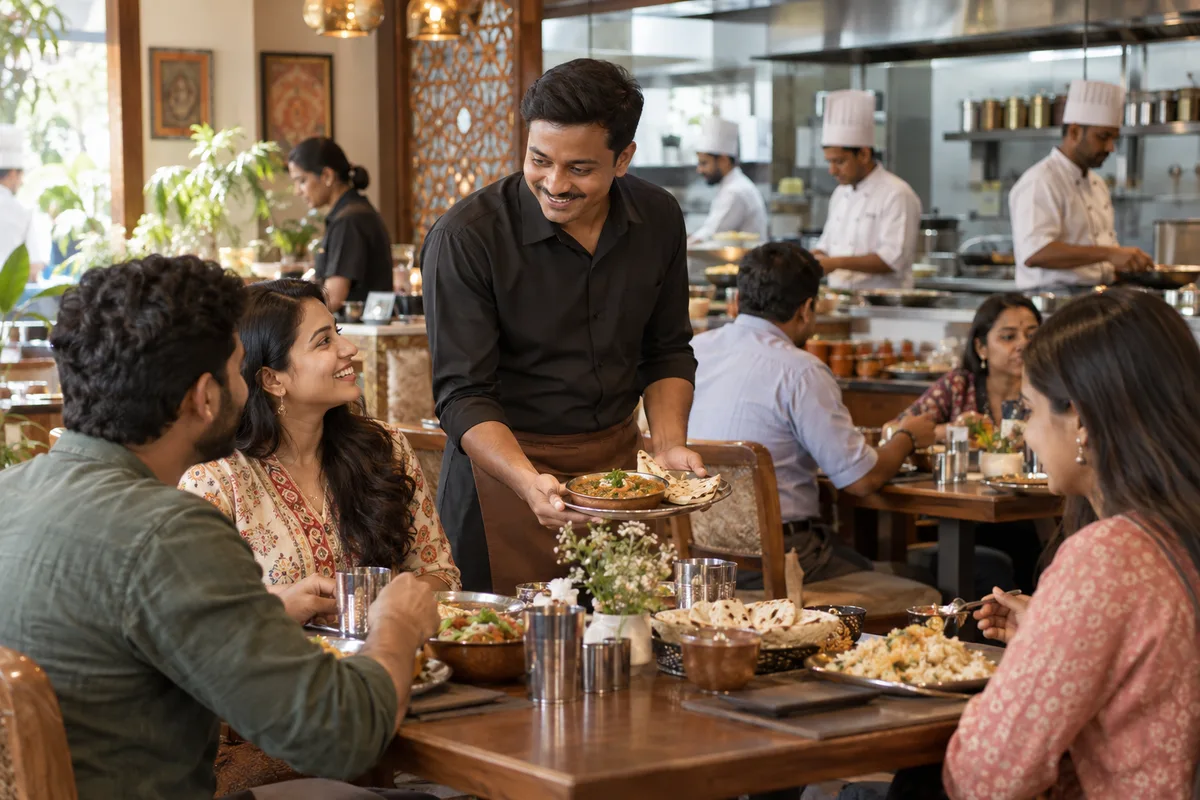
What follow up systems means
A follow-up system is the set routine for calling, messaging or emailing an enquiry more than once, since most buyers do not decide on the first conversation. GullySales sets the number and timing of follow-ups so an undecided buyer keeps hearing from you until they decide either way.
Last updated 5 Oct 2026. Rules for this trade differ by state and professional body, and they change. We describe restrictions in general terms, so check the current position with your own council or adviser before you publish anything.
For restaurants
Where it usually goes wrong, and what we would do.
“The enquiry arrives at the worst moment”
A call for a table of twenty comes in at the peak of service. The person who picks up has food to run, says someone will ring back and has no place to write the name down.
“Quotes sent and then left alone”
A set menu goes out on WhatsApp and the organiser reads it. Without a nudge, the booking drifts to the place that asked once more, and you hear nothing either way.
“First-time guests are thanked by nobody”
A couple dines for the first time and leaves content. No message, no review request, no invitation, so a good evening ends there and the next choice is a coin toss.
“Complaints are handled on the spot and then forgotten”
A manager apologises at the table and the matter is closed. The guest who was unhappy is never invited back, and the fix never reaches the kitchen or the floor.
What we do
What we deliver for restaurants.
Every deliverable, what it covers for you, and the result it is there to produce. Nothing here is an extra.
One owner for each kind of enquiry
A named person for party bookings, one for office orders and one for complaints, with a back-up when that person is off.
Result: No enquiry sits with nobody.
A log that every call and message goes into
A shared sheet or tool that records who asked, for what date and group size, what was sent and the next step.
Result: You can see every open enquiry on one screen.
Message templates for the usual cases
Ready replies for a table enquiry, a set menu, a deposit request, a thank-you after a visit and an apology, written in your restaurant's voice.
Result: Replies go out in the same tone whoever sends them.
Reminder points set against the booking date
Prompts to check in after a quote, to confirm headcount ahead of the date and to thank the party afterwards.
Result: No booking falls away for lack of a nudge.
A short review ask after a good visit
A polite request sent to guests who said they enjoyed the meal, with the Maps link, and never offered in exchange for a rating.
Result: New reviews come from people who actually ate with you.
A look at what was missed
A short list of enquiries that went quiet, with the reason and the fix, kept by the manager.
Result: The gaps get closed and not just noticed.
How the result is measured
- Follow-up completion rate
- Average number of follow-ups before close
- Enquiries closed after repeat follow-up
Recorded as a baseline before work starts, so every later report has an honest comparison.
What to capture or send
Messages and moments a restaurant plans after an enquiry or a first visit.
- Reply to a party enquiry
- Send the set menus and the booking terms in one message. Record the date, the headcount asked and who owns the reply.
- Quote follow-up
- A short message asking if the menu suits and offering a call. Record the reply, and stop after the next one if there is none.
- Reminder before a booked party
- A message asking for the final headcount and any dietary needs. Record the numbers the kitchen will plan for.
- Thank-you after a first visit
- A line naming the dish they ordered, with a review link. Record whether it was sent.
- Complaint resolution note
- After the guest's complaint is settled, a message saying what changed. Record what was said, so the next shift knows.
Who it is for
This is written for these restaurants.
- Family restaurants and multi-cuisine dining
- South Indian vegetarian restaurants and darshinis
- Biryani, kebab and non-vegetarian specialists
- Regional cuisine restaurants
- Casual dining and bar restaurants
- Quick service restaurants and food courts
- Cloud kitchens and delivery-only brands
- Office canteens and food service operators
- Multi-outlet restaurant groups
Not for
It is not the right fit if.
- Nobody owns replies to party enquiries, so a follow-up routine would send messages that nobody answers.
- Your party menu and booking terms are not fixed, so a quote would be followed by a second quote.
How it works
How the follow up systems work runs
The work itself, in order. How an engagement starts, from your brief to a written scope, is set out on our method page.
- 1
Measure today's reply time
From your recent enquiries, we set the time each arrived against its first reply, using the call log, chats, form entries and portal panel. We also count the follow-ups each one got.
- 2
Agree targets and the sequence
We set reply targets and the follow-up sequence with your team, based on its real hours and workload.
- 3
Write the templates and first-call questions
The first reply, the quote follow-up and the last attempt are written in your voice and loaded as quick replies. The first-call questions are agreed with your best salesperson.
- 4
Set ownership, tasks and alerts
Named owners, cover for leave and CRM or sheet tasks go live. App alerts, such as IndiaMART's, are switched on for the right phones.
- 5
Track and adjust
Reply time and follow-up completion are reported against the baseline, and the routine is changed where it is not kept. How often you are reported to is agreed in writing.
Where this fits
Three pieces of sales work, in this order.
This work sits inside sales process design, at stage 2, qualification. The audit comes before it, and sales management keeps it running.
Step 1
Sales audit
Find where deals are being lost and what to fix first.
Start here if you cannot say where orders are lost.
Step 2 · you are here
Sales process design
One written way to sell, from first enquiry to repeat order.
Start here if every salesperson sells differently.
Step 3
Sales management
A target, a review routine and someone who owns the number.
Start here if the team has targets and no routine.
FAQ
Questions owners ask before they call.
Not here? More answers, or ask on WhatsApp.
Who should own the follow-up, the owner or the manager?
Is a second message pushy?
How do we follow up with a guest who complained at the table?
Which party enquiries need a call, not a message?
How much does it cost?
How long is the contract?
How soon will we see results?
Who will actually do the work?
What do you need from us?
What if we are not happy with the work?
From the blog
Further reading for restaurants.
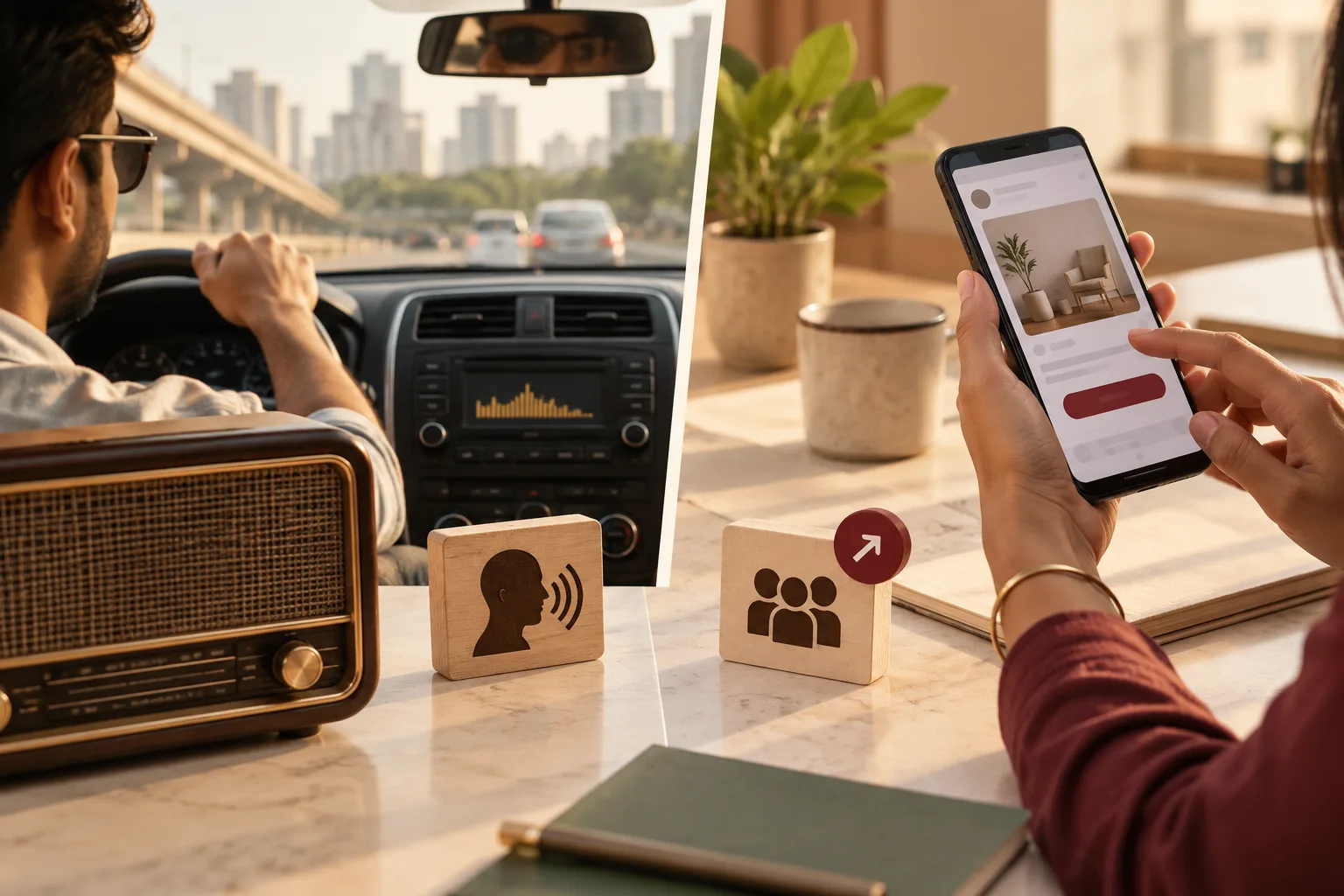 6 min read · 21 Sept 2026Radio advertising vs social media advertising: where should your money go?Radio reaches a driver who cannot click. Social reaches a thumb that can. One buys a name people remember, the other buys the enquiry itself.
 7 min read · 21 Sept 2026Local audience targeting strategyThree different people are local to you: the one who lives near you, the one who works near you, and the one searching near you. The settings that reach each are different.
 6 min read · 21 Sept 2026Influencer marketing vs social media advertising: which one should you pay for?An ad is a message you control, shown to people you choose. A creator post is a recommendation you do not control, shown to people who chose the creator.
More for restaurants
Everything else we would do for you.
Closest to this: leads and follow-up
Also for restaurants
Or start from the overview: sales and marketing for restaurants.
Your next practical step
Tell us what you are trying to grow, and we will read it before we call.
Eight short steps, mostly taps. Skip anything you would rather answer on the call.