Aluminium profile manufacturers · Social media
Show fabricators the finished section, the finish and the plant they would be buying from.
Social media for an extruder is the set of posts, short videos and messages that put your sections and finishing line in front of fabricators, architects and installers. GullySales plans what is worth showing and sets up a simple way to answer the comments and messages it brings.
Scope, fee, reporting and term are agreed in writing after we have read your brief and spoken to you.
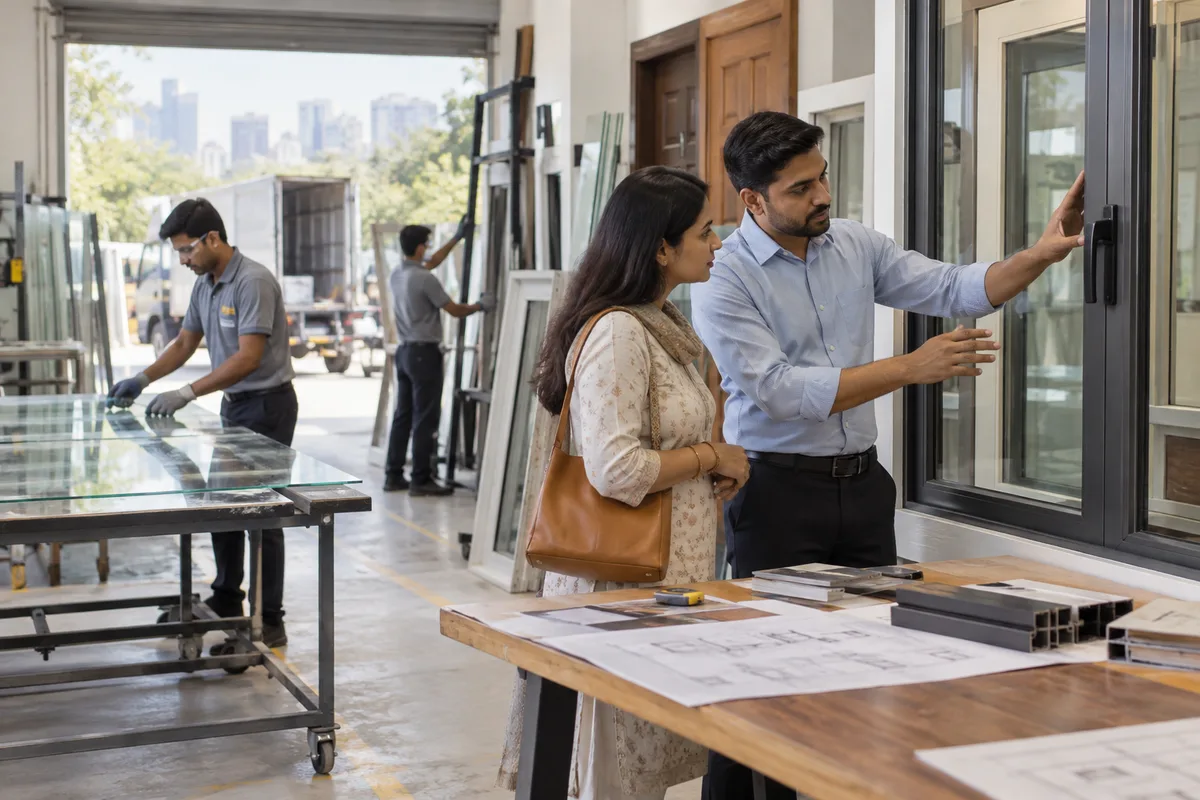
What social media means
Social media is the ongoing posting your business does on platforms such as Instagram, Facebook and LinkedIn to stay visible to customers and prospects between purchases. GullySales plans a posting calendar, writes captions and designs the images so the page looks active and answers what a visitor would ask.
Also for aluminium profile manufacturers
- Content marketing for aluminium profile manufacturers
- Lead generation for aluminium profile manufacturers
- SEO for aluminium profile manufacturers
- Buyer personas for aluminium profile manufacturers
- CRM for aluminium profile manufacturers
- Follow-up systems for aluminium profile manufacturers
- WhatsApp marketing for aluminium profile manufacturers
- Digital marketing for aluminium profile manufacturers
Sales and marketing for aluminium profile manufacturers, the overview.
Last updated 14 Nov 2026.
For aluminium profile manufacturers
Where it usually goes wrong, and what we would do.
“The plant is the proof”
A fabricator who has never visited your unit cannot judge the press, the anodising line or the powder coating booth. A short video of a billet becoming a length, with the die number visible, tells a buyer more than a paragraph of claims.
“Finished work on buildings gets shared by fabricators”
A fabricator proud of a hotel or school facade will post it, and tagging the section and finish in the caption sends interested workshops back to you. It needs the fabricator's permission and the correct die name.
“Instagram and LinkedIn serve different buyers”
Architects and builders look at project photographs and system details, which suit LinkedIn and Instagram. Small fabricators scroll YouTube and Facebook for site tips. One post pasted everywhere reaches neither group well.
“Comments and messages go unanswered”
A fabricator who comments asking about a finish is a warm lead. If nobody replies from the page, the question is answered by a competitor's profile within the same scroll.
What we do
What we deliver for aluminium profile manufacturers.
The work available for this need. We agree the deliverables and responsibilities for your engagement in writing.
Plant and process content plan
A list of shots and short videos from extrusion, finishing and dispatch, with captions that name the die and finish.
Result: Your team knows what to film on a normal working day.
Project feature posts
A routine for asking a fabricator's permission and posting their finished window or facade with the sections named.
Result: Fabricator work appears on your page with credit and consent.
Platform split
A short note on which of LinkedIn, Instagram, YouTube and Facebook suits architects, builders and fabricators, with a post type for each.
Result: Each platform carries content aimed at the buyer who uses it.
Comment and message routine
A rule for who answers a question on a post, what is said and where the enquiry is recorded.
Result: Every question on a post reaches the enquiry register.
Brand and caption sheet
Names, colours, finish wording and a list of phrases to avoid, so every post reads as one extruder.
Result: Posts from different people sound alike.
How the result is measured
- Posts published
- Engagement rate
- Enquiries from social profiles
Recorded as a baseline before work starts, so every later report has an honest comparison.
Posts and pieces to plan
Plan posts around the extrusion line and the finished lengths.
- Billet to length on the press
- A short clip showing the press and a die number in view, captioned with the section. It needs no customer name.
- Anodising or powder coat line
- A photograph of racked lengths leaving the line, naming the finish. It shows a fabricator the shade work you do.
- Finished facade or window with permission
- A fabricator's completed job, with their written approval, naming the sections and finish used.
- Packing and dispatch
- A photograph of protected lengths being loaded, showing how stock leaves the plant for a workshop.
- A new die added to the range
- A post showing the section drawing and its uses, aimed at fabricators who do not yet know it exists.
Who it is for
This is written for these aluminium profile manufacturers.
- Extruders of architectural sections for windows, doors and partitions
- Anodising and powder coating extruders selling finished lengths
- Curtain wall and structural glazing section makers
- Industrial profile makers for conveyors, machine frames and enclosures
- Solar mounting structure and rail section suppliers
- Furniture, kitchen and wardrobe profile makers
- Extruders with a branded window system sold through licensed fabricators
- Smaller extrusion units supplying a district or a state
Before you decide
When this may not be the right fit.
- No one is assigned to answer comments or messages, so a fabricator's question would sit beside a rival's reply.
- Your plant cannot be filmed because of a customer's confidentiality terms, and there is no other proof you could show.
Before you decide
Agree the work. Know how to judge it.
Social media marketing for aluminium profile manufacturers: use these checks to prepare, choose the scope, and review what changes.
Bring the right evidence
Review the posts that produced useful conversations, not only the ones with the most views. Gather buyer questions and decide which team member can contribute credible material.
Make the scope clear
Choose the audience and channel before setting a posting volume. Agree who supplies material, approves posts, and handles messages, including complaints or questions the agency cannot answer.
Check the work in use
Follow a post through to the profile, website, and response. A useful report explains the quality of conversations and enquiries, alongside reach and engagement.
Know when to change course
If publishing takes time away from unanswered buyer messages, fix the response routine first. Do not expand to another channel without a clear reason for being there.
These are discussion points, not a fixed package. GullySales confirms the deliverables, responsibilities, fee, and term in writing after reading your brief and speaking with you.
Before we start
What to have ready before the work starts.
The records, access and decisions this work needs from aluminium profile manufacturers. Anything missing is noted in the written scope, with who will supply it.
- Permission to film inside the plant
- A written word from the owner or plant head that tells us which areas can be filmed and which cannot. Dies, customer drawings and partly finished orders may be private. Without it we film only the yard and the finished stock, and the plant story is thin. Say if any area is off limits.
- Finished sections ready to photograph
- A few lengths in each finish, cleaned and laid out, so we can photograph the true colour and surface. They need not be the best lots. If nothing is available, we use fabricator photographs alone, and the finish shown depends on their phone cameras. Tell us a convenient day for the shoot and we will bring the lighting.
- Names of fabricators who agree to feature
- Posting a fabricator's project needs that fabricator's yes, and sometimes the building owner's as well. A list with the contact and the project is enough to begin. Without it we only post your own plant and product, which is a narrower plan. Keep the contact details next to each project so no one is posted by mistake.
- Logins for the social accounts
- The company's pages must be owned by the company, with you as an administrator. We need to be added, not given your personal password. If the pages sit under a former agency or an employee's profile, the first task changes to taking them back. Add us as editors and keep ownership with the company.
- A person who reads the messages
- Social posts bring messages and a rate request left unanswered does harm. Someone on the desk must look at the page when staff are at work and move serious requests to the register. Without that person, we advise a smaller plan with fewer posts. Say who covers when that person is away.
How it works
How the social media work runs
The work itself, in order. How an engagement starts, from your brief to a written scope, is set out on our method page.
- 1
Walk the extrusion floor with a camera
We spend a visit at the plant with a phone camera and your plant head, covering the press, the cooling table, the anodising tanks or powder coating line, and the packing bay. You point out what is safe to show and what is private. What exists afterwards is a folder of raw clips and photographs.
- 2
Collect finished-building photographs from fabricators
We ask you which fabricators have finished work you are proud of, and you make the first call to them. Once a fabricator agrees, we collect the photographs, the section used and the finish. Nothing about a project is posted unless the fabricator and the site owner have said yes.
- 3
Decide who answers the messages
Before any post is made, you name the person on your sales desk who will answer comments and direct messages, and we agree what they may quote and what must go to a call. We write them a short sheet of replies for rate requests and shade questions. The person tests it.
- 4
Split the posts between LinkedIn and Instagram
Architects and procurement staff look on LinkedIn, while fabricators and installers watch short clips on Instagram and WhatsApp. We draw up a calendar that puts each kind of content where its buyer is. You approve it and strike out anything you would rather not show a competitor. Anything unsuitable for either platform stays off the calendar.
- 5
Approve the first posts and publish
We draft captions with section names, finishes and the plant details your technician has confirmed. You read each caption against the photograph, correct the facts and approve the post. Only then does it go on the page, and the first messages that arrive are handled using the reply sheet.
- 6
Match messages to quotes sent
After the posts have run for a time you choose, we go through the messages and calls they brought against the figures recorded before we started: drawings received, quotes sent and orders from new fabricators. You decide which post types to repeat and which to drop. We do not promise reach.
Where this fits
Three pieces of sales work, in this order.
This work sits inside sales process design, at stage 0, foundation. The audit comes before it, and sales management keeps it running.
Step 1
Sales audit
Find where deals are being lost and what to fix first.
Start here if you cannot say where orders are lost.
Step 2 · you are here
Sales process design
One written way to sell, from first enquiry to repeat order.
Start here if every salesperson sells differently.
Step 3
Sales management
A target, a review routine and someone who owns the number.
Start here if the team has targets and no routine.
FAQ
Questions owners ask before they call.
Not here? More answers, or ask on WhatsApp.
Do aluminium fabricators really use social media to choose a supplier?
Whose projects can we post?
Should we run paid promotion?
Can we post a fabricator's project without asking?
Do we need our own videographer for the plant?
Who answers if a fabricator asks for a rate in the comments?
How much does it cost?
How long is the contract?
How soon will we see results?
Who will actually do the work?
More for aluminium profile manufacturers
Related work to consider.
Closest to this: content and social
Also for aluminium profile manufacturers
Or start from the overview: sales and marketing for aluminium profile manufacturers.
Your next practical step
Tell us what you are trying to grow, and we will read it before we call.
Eight short steps, mostly taps. Skip anything you would rather answer on the call.