Food processing companies · Follow up systems
Call back after the sample, the quote and the first order, so buyers do not go quiet.
A follow-up system for a food processor is a set routine for what happens after an enquiry, a sample, a quote and an order. GullySales works with your team on who calls, when they call and what they write down.
Scope, fee, reporting and term are agreed in writing after we have read your brief and spoken to you.
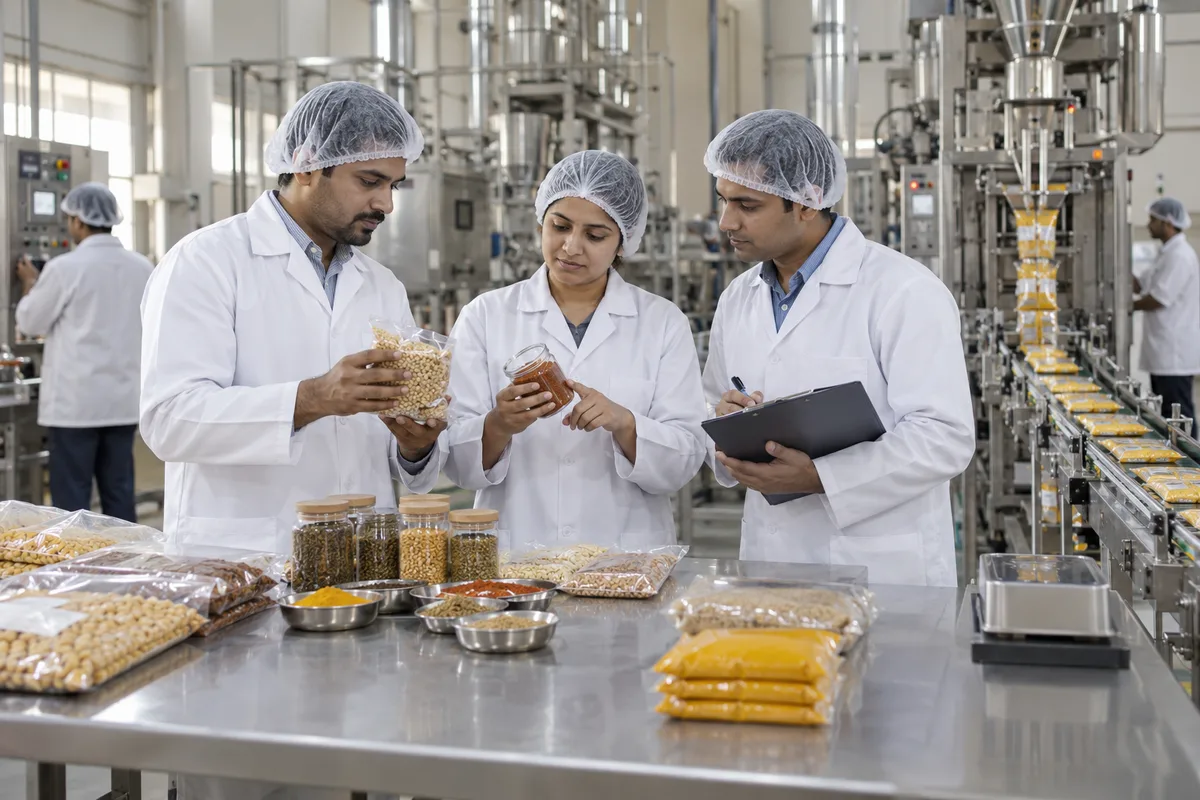
What follow up systems means
A follow-up system is the set routine for calling, messaging or emailing an enquiry more than once, since most buyers do not decide on the first conversation. GullySales sets the number and timing of follow-ups so an undecided buyer keeps hearing from you until they decide either way.
Last updated 13 Nov 2026.
For food processing companies
Where it usually goes wrong, and what we would do.
“Silence after a sample means something”
A buyer who tested your sample and said nothing may have found a problem, a better price or simply been busy. Without a call you cannot tell which, and cannot fix it.
“A quote needs a date to revisit”
A price sent on a message and never raised again is a price the buyer has forgotten. Fix a day to ask whether the quote was read and whether quantity or terms have changed.
“After the first order, the second is at stake”
The buyer will compare the second lot with the first. A call to ask how the product performed, and a note if raw material is running short, builds trust that a price cut cannot.
“Follow-up belongs to a named person”
When everyone could call, nobody does. Each open sample and quote should have one person responsible and a date, visible to the owner.
What we do
What we deliver for food processing companies.
The work available for this need. We agree the deliverables and responsibilities for your engagement in writing.
Follow-up steps
A written routine for each stage: new enquiry, sample sent, sample feedback, quote and first reorder.
Result: Everyone knows the next step at each stage.
Message templates
Short messages for each step, written in plain words and ready to adapt.
Result: Replies are consistent.
Owner list
A view of open samples and quotes with the person responsible and the next date.
Result: Overdue follow-ups are visible.
Outcome notes
A fixed way to record why a buyer ordered or did not.
Result: Reasons for lost buyers are on record.
Reorder reminders
A prompt to call buyers when a repeat order is likely.
Result: Repeat buyers are contacted before they drift.
How the result is measured
- Follow-up completion rate
- Average number of follow-ups before close
- Enquiries closed after repeat follow-up
Recorded as a baseline before work starts, so every later report has an honest comparison.
What to capture or send
The moments after an enquiry that decide whether a bulk buyer orders.
- Sample dispatch confirmation
- Message the buyer with the courier number and the batch sent. Note the date, so the follow-up call lands when the quality team has had time to test.
- Trial feedback call
- Ask what the buyer's team found and write the exact words in the record. A vague 'fine' is a different outcome from 'colour too dark'.
- Quote revisit date
- Set a date on every quote when you will ask again, and record the answer. A quote with no revisit date lapses without anyone deciding.
- First-lot arrival check
- Ask the buyer how the first lot arrived and how it behaved in the plant. A good first lot is when the second order is decided.
- Season-start note to past buyers
- Message earlier buyers when the new crop's stock is ready, with the grade and pack, so they order before a broker does.
Who it is for
This is written for these food processing companies.
- Fruit pulp and puree processors for juice, ice cream and bakery buyers
- Tomato, chilli and vegetable paste and sauce base processors
- Spice grinding and blending units supplying brands and caterers
- Dehydrated onion, garlic and vegetable powder makers
- Cut, washed and packed vegetable suppliers to hotels and quick commerce
- Pulse milling and grain cleaning units selling to brands and wholesalers
- Cashew, groundnut and dry fruit processors
- Contract processors and co-packers who make products under another brand
Not for
It is not the right fit if.
- You have no sample stock to send, so a follow-up call would ask a buyer to wait for something that does not exist.
- Nobody has been named to own each buyer, so reminders would be seen by all and acted on by none.
- Your buyers deal only through a broker who forbids direct contact, so the follow-up would breach that arrangement.
Before you decide
Agree the work. Know how to judge it.
Follow-up systems for food processors: use these checks to prepare, choose the scope, and review what changes.
Bring the right evidence
Trace recent enquiries from arrival to the last recorded action. Include a won enquiry, an unsuitable one, and one that went quiet, with personal details removed for the initial discussion.
Make the scope clear
Agree who accepts each enquiry, what makes it qualified, and how ownership changes. Include a rule for missed replies and a clear reason for closing an enquiry.
Check the work in use
Pick an enquiry at random and ask the team to find its owner, latest conversation, and next action. Check that the record agrees with what actually happened.
Know when to change course
If no one has capacity to respond, assign that responsibility before buying more leads. Automation can support the owner, but it cannot replace an unresolved handover.
These are discussion points, not a fixed package. GullySales confirms the deliverables, responsibilities, fee, and term in writing after reading your brief and speaking with you.
Before we start
What to have ready before the work starts.
The records, access and decisions this work needs from food processing companies. Anything missing is noted in the written scope, with who will supply it.
- The enquiry log for ten recent cases
- Messages, call notes and quotes. If nothing is recorded, we ask staff to rebuild ten cases from memory. The aim is to see where buyers were lost, so include the cases that went badly as well as the ones that went well.
- Sample dispatch records
- Dates and batches sent. They tell us how long buyers stayed silent. Without them, the sample step is built on estimates. If the sample was handed over in person, note that too.
- A decision on who holds the big buyers
- Large buyers should have one named owner. Name them. Without a name, the owner list has gaps. The owner list also records a second name for when the first person is away.
- Your standard quote format
- Follow-up depends on the quote. Bring the sheet you use. If none, we draft one for you to approve. If the quote is a message on chat, bring a screenshot.
- Time set aside for the first calls
- A short call slot in the working day for follow-up. Without it, the routine becomes another task that is missed.
How it works
How the follow up systems work runs
The work itself, in order. How an engagement starts, from your brief to a written scope, is set out on our method page.
- 1
Read how the last ten enquiries were handled
We take ten recent enquiries and trace each one from the first message to the last note, writing down who replied, what they sent and when silence began. You see where buyers were lost. The trace gives us the baseline, so later change can be compared with it. We note the point at which each chat went quiet and what the last message was, because the last message shows whether the buyer was waiting for a price, a document or a sample.
- 2
Agree what happens after a sample
A sample is a step, and silence after it means something. We write what is sent with the sample, who calls and what is asked: has the sample been tested, what did the lab say, what next. You decide how the system treats a buyer who says they will get back. We also write what is said if a sample arrives damaged or late, since an apology and a replacement sent promptly are part of the follow-up. The questions are printed on one card and kept beside the phone.
- 3
Write the messages and the questions
We draft short templates for enquiry replies, sample dispatch, quote follow-up and reorder reminders, and the questions a caller asks. The plant head reads them for technical accuracy. You strike out anything that sounds pushy. Each template names the buyer, the product and the batch, so a reply is never generic. We test the quote follow-up on a real quote that is still open, and adjust the wording after the call.
- 4
Name an owner for every open buyer
Each open buyer has one person responsible for the next step. We write the owner list and the rule for passing a buyer on when someone is away. You decide who holds the large buyers. A buyer in a distant state is assigned to the person who speaks the language best, and a buyer in the same town to the person who can visit. The owner list is pinned in the plant office and kept in the record.
- 5
Test the routine with two salespeople
Two people use the routine on their own buyers before the rest are told. We watch where they skip and where the template fails. You decide what to shorten before it is handed to everyone. We ask both to say which reminder felt useless, and remove it. A routine that people find pointless is dropped within the trial, and not discovered later.
- 6
Read results and change the routine
We compare outcomes with the baseline trace: replies, samples that led to quotes, quotes that led to orders. We read the outcome notes with the sales head and you decide which steps to keep, change or drop. Outcome notes are short: what the buyer said, what was promised and the next date. We look at buyers who went quiet after a quote and ask whether a different message would have helped, and we put the answer in the template.
Where this fits
Three pieces of sales work, in this order.
This work sits inside sales process design, at stage 2, qualification. The audit comes before it, and sales management keeps it running.
Step 1
Sales audit
Find where deals are being lost and what to fix first.
Start here if you cannot say where orders are lost.
Step 2 · you are here
Sales process design
One written way to sell, from first enquiry to repeat order.
Start here if every salesperson sells differently.
Step 3
Sales management
A target, a review routine and someone who owns the number.
Start here if the team has targets and no routine.
FAQ
Questions owners ask before they call.
Not here? More answers, or ask on WhatsApp.
What is a fair wait before we answer a buyer's enquiry?
What if the buyer says they will get back to us?
Does this need software?
What if the buyer says the sample failed?
What is a fair wait before we reply to an enquiry?
What if a buyer says the sample failed?
How much does it cost?
How long is the contract?
How soon will we see results?
Who will actually do the work?
More for food processing companies
Related work to consider.
Closest to this: leads and follow-up
Also for food processing companies
Or start from the overview: sales and marketing for food processing companies.
Your next practical step
Tell us what you are trying to grow, and we will read it before we call.
Eight short steps, mostly taps. Skip anything you would rather answer on the call.