Food processing companies · Social media
Show buyers the plant behind the product on the platforms where they check you out.
Social media for a food processor is less about reach to shoppers and more about showing a purchase team that a real, clean, working plant exists. GullySales plans what to post, on which platform and how to turn a message from a post into a recorded enquiry.
Scope, fee, reporting and term are agreed in writing after we have read your brief and spoken to you.
What social media means
Social media is the ongoing posting your business does on platforms such as Instagram, Facebook and LinkedIn to stay visible to customers and prospects between purchases. GullySales plans a posting calendar, writes captions and designs the images so the page looks active and answers what a visitor would ask.
Last updated 13 Nov 2026.
For food processing companies
Where it usually goes wrong, and what we would do.
“Buyers use social pages to check you are real”
Before a trial, a buyer may look for the company on LinkedIn or Instagram to see the plant, the team and recent activity. An empty or dormant page leaves a doubt that a polished brochure does not remove.
“Plant and process make better posts than product shots”
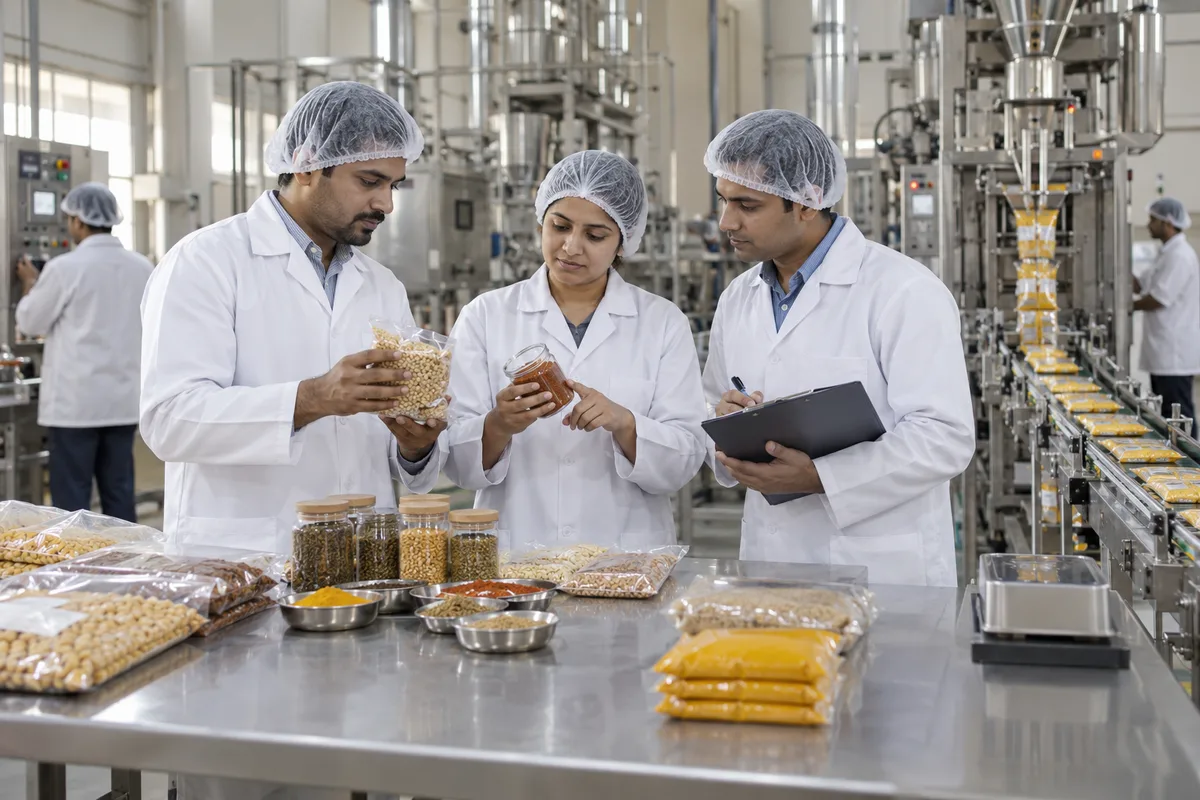
A drum of pulp looks like any other drum. The washing line, the sorting table, the cold room and the lab bench show care. Post what a quality person would want to see, and keep staff and visitors' faces out unless they agree.
“LinkedIn reaches the purchase and quality roles”
Brand sourcing managers, product developers and exporters are on LinkedIn. A processor that posts about harvest arrivals, new pack formats and certifications held reaches the people who place orders.
“Posting without a route to enquiry wastes effort”
A post that ends without telling the reader how to ask for a sample or a specification leaves interest with nowhere to go. Every post needs a clear next step that reaches a named person.
What we do
What we deliver for food processing companies.
The work available for this need. We agree the deliverables and responsibilities for your engagement in writing.
Platform choice and plan
A decision on which platforms to use for your buyers, with a simple plan of post types.
Result: You know where the company will post and why.
Plant and process content
Posts built from your own photographs and short videos of intake, processing, testing and packing, reviewed by your quality person.
Result: Posts show real parts of the plant.
Season and stock posts
Short posts when a new harvest is being processed or stock of a product is available.
Result: Buyers see what is on offer at the time.
Profile set-up
Company pages with a clear description, product list and enquiry route.
Result: Your profile answers who you are and how to ask.
Enquiry capture
A single way to record messages that arrive from social platforms, tagged by source.
Result: You can count enquiries that began on a social platform.
How the result is measured
- Posts published
- Engagement rate
- Enquiries from social profiles
Recorded as a baseline before work starts, so every later report has an honest comparison.
Posts and pieces to plan
Posts that show a buyer the plant and the product behind a bulk ingredient.
- Receiving and sorting day
- A short video of produce arriving at the gate and being graded. Show the process as it is, with the supplier's consent for any farm shown.
- A pulping or grinding line in use
- A clip of the machine working, with the product name and pack size in the caption. Quality teams judge cleanliness from it.
- Drum or sack filling and labelling
- A photo set of the pack being filled and labelled, with the batch marking visible. It shows a buyer how a lot is identified.
- Season stock available now
- A post naming the pulp or powder in stock, the pack sizes and the contact for an enquiry, on the LinkedIn page and the business account.
- A visiting buyer's plant tour
- Post only with the visitor's written consent. Show the tour, not the order, and never the buyer's name unless they agree.
Who it is for
This is written for these food processing companies.
- Fruit pulp and puree processors for juice, ice cream and bakery buyers
- Tomato, chilli and vegetable paste and sauce base processors
- Spice grinding and blending units supplying brands and caterers
- Dehydrated onion, garlic and vegetable powder makers
- Cut, washed and packed vegetable suppliers to hotels and quick commerce
- Pulse milling and grain cleaning units selling to brands and wholesalers
- Cashew, groundnut and dry fruit processors
- Contract processors and co-packers who make products under another brand
Not for
It is not the right fit if.
- The plant is not ready for a camera, so posts would show the floor you would rather a buyer did not see.
- No one can answer a message from a buyer within the day, so a post that drew an enquiry would waste it.
- Your buyers are two or three known companies who never look at social pages, so the posts would have no reader.
Before you decide
Agree the work. Know how to judge it.
Social media marketing for food processors: use these checks to prepare, choose the scope, and review what changes.
Bring the right evidence
Review the posts that produced useful conversations, not only the ones with the most views. Gather buyer questions and decide which team member can contribute credible material.
Make the scope clear
Choose the audience and channel before setting a posting volume. Agree who supplies material, approves posts, and handles messages, including complaints or questions the agency cannot answer.
Check the work in use
Follow a post through to the profile, website, and response. A useful report explains the quality of conversations and enquiries, alongside reach and engagement.
Know when to change course
If publishing takes time away from unanswered buyer messages, fix the response routine first. Do not expand to another channel without a clear reason for being there.
These are discussion points, not a fixed package. GullySales confirms the deliverables, responsibilities, fee, and term in writing after reading your brief and speaking with you.
Before we start
What to have ready before the work starts.
The records, access and decisions this work needs from food processing companies. Anything missing is noted in the written scope, with who will supply it.
- Photographs taken on the plant floor
- A folder of recent images from intake to dispatch shows what can be posted. Phone images are fine. Without them, the first task is a photo walk, and posts wait until it is done.
- A rule on who and what may appear
- State whether staff may be shown, whether the unit name appears on screen and whether trucks and labels show. Without a rule, we keep the pictures to product and process, and leave the people out.
- Logins for every profile
- The owner needs the master login for each platform and the number attached. If a profile was started by an agency or a relative, tell us. Recovery is done before any post is made.
- Buyers who agreed to be named
- Posting a buyer's name without agreement damages trust. Bring a written yes, even a message. When there is none, posts speak of the product and the process only.
- Your stock and season calendar
- The months in which a product is in stock, and the months it is not, decide what is posted. A pencilled calendar from the plant head is enough. Without it, posts avoid any claim about availability.
How it works
How the social media work runs
The work itself, in order. How an engagement starts, from your brief to a written scope, is set out on our method page.
- 1
Walk the plant and decide what may be filmed
We walk the intake, washing, processing, packing and storage areas with the plant head, and mark every spot that can be photographed or filmed without exposing a recipe, a supplier or a hygiene gap. You decide the rules for staff in the frame, for uniforms and for signage. A plant that looks clean on camera and is clean in fact earns a buyer's trust. Where the plant has a visitors area, we mark that as the best place to shoot.
- 2
Choose the platforms by who checks you
A purchase or quality manager checks LinkedIn and sometimes Instagram or YouTube, and a caterer may look at Facebook or WhatsApp status. We ask who looked at you last year, and choose two platforms only. You decide who holds the logins, and the owner keeps the master account.
- 3
Set up the profiles with plant details
We write the profile text, the location, the product list and the contact route for each platform, using wording the quality head has read. A profile that states a certification the unit does not hold is removed before it goes live. You approve each profile before it is public.
- 4
Plan season and stock posts with the buyer calendar
Fruit pulp, tamarind, chilli and onion move with the harvest. We list the months your plant has stock to sell and the months buyers plan their own purchases, and place posts in the weeks before. You review the calendar, and any post about price or supply is checked against what the plant can commit. A post on tamarind in the weeks of the pour season is checked against stock in the cold store before it is released.
- 5
Draft posts and publish after quality review
Each post is drafted from plant photographs and the process notes, and read by the quality head before it is released. We avoid claims about health or nutrition. Customer names are not used unless the customer has agreed in writing, and you approve the final text.
- 6
Trace which posts led to a recorded enquiry
We compare the posts with the enquiry log and the messages received on the business number, and note which posts a buyer mentioned. You see the list and decide which kinds of post to keep, which to drop and where the enquiry route is weak.
Where this fits
Three pieces of sales work, in this order.
This work sits inside sales process design, at stage 0, foundation. The audit comes before it, and sales management keeps it running.
Step 1
Sales audit
Find where deals are being lost and what to fix first.
Start here if you cannot say where orders are lost.
Step 2 · you are here
Sales process design
One written way to sell, from first enquiry to repeat order.
Start here if every salesperson sells differently.
Step 3
Sales management
A target, a review routine and someone who owns the number.
Start here if the team has targets and no routine.
FAQ
Questions owners ask before they call.
Not here? More answers, or ask on WhatsApp.
Do we need to be on Instagram?
Can we post customer names?
What about claims on health or nutrition?
Is it safe to show our plant on camera?
Can we post a video of the processing line?
Should we boost posts with paid promotion?
How much does it cost?
How long is the contract?
How soon will we see results?
Who will actually do the work?
More for food processing companies
Related work to consider.
Closest to this: content and social
Also for food processing companies
Or start from the overview: sales and marketing for food processing companies.
Your next practical step
Tell us what you are trying to grow, and we will read it before we call.
Eight short steps, mostly taps. Skip anything you would rather answer on the call.