Food product manufacturers · Buyer persona
Write down who decides, because one packet of masala has four different buyers.
A buyer persona for a food manufacturer is a written profile of each person who must say yes before a pack reaches a plate: the distributor, the shopkeeper, the institutional purchaser and the household. GullySales works on one profile for each, built from your own order history and field conversations.
Scope, fee, reporting and term are agreed in writing after we have read your brief and spoken to you.
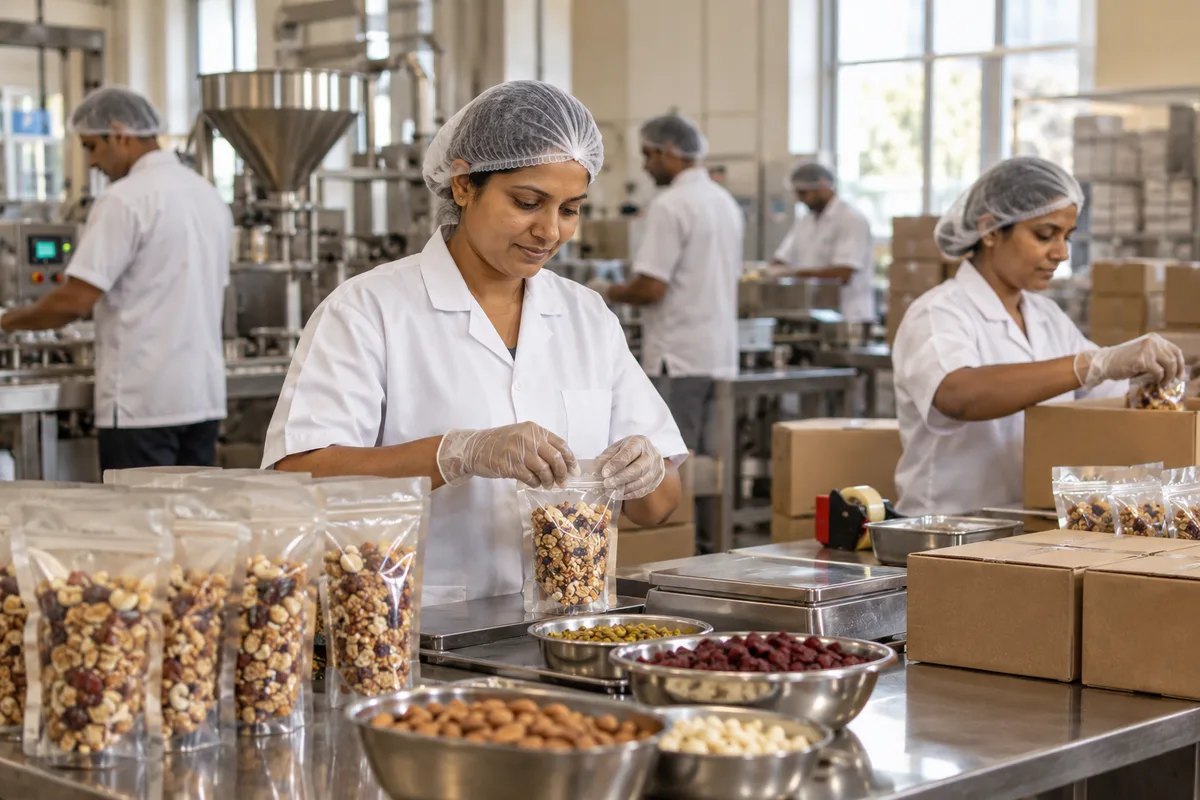
What buyer persona means
A buyer persona is a plain description of the kind of customer who actually buys from you. It includes what they search, what worries them and who else they ask before deciding. GullySales builds this from real enquiries and past sales rather than a generic template, then uses it to write every page and advert.
Also for food product manufacturers
- Digital marketing for food product manufacturers
- SEO for food product manufacturers
- PPC ads for food product manufacturers
- Lead generation for food product manufacturers
- Local SEO for food product manufacturers
- Social media marketing for food product manufacturers
- Content marketing for food product manufacturers
- Email marketing for food product manufacturers
Sales and marketing for food product manufacturers, the overview.
Last updated 5 Oct 2026. Rules for this trade differ by state and professional body, and they change. We describe restrictions in general terms, so check the current position with your own council or adviser before you publish anything.
For food product manufacturers
Where it usually goes wrong, and what we would do.
“The distributor reads margin before taste”
The distributor's first question is what stays in the pocket after credit, scheme and returns. A pitch that opens with the recipe loses the meeting. The profile records the margin, the payment cycle and the near-expiry promise the distributor weighs before the sample is opened.
“The kirana owner stocks what the next customer will ask for”
Counter space is short and the list of reps is long. The shopkeeper makes room for what a regular has already asked for, or what the rep proves has moved in the next lane. The profile notes the pack size, the price point and the reason to sit beside the biscuits.
“The restaurant purchaser compares price per kilo and delivery”
A caterer or hotel kitchen buys on a rate sheet and a promise to arrive. Taste wins the first order and a missed delivery loses the last. The profile separates the chef who tastes from the purchase manager who signs, since each needs a different page.
“The household in a new city has no memory of your brand”
A home cook in a district you have never reached picks on the photograph, the ingredient list and the dish the pack reminds them of. The profile records the region, the festival and the dish your product replaces, so the pack speaks to a kitchen and not to a market.
What we do
What we deliver for food product manufacturers.
Every deliverable, what it covers for you, and the result it is there to produce. Nothing here is an extra.
One profile for each decision-maker
A short page each for distributor, retailer, HoReCa purchaser and household buyer, setting out what each wants, doubts and asks first.
Result: Your team can name who they are speaking to before the visit.
Profiles built from your own orders
Billing records, outlet lists and enquiry history read together to see which kinds of buyer reorder and which only take a launch order.
Result: The profiles rest on your records, not on guesses.
Objection notes from the field
The doubts salesmen hear at the counter and in godowns, written down beside the answer that worked and the one that did not.
Result: Field staff stop improvising replies to the same doubt.
Language and pack-size notes by region
The words, dishes and pack sizes a household in each target district uses, set beside the labels you print today.
Result: The pack and the pitch use words the buyer already says.
Profiles tied to your documents
Each profile mapped to the distributor pitch, retailer kit, marketplace listing or HoReCa sheet it should shape.
Result: Every document has one reader in mind.
How the result is measured
- Enquiry match to persona
- Conversion rate by persona
- Content aligned to persona
Recorded as a baseline before work starts, so every later report has an honest comparison.
Who is asking
The four people who each decide whether a packet of masala or pickle reaches a shelf.
- District distributor weighing a new brand
- Wants margin, how returns of near-expiry stock are handled and how long payment takes, before agreeing to carry the brand on the van.
- Kirana owner at the counter
- Asks whether customers will request the pack by name, what the margin is against a known brand and whether the salesman returns on beat day.
- Restaurant or caterer's purchaser
- Compares price per kilo, bulk pack sizes and delivery reliability, and tastes a sample before placing the first order.
- Household in a new city
- Has no memory of the brand and reads the label, the ingredients list and the batch date. Judges the pack before the taste.
- Private label buyer from another brand
- Wants the minimum batch, the licence details, the packing options and a sample, and asks who owns the recipe.
Who it is for
This is written for these food product manufacturers.
- Spice, masala and blended powder makers
- Pickle, chutney and preserve manufacturers
- Namkeen, snack and savoury makers
- Sweets and traditional confectionery producers
- Ready-to-cook and instant mix brands
- Millet, health food and organic brands
- Flour mills and grain processors
- Beverage, juice and syrup makers
- Private label and contract food manufacturers
- Food exporters and merchant exporters
Not for
It is not the right fit if.
- You have not recorded who buys and who left, so the profiles would be your assumptions.
- You sell directly to one institutional buyer, so there is only one profile and the owner already knows it.
- Your salesmen will not use the profiles on the beat, so the document would be filed and forgotten.
How it works
How the buyer persona work runs
The work itself, in order. How an engagement starts, from your brief to a written scope, is set out on our method page.
- 1
Understand the current view
We start with how your team currently describes the customer, since the gap between belief and reality is the finding itself.
- 2
Audit past enquiries and sales
We look at recent enquiries and closed deals to see who actually bought, not who was assumed to buy.
- 3
Interview customers and staff
Structured conversations with recent buyers, held as talk about the last purchase and not a questionnaire. We ask what happened before they called, who else was involved and what they compared. Customers agree before we contact them, and their answers are reported without names.
- 4
Build the personas
Findings are written into short, usable persona documents rather than a long report.
- 5
Apply to your marketing
We show where each persona should change a page, an ad or a script you already have. The sales team reads the drafts and says which ring true. A persona they do not recognise is rewritten.
Where this fits
Three pieces of sales work, in this order.
This work sits inside sales process design, at stage 0, foundation. The audit comes before it, and sales management keeps it running.
Step 1
Sales audit
Find where deals are being lost and what to fix first.
Start here if you cannot say where orders are lost.
Step 2 · you are here
Sales process design
One written way to sell, from first enquiry to repeat order.
Start here if every salesperson sells differently.
Step 3
Sales management
A target, a review routine and someone who owns the number.
Start here if the team has targets and no routine.
FAQ
Questions owners ask before they call.
Not here? More answers, or ask on WhatsApp.
We sell through two distributors. Do we still need personas?
Can a persona be built without a survey?
Should the profiles name health or taste claims?
What does food regulation change about how we describe a buyer's needs?
How much does it cost?
How long is the contract?
How soon will we see results?
Who will actually do the work?
What do you need from us?
What if we are not happy with the work?
From the blog
Further reading for food product manufacturers.
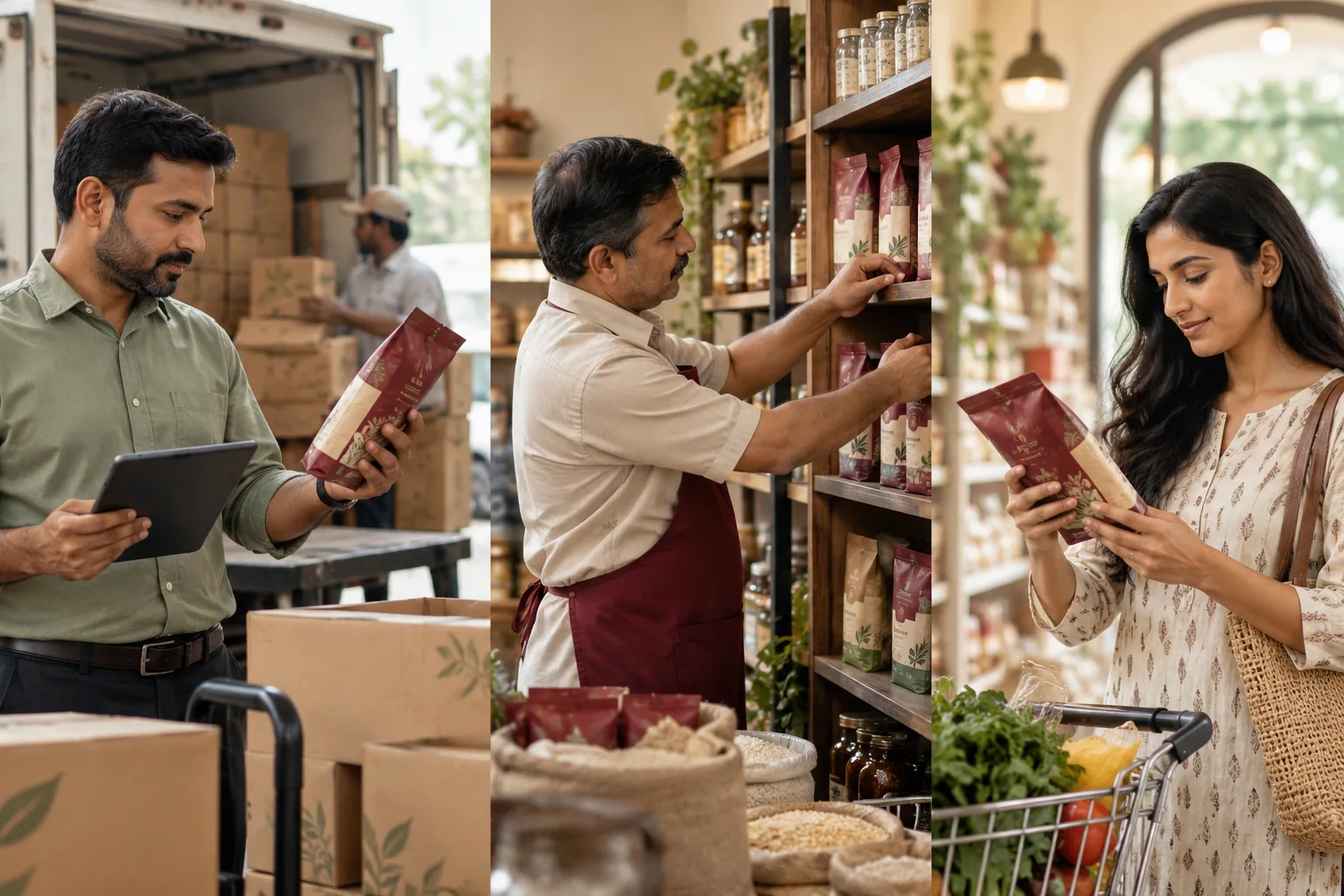 5 min read · 6 Oct 2026How food brands win the trade and the shopperA packed food or household brand is chosen twice: by the distributor, retailer or kitchen that stocks it, then by the shopper who picks it up. Here is what each buyer checks and where brands lose both.
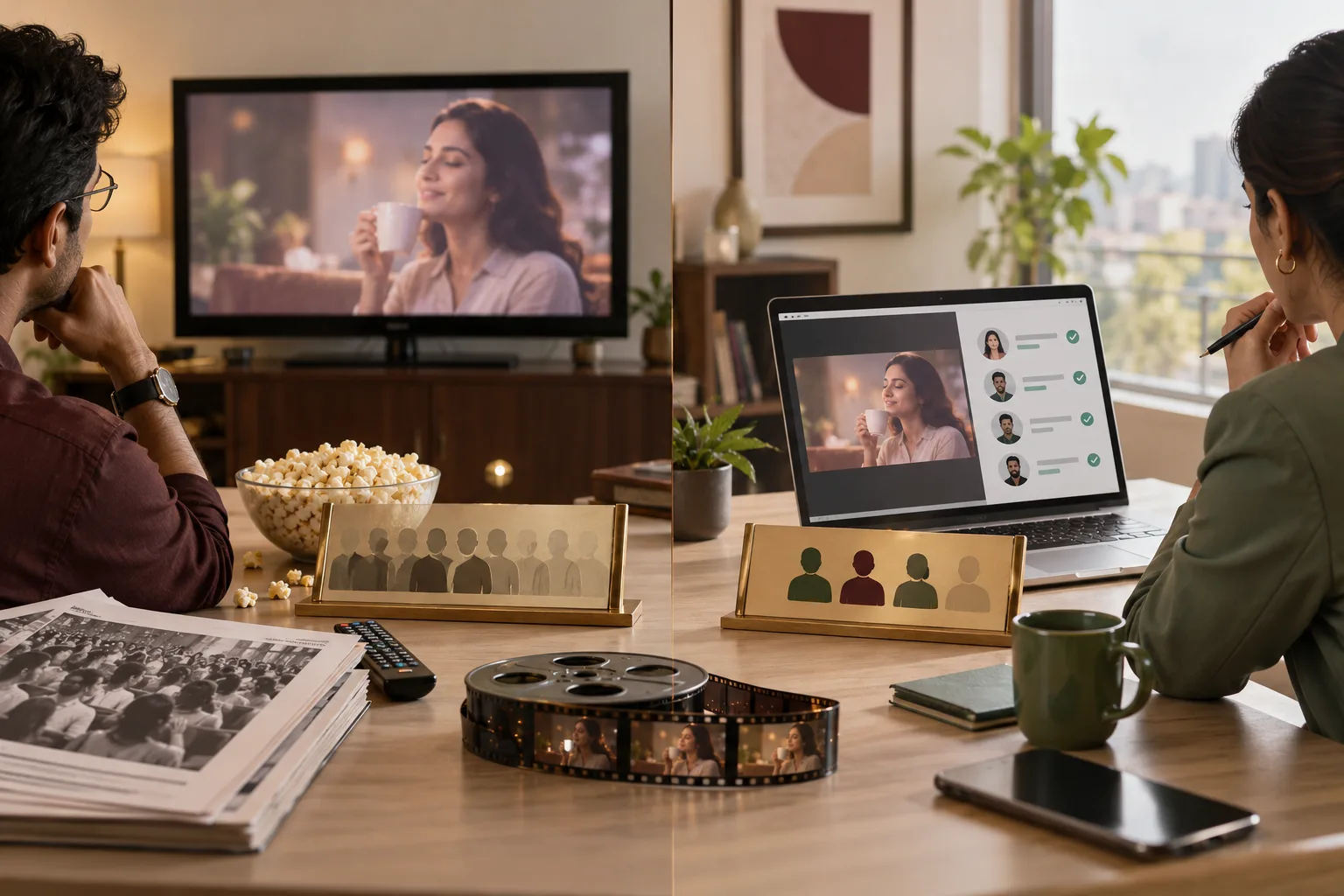 6 min read · 21 Sept 2026TV advertising vs OTT advertising: what are you actually buying?Television sells slots against ratings and prices the wastage in. OTT sells impressions to chosen people and charges for the choosing. Same film, two shops.
 8 min read · 21 Sept 2026How to advertise to distributorsA distributor is deciding whether to put working capital into your stock. Advertising that hides the investment, the margin and the territory brings you hundreds of enquiries and no distributor.
More for food product manufacturers
Everything else we would do for you.
Closest to this: strategy and research
Also for food product manufacturers
Or start from the overview: sales and marketing for food product manufacturers.
Your next practical step
Tell us what you are trying to grow, and we will read it before we call.
Eight short steps, mostly taps. Skip anything you would rather answer on the call.