Frozen food manufacturers · Search engine optimisation
Let kitchens and distributors searching for frozen supply find your plant.
SEO for a frozen food manufacturer means making sure a buyer who searches for a product, a pack size or a supplier finds your pages and your cold chain facts. GullySales works on page structure, product pages and the answers buyers look for.
Scope, fee, reporting and term are agreed in writing after we have read your brief and spoken to you.
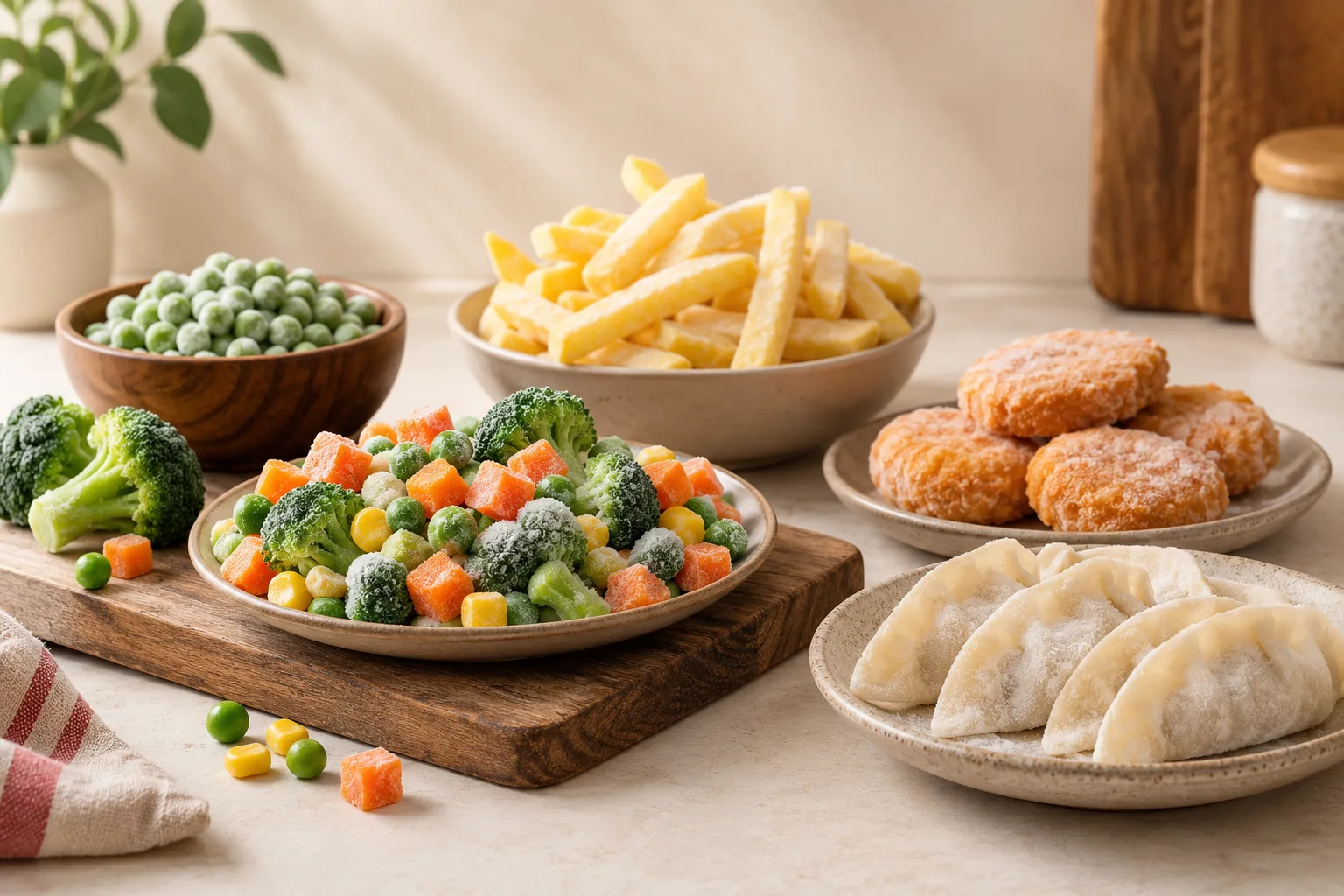
What search engine optimisation means
Search engine optimisation (SEO) is the work of getting your website to appear when a buyer searches Google for what you sell. GullySales builds pages around real search terms, fixes technical issues that block ranking, and tracks which searches actually bring enquiries.
Also for frozen food manufacturers
- Website for frozen food manufacturers
- Lead generation for frozen food manufacturers
- Social media marketing for frozen food manufacturers
- Content marketing for frozen food manufacturers
- Buyer personas for frozen food manufacturers
- CRM for frozen food manufacturers
- Follow-up systems for frozen food manufacturers
- WhatsApp marketing for frozen food manufacturers
Sales and marketing for frozen food manufacturers, the overview.
Last updated 14 Nov 2026.
For frozen food manufacturers
Where it usually goes wrong, and what we would do.
“Buyers search by product and pack, not by brand”
A purchase head types the item, such as frozen paratha in bulk or veg momos for restaurants, before any brand name. Pages named after the product and pack size meet that search, while a page that only says solutions does not.
“Supplier searches are foodservice questions”
A chef looking for a supplier wants to know case count, storage temperature and delivery area. If those facts sit inside a PDF that search engines cannot read, the page that answers the question belongs to a competitor.
“Cold chain facts build trust on the page”
A buyer who cannot see how the product travels hesitates to place a first order. A plain page on freezing, storage and vehicles, using only facts your own records support, answers the question the buyer would otherwise raise on a call.
“Retail and foodservice searches need separate pages”
A household looking for a recipe and a hotel looking for a bulk supplier do not want the same page. Keeping them apart stops one audience from bouncing off the other's content.
What we do
What we deliver for frozen food manufacturers.
The work available for this need. We agree the deliverables and responsibilities for your engagement in writing.
Product pages by pack
One page for each product and pack size, with case count, storage temperature and cooking guidance.
Result: Each pack has its own page that a chef can forward.
A cold chain page
Plain description of freezing, storage and delivery with photographs of the plant and vehicles.
Result: A page that states only what your records support.
A foodservice supplier page
Delivery areas, order routine and trial pack process for kitchens and caterers.
Result: A buyer finds the order routine without calling.
Titles and descriptions rewritten
Page titles and descriptions that name the product and the buyer.
Result: Every page has a title a searcher would recognise.
Technical clean-up
Broken links, slow pages and missing sitemap entries found and listed.
Result: A short list of fixes with each one marked done or open.
How the result is measured
- Ranking positions
- Organic traffic
- Enquiries from organic search
Recorded as a baseline before work starts, so every later report has an honest comparison.
Searches your buyers type
What kitchens and distributors type when they need frozen supply.
- frozen paratha supplier for restaurants
- A product page for foodservice buyers that lists pack sizes, the cooking method and how to order a sample.
- frozen momos wholesale
- A page for momo supply with the fillings, pack weights and the minimum order, written for cloud kitchens and stalls.
- french fries supplier for QSR
- A page for fries with cut sizes, pack types and the oil absorption notes a kitchen asks about. Keep wording to your own test.
- frozen peas bulk supplier
- A vegetable page covering pack sizes, the harvest source you can state, and how the bags are stored and moved.
- frozen food distributor franchise
- A distributor page on how the range is stocked, the freezer space needed and the support given to a new stockist.
- cold chain frozen food delivery in [city]
- A delivery page with the zone, the vehicle type and the check at handover. State only what you actually do.
Who it is for
This is written for these frozen food manufacturers.
- Frozen parathas, rotis and Indian breads makers
- Momo, dumpling and snack manufacturers
- Frozen vegetable and fruit processors
- French fries and potato product makers
- Frozen non-vegetarian product makers
- Frozen dessert base and bakery dough suppliers
- Foodservice suppliers to cloud kitchens and QSRs
- Retail frozen brands selling through cabinets and online grocery
Before you decide
When this may not be the right fit.
- Your product pages would need a cold-chain claim you cannot show, and a page without it loses the buyer's first question
- The plant has no photographs or specification sheet, so a page would give a buyer nothing to check
- You have not decided the delivery zone, and a page would draw searches from towns you cannot reach
Before you decide
Agree the work. Know how to judge it.
SEO for frozen food manufacturers: use these checks to prepare, choose the scope, and review what changes.
Bring the right evidence
Bring the pages for the products or services you want to sell, the search queries available in your reports, and examples of enquiries from search. Separate branded searches from buyers discovering you for the first time.
Make the scope clear
Agree which pages and technical fixes come first, who can publish changes, and who supplies subject knowledge. Link search work to a relevant enquiry route on each priority page.
Check the work in use
Follow the trail from a relevant query to its landing page and then to an enquiry. Review whether those enquiries fit your offer, alongside indexing and search visibility.
Know when to change course
A ranking movement alone is not a buying signal. If traffic grows but relevant enquiries do not, revisit page intent and the offer before producing more pages.
These are discussion points, not a fixed package. GullySales confirms the deliverables, responsibilities, fee, and term in writing after reading your brief and speaking with you.
Before we start
What to have ready before the work starts.
The records, access and decisions this work needs from frozen food manufacturers. Anything missing is noted in the written scope, with who will supply it.
- The carton and pack designs, as printed
- We need photographs or files of each pack as it is sold, with the label text. The names and weights printed there must match the pages. If labels are being redesigned, tell us, as the page names would change.
- A specification sheet for each product
- Pack weight, pieces, cooking method and storage instruction come from your specification, not from guesses. A one-page sheet per product is enough. Where one is missing, we leave that product's page until it exists.
- A visit or call with the plant manager
- The cold chain page depends on facts from the person who runs freezing and storage. Set aside time for that conversation. If the plant manager cannot talk, we write a shorter page that states only what the owner can confirm.
- Admin access to the website and its search tools
- We need the site's admin login and, if it exists, access to the search console and analytics, held in your company's name. Where a web vendor holds them, ask for them first. Without access we can plan pages but not publish them.
- Your food safety adviser's contact
- Pages about storage, shelf life or handling touch regulated ground. Give us the name of the adviser or consultant who reviews your wording. We send disputed lines to them and publish only what they clear.
How it works
How the search engine optimisation work runs
The work itself, in order. How an engagement starts, from your brief to a written scope, is set out on our method page.
- 1
List the packs as a buyer would name them
We lay out your products pack by pack, with the names a chef, a distributor or a household uses for them: paratha in a pack of five, a kilogram of peas, a tray of momos. Alongside, we put the names printed on your cartons. You show us which pack sizes you sell to trade and which to retail. The page plan starts from this naming sheet.
- 2
Check the searches behind each pack
For every pack and every buyer type we read what people type: the product with the pack, the supplier searches from kitchens, and the household searches for recipes and brands. We separate foodservice from retail wording, because they need different pages. You confirm the packs you want found and strike those you would rather not push.
- 3
Gather the cold chain facts from the plant
A cold chain page needs the facts only your plant manager holds: how product is frozen, how it is stored, how the van holds temperature, what happens at a power failure. We take them in a short visit or call and write them down in your words. You decide what is published. Claims about freshness or shelf life are left for your food safety adviser.
- 4
Write the product, supplier and cold chain pages
We draft a page for each pack, a foodservice supplier page and the cold chain page, with the order terms a purchase head looks for. Titles and descriptions are rewritten to name the product and the buyer. You read each page against your specification sheet, and we change anything that reads like an advertisement more than a spec.
- 5
Clean the technical faults on the site
We check how the current site loads on a phone, whether product images are heavy, whether old pages lead nowhere and whether search tools can read the pages. The fixes are listed and done in an order you approve. If a web vendor holds the site, we send them a written list.
- 6
Read searches and enquiries by buyer type
At the start we note how many trade enquiries reach you from the website, from your own records. Afterwards we read search visits, enquiries and trial pack requests by product and buyer type. You see which pages bring a chef or a distributor, and which bring only readers. We decide the next page on that reading.
Where this fits
Three pieces of sales work, in this order.
This work sits inside sales process design, at stage 1, prospecting and lead generation. The audit comes before it, and sales management keeps it running.
Step 1
Sales audit
Find where deals are being lost and what to fix first.
Start here if you cannot say where orders are lost.
Step 2 · you are here
Sales process design
One written way to sell, from first enquiry to repeat order.
Start here if every salesperson sells differently.
Step 3
Sales management
A target, a review routine and someone who owns the number.
Start here if the team has targets and no routine.
FAQ
Questions owners ask before they call.
Not here? More answers, or ask on WhatsApp.
Can you promise a first-page position?
Do we need a blog for SEO?
Can we mention shelf life on the page?
What does a frozen food page need that other products do not?
Do we need separate pages for foodservice and for retail?
Who checks what we may say about storage and handling?
How much does it cost?
How long is the contract?
How soon will we see results?
Who will actually do the work?
More for frozen food manufacturers
Related work to consider.
Closest to this: search and visibility
Also for frozen food manufacturers
Or start from the overview: sales and marketing for frozen food manufacturers.
Your next practical step
Tell us what you are trying to grow, and we will read it before we call.
Eight short steps, mostly taps. Skip anything you would rather answer on the call.