Frozen food manufacturers · Follow up systems
Call every trial buyer after delivery so the first order becomes a standing one.
A follow-up system for a frozen food manufacturer is the fixed routine of calls and messages after a sample, a delivery or a quiet spell. GullySales writes the routine, names who owns each step and sets up the reminders.
Scope, fee, reporting and term are agreed in writing after we have read your brief and spoken to you.
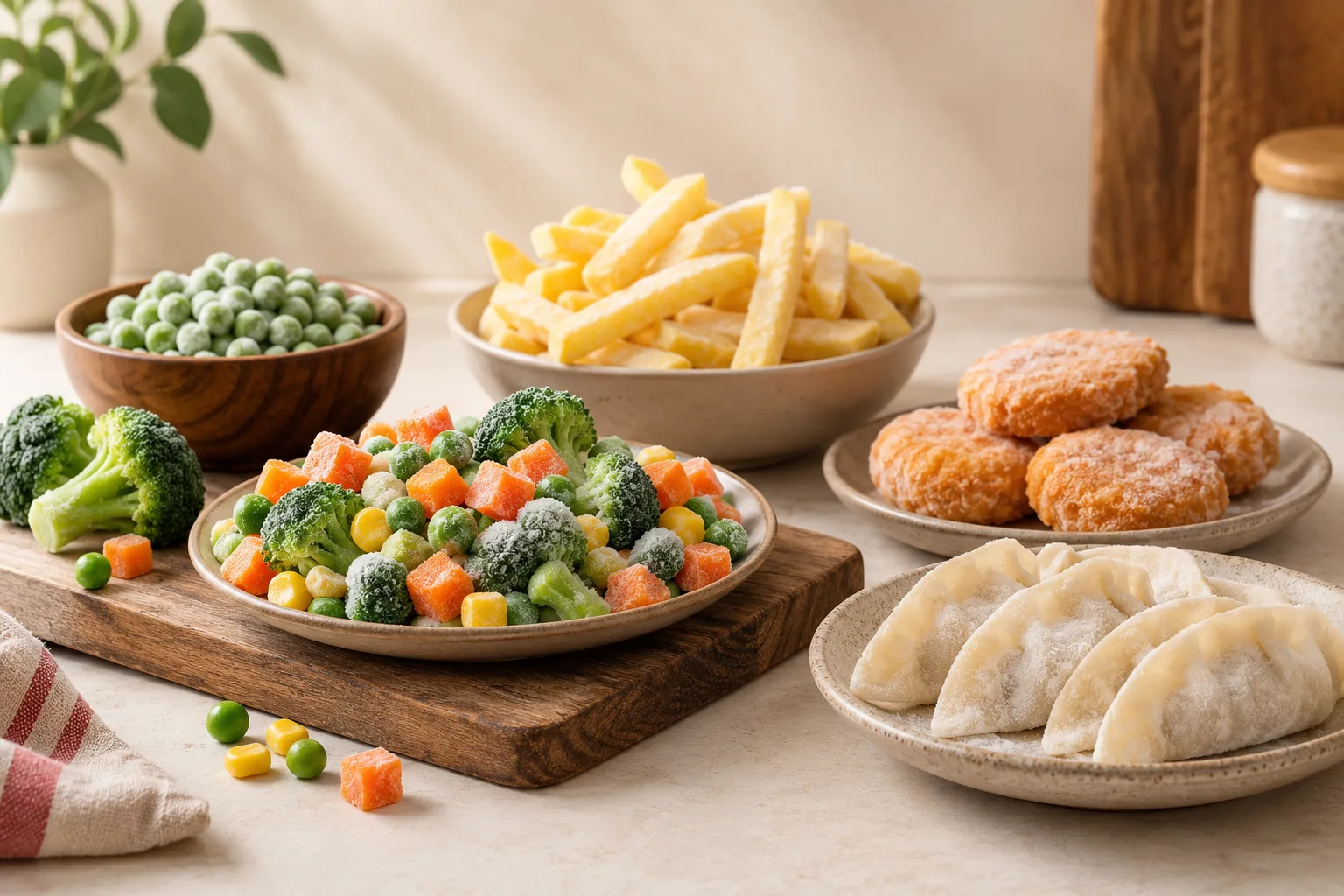
What follow up systems means
A follow-up system is the set routine for calling, messaging or emailing an enquiry more than once, since most buyers do not decide on the first conversation. GullySales sets the number and timing of follow-ups so an undecided buyer keeps hearing from you until they decide either way.
Also for frozen food manufacturers
- Lead generation for frozen food manufacturers
- CRM for frozen food manufacturers
- SEO for frozen food manufacturers
- Social media marketing for frozen food manufacturers
- Content marketing for frozen food manufacturers
- Buyer personas for frozen food manufacturers
- WhatsApp marketing for frozen food manufacturers
- Digital marketing for frozen food manufacturers
Sales and marketing for frozen food manufacturers, the overview.
Last updated 14 Nov 2026.
For frozen food manufacturers
Where it usually goes wrong, and what we would do.
“The call after the van matters more than the pitch before it”
A chef judges the pack when it is cooked, not when it is described. A call after delivery catches the verdict while it is fresh and opens the offer of a standing order.
“Late vans are forgiven if someone calls first”
A kitchen that learns about a delay from the supplier is irritated less than one that discovers it at the door. A named person who calls ahead protects the account.
“Quiet accounts need a reason, not a reminder”
A kitchen that stopped ordering has a reason: price, taste, a missed van or a new supplier. A recall call that asks and records the answer is worth more than a general scheme message.
“Distributors need visits followed by writing”
After a visit and a sample, a distributor needs the margin sheet, the cabinet terms and a date for the next conversation. Without that, the visit is forgotten when the next supplier calls.
What we do
What we deliver for frozen food manufacturers.
The work available for this need. We agree the deliverables and responsibilities for your engagement in writing.
A post-delivery call routine
A fixed call after each trial delivery with questions on taste, size and the van.
Result: Every trial buyer has a logged call and a note.
Delay and dispatch messages
Wording for informing buyers early about late or changed deliveries.
Result: Your dispatcher sends a message in the same words each time.
A lapsed-buyer recall routine
A call and message to buyers who stopped ordering, with the reason recorded.
Result: A list of lapsed buyers with the reason each gave.
A distributor follow-up pack
Margin sheet, cabinet terms and a written summary after each visit.
Result: Each visit ends with a document left behind or sent.
Owner reminders
A rule for who is reminded about which account and when.
Result: No account sits without a named owner.
How the result is measured
- Follow-up completion rate
- Average number of follow-ups before close
- Enquiries closed after repeat follow-up
Recorded as a baseline before work starts, so every later report has an honest comparison.
What to capture or send
The moments after a frozen delivery that need a call and what each records.
- Trial pack delivered
- A call the day after, asking how the product cooked and what the chef noted. Record the answer in the chef's words.
- First van arrives
- A call or message to confirm the delivery and the condition of the pack. Record any concern about temperature or damage.
- Late van
- A message sent before the buyer asks, with the new time. Record the cause and the buyer's reaction.
- Standing order missed
- A call to ask why the day passed with no order. Record the reason, such as a menu change or a rival supplier.
- Complaint received
- A reply naming the pack, the fault and what the plant will do. Record who spoke to the buyer and what was agreed.
- Distributor visit completed
- A written note of what was agreed on space and margin. Record the stockist's reply.
Who it is for
This is written for these frozen food manufacturers.
- Frozen parathas, rotis and Indian breads makers
- Momo, dumpling and snack manufacturers
- Frozen vegetable and fruit processors
- French fries and potato product makers
- Frozen non-vegetarian product makers
- Frozen dessert base and bakery dough suppliers
- Foodservice suppliers to cloud kitchens and QSRs
- Retail frozen brands selling through cabinets and online grocery
Before you decide
When this may not be the right fit.
- No one is named to call after a trial pack, and the sample would leave with no follow-up
- Your vans cannot confirm a delivery time, so a call about the van would only repeat uncertainty
- Complaints reach the plant late through other staff, and a follow-up routine would have nothing to act on
Before you decide
Agree the work. Know how to judge it.
Follow-up systems for frozen food manufacturers: use these checks to prepare, choose the scope, and review what changes.
Bring the right evidence
Trace recent enquiries from arrival to the last recorded action. Include a won enquiry, an unsuitable one, and one that went quiet, with personal details removed for the initial discussion.
Make the scope clear
Agree who accepts each enquiry, what makes it qualified, and how ownership changes. Include a rule for missed replies and a clear reason for closing an enquiry.
Check the work in use
Pick an enquiry at random and ask the team to find its owner, latest conversation, and next action. Check that the record agrees with what actually happened.
Know when to change course
If no one has capacity to respond, assign that responsibility before buying more leads. Automation can support the owner, but it cannot replace an unresolved handover.
These are discussion points, not a fixed package. GullySales confirms the deliverables, responsibilities, fee, and term in writing after reading your brief and speaking with you.
Before we start
What to have ready before the work starts.
The records, access and decisions this work needs from frozen food manufacturers. Anything missing is noted in the written scope, with who will supply it.
- The list of accounts that went quiet
- Names of buyers who stopped ordering, with the date of the last order and what you think happened. It forms the baseline for recalls. Without it, we cannot tell whether follow-up changes anything. Include the products they bought, because a recall call that names the last order sounds like a supplier who remembers.
- The dispatch and delay practice today
- How buyers are told about dispatch, delay or a missed van at present, and by whom. A description is enough. We build on what is already done well and fix what is not. Say also whether a late van has ever been handled by a call before, and who made it.
- A decision on compensation for late vans
- Decide whether you offer a credit, a replacement or nothing when a van is late or product is damaged. Our messages cannot promise what you have not agreed. Leave this open and the delay messages stay apologetic only.
- Phone numbers confirmed for messages
- The number for each buyer contact, and whether they agreed to written messages. Look at the platform's present policy on business messaging. We do not message numbers you cannot show consent for. Mark the numbers that belong to a kitchen's landline or a manager, since those buyers prefer a call.
- Time set aside for calls
- Calls need a person with hours to make them. Name that person and give hours in the week. If nobody has time, we cut the routine to the moments that carry the greatest risk of losing a buyer.
How it works
How the follow up systems work runs
The work itself, in order. How an engagement starts, from your brief to a written scope, is set out on our method page.
- 1
Trace what happens after each delivery today
We follow the van and the caller through one delivery with you: who rings the buyer afterwards, what is asked, what is written down. We also read the last batch of lost or lapsed accounts. This shows which moments already have a habit and which have none. We do not add a step that already exists. We also ask the van driver what buyers say at the door, since the driver hears the first complaint before the office does.
- 2
Pick the moments a call or message is due
We list the moments in frozen food: after a trial pack, after the first delivery, after a late van, after a complaint, after a quiet spell and after a distributor visit. You cross out those that would annoy. The moments left are written on a single sheet with the order in which they come. For a lapsed account we agree how long a silence must last before it counts as lapsed, using the buyer's own order pattern rather than a fixed rule.
- 3
Write the delay and dispatch messages
A buyer forgives a late van if someone has called first. We write the messages sent on dispatch and in case of delay, in your voice, with the van, the time window and the contact. You change wording until it sounds like your office. The owner decides what compensation, if any, may be offered.
- 4
Name an owner for each step
Every follow-up gets a named owner, a date and a reminder in the sheet or CRM. We also write who steps in if the owner is away. We test with live accounts: five deliveries, three lapsed buyers and two distributors. You approve the routine only after the reminders fire correctly. If the person is a van driver or a part-time caller, the reminder goes to their phone and not to a desk they seldom reach.
- 5
Build the distributor follow-up pack
After a visit to a distributor, a written note is sent with the terms discussed, the cabinet position and the next step. We write the note format and the order of the contacts that follow. You decide who attends visits and who sends the note. The note also records the competing brands in the distributor's cabinet, which is the first thing the next visit has to address.
- 6
Review lapsed accounts and revise the routine
Before we start, we count the accounts that stopped ordering and the complaints left unanswered. Afterwards we read the same counts and the recalls made. You see which follow-ups brought an order back. We drop any step that brings nothing.
Where this fits
Three pieces of sales work, in this order.
This work sits inside sales process design, at stage 2, qualification. The audit comes before it, and sales management keeps it running.
Step 1
Sales audit
Find where deals are being lost and what to fix first.
Start here if you cannot say where orders are lost.
Step 2 · you are here
Sales process design
One written way to sell, from first enquiry to repeat order.
Start here if every salesperson sells differently.
Step 3
Sales management
A target, a review routine and someone who owns the number.
Start here if the team has targets and no routine.
FAQ
Questions owners ask before they call.
Not here? More answers, or ask on WhatsApp.
Who should make the follow-up calls?
What if the buyer complains on the call?
Can follow-up be automated?
What should the call after a late van say?
What if a buyer complains during the follow-up call?
Can the van driver follow up with the buyer?
How much does it cost?
How long is the contract?
How soon will we see results?
Who will actually do the work?
More for frozen food manufacturers
Related work to consider.
Closest to this: leads and follow-up
Also for frozen food manufacturers
Or start from the overview: sales and marketing for frozen food manufacturers.
Your next practical step
Tell us what you are trying to grow, and we will read it before we call.
Eight short steps, mostly taps. Skip anything you would rather answer on the call.