Frozen food manufacturers · Digital marketing
Put your frozen range in front of kitchens, distributors and shoppers online.
Digital marketing for a frozen food manufacturer joins the website, search, social media, WhatsApp and marketplace listings into one effort aimed at kitchens, distributors and households. GullySales decides which channel serves which buyer and records what each one brings.
Scope, fee, reporting and term are agreed in writing after we have read your brief and spoken to you.
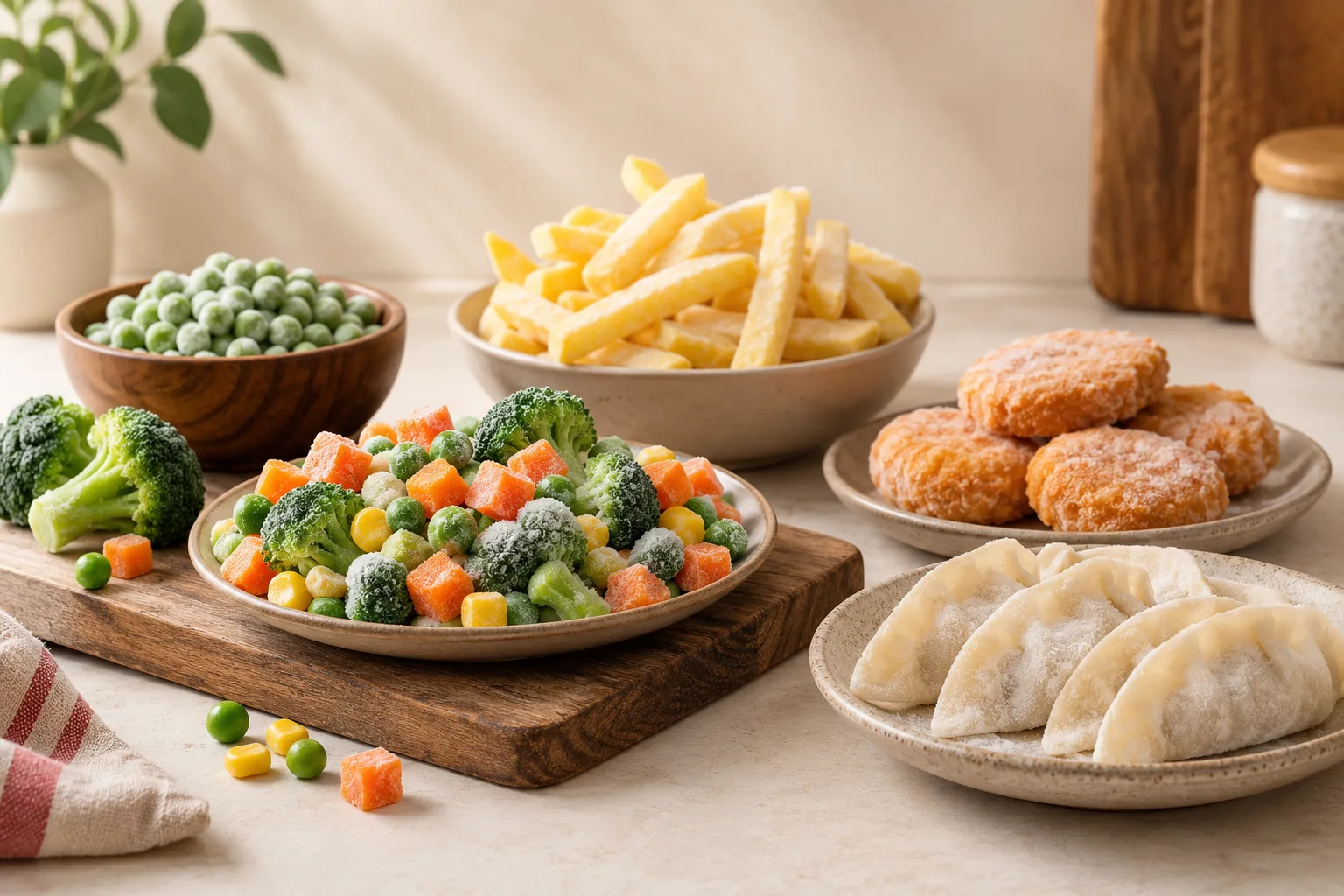
What digital marketing means
Digital marketing is the combined work of search, social media, advertising and website channels running together rather than as separate projects with separate people. GullySales runs these as one connected system so a change in one channel, such as a new offer, is reflected everywhere at once.
Also for frozen food manufacturers
- Buyer personas for frozen food manufacturers
- Lead generation for frozen food manufacturers
- SEO for frozen food manufacturers
- Social media marketing for frozen food manufacturers
- Content marketing for frozen food manufacturers
- CRM for frozen food manufacturers
- Follow-up systems for frozen food manufacturers
- WhatsApp marketing for frozen food manufacturers
Sales and marketing for frozen food manufacturers, the overview.
Last updated 14 Nov 2026.
For frozen food manufacturers
Where it usually goes wrong, and what we would do.
“Foodservice and retail need different channels”
A cloud kitchen manager responds to WhatsApp, calls and trial packs. A household shopper meets the brand on a grocery app or a cabinet. Spreading one budget across both without a plan serves neither.
“Platform listings are won with content and kept with service”
Quick-commerce and grocery apps review pack images, details and price before listing. After listing, answers to platform queries and steady stock matter, so the work continues after approval.
“Paid advertising needs a delivery zone”
An advertisement shown to a buyer outside your van routes wastes spend. Set the area to match your delivery reach, and send enquiries to the same record as every other lead.
“Food advertising has rules”
Claims on freshness, nutrition and health are regulated, and rules differ by product and state. Check advertisements with your food safety adviser, and avoid outcome claims about the food.
What we do
What we deliver for frozen food manufacturers.
The work available for this need. We agree the deliverables and responsibilities for your engagement in writing.
A channel plan by buyer
Which channel serves kitchens, distributors and households, with the reason for each.
Result: A one-page plan that names the channel for every buyer.
Marketplace listing content
Pack images, descriptions and catalogue entries prepared to each platform's format.
Result: Listing material ready for each platform you apply to.
Advertising set-up by delivery zone
Search and social advertisements limited to areas your vans reach.
Result: Advertisements only reach buyers you can serve.
A single enquiry record
Every channel's enquiries logged in the same place with the source named.
Result: You can see which channel brought each enquiry.
A review of what was learnt
A written note of what each channel brought and what to stop.
Result: A note that supports your next decision.
How the result is measured
- Enquiries across channels
- Cost per enquiry overall
- Channel mix by contribution
Recorded as a baseline before work starts, so every later report has an honest comparison.
Searches your buyers type
What each frozen food buyer searches and the channel that answers it.
- frozen food supplier for cloud kitchens
- A foodservice page and a trade listing for kitchens, with the product list, pack sizes and a sample request.
- frozen food distributor wanted
- A distributor page and a post on LinkedIn or a trade board, explaining margin, freezer space and support.
- buy frozen parathas online
- A retail listing on the grocery platforms you supply, written to the platform's current rules, with clear storage notes.
- frozen food wholesale in [city]
- A map profile and a city page showing the delivery zone and the order process.
- frozen momos recipe
- A household recipe post that uses your product, with the cooking method printed on the pack.
- frozen food trade show [city]
- A page or post about an expo you attend, with a sample booking so card-holders follow up.
Who it is for
This is written for these frozen food manufacturers.
- Frozen parathas, rotis and Indian breads makers
- Momo, dumpling and snack manufacturers
- Frozen vegetable and fruit processors
- French fries and potato product makers
- Frozen non-vegetarian product makers
- Frozen dessert base and bakery dough suppliers
- Foodservice suppliers to cloud kitchens and QSRs
- Retail frozen brands selling through cabinets and online grocery
Before you decide
When this may not be the right fit.
- Your delivery zone is small and no spend could reach buyers beyond it, so advertising would draw enquiries you cannot serve
- Retail and foodservice packs are not separated, and one campaign would confuse both buyers
- Advertising food has rules and no one has checked your wording against them
Before you decide
Agree the work. Know how to judge it.
Digital marketing for frozen food manufacturers: use these checks to prepare, choose the scope, and review what changes.
Bring the right evidence
Bring a recent won order and an enquiry that went nowhere. Trace how each buyer found you, what they asked, and who handled the next step. A channel list alone will not explain the difference.
Make the scope clear
Choose one offer and one buyer group first. Agree which part needs attention: being found, getting a useful enquiry, or turning an enquiry into an order. Separate recommendations from the work required to carry them out.
Check the work in use
A useful plan names the first change, its owner, the evidence behind it, and the number that will show whether it worked. Ask what has deliberately been left out and why.
Know when to change course
If your team cannot answer the enquiries it already receives, improve that handover before buying more traffic. If the offer itself is unclear, test it with buyers before adding channels.
These are discussion points, not a fixed package. GullySales confirms the deliverables, responsibilities, fee, and term in writing after reading your brief and speaking with you.
Before we start
What to have ready before the work starts.
The records, access and decisions this work needs from frozen food manufacturers. Anything missing is noted in the written scope, with who will supply it.
- Sales by account for the last full season
- The billing record, with accounts grouped by type. Without it we cannot say which buyers matter. A spreadsheet export from your billing software is acceptable, with the buyer name and invoice date in each row.
- Your delivery zones and van capacity
- The routes, the reefer van's capacity and the farthest drop you will make. Every channel plan depends on it. Include the hours a van can load and leave, because an ad that promises next-day delivery when the van loads late breaks a promise.
- Specification sheets and pack photographs
- Listings and pages need facts and images for each pack. If photographs are poor, we plan a shoot before listing. For retail packs, also give us the barcode-bearing artwork as printed, which platforms ask for.
- Marketplace and platform seller logins
- Any seller account you already hold on a marketplace or grocery platform, in your company's name. If none exists, you decide whether to apply for one; we advise but do not apply for you. Where you must apply for a seller account, tell us who in your office holds the licences and bank details the platform will ask for.
- A budget ceiling you can afford to lose
- Decide the highest sum you will spend on paid work before results are read. Tell us. We size advertising to it and we do not exceed it.
How it works
How the digital marketing work runs
The work itself, in order. How an engagement starts, from your brief to a written scope, is set out on our method page.
- 1
Sort your sales by foodservice and retail
We start with the billing record and split the revenue into foodservice accounts, distributors and retail brands. You show us which of them you want to grow. This split decides the channels, because a chef and a household reach you through different doors. Without it, a plan for 'everyone' would serve no one. We list how each recent account first found you, from your caller's memory, so the plan starts from real routes into the business.
- 2
List the delivery zones and the cold chain limits
With the dispatcher, we mark the zones your van reaches and the limits of your cold chain. Every channel we plan, from search to marketplace, is cut to those zones. You tell us which new zones you would add. We do not advertise to a city your product cannot reach in good condition. Where a zone needs a second van or a cold store, the plan notes it and does not advertise there until you decide.
- 3
Assign each channel to a buyer
We match the website and search to chefs and purchase heads, WhatsApp to repeat orders, social media to household buyers and marketplaces to retail. You approve the match and say which channel you will not run. The plan fits on a page, with the owner of each channel named. Where one buyer type needs two channels, such as a hotel that finds you by search and orders by chat, we draw the two together so that nothing is lost between them.
- 4
Prepare the listing content and the single enquiry record
For marketplace and quick-commerce listings we write the product titles, pack information and images list from your specification. We also set one enquiry record where every channel's leads land, tagged by source. Wording about storage or shelf life goes to your food safety adviser. Marketplace content is checked against the platform's current listing rules, which we ask you to review, since rules for food listings change.
- 5
Set up advertising by delivery zone
If you choose paid advertising, we place it by zone and by buyer, with a small spend to begin. We check the platform's current advertising rules for food. You approve each advertisement before it runs. The spend rises only when the enquiry record shows orders from the zone. Advertisements for food carry rules of their own, so your adviser reads the wording and we never claim freshness, health benefit or shelf life.
- 6
Read what each channel brought and decide
At the start we record trade enquiries, repeat orders and marketplace sales from your books. Afterwards we read the same figures by channel and zone. You see what was learnt, which channel earns its cost and which to stop. We make no promise of sales. We also read which channel's buyers came back for a second order, since a first order is cheap to win and a repeat order is what a plant lives on.
Where this fits
Three pieces of sales work, in this order.
This work sits inside sales process design, at stage 0, foundation. The audit comes before it, and sales management keeps it running.
Step 1
Sales audit
Find where deals are being lost and what to fix first.
Start here if you cannot say where orders are lost.
Step 2 · you are here
Sales process design
One written way to sell, from first enquiry to repeat order.
Start here if every salesperson sells differently.
Step 3
Sales management
A target, a review routine and someone who owns the number.
Start here if the team has targets and no routine.
FAQ
Questions owners ask before they call.
Not here? More answers, or ask on WhatsApp.
Where should a small plant begin?
Do we need to advertise?
Can you promise sales from digital work?
Does digital work suit foodservice and retail alike?
Do we need advertising from the first month?
Does marketplace selling suit a small frozen food brand?
How much does it cost?
How long is the contract?
How soon will we see results?
Who will actually do the work?
More for frozen food manufacturers
Related work to consider.
Closest to this: strategy and research
Also for frozen food manufacturers
Or start from the overview: sales and marketing for frozen food manufacturers.
Your next practical step
Tell us what you are trying to grow, and we will read it before we call.
Eight short steps, mostly taps. Skip anything you would rather answer on the call.