Frozen food manufacturers · Buyer persona
Know the chef, the distributor and the shopper before the next pitch.
A buyer persona for a frozen food manufacturer is a written profile of the person who chooses your product: what they check, what worries them and who else signs off. GullySales builds personas from your own accounts and calls, not from guesses.
Scope, fee, reporting and term are agreed in writing after we have read your brief and spoken to you.
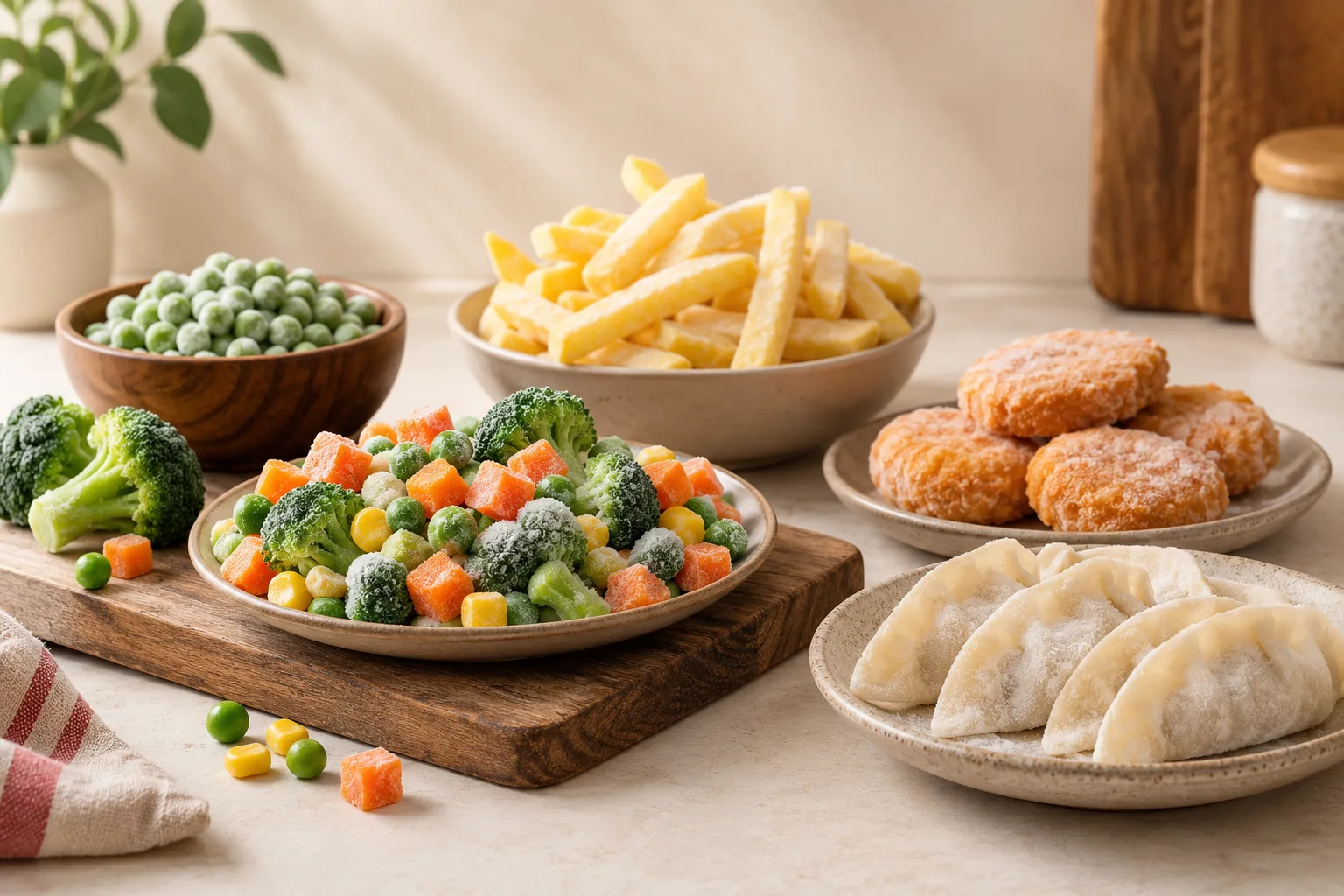
What buyer persona means
A buyer persona is a plain description of the kind of customer who actually buys from you. It includes what they search, what worries them and who else they ask before deciding. GullySales builds this from real enquiries and past sales rather than a generic template, then uses it to write every page and advert.
Also for frozen food manufacturers
- Digital marketing for frozen food manufacturers
- Lead generation for frozen food manufacturers
- SEO for frozen food manufacturers
- Social media marketing for frozen food manufacturers
- Content marketing for frozen food manufacturers
- CRM for frozen food manufacturers
- Follow-up systems for frozen food manufacturers
- WhatsApp marketing for frozen food manufacturers
Sales and marketing for frozen food manufacturers, the overview.
Last updated 14 Nov 2026.
For frozen food manufacturers
Where it usually goes wrong, and what we would do.
“The cloud kitchen manager buys on the van”
This buyer cares whether the delivery arrives before the rush and whether the pack matches the last batch. Price per kilogram matters, but a missed van costs a service, so reliability is the opening line.
“The executive chef checks consistency”
A hotel or caterer's chef tastes across batches and asks if the size, texture and seasoning hold. A purchase head may then confirm the price, so the pitch has two readers with different questions.
“The distributor weighs space and turnover”
This buyer thinks about the freezer, the brands already in it and the margin per pack. A branded cabinet on loan may matter, and so does the answer to what happens in a power cut.
“The household shopper wants dinner in twenty minutes”
The shopper in a supermarket cabinet or on a grocery app chooses from the pack, the picture and the cooking instructions. Brand recognition counts, and so does a pack that shows what the cooked dish looks like.
What we do
What we deliver for frozen food manufacturers.
The work available for this need. We agree the deliverables and responsibilities for your engagement in writing.
Four written personas
Cloud kitchen manager, executive chef, distributor and household shopper, each with questions and objections.
Result: Four one-page profiles your callers can keep beside the phone.
An objection list for each persona
Common doubts, such as late vans or thawed packs, with the answer your team gives.
Result: Your team answers each objection in the same words.
Decision maps
Who tastes, who approves price and who signs for each type of account.
Result: You can see who to call next at each account.
Persona-based messages
Opening lines for calls and WhatsApp messages written for each persona.
Result: Each persona has an opening message that fits.
Interview notes from current buyers
Short conversations with accounts that reorder and accounts that lapsed.
Result: Notes on why buyers stayed or left, in their words.
How the result is measured
- Enquiry match to persona
- Conversion rate by persona
- Content aligned to persona
Recorded as a baseline before work starts, so every later report has an honest comparison.
Who is asking
The buyers of frozen food and what each asks before ordering.
- A cloud kitchen manager
- Wants to know the order day, the van time and whether a late delivery will be called ahead. Asks how the pack holds on a busy night.
- An executive chef in a hotel
- Wants the product to cook the same each time. Asks for a sample and the cooking method before moving a menu item.
- A purchase head in a restaurant chain
- Wants a specification sheet to forward and the cold-chain handover described. Asks about supply during festival weeks.
- A distributor with a deep freezer
- Wants the margin, the minimum order and how much space the range needs. Asks how the pack turns over.
- A modern trade buyer
- Wants a listing, a cabinet position and a promotion plan. Asks what the brand does to pull shoppers.
- A household shopper
- Wants dinner on the table and a pack that stays frozen on the way home. Asks how to cook it and store it.
Who it is for
This is written for these frozen food manufacturers.
- Frozen parathas, rotis and Indian breads makers
- Momo, dumpling and snack manufacturers
- Frozen vegetable and fruit processors
- French fries and potato product makers
- Frozen non-vegetarian product makers
- Frozen dessert base and bakery dough suppliers
- Foodservice suppliers to cloud kitchens and QSRs
- Retail frozen brands selling through cabinets and online grocery
Before you decide
When this may not be the right fit.
- You have not spoken to buyers in the field, so the personas would be written from the brochure
- The plant serves one buyer type only, and a set of personas would add pages for people you do not supply
- No one will change the pitch or the pack based on the personas, so the sheets would sit unused
Before you decide
Agree the work. Know how to judge it.
Buyer personas for frozen food manufacturers: use these checks to prepare, choose the scope, and review what changes.
Bring the right evidence
Write the decision the research must support, such as entering a market or choosing a buyer group. Separate what you know from sales records from what the team currently assumes.
Make the scope clear
Agree which buyers to speak to, which sources to review, and what access you can provide. Include lost enquiries and people who chose another supplier, where they are willing to take part.
Check the work in use
Look for source dates, sample limitations, and evidence that disagrees with the preferred answer. A recommendation should show how it follows from the findings.
Know when to change course
Do not treat a few positive conversations as proof of demand. Test the proposed offer with an actual buying decision before committing to a wider launch.
These are discussion points, not a fixed package. GullySales confirms the deliverables, responsibilities, fee, and term in writing after reading your brief and speaking with you.
Before we start
What to have ready before the work starts.
The records, access and decisions this work needs from frozen food manufacturers. Anything missing is noted in the written scope, with who will supply it.
- Billing record with buyer type marked
- Sales by account, with a note of each account's type. If types are not marked, mark them with your caller before we start. Personas built without this lump distinct buyers together. Marking types takes the caller an afternoon and saves us guessing which accounts are cloud kitchens and which are caterers.
- Four current buyers who will take a call
- A kitchen, a chef, a distributor and a household buyer if you have direct sales. Pick people who like you and one who nearly left. Their words are worth more than our assumptions.
- An hour with your caller and your dispatcher
- The two people closest to buyers must be released for interviews. Their notes are the best evidence we have of objections. Without them, personas read like marketing. Choose a time outside the delivery rush, since a dispatcher interrupted by a van cannot give a considered answer.
- A list of lost accounts and why
- Accounts that stopped ordering, with the reason you believe. Late vans, price, sample quality or a competitor's offer. This list shows what personas must warn the team about. If a buyer left over a late van or a pack that arrived soft, say so plainly, because it shows what the chef persona fears.
- A view on whom you want next
- Decide whether you want more cloud kitchens, more hotels or more distributors. We write the first personas for those buyers and keep the others for a second pass.
How it works
How the buyer persona work runs
The work itself, in order. How an engagement starts, from your brief to a written scope, is set out on our method page.
- 1
Choose the four buyers worth describing
We start with the accounts you value: a cloud kitchen manager, an executive chef, a distributor and a household shopper, or whichever four your records show. You name a real account for each. Describing people you can ring is far better than imagining them. We set aside buyers who form too small a share of your orders. If your accounts are mostly one type, say so; we then write two personas in depth and two briefly, rather than four thin ones.
- 2
Read the order history for each type
We take the billing record and route sheet and trace how each buyer type orders: how frequently, in what quantity, with what delays and what complaints. A kitchen that orders on the van's day looks different from a distributor who orders in bulk. You tell us what the figures do not show.
- 3
Talk to the people who sell and deliver
The caller, the dispatcher and the van driver hear what buyers say at the door and on the phone. We interview them for an hour each and note exact phrases: what a chef says about a late van, what a distributor asks about freezer space. These notes become the objection lists. We ask the van driver too, since the person at the receiving dock tells the driver what the kitchen thought of the delivery.
- 4
Ask four current buyers a few questions
With your leave, we speak to one buyer of each type for a short call. The questions are about how they chose you, what almost stopped them and what they check on delivery. You choose the buyers. If no one will talk, we mark the personas as drawn from staff accounts alone.
- 5
Write the personas and the decision maps
For each buyer we write a page: role, what they check, what worries them, who else signs and where they look for a supplier. A decision map shows who in a hotel or distributor firm must agree. You correct each page against your own experience before we call it finished. The map names the person who tastes, the person who orders and the person who pays, which in a small kitchen may be one owner and in a hotel are three.
- 6
Turn the personas into messages and test them
We write the wording for each persona on the website, the calls and the follow-up messages. Before we begin, we record which buyer types you win. Afterwards we read whether enquiries from each type changed, and you revise the personas when a new type of buyer appears.
Where this fits
Three pieces of sales work, in this order.
This work sits inside sales process design, at stage 0, foundation. The audit comes before it, and sales management keeps it running.
Step 1
Sales audit
Find where deals are being lost and what to fix first.
Start here if you cannot say where orders are lost.
Step 2 · you are here
Sales process design
One written way to sell, from first enquiry to repeat order.
Start here if every salesperson sells differently.
Step 3
Sales management
A target, a review routine and someone who owns the number.
Start here if the team has targets and no routine.
FAQ
Questions owners ask before they call.
Not here? More answers, or ask on WhatsApp.
Where do the facts come from?
How many personas do we need?
Can personas change?
What does a distributor ask that a kitchen does not?
Where do the facts in a persona come from?
Can two buyers in one hotel need two personas?
How much does it cost?
How long is the contract?
How soon will we see results?
Who will actually do the work?
More for frozen food manufacturers
Related work to consider.
Closest to this: strategy and research
Also for frozen food manufacturers
Or start from the overview: sales and marketing for frozen food manufacturers.
Your next practical step
Tell us what you are trying to grow, and we will read it before we call.
Eight short steps, mostly taps. Skip anything you would rather answer on the call.