Frozen food manufacturers · Social media
Show kitchens and households how your frozen range cooks and serves.
Social media marketing for a frozen food manufacturer means showing the product plated, cooked and packed, for chefs on one side and households on the other. GullySales plans the posts, the videos and the replies, and keeps the two audiences apart.
Scope, fee, reporting and term are agreed in writing after we have read your brief and spoken to you.
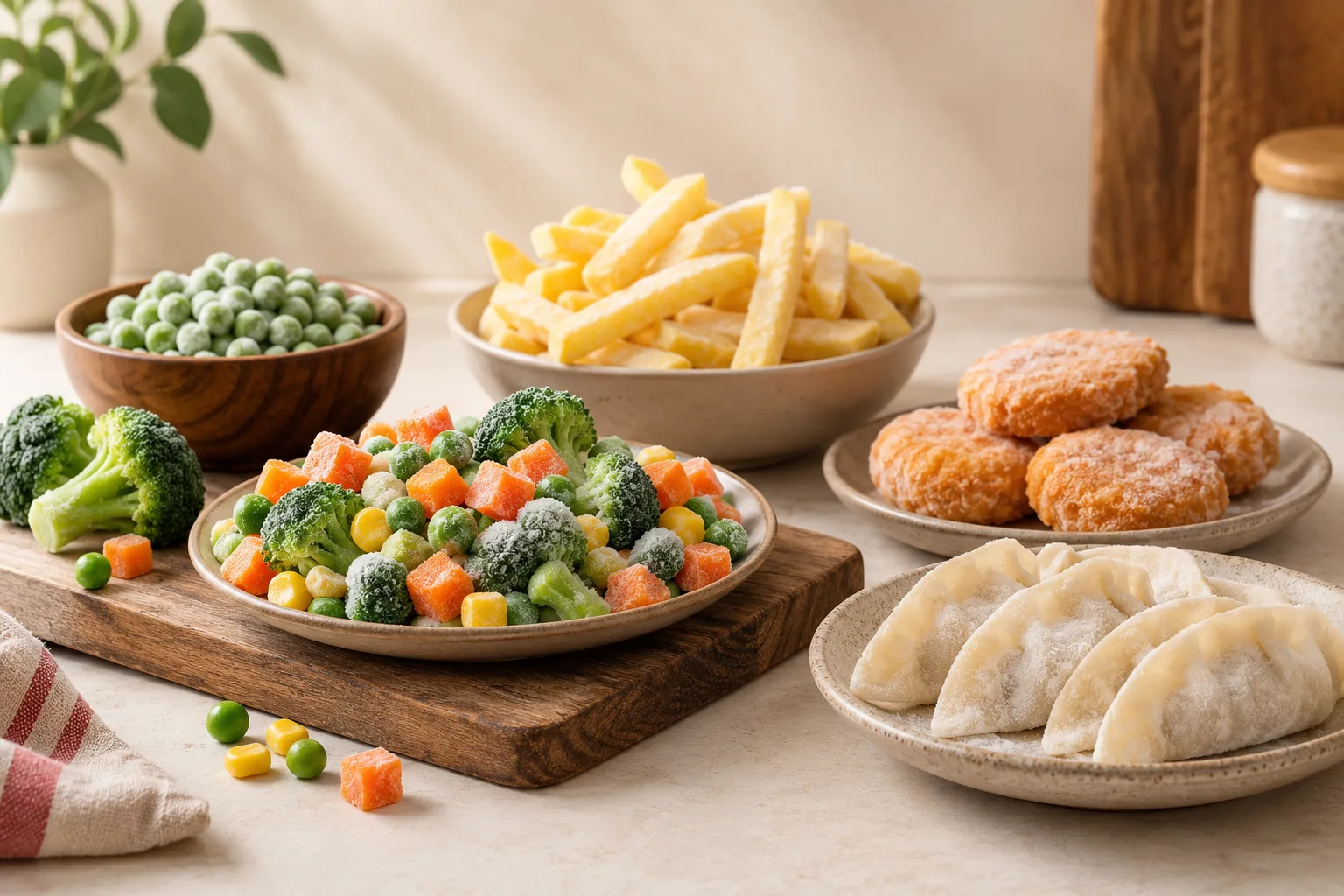
What social media means
Social media is the ongoing posting your business does on platforms such as Instagram, Facebook and LinkedIn to stay visible to customers and prospects between purchases. GullySales plans a posting calendar, writes captions and designs the images so the page looks active and answers what a visitor would ask.
Also for frozen food manufacturers
- Content marketing for frozen food manufacturers
- Lead generation for frozen food manufacturers
- SEO for frozen food manufacturers
- Buyer personas for frozen food manufacturers
- CRM for frozen food manufacturers
- Follow-up systems for frozen food manufacturers
- WhatsApp marketing for frozen food manufacturers
- Digital marketing for frozen food manufacturers
Sales and marketing for frozen food manufacturers, the overview.
Last updated 14 Nov 2026.
For frozen food manufacturers
Where it usually goes wrong, and what we would do.
“A chef wants to see the product from the pack to the plate”
A short clip of the pack opened, cooked and served tells a kitchen more than a styled photograph. Show the pack size, the cooking method and the finished plate in one view.
“Household and trade audiences need separate accounts or series”
A parent looking for a twenty-minute dinner and a purchase head comparing price per kilogram follow different posts. Mixing them dilutes both, so give each a distinct series with its own tone.
“Comments about thawed packs need a public reply route”
A buyer who posts a complaint about a damaged pack expects an answer where others can see it. Reply once, move the detail to a call or message, and log the case so the delivery team sees it.
“Plant and van pictures build trust”
Photographs of the plant floor, the freezer room and the vehicles show the cold chain without a claim. Take them with the team's agreement and avoid showing anything that breaks your own hygiene rules.
What we do
What we deliver for frozen food manufacturers.
The work available for this need. We agree the deliverables and responsibilities for your engagement in writing.
A content plan by audience
Separate series for chefs and for households, with pack, recipe and plant themes.
Result: A plan where each post names the audience it is for.
Cooking clips for each pack
Short videos showing the pack, the method and the plated dish.
Result: A clip for every pack you want to push.
A reply guide for comments and messages
Wording for price questions, delivery questions and complaints.
Result: Your team replies in one voice and logs complaints.
Plant and delivery photography brief
A list of shots of the plant, the freezer room and the vans.
Result: A shot list a team member can work from.
Profile set-up
Business profiles with product groups, delivery area and a contact route for trial packs.
Result: Every profile points a chef to the trial pack route.
How the result is measured
- Posts published
- Engagement rate
- Enquiries from social profiles
Recorded as a baseline before work starts, so every later report has an honest comparison.
Posts and pieces to plan
The posts a frozen food maker can plan for kitchens and households.
- Pack to plate in a kitchen
- A clip of a chef cooking the product from the freezer, showing the time and method. Needs the chef's agreement to appear.
- Inside the packing line
- A short clip of the line and hygiene routine, shot with the plant head's approval. Show only what is true.
- The van and the freezer
- A photograph of the loaded vehicle and the handover check. Needs the driver's agreement to be shown.
- One product, three uses
- A post showing a paratha as a breakfast, a roll and a snack. Needs the recipe the kitchen actually used.
- How to store at home
- A household post on keeping the pack frozen after purchase. Needs the storage advice printed on the pack.
- What a distributor stocks
- A LinkedIn post for trade readers on the pack range and ordering. Needs the current price list.
Who it is for
This is written for these frozen food manufacturers.
- Frozen parathas, rotis and Indian breads makers
- Momo, dumpling and snack manufacturers
- Frozen vegetable and fruit processors
- French fries and potato product makers
- Frozen non-vegetarian product makers
- Frozen dessert base and bakery dough suppliers
- Foodservice suppliers to cloud kitchens and QSRs
- Retail frozen brands selling through cabinets and online grocery
Before you decide
When this may not be the right fit.
- No one is free to reply to a comment about a thawed pack, and an unanswered complaint on a public page does harm
- The plant has not agreed to be filmed, and a page without proof of the work would only repeat packaging
- You would post health or nutrition claims, which food rules limit and which you cannot show
Before you decide
Agree the work. Know how to judge it.
Social media marketing for frozen food manufacturers: use these checks to prepare, choose the scope, and review what changes.
Bring the right evidence
Review the posts that produced useful conversations, not only the ones with the most views. Gather buyer questions and decide which team member can contribute credible material.
Make the scope clear
Choose the audience and channel before setting a posting volume. Agree who supplies material, approves posts, and handles messages, including complaints or questions the agency cannot answer.
Check the work in use
Follow a post through to the profile, website, and response. A useful report explains the quality of conversations and enquiries, alongside reach and engagement.
Know when to change course
If publishing takes time away from unanswered buyer messages, fix the response routine first. Do not expand to another channel without a clear reason for being there.
These are discussion points, not a fixed package. GullySales confirms the deliverables, responsibilities, fee, and term in writing after reading your brief and speaking with you.
Before we start
What to have ready before the work starts.
The records, access and decisions this work needs from frozen food manufacturers. Anything missing is noted in the written scope, with who will supply it.
- A set of packs and a cook's time
- We need sample packs of each product to photograph, and a chef or cook from your side for the day. Fresh-from-the-freezer product should be kept in good order until shooting. If packs are scarce, we choose three products first. Keep a few opened packs aside too, because the clips for chefs show the pack as it arrives at the back door.
- Permission to show the plant and the van
- The plant manager must approve which areas may be photographed and who may appear. Tell us the hygiene rules for entry. Where the plant cannot be shown, we use packs and kitchen scenes only.
- The names of your complaint handlers
- Whoever deals with damaged or thawed packs must be named, with the phone they answer. The reply guide depends on a real person. If there is none, we advise setting that up before comments are invited. The reply guide also names who decides on a refund or a replacement pack, so the public answer matches what is later done.
- Login for every account you hold
- Company pages, any account made by staff, and the business email behind them. Access in your company's name, with us as editors. Old accounts made by a vendor must be handed over before we start.
- A decision on recipes and offers
- Decide whether you will share recipes, run offers or contests, since each has platform and consumer rules. Read the platform's latest policy and take your adviser's view. Without a decision we post only product and plant content.
How it works
How the social media work runs
The work itself, in order. How an engagement starts, from your brief to a written scope, is set out on our method page.
- 1
Photograph the product from pack to plate
We start in your kitchen or a partner chef's: the pack opened, the product cooked in the way a restaurant would, and the plated result. You choose the products that show best and the cooking method you recommend. We brief the shots one product at a time. These photographs and short clips are the raw material for everything that follows. We also note which chefs and cooks on your side are comfortable on camera, since a clip with a real cook reads better to a trade buyer than a polished advertisement.
- 2
Split the audience into trade and household
Chefs and purchase heads follow different accounts from those who cook dinner at home. We decide with you whether to run two accounts or two clearly separate series on one, and which platform each uses. LinkedIn and Instagram may serve trade, while Instagram and YouTube serve households. We write the split as a one-page plan.
- 3
Visit the plant and the van
Trust is built by showing the plant floor, the packing line, the cold room door and the reefer van loading. We visit with a phone or a camera, follow the plant's hygiene rules, and photograph only what the plant manager clears. You mark areas that must not be shown. The pictures form a bank for the posts.
- 4
Write the reply guide with the customer team
A comment about a thawed pack or a late delivery will arrive in public. With the person who handles complaints, we write the reply routes: what is said in public, what moves to a private message, who calls the buyer and who decides on a replacement. You approve every line before any post goes out.
- 5
Set the calendar and publish the first posts
We place the clips, plant pictures and recipes on a calendar by audience, and you approve each post before it is published. Posts about storage, shelf life or health are cleared by your food safety adviser. We publish the first set, check the links, and tag the enquiries so a message shows which post it followed. Any offer or contest is held back until you and your adviser have checked the platform's current rules for food promotion.
- 6
Read replies and trade enquiries by post
We record the trade messages and calls that reached you from social media before the work began. Afterwards we read which posts brought a message from a chef, a distributor or a buyer, and which brought only likes. You decide which post types to repeat. We make no promise about followers or sales.
Where this fits
Three pieces of sales work, in this order.
This work sits inside sales process design, at stage 0, foundation. The audit comes before it, and sales management keeps it running.
Step 1
Sales audit
Find where deals are being lost and what to fix first.
Start here if you cannot say where orders are lost.
Step 2 · you are here
Sales process design
One written way to sell, from first enquiry to repeat order.
Start here if every salesperson sells differently.
Step 3
Sales management
A target, a review routine and someone who owns the number.
Start here if the team has targets and no routine.
FAQ
Questions owners ask before they call.
Not here? More answers, or ask on WhatsApp.
Which platform matters most?
Can we run recipe contests?
Do you promise followers or sales?
How should a post answer a comment about a damaged pack?
Do we need a separate account for households and for trade?
Can staff post from their own phones about the plant?
How much does it cost?
How long is the contract?
How soon will we see results?
Who will actually do the work?
More for frozen food manufacturers
Related work to consider.
Closest to this: content and social
Also for frozen food manufacturers
Or start from the overview: sales and marketing for frozen food manufacturers.
Your next practical step
Tell us what you are trying to grow, and we will read it before we call.
Eight short steps, mostly taps. Skip anything you would rather answer on the call.