Frozen food manufacturers · Lead generation
Find the kitchens and distributors that will reorder your frozen range.
Lead generation for a frozen food manufacturer means finding the buyers who can take regular lots: cloud kitchens, caterers, hotels, distributors with freezer space and retail buyers. GullySales builds the target lists, the enquiry paths and the record that shows where each lead came from.
Scope, fee, reporting and term are agreed in writing after we have read your brief and spoken to you.
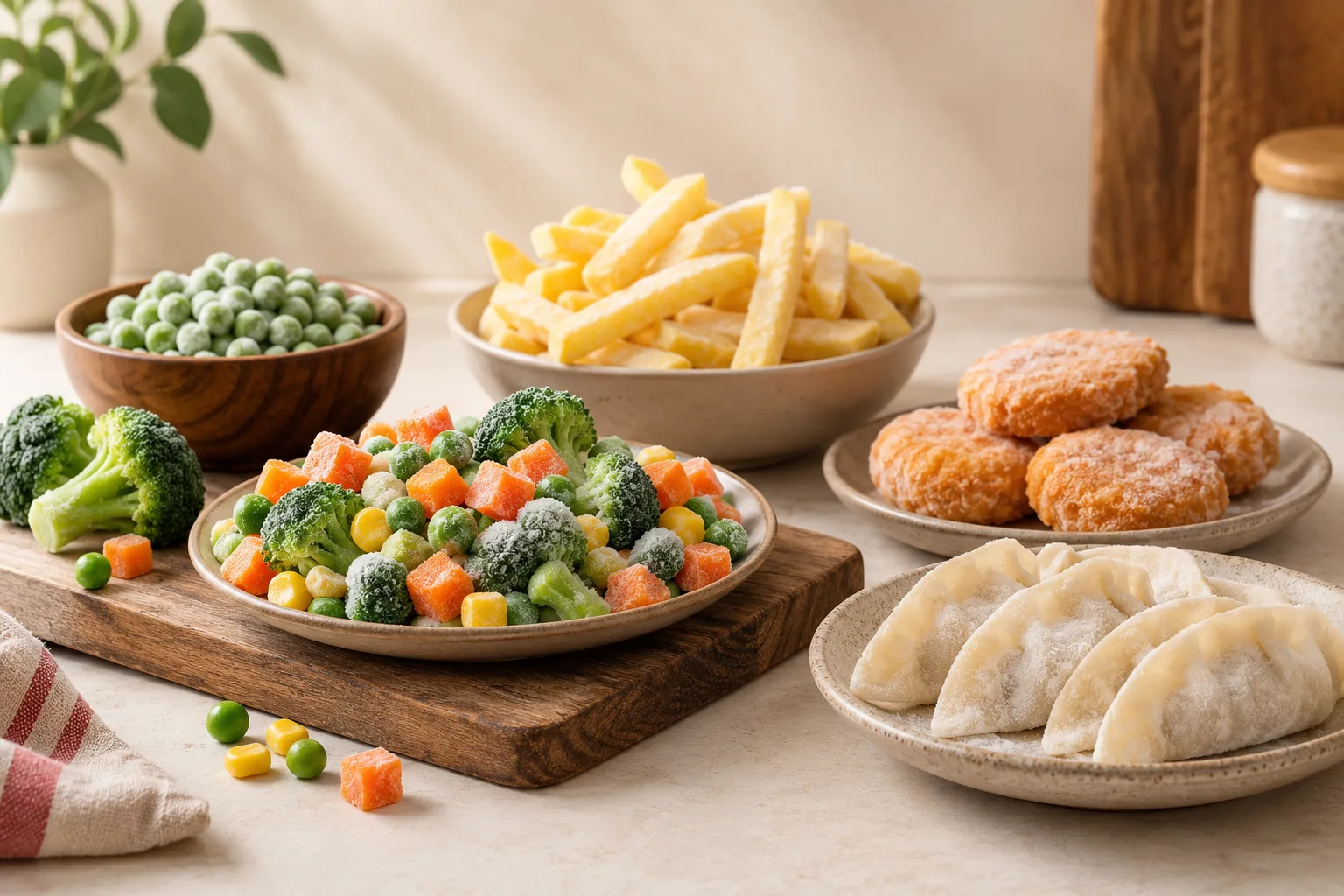
What lead generation means
Lead generation is the combined work of every channel that brings in a new enquiry, whether from search, adverts, referrals or a stall at an exhibition. GullySales runs these channels together and reports the number of enquiries each one produced, not the activity behind it.
Also for frozen food manufacturers
- CRM for frozen food manufacturers
- Follow-up systems for frozen food manufacturers
- SEO for frozen food manufacturers
- Social media marketing for frozen food manufacturers
- Content marketing for frozen food manufacturers
- Buyer personas for frozen food manufacturers
- WhatsApp marketing for frozen food manufacturers
- Digital marketing for frozen food manufacturers
Sales and marketing for frozen food manufacturers, the overview.
Plan the next part of the work
Last updated 21 Nov 2026.
For frozen food manufacturers
Where it usually goes wrong, and what we would do.
“A kitchen worth winning orders on a schedule”
A cloud kitchen that runs a weekend rush needs the same pack in the same quantity again and again. A lead who asks one price question and never reorders costs the same call time as a regular account, so the list must favour kitchens with repeat demand.
“Distributor leads depend on freezer space, not interest”
A distributor may sound keen on the phone and have no cabinet to spare. Ask early about spare freezer capacity, the brands already in it and the towns covered, and record the answers before you send samples.
“Delivery zone decides which leads are real”
A lead outside your van routes is a cost, not a prospect. Mark every enquiry against the areas your vehicles reach, and keep a separate list for towns you would enter only through a distributor.
“Trial pack requests need a next step”
A chef who asks for a trial pack has told you the pack, the quantity and the day. If nobody calls after the van has delivered, the lead has been paid for and then thrown away.
What we do
What we deliver for frozen food manufacturers.
The work available for this need. We agree the deliverables and responsibilities for your engagement in writing.
A buyer target list by type
Cloud kitchens, caterers, hotels, distributors and retail buyers listed separately, each with the pack most likely to suit them.
Result: A list your sales caller can work through, with buyer type and pack interest on each line.
An enquiry path for trial packs
A short form and a phone number for chefs and purchase heads, asking for the pack, the quantity and the delivery address.
Result: Every trial request lands in one record with the address checked against your routes.
A distributor screening sheet
Questions on spare freezer space, existing brands, towns covered and payment practice, asked before samples are sent.
Result: You can see which distributors have room before a sample goes out.
Lead source tagging
Each lead marked as a referral, a visit, a call, a platform enquiry or a website request.
Result: You can check which source brought the accounts that reordered.
A lapsed-lead sweep
Leads that went quiet are called again with a reason noted for each.
Result: A list of quiet leads with the reason each gave.
How the result is measured
- Relevant enquiries by source
- Duplicate and unsuitable enquiries
- Time to the first response
- Accepted enquiries reaching an agreed next step
Recorded as a baseline before work starts, so every later report has an honest comparison.
What to capture or send
What the enquiry record holds before a kitchen or distributor gets a trial pack.
- Delivery zone and nearest cold store
- Taken from the buyer on the first call. It shows if the van can reach them without a cold-chain break, and whether the lead is real.
- Product and pack wanted
- Parathas by the dozen, momos by the kilo, peas in catering packs. Written by the sales person so the sample matches the use.
- Order day and expected volume
- Asked of a kitchen. It lets the dispatcher fit the account on a route and tells you if it is worth a standing order.
- Freezer space for a distributor
- Asked in cabinet or deep-freezer terms. A distributor without room cannot stock the range, however keen.
- Trial pack sent and next call
- Entered the day the pack leaves. It stops a trial from ending in silence because nobody set the follow-up.
- Buyer role
- Chef, purchase head, owner or manager. It decides whether the next message is about taste, price or consistency.
Who it is for
This is written for these frozen food manufacturers.
- Frozen parathas, rotis and Indian breads makers
- Momo, dumpling and snack manufacturers
- Frozen vegetable and fruit processors
- French fries and potato product makers
- Frozen non-vegetarian product makers
- Frozen dessert base and bakery dough suppliers
- Foodservice suppliers to cloud kitchens and QSRs
- Retail frozen brands selling through cabinets and online grocery
Before you decide
When this may not be the right fit.
- Your vans cannot reach the zone the leads come from, so a good enquiry would end in a delivery you cannot make
- Trial packs go out with no one assigned to call afterwards, so the sample cost is lost with no order
- You have no listing or price for a distributor to read, and a distributor lead would meet a gap
Before you decide
Agree the work. Know how to judge it.
Lead generation for frozen food manufacturers: use these checks to prepare, choose the scope, and review what changes.
Bring the right evidence
Define the organisations or buyers you can serve and the reasons they would consider a conversation. Bring examples of accepted and rejected prospects so the selection rule is visible.
Make the scope clear
Agree the research sources, contact approach, qualification rules, and handover. Clarify which meetings count as accepted and what happens to replies that are not ready to buy.
Check the work in use
Review why a prospect was selected and what was learned from the response. Count held, relevant conversations separately from contacts found, messages sent, or meetings booked.
Know when to change course
If the same objection appears repeatedly, adjust the offer or buyer group before increasing outreach. Respect a request to stop contact and keep the exclusion in the record.
These are discussion points, not a fixed package. GullySales confirms the deliverables, responsibilities, fee, and term in writing after reading your brief and speaking with you.
Before we start
What to have ready before the work starts.
The records, access and decisions this work needs from frozen food manufacturers. Anything missing is noted in the written scope, with who will supply it.
- The billing record for the last full season
- We need invoices or a sales ledger with the buyer names and dates. It shows which accounts ordered on a schedule and which were one-off. A spreadsheet export is enough. Without it the target lists copy guesses, not your best accounts.
- The route sheet for the reefer van
- The dispatcher's sheet of routes, drop points and van capacity sets the boundary of every list. A photo of the whiteboard will do. If the van runs no fixed route, we draw the zone from the last month of delivery challans.
- Stock available for trial packs
- Decide how many trial packs you can give away and of which products, from stock that is not needed for paying orders. We size the trial path to that number. If you cannot spare any, we plan for tasting at the buyer's kitchen instead.
- Freezer and cabinet loan terms for distributors
- Several distributors ask for a branded cabinet on loan. Tell us whether you lend them, on what terms, and whether you have any spare. We put the answer into the screening sheet, because it decides which distributor leads are worth a visit.
- A caller who can speak to a chef
- A person on your side must make the follow-up calls and understand the product well enough to answer a chef about cooking from frozen. If this is the owner, set aside the hours. If nobody is free, we reduce the lists to match.
How it works
How the lead generation work runs
The work itself, in order. How an engagement starts, from your brief to a written scope, is set out on our method page.
- 1
Sort last year's buyers by how they order
We begin with your billing record and the dispatcher's route sheet. Each account is marked as a cloud kitchen, caterer, hotel, restaurant chain, distributor or retail buyer, and by how it orders: fixed day, on call or only once. You tell us which accounts you would gladly have ten more of. That sorted list, not a database bought from outside, is what we copy.
- 2
Draw the delivery zone on a map
A lead outside the van's reach is not a lead. With the dispatcher we draw the area your reefer van can serve on its present routes, and the outer edge you could stretch to with a second drop. You mark areas you refuse. Every target list we build afterwards is cut to this boundary, so no one is chased whom the van cannot reach.
- 3
Build target lists for each buyer type
Using that zone, we write separate lists for cloud kitchens, caterers and banquet kitchens, hotels, distributors with deep freezers, and retail buyers. Each name carries the person to approach: chef, purchase head or owner. You strike out names you already hold or avoid. Nothing goes on a list that we cannot place inside the zone.
- 4
Write the trial pack route and the screening sheet
We set what happens when a kitchen asks for a trial pack: what is sent, who calls after the van, what the buyer is asked about volume and freezer room. For distributors we write a short screening sheet covering freezer capacity, cabinet space, current brands and payment habits. You decide how many trial packs you will send and to whom.
- 5
Test the paths with sample enquiries
We send ourselves a trial pack request, a distributor enquiry and a call, and follow each into the lead record. We note who answered, how soon the next step was named, and whether the source was tagged. You hear a recorded or role-played call and change the wording. Only then do the lists go to the callers.
- 6
Read where the first orders came from
Before starting, we count the accounts that ordered in the last season and where each came from, as far as your records allow. Afterwards we read new orders against the lead source tags and the trial packs sent. You see which buyer type turned a trial pack into a repeat order, and which only took the sample.
Where this fits
Three pieces of sales work, in this order.
This work sits inside sales process design, at stage 1, prospecting and lead generation. The audit comes before it, and sales management keeps it running.
Step 1
Sales audit
Find where deals are being lost and what to fix first.
Start here if you cannot say where orders are lost.
Step 2 · you are here
Sales process design
One written way to sell, from first enquiry to repeat order.
Start here if every salesperson sells differently.
Step 3
Sales management
A target, a review routine and someone who owns the number.
Start here if the team has targets and no routine.
FAQ
Questions owners ask before they call.
Not here? More answers, or ask on WhatsApp.
Should we chase every cloud kitchen in the city?
How do we know a distributor lead is serious?
Do you guarantee a number of leads?
What is the main limit on frozen food lead generation?
Do we have to give free samples to every lead?
What does lead generation cover for retail frozen brands?
How much does it cost?
How long is the contract?
How soon will we see results?
Who will actually do the work?
More for frozen food manufacturers
Related work to consider.
Closest to this: leads and follow-up
Also for frozen food manufacturers
Or start from the overview: sales and marketing for frozen food manufacturers.
Your next practical step
Tell us what you are trying to grow, and we will read it before we call.
Eight short steps, mostly taps. Skip anything you would rather answer on the call.