Industrial equipment manufacturers · Events and exhibitions
A machine on the stall should bring back RFQs that a plant buyer can act on.
Event and trade show marketing for an equipment maker covers the invitations, the machine on the floor, the record of each plant visit at the stand and the follow-up that turns a conversation into an RFQ. GullySales prepares that chain with your team and traces each stand contact to a quotation and an order.
Scope, fee, reporting and term are agreed in writing after we have read your brief and spoken to you.

What events and exhibitions means
Events and exhibitions are trade shows, stalls or hosted gatherings where you meet many prospects in one place at one time. They suit industries where buyers still expect a face to face introduction. GullySales plans the stall, the material and the follow-up so contacts made there are not lost afterward.
Also for industrial equipment manufacturers
- Channel partner engagement campaigns for industrial equipment manufacturers
- Outsourced dealer sales support for industrial equipment manufacturers
- Channel sales strategy and route to market execution for industrial equipment manufacturers
- Channel territory planning for industrial equipment manufacturers
- Co-operative partner marketing for industrial equipment manufacturers
- Channel governance and conflict management for industrial equipment manufacturers
- Channel partner recruitment for industrial equipment manufacturers
- Appointment setting for industrial equipment manufacturers
Sales and marketing for industrial equipment manufacturers, the overview.
Last updated 14 Nov 2026.
For industrial equipment manufacturers
Where it usually goes wrong, and what we would do.
“A running machine draws a crowd, not a buyer”
A pump on a test bed or a press cycling on the stand pulls people into the aisle, and the crowd includes students, competitors and suppliers. The plant engineer with a real duty to meet stands at the edge for a minute and walks on. The stand needs a way to spot that person, ask the duty, capacity and site conditions, and note them, before the machine noise ends the conversation.
“The decision involves two people who are not both present”
At an equipment purchase the plant engineer checks technical fit and the procurement head negotiates terms. Only one of them walks the hall. The stand conversation then has to leave material for the absent person: a datasheet for the engineer to forward, or a commercial summary for the purchase desk. A visiting card alone loses half the decision.
“Bringing the machine costs more than the space”
An exhibitor of heavy equipment pays for transport, floor loading checks, power and compressed air connections, rigging and a service engineer to stand beside the unit. Those costs sit in different ledgers and the organiser's invoice shows only the space. When the next edition is discussed, the real cost of showing one machine is a guess, and so is its return.
“The best leads are dated by the plant's own shutdown”
A buyer who says the line stops for maintenance next quarter wants a quotation before that window, not a brochure afterwards. Stand notes that record only the company name hide this. Without the purchase window written down, the follow-up call arrives after the order has gone to whoever answered while the shutdown was still being planned.
What we do
What we deliver for industrial equipment manufacturers.
The work available for this need. We agree the deliverables and responsibilities for your engagement in writing.
Event suitability note
A review of the organiser's visitor profile, the exhibitor list and any earlier edition information, set against the plant roles you want to meet. It names the machines worth showing at this fair and the ones better kept for a dealer meet or a plant visit.
Result: You can say why this fair was chosen and which machine was meant to carry it.
Machine-led invitation and contact list
Email and WhatsApp invitations to your approved customer and prospect lists, each naming the machine on the floor, the duty it runs and the stand number. You approve the recipients and check the registration link before anything is sent.
Result: Every invitation names a machine and a stand, and the sent list matches the approved list.
Stand brief for the machine and the datasheet
Fascia wording, a one-page datasheet matched to the exact model shown, and a short demonstration outline that starts with the duty rather than the company. Your product owner checks capacity, certification and any performance wording before print.
Result: The datasheet on the stand matches the specification of the machine standing beside it.
RFQ capture form with priority rules
A phone form or organiser scanner that records the visitor's role, duty, capacity needed, purchase window, who else signs and the salesperson present. A sample conversation tests whether an engineer in the office could quote from the entry alone.
Result: A test entry gives sales enough to start a quotation without calling the stand team back.
Follow-up copy and named call list
Prepared messages that refer to what was shown and asked at the stand, with separate versions for the plant engineer and the purchase head. The call list gives each contact a named salesperson and a next action.
Result: No stand contact is left without a named owner and a next step.
Event cost and RFQ record
One record that brings transport, rigging, power, travel and space costs next to the RFQs, quotations and orders that carry the event as their source. You check source links and missing costs before the record is used to decide on another edition.
Result: You can read what the fair cost against the quotations and orders traced to it.
How the result is measured
- Leads captured
- Follow-up completion rate
- Enquiries converted after the event
Recorded as a baseline before work starts, so every later report has an honest comparison.
Who it is for
This is written for these industrial equipment manufacturers.
- CNC machine and precision equipment manufacturers
- Industrial pump and compressor manufacturers
- Packaging machinery manufacturers
- Conveyor and material handling equipment makers
- Motor and drive manufacturers
- Custom fabrication and job-work manufacturers
- Export-oriented industrial equipment makers
- Spare parts and after-sales service providers
Before you decide
Agree the work. Know how to judge it.
Event and trade show marketing for industrial equipment manufacturers: use these checks to prepare, choose the scope, and review what changes.
Bring the right evidence
Name the buyers you want to meet and the reason for them to speak with you. Bring a product or service story that can lead to a useful next conversation after the event.
Make the scope clear
Agree the event activity, demonstration material, enquiry capture, and follow-up responsibilities. Separate venue or sponsorship spend from production and sales preparation.
Check the work in use
Review the conversations that had a recorded need and agreed next step. Track them through proposals and orders instead of treating badge scans as qualified opportunities.
Know when to change course
If nobody can follow up after the event, reduce the activity to what the team can handle. A full contact list with no next action is not a sales pipeline.
These are discussion points, not a fixed package. GullySales confirms the deliverables, responsibilities, fee, and term in writing after reading your brief and speaking with you.
Before we start
What to have ready before the work starts.
The records, access and decisions this work needs from industrial equipment manufacturers. Anything missing is noted in the written scope, with who will supply it.
- The exhibitor manual and deadlines
- The manual holds the dates for passes, power orders, signage and machine delivery. We need it early because a late power order or an oversized machine without a loading approval can stop the demonstration, and the stand then shows a static display.
- A current specification sheet
- Bring the datasheet for the exact model you will show, with capacity, rating and certification as they stand today. When the sheet is old, the stand repeats a figure the machine no longer meets, and a plant engineer checking it on the spot loses trust.
- Your customer and prospect lists
- Provide the lists you are willing to invite, with the role of each person where known. Without roles we cannot write separate invitations for engineers and purchase heads, and the message reaches both with a wording that suits neither.
- A named stand team
- Name the salesperson, the service engineer and the person who records visits. When nobody owns the capture form, the busiest hours pass with notes on cards, and sales rebuilds each conversation from memory afterwards.
- Your cost records for past fairs
- Share what transport, space, rigging and travel cost at an earlier fair if you hold it. It sets the baseline for judging this one. Without it, the comparison starts from the organiser's invoice alone, which understates what showing a machine costs.
How it works
How the events and exhibitions work runs
The work itself, in order. How an engagement starts, from your brief to a written scope, is set out on our method page.
- 1
Agree the machine and the buyer
You tell us which machine or range the fair should sell and which plant roles you want to meet. We read the visitor evidence from the organiser and agree whether the aim is new RFQs, dealer appointments or a launch, so the stand is built around one purpose.
- 2
Plan the floor, power and transport
Your event owner and contractor confirm floor space, loading, power, air supply and the route for the machine. We turn the exhibitor manual into a checklist with a named owner against each item, so a missing connection is found before the machine arrives.
- 3
Approve invitations and stand material
Your nominated approver checks the contact list, the invitation wording and the datasheet for the model shown. Specification and certification claims are confirmed by your product owner. Nothing is sent or printed until that sign-off is recorded.
- 4
Rehearse the stand conversation
Your stand team runs a sample visit with the capture form: a plant engineer arrives, asks about duty and capacity, and mentions a shutdown window. We agree priority definitions, who checks incomplete entries and how a record reaches the right salesperson.
- 5
Capture at the stand, then hand over
During the fair your team records each serious conversation in the agreed form. At close, the entries are loaded into your CRM or sheet with the event source attached, and the call list is released to the named salespeople with the right message version.
- 6
Read the result against the baseline
When quotations and orders have had time to appear, we compare them with the figures recorded before the fair, including the full cost of showing the machine. You decide with that record whether to exhibit again, change the machine shown or choose another channel.
Proof
Published examples of our work.
Real clients and the work recorded for each engagement. These examples may cover related services or industries. They show the method, not a guaranteed result.
Burhani Hydroline
- Situation
- The website was dated. Menus were hard to follow, pages were slow, and it did not work properly on a phone, which is where a buyer looks first.
- What we did
- Research before design
- Wireframes and prototypes
- The full product catalogue
- An online checkout
- Result
- No numbers were recorded for this engagement. The work is described in full in the case study.
Also worked with
Chord Road Hospital · Curtain Label · Difesa Security Services · Felicity Inn · Hands On CSR · Implevista · Kambar Group · Kalessi · Kerur Pain Clinic · LL Trust · Lucky Deals · Natural Gases · NavaShakthi Souhardha · NewCom Logistics · Proton Technical Services · SB Engineering · Shakthi Foundation · Shakthi Group · Urbanest · Insyde Studio · Venkateshwara Laser Tech · Vivara Studios
Where this fits
Three pieces of sales work, in this order.
This work sits inside sales process design, at stage 0, foundation. The audit comes before it, and sales management keeps it running.
Step 1
Sales audit
Find where deals are being lost and what to fix first.
Start here if you cannot say where orders are lost.
Step 2 · you are here
Sales process design
One written way to sell, from first enquiry to repeat order.
Start here if every salesperson sells differently.
Step 3
Sales management
A target, a review routine and someone who owns the number.
Start here if the team has targets and no routine.
FAQ
Questions owners ask before they call.
Not here? More answers, or ask on WhatsApp.
Should an equipment maker exhibit at a general fair or a sector fair?
Is it worth bringing a running machine?
What should the stand team record from each visitor?
How do we separate serious RFQs from people collecting brochures?
Can GullySales run the stand for us?
How do we know whether the fair paid for itself?
How much does it cost?
How long is the contract?
How soon will we see results?
Who will actually do the work?
From the blog
Further reading for industrial equipment manufacturers.
 7 min read · 21 Sept 2026How to advertise to plant headsPlant heads can block a purchase but rarely sign one. Learn why breakdown searches, estate media and a trial offer reach them better than brand ads.
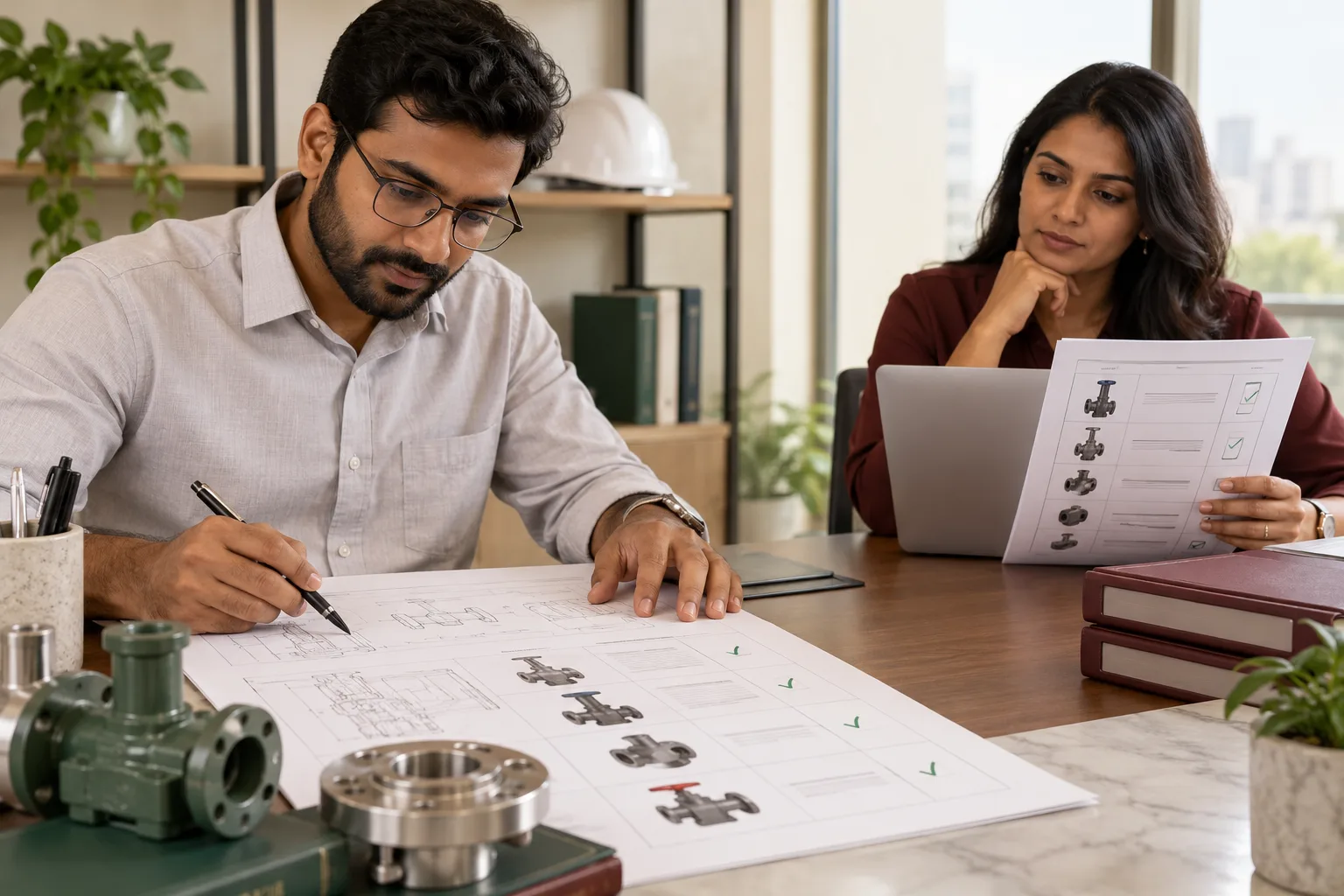 7 min read · 21 Sept 2026How to advertise to engineers, who buy from the specificationAn engineer writes the specification and purchase buys from it. Get your make on the approved list before the tender, or the budget goes elsewhere.
 6 min read · 22 Apr 2025The best advertising channels for B2B companiesSearch, marketplaces, LinkedIn and trade media reach different buyers. Pick by asking whether your buyer can name what you sell.
More for industrial equipment manufacturers
Related work to consider.
Closest to this: channels and partners
- Channel partner engagement campaigns for industrial equipment manufacturers
- Outsourced dealer sales support for industrial equipment manufacturers
- Channel sales strategy and route to market execution for industrial equipment manufacturers
- Channel territory planning for industrial equipment manufacturers
- Co-operative partner marketing for industrial equipment manufacturers
- Channel governance and conflict management for industrial equipment manufacturers
- Channel partner recruitment for industrial equipment manufacturers
- Appointment setting for industrial equipment manufacturers
Also for industrial equipment manufacturers
- Answer engine optimisation for industrial equipment manufacturers
- Branding for industrial equipment manufacturers
- Content marketing for industrial equipment manufacturers
- Digital marketing for industrial equipment manufacturers
- Email marketing for industrial equipment manufacturers
- Google Business Profile management for industrial equipment manufacturers
Or start from the overview: sales and marketing for industrial equipment manufacturers.
Your next practical step
Tell us what you are trying to grow, and we will read it before we call.
Eight short steps, mostly taps. Skip anything you would rather answer on the call.