Plastic injection moulding units · Follow up systems
Chase the quote and the sample before the buyer's attention moves on.
A follow-up system for a moulding unit is the set of agreed next steps after an RFQ reply, a sample dispatch and a delivered order. GullySales writes those steps with the unit, assigns each to a named person, and sets the prompts that keep them from slipping.
Scope, fee, reporting and term are agreed in writing after we have read your brief and spoken to you.
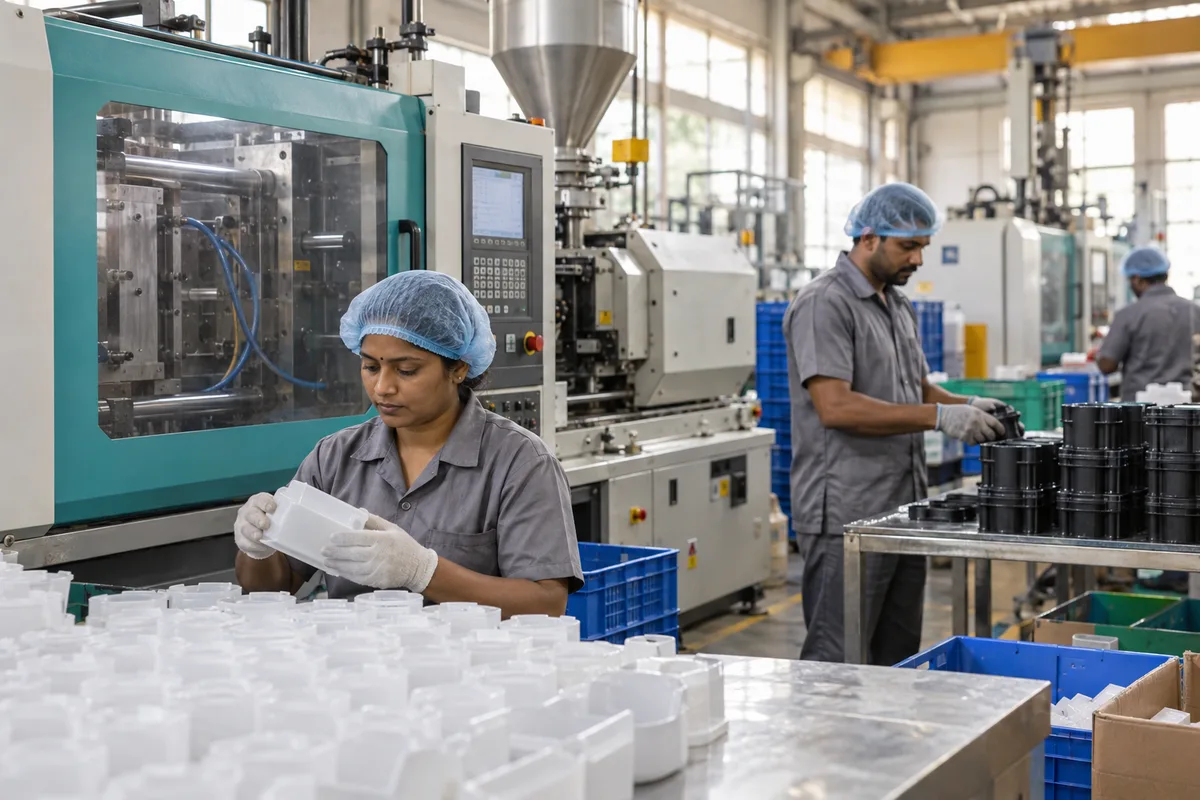
What follow up systems means
A follow-up system is the set routine for calling, messaging or emailing an enquiry more than once, since most buyers do not decide on the first conversation. GullySales sets the number and timing of follow-ups so an undecided buyer keeps hearing from you until they decide either way.
Also for plastic injection moulding units
- Lead generation for plastic injection moulding units
- CRM for injection moulding units
- AEO for plastic injection moulding units
- Branding for plastic injection moulding units
- Content marketing for plastic injection moulding units
- Digital marketing for plastic injection moulding units
- Email marketing for plastic injection moulding units
- Google Business Profile for plastic injection moulding units
Sales and marketing for plastic injection moulding units, the overview.
Last updated 13 Nov 2026.
For plastic injection moulding units
Where it usually goes wrong, and what we would do.
“A quote sent is not a quote followed up”
The reply goes out with tonnage and tooling lead time stated, and then silence. The buyer compares three replies and decides on the one that feels alive. A short, specific call or message after the quote keeps the unit in the conversation.
“Sample approval is where orders go cold”
The sample reaches the OEM, and the moulder waits for feedback. A small tolerance query sits unanswered, and the buyer's priorities shift. Someone must own the question of where the sample has reached and what quality has found.
“A cold buyer still holds an old drawing”
A buyer who did not order last time may need the same part next year. If the quote and its reason for loss are recorded, a considered follow-up can arrive when the buyer is next sourcing instead of starting again as a stranger.
“After delivery, the buyer should hear from you once more”
A call after the first production lot, asking about fit, packing and rejection, shows the unit is watching its own quality. It also surfaces the next component before another vendor does.
What we do
What we deliver for plastic injection moulding units.
The work available for this need. We agree the deliverables and responsibilities for your engagement in writing.
Follow-up steps written for each stage
A short sequence after the quote, after the sample dispatch, after the first lot and after a lost RFQ, each naming who acts and what is said.
Result: The team knows the next move at every stage.
Sample chase routine with a named owner
A defined point at which the owner calls the quality contact, records the answer and logs any tolerance query.
Result: No sample is left with nobody asking about it.
Message and call wording
Plain wording for WhatsApp, email and phone that refers to the drawing, the resin and the date quoted.
Result: Each follow-up sounds specific, not generic.
Reminder prompts inside the CRM
Next-action dates on every open RFQ and sample, with a view of those past due.
Result: Overdue items are visible in one list.
Lost-quote revisit list
A list of buyers who did not order, with the reason recorded and a date to approach again.
Result: Earlier enquiries become a source of the next conversation.
Post-delivery check call
A short script for contacting the buyer after the first production lot.
Result: Problems and next components surface from the buyer directly.
How the result is measured
- Follow-up completion rate
- Average number of follow-ups before close
- Enquiries closed after repeat follow-up
Recorded as a baseline before work starts, so every later report has an honest comparison.
What to capture or send
Each stage of an RFQ needs one note recorded and one message ready.
- Quote sent with tooling lead time
- Record the figure quoted and the date to call. A message that restates the lead time lets the buyer check it against their programme.
- Sample dispatched
- Note the dimensional report and the courier. Ask who at the buyer will inspect it and what they will compare it with.
- Sample approved or rejected
- Log the reason in the buyer's words. A rejection with a clear reason leads to a corrected sample, not a lost order.
- First lot delivered
- Record the delivery and send a short note asking whether the lot met their incoming inspection.
- Buyer gone silent
- Record the date of the last reply and the drawing revision on file. A message that names the part reminds the buyer what is waiting.
Who it is for
This is written for these plastic injection moulding units.
- Automotive component moulders
- Appliance and consumer durable moulders
- Packaging and closure manufacturers
- Electronics and electrical enclosure moulders
- Medical and pharmaceutical packaging moulders
- Toy and consumer goods moulders
- Precision and tight-tolerance job shops
- Two-shot and insert moulding specialists
- Custom and low-volume prototype moulders
Not for
It is not the right fit if.
- No one has been named to chase RFQs, so a schedule of reminders would fall on whoever happens to see them.
- The unit does not record tooling lead time at quotation, so a follow-up could only repeat a figure nobody can confirm.
Before you decide
Agree the work. Know how to judge it.
Follow-up systems for injection moulding units: use these checks to prepare, choose the scope, and review what changes.
Bring the right evidence
Trace recent enquiries from arrival to the last recorded action. Include a won enquiry, an unsuitable one, and one that went quiet, with personal details removed for the initial discussion.
Make the scope clear
Agree who accepts each enquiry, what makes it qualified, and how ownership changes. Include a rule for missed replies and a clear reason for closing an enquiry.
Check the work in use
Pick an enquiry at random and ask the team to find its owner, latest conversation, and next action. Check that the record agrees with what actually happened.
Know when to change course
If no one has capacity to respond, assign that responsibility before buying more leads. Automation can support the owner, but it cannot replace an unresolved handover.
These are discussion points, not a fixed package. GullySales confirms the deliverables, responsibilities, fee, and term in writing after reading your brief and speaking with you.
Before we start
What to have ready before the work starts.
The records, access and decisions this work needs from plastic injection moulding units. Anything missing is noted in the written scope, with who will supply it.
- The list of quotes sent and their status
- A list of the last run of quotes with date, buyer, part and what happened. It tells us where the follow-up broke. Without a list, we begin with the quotes currently open and start the history from there.
- A named owner for each stage
- Names for who follows up a quote, who chases a sample, who calls after delivery. A step with no name is not done. If the owner does all of it, we help decide which stage to give away first.
- The sample dispatch and approval dates
- Records of when samples left and when approval came back or was due. Sample approval is where orders go cold. Without dates, we cannot see which samples are waiting, and the chase routine starts with a count taken from the stores.
- Permission to call buyers who went quiet
- Agreement from the owner that the team may contact older quotes and what they may say. Some buyers have been lost for good reasons. The owner marks accounts not to be contacted so the revisit list is safe.
- Delivery records for the post-delivery call
- The dispatch register or delivery challans for recent orders, so the call after delivery is made to the right person about the right lot. Without it, the call is guesswork. If there are rejections on the lot, they are noted first.
How it works
How the follow up systems work runs
The work itself, in order. How an engagement starts, from your brief to a written scope, is set out on our method page.
- 1
Open the quotes that never got an answer
We take the list of quotes sent over the past period and mark which got a reply, which got a sample request and which went quiet. With your quoting engineer we read what was done after each was sent. The pattern shows where follow-up fails: right after the quote, at sample dispatch or after delivery.
- 2
Decide when a quote is closed
You decide with the sales engineer what happens when a buyer does not answer and when a quote is treated as lost, won or parked. The reason for each lost quote is written down. A quote with no decision stays open on the record and keeps its owner.
- 3
Write what is said at each stage
We write the messages and the call outline for the four moments: a quote sent, a sample dispatched, an approval waiting and a delivery made. Each asks one question the buyer can answer. Your sales engineer corrects the wording. Nothing is drafted for a stage that has no named person to carry it out.
- 4
Put the prompts into the record and test them
We set the reminders in the CRM or the sheet so each open item shows its next step and its owner. We test them on five old quotes, and your team checks that the right person is prompted. Prompts that nobody acts on are removed, not left to become noise.
- 5
Run the routine on live quotes
The team follows the routine on current quotes and samples while we watch the record. You see who acted on each prompt, who skipped it and why. We adjust the wording where buyers did not understand a question, and we add or cut a step.
- 6
Read the revived quotes and sample outcomes
We read the record for quotes revived after a silence, samples approved and repeat orders placed, set against the figures noted before the routine started. You decide which steps to keep and which to cut, and which lost quotes are worth revisiting once more.
Where this fits
Three pieces of sales work, in this order.
This work sits inside sales process design, at stage 2, qualification. The audit comes before it, and sales management keeps it running.
Step 1
Sales audit
Find where deals are being lost and what to fix first.
Start here if you cannot say where orders are lost.
Step 2 · you are here
Sales process design
One written way to sell, from first enquiry to repeat order.
Start here if every salesperson sells differently.
Step 3
Sales management
A target, a review routine and someone who owns the number.
Start here if the team has targets and no routine.
FAQ
Questions owners ask before they call.
Not here? More answers, or ask on WhatsApp.
How often should we follow up after a quote?
Is WhatsApp acceptable for following up with an OEM buyer?
What do we say when a buyer has gone silent?
How do we follow up when the OEM buyer is waiting on a programme?
Who does the follow-up when the quoting engineer is on the floor?
What about a buyer who only answers once a year?
How much does it cost?
How long is the contract?
How soon will we see results?
What do you need from us?
From the blog
Further reading for plastic injection moulding units.
 6 min read · 6 Oct 2026How industrial buyers decide which unit gets the RFQWhat industrial buyers check before sending an RFQ, across nine manufacturing trades, and where a unit drops off the shortlist.
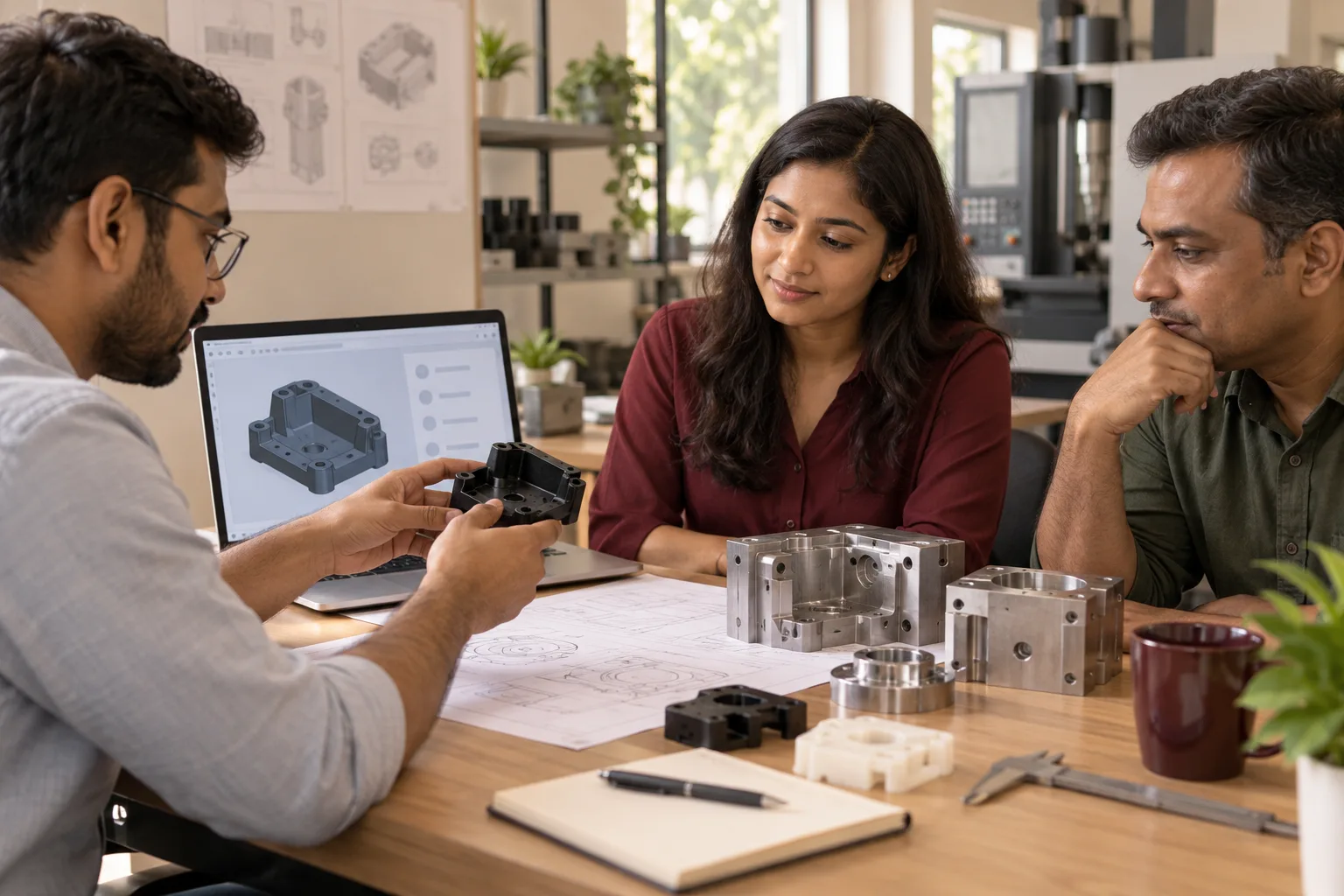 7 min read · 8 Jul 2026How to get plastic moulding job work and CNC machining ordersJob work orders go to shops buyers can find and check. How moulders and machine shops get on RFQ lists and win repeat orders.
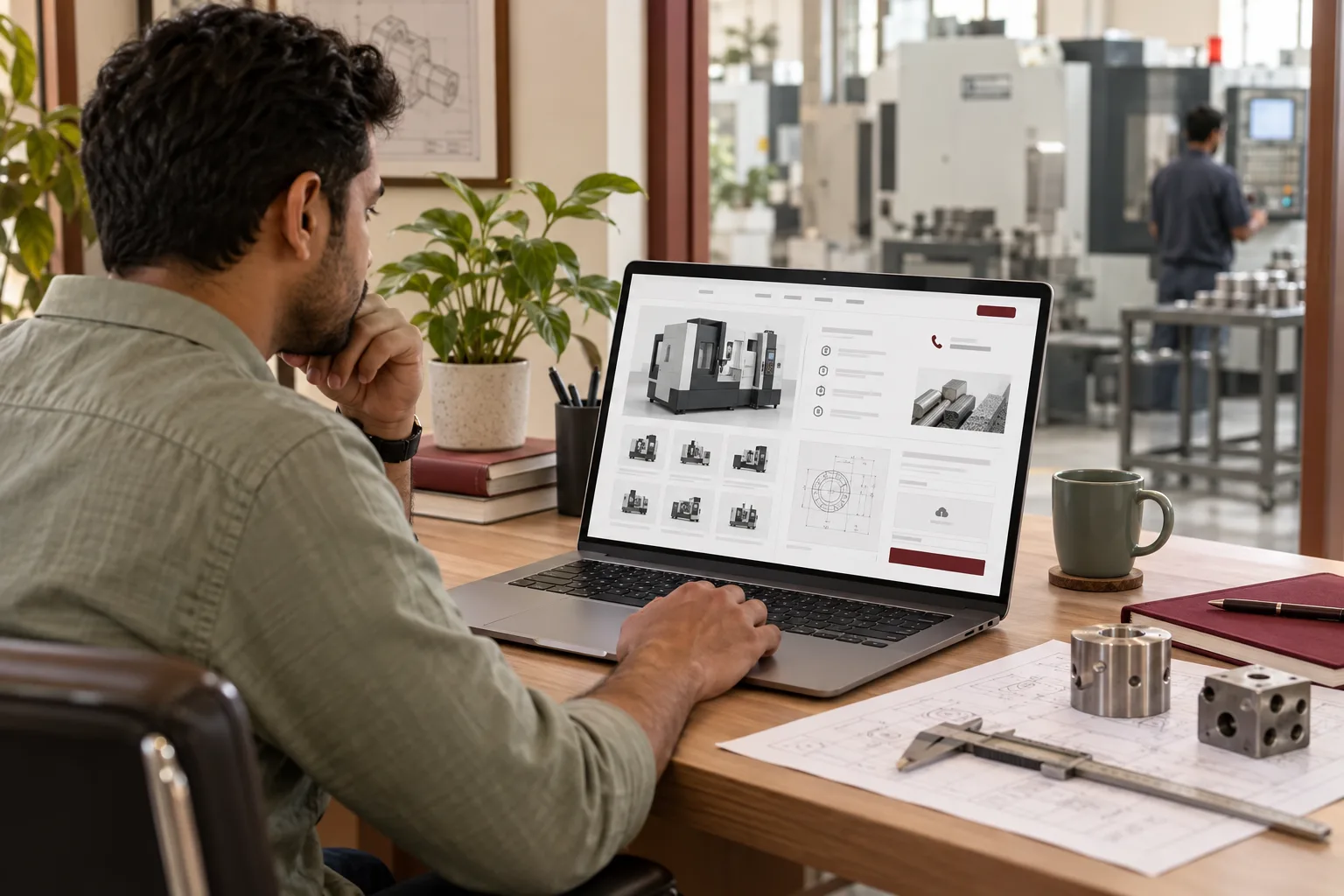 6 min read · 10 Mar 2026Website checklist for manufacturing companiesA manufacturing website is a technical document with a phone number: machine list, materials, tolerances and a form that accepts a drawing.
More for plastic injection moulding units
Related work to consider.
Closest to this: leads and follow-up
Also for plastic injection moulding units
- AEO for plastic injection moulding units
- Branding for plastic injection moulding units
- Content marketing for plastic injection moulding units
- Digital marketing for plastic injection moulding units
- Email marketing for plastic injection moulding units
- Google Business Profile for plastic injection moulding units
Or start from the overview: sales and marketing for plastic injection moulding units.
Your next practical step
Tell us what you are trying to grow, and we will read it before we call.
Eight short steps, mostly taps. Skip anything you would rather answer on the call.