Steel rolling mills and TMT bar makers · Lead generation
Count every rate request as a lead and find out which ones turned into a lorry.
Lead generation for a TMT bar mill means collecting the rate requests, dealership enquiries and project enquiries that reach your sales team, and recording where each came from. GullySales sets up the sources, a reply for each and a record that tells you which one produced dispatches.
Scope, fee, reporting and term are agreed in writing after we have read your brief and spoken to you.
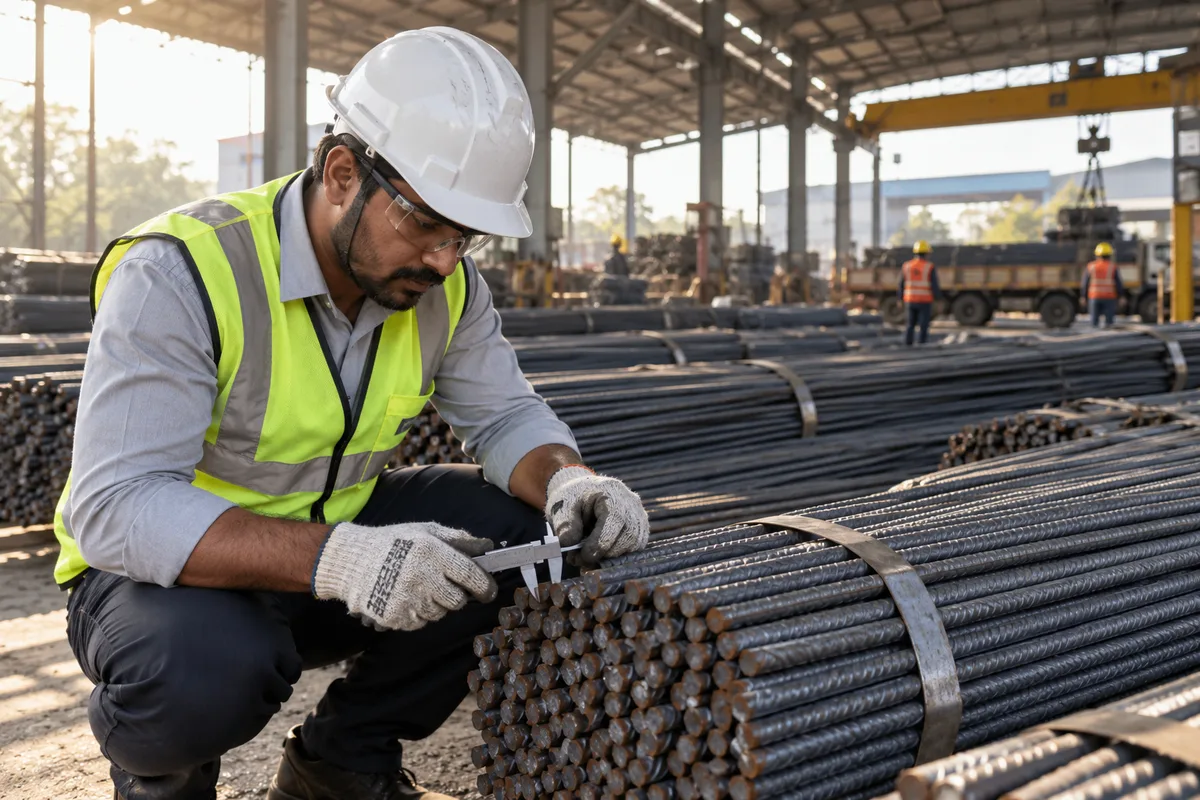
What lead generation means
Lead generation is the combined work of every channel that brings in a new enquiry, whether from search, adverts, referrals or a stall at an exhibition. GullySales runs these channels together and reports the number of enquiries each one produced, not the activity behind it.
Also for steel rolling mills and TMT bar makers
- CRM for steel rolling mills and TMT bar makers
- Follow-up systems for steel rolling mills and TMT bar makers
- SEO for steel rolling mills and TMT bar makers
- PPC ads for steel rolling mills and TMT bar makers
- Content marketing for steel rolling mills and TMT bar makers
- Email marketing for steel rolling mills and TMT bar makers
- Sales process for steel rolling mills and TMT bar makers
- Buyer persona for steel rolling mills and TMT bar makers
Sales and marketing for steel rolling mills and TMT bar makers, the overview.
Last updated 13 Nov 2026.
For steel rolling mills and TMT bar makers
Where it usually goes wrong, and what we would do.
“A rate request is not recorded as a lead”
Dealers ask for the rate on WhatsApp ten times a day, and the answers are lost in chats. Nobody can say which dealers asked or which asked and did not book.
“Dealership enquiries are lost between sales people”
A stockist who wants your brand speaks to whoever picks up. The district, godown and brands stocked are never written down, and nobody calls back.
“Project enquiries start long before the order”
A builder planning a tower asks about grades months before a purchase. Without a record, the sales person who spoke to the builder forgets by the time of purchase.
What we do
What we deliver for steel rolling mills and TMT bar makers.
The work available for this need. We agree the deliverables and responsibilities for your engagement in writing.
A source list from your own dispatches
Recent dispatches traced to their first call: a dealer's rate request, a portal enquiry, a project visit, a referral or an exhibition.
Result: You see where orders really begin.
A rate request form on WhatsApp
A fixed message asking size, quantity, delivery town and credit need, so a request arrives with what you need to quote.
Result: A quote can be given without a second question.
A dealership enquiry sheet
A form and a sheet for stockists asking about your brand, with the district, godown, brands stocked and who spoke to the stockist.
Result: A dealer enquiry gets a named follow-up.
A portal enquiry rule
A written rule on who replies to IndiaMART and similar portal enquiries, what is said first and how each is entered.
Result: Portal enquiries get an answer and a record.
A project watch list
A list of builders and contractors planning work in your supply area, with the stage of their project and the next call date.
Result: A purchase is called on before it is placed elsewhere.
How the result is measured
- Enquiries generated
- Cost per enquiry
- Enquiries by source
Recorded as a baseline before work starts, so every later report has an honest comparison.
Where enquiries come from
Where an order for TMT bars first reaches the mill, and what to write down and say for each.
- A dealer's WhatsApp request for today's rate
- Reply with the rate for the size asked and ask for quantity and delivery town. Save the number against the dealer's entry. Note whether the dealer booked.
- A stockist asking about a dealership
- Ask the district, godown, brands stocked and whether the stockist has stocked this grade before. Record the answers, and name who will call back.
- A purchase head's enquiry for a project
- Ask the project, the grade, the quantity and the delivery schedule over the months ahead. Enter the project and set a date to call before the next purchase.
- An IndiaMART or portal enquiry
- Reply with the grades you roll and a question about quantity and town, not a bare rate. Mark it as a portal enquiry so the orders from the portal are counted.
- A structural engineer's request for certificates
- Send the licence and a sample test certificate, and ask which project it is for. An engineer who specifies your grade is a source of repeat work.
- A lead from an exhibition or association meeting
- Enter the card the same day with the event name. Send a message that evening, and ask what the contact buys now. Do not leave the card in a bag.
Who it is for
This is written for these steel rolling mills and TMT bar makers.
- TMT bar mills on the integrated or induction furnace route
- Re-rolling mills working from billets
- Mills selling through a dealer and distributor network
- Mills selling directly to builders and infrastructure contractors
- Mills making angles, channels and flats
- Wire rod and binding wire makers
- Regional brands sold within one or two states
- Mills supplying precast yards and project sites
Not for
It is not the right fit if.
- No one owns the rate request on WhatsApp, so more of them would add to a pile that is already unanswered.
- You cannot yet say which districts you supply, so enquiries from beyond your freight range would take sales time and end without an order.
Before you decide
Agree the work. Know how to judge it.
Lead generation for steel rolling mills and TMT bar makers: use these checks to prepare, choose the scope, and review what changes.
Bring the right evidence
Define the organisations or buyers you can serve and the reasons they would consider a conversation. Bring examples of accepted and rejected prospects so the selection rule is visible.
Make the scope clear
Agree the research sources, contact approach, qualification rules, and handover. Clarify which meetings count as accepted and what happens to replies that are not ready to buy.
Check the work in use
Review why a prospect was selected and what was learned from the response. Count held, relevant conversations separately from contacts found, messages sent, or meetings booked.
Know when to change course
If the same objection appears repeatedly, adjust the offer or buyer group before increasing outreach. Respect a request to stop contact and keep the exclusion in the record.
These are discussion points, not a fixed package. GullySales confirms the deliverables, responsibilities, fee, and term in writing after reading your brief and speaking with you.
Before we start
What to have ready before the work starts.
The records, access and decisions this work needs from steel rolling mills and TMT bar makers. Anything missing is noted in the written scope, with who will supply it.
- Last season's order sources
- A rough note from the sales head on how each big buyer first reached you. It need not be exact. Without it we guess the sources, and the first form may sit on a channel your buyers never use.
- Names of people who answer enquiries
- Each channel needs a named responder, with a back-up for leave days. We attach names to the sheet so no enquiry sits unowned. If nobody is named, we hold the launch, because a lead nobody answers is a lead lost.
- A list of districts open for dealers
- Tell us which districts already have a dealer and which are open. We build the dealership reply around it. If left blank, a second dealer may be promised a territory that is already covered.
- Current WhatsApp business number
- A number the mill controls and will keep, not a personal phone that moves with an employee. We set it up as a business account. If only personal numbers exist, we advise on getting a dedicated one before launch.
- Copies of recent exhibition or site cards
- Visiting cards and notes from the last exhibition or site visits are entered as the first records. They can be photographed on a table. Without them, those contacts stay in drawers and the lead list begins thin.
How it works
How the lead generation work runs
The work itself, in order. How an engagement starts, from your brief to a written scope, is set out on our method page.
- 1
Sit with the dispatch clerk and the sales head
We begin by asking how an order actually reached the mill in the last season: a phone call, a dealer visit, a portal enquiry, an exhibition card. The dispatch clerk knows the buyer, the sales head knows the route. From their account we build a source list in your own words, and you correct it before any form or sheet is made.
- 2
Define what counts as a lead for the mill
We agree with you what makes an enquiry worth recording: a named buyer, a grade, a quantity range and a place of delivery. A casual price check is logged but not counted. You decide the minimum details, and we write them on a single card the sales team can hold beside the phone.
- 3
Build the rate request on WhatsApp
We set up the number your buyers already message, with a saved first reply that asks for grade, quantity, place and credit expectation. The answers drop into one sheet. You decide who sees the sheet, and we test it with five real past enquiries to make sure the reply feels natural to a dealer and not like a form.
- 4
Set up the dealership enquiry sheet
Dealers who want to take up your mill should land in a separate sheet from builders. It records the district, the existing brands they sell, yard size and a reference. You choose which districts are open and which are already covered, and we write the polite reply for the districts you must decline.
- 5
Start the project watch list
Large orders begin as a builder's land purchase or a tender long before steel is bought. We keep a list of projects in your districts, who the contractor and engineer are, and where they stand. Your sales head adds what they hear on the road. Nothing here is bought; it comes from visits, local news and your own contacts.
- 6
Trace each lead to the lorry that left
Every lead is read against the dispatch register recorded before the work began: new dealers opened, rate requests answered, project calls made and lorries loaded. We show you which source led to dispatch. You decide where to put more effort, and where an entry is only noise that can be dropped from the list.
Where this fits
Three pieces of sales work, in this order.
This work sits inside sales process design, at stage 1, prospecting and lead generation. The audit comes before it, and sales management keeps it running.
Step 1
Sales audit
Find where deals are being lost and what to fix first.
Start here if you cannot say where orders are lost.
Step 2 · you are here
Sales process design
One written way to sell, from first enquiry to repeat order.
Start here if every salesperson sells differently.
Step 3
Sales management
A target, a review routine and someone who owns the number.
Start here if the team has targets and no routine.
FAQ
Questions owners ask before they call.
Not here? More answers, or ask on WhatsApp.
Should we buy a list of dealers or builders?
How do we deal with the same dealer asking through two channels?
What counts as a qualified enquiry?
How do we record leads from site visits and exhibitions?
How should we treat a lead that comes through two sales people at once?
Should we buy a list of dealers or builders to start?
How much does it cost?
How long is the contract?
How soon will we see results?
Who will actually do the work?
More for steel rolling mills and TMT bar makers
Related work to consider.
Closest to this: leads and follow-up
Also for steel rolling mills and TMT bar makers
- SEO for steel rolling mills and TMT bar makers
- PPC ads for steel rolling mills and TMT bar makers
- Content marketing for steel rolling mills and TMT bar makers
- Email marketing for steel rolling mills and TMT bar makers
- Sales process for steel rolling mills and TMT bar makers
- Buyer persona for steel rolling mills and TMT bar makers
Or start from the overview: sales and marketing for steel rolling mills and TMT bar makers.
Your next practical step
Tell us what you are trying to grow, and we will read it before we call.
Eight short steps, mostly taps. Skip anything you would rather answer on the call.