Steel rolling mills and TMT bar makers · Pay per click advertising
Pay for the search of a dealer who wants a mill, not a student who wants a weight chart.
PPC for a TMT bar maker is paid search that puts your mill in front of dealers looking for a brand to stock and builders looking for a supplier. GullySales sets up the campaigns by grade and district, blocks the weight-chart and job searches, and reports on rate requests and dealer enquiries.
Scope, fee, reporting and term are agreed in writing after we have read your brief and spoken to you.
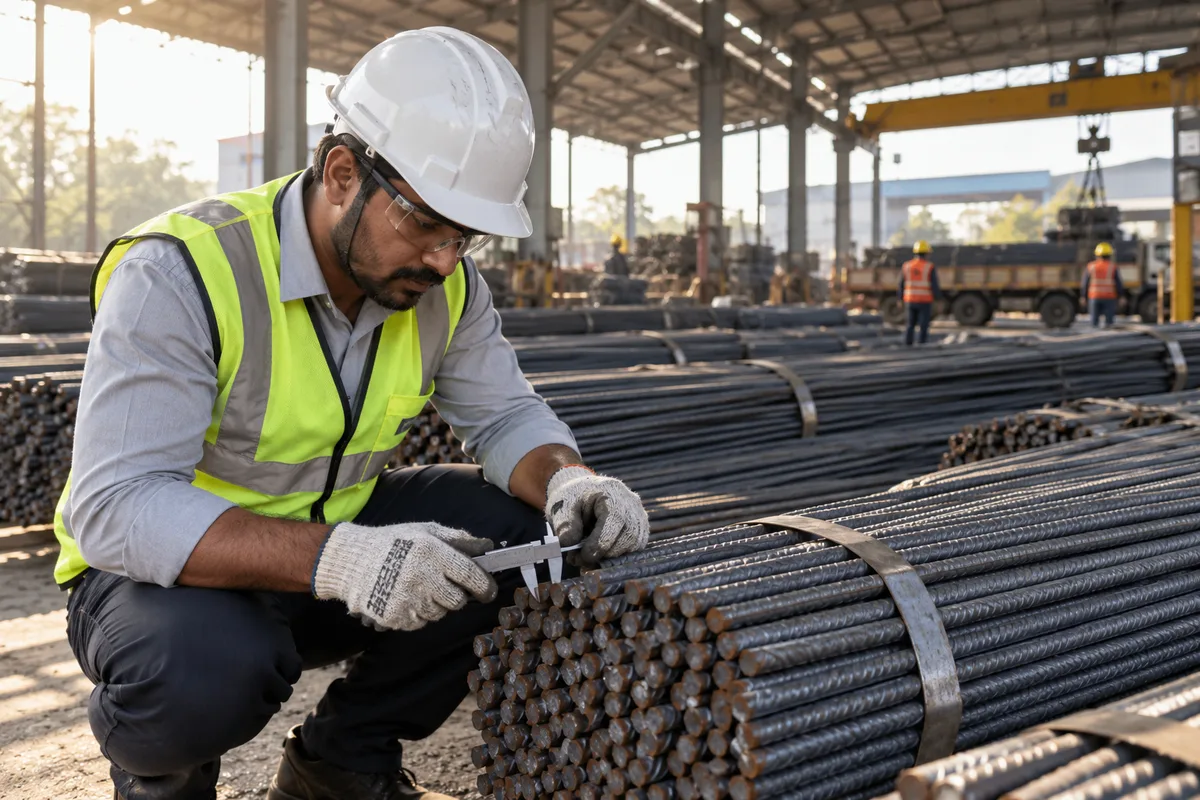
What pay per click advertising means
Pay per click advertising (PPC) is paying a fee each time someone clicks your advert on Google or another platform. It puts you at the top of a search page immediately, instead of waiting for ranking to build. GullySales sets the targeting, writes the ad text and checks spend against enquiries received.
Also for steel rolling mills and TMT bar makers
- SEO for steel rolling mills and TMT bar makers
- Lead generation for steel rolling mills and TMT bar makers
- CRM for steel rolling mills and TMT bar makers
- Content marketing for steel rolling mills and TMT bar makers
- Email marketing for steel rolling mills and TMT bar makers
- Sales process for steel rolling mills and TMT bar makers
- Buyer persona for steel rolling mills and TMT bar makers
- Digital marketing for steel rolling mills and TMT bar makers
Sales and marketing for steel rolling mills and TMT bar makers, the overview.
Last updated 13 Nov 2026.
For steel rolling mills and TMT bar makers
Where it usually goes wrong, and what we would do.
“Information searches outnumber buying searches”
People looking up the weight of a bar per metre or how to test one search the same words as a buyer. Without negatives they take much of the budget.
“A click from outside your freight range is wasted”
A steel buyer in a far state cannot be served at a competitive delivered rate. Set the area to the districts you can supply and review it against the orders.
“The dealer and the builder want different pages”
A dealer asks about terms and districts, a builder asks about grade and certificates. One landing page for both converts neither.
What we do
What we deliver for steel rolling mills and TMT bar makers.
The work available for this need. We agree the deliverables and responsibilities for your engagement in writing.
Separate campaigns for builders and dealers
One campaign for grade and supplier searches, another for dealership searches, each with its own budget, area and page.
Result: Dealer enquiries stop competing with builder enquiries.
A negative keyword list for the trade
Weight chart, price per kg, job, vacancy, scrap, project report and second hand, reviewed as new search terms appear.
Result: You stop paying for searches that cannot become a dispatch.
District targeting from your own dispatch record
Campaign areas drawn around the districts your lorries already reach and where a dealer exists or is wanted.
Result: Spend goes where a delivery makes sense.
Landing pages for grade and for dealership
A grade page with the licence and a rate request on WhatsApp, and a dealership page with an application form.
Result: Each click lands on a page with one clear action.
Call and WhatsApp tracking
Calls and messages from ads recorded against the campaign, so a rate request can be tied to the spend that brought it.
Result: Ads are judged on enquiries and orders, not clicks.
How the result is measured
- Cost per click
- Cost per enquiry
- Enquiries from paid search
Recorded as a baseline before work starts, so every later report has an honest comparison.
Searches to bid on and block
The searches a dealer or builder types when wanting steel, and the ones that cost money and bring nothing.
- TMT bar manufacturer and Fe 500D supplier
- Bid. A buyer who types a grade and a supplier has a requirement. Send the buyer to the grade page, with the certificate and a button for a rate on WhatsApp.
- TMT bar dealership and distributor wanted
- Bid, in a campaign of its own. These are stockists or new entrants looking for a mill. Send them to a dealership form that asks district, godown and brands stocked.
- TMT bar price today and rate list
- Bid carefully. Several are dealers shopping for a rate, and a few are builders. Land them on a page that asks size, town and quantity and replies on WhatsApp.
- TMT bar weight per metre, bend test and chart
- Block. Students and site staff look these up. Add weight, chart, formula, test, pdf and meaning as negatives, and check the search terms report for similar words.
- Steel plant job, vacancy and scrap
- Block. Add job, vacancy, salary, scrap, second hand and project report as negatives, since these searchers will never order a bar.
- Where the click lands and what counts
- Count a rate request naming size, quantity and town, or a dealership form with a district and godown. Log each against its campaign and mark those that became a dispatch.
Who it is for
This is written for these steel rolling mills and TMT bar makers.
- TMT bar mills on the integrated or induction furnace route
- Re-rolling mills working from billets
- Mills selling through a dealer and distributor network
- Mills selling directly to builders and infrastructure contractors
- Mills making angles, channels and flats
- Wire rod and binding wire makers
- Regional brands sold within one or two states
- Mills supplying precast yards and project sites
Not for
It is not the right fit if.
- Rate requests already wait a day for an answer, so paid clicks would pay for calls that go cold before anyone replies.
- Your freight reach is a single district and dealers there already know you, so a click from elsewhere would cost you and never become a lorry.
Before you decide
Agree the work. Know how to judge it.
PPC ads for steel rolling mills and TMT bar makers: use these checks to prepare, choose the scope, and review what changes.
Bring the right evidence
Bring search-term reports, conversion definitions, and the sales outcome of past enquiries where available. Identify products, locations, and enquiries you cannot serve.
Make the scope clear
Choose the offer and landing page before setting a media budget. Agree who pays the platform, which actions count as conversions, and how unsuitable searches will be reviewed.
Check the work in use
Trace a test enquiry from the advert to the sales record. Review qualified enquiries and orders alongside spend, and separate duplicates or spam from genuine buyer demand.
Know when to change course
If the advert generates enquiries that do not fit, revise targeting and qualification before increasing spend. If suitable enquiries are lost after contact, work on the sales process.
These are discussion points, not a fixed package. GullySales confirms the deliverables, responsibilities, fee, and term in writing after reading your brief and speaking with you.
Before we start
What to have ready before the work starts.
The records, access and decisions this work needs from steel rolling mills and TMT bar makers. Anything missing is noted in the written scope, with who will supply it.
- Freight limit by district
- A short list from your dispatch head naming where a lorry can go and still leave a margin. We turn it into ad targeting. If missing, we start with districts in your dispatch register and may waste clicks near the boundary.
- Admin access to the existing ad account
- If the mill or an earlier agency has run ads, we need view access to its history to avoid repeating dead words. A screenshot of the search terms report will do. Without it we begin cold and pay to learn what you already know.
- Someone to answer calls from adverts
- A named person must pick up the phone in plant hours and know the grades. An unanswered call from a paid click is the costliest failure here. If nobody is free, we limit ad hours to when your team is at the desk.
- Approved claims and certificate images
- Adverts and landing pages may only repeat what your licence and test reports support. We need the wording your quality head approves. When it is missing, adverts say only what the mill makes and where it sells.
- A spending ceiling you have decided
- You set the total amount the account may spend before we ask you again. It protects you from an open-ended bill. If no ceiling is set, we recommend a cautious starting figure and pause until you confirm it in writing.
How it works
How the pay per click advertising work runs
The work itself, in order. How an engagement starts, from your brief to a written scope, is set out on our method page.
- 1
Open the ad account in your name
The first thing we need is an advertising account that belongs to the mill, with you as owner and us as a user. If one exists, we look at its search terms report for the last season. You decide the spending limit you are comfortable with, and nothing is switched on before you approve the campaign structure.
- 2
Mark the freight radius on a map
We sit with your dispatch head and draw the districts a lorry can reach at a rate that still earns you something. Ads are limited to those districts and states. Anything outside the line is excluded, so a click from a place you cannot serve never costs money. You can widen the line later when a dealer appointment justifies it.
- 3
List the words that bring the wrong crowd
We make a blocking list from the confusing searches of this trade: weight chart, price per kg, job vacancy, scrap, second hand, formula. Your sales head reads it and strikes any word that in your experience still leads to a buyer. The list grows as the search terms report shows us real queries from the first campaign weeks.
- 4
Write separate adverts for dealers and builders
A dealer looking for a mill wants district exclusivity, support and margin. A builder wants grade, certificate and delivery to site. We write two sets of adverts and two landing pages, and you approve every claim against your licence. Neither advert states a rate, because the rate belongs to the call that follows.
- 5
Test the phone and WhatsApp before spending
Before the first rupee is spent we place test calls and WhatsApp messages through each advert and landing page. We confirm the right person answers, the call is recorded as an enquiry, and the source tag reaches your sheet. If your number is busy at lunch or after the plant shift, we agree who picks up.
- 6
Read spend against rate requests and dispatches
Spend is read against the figures noted before launch: calls, rate requests, dealership conversations and lorries loaded. We match each paid enquiry to your dispatch register and show which search terms led to an order and which only brought callers. You decide which campaigns continue and which are paused. No result is promised in advance.
Where this fits
Three pieces of sales work, in this order.
This work sits inside sales process design, at stage 1, prospecting and lead generation. The audit comes before it, and sales management keeps it running.
Step 1
Sales audit
Find where deals are being lost and what to fix first.
Start here if you cannot say where orders are lost.
Step 2 · you are here
Sales process design
One written way to sell, from first enquiry to repeat order.
Start here if every salesperson sells differently.
Step 3
Sales management
A target, a review routine and someone who owns the number.
Start here if the team has targets and no routine.
FAQ
Questions owners ask before they call.
Not here? More answers, or ask on WhatsApp.
Is it worth paying for searches on our own mill name?
Should we use call-only adverts?
How do we keep job seekers out of the clicks?
How do we know a call came from an advert?
Can the same advert find both dealers and builders?
Who pays the advertising platform and who controls the account?
How much does it cost?
How long is the contract?
How soon will we see results?
Who will actually do the work?
More for steel rolling mills and TMT bar makers
Related work to consider.
- SEO for steel rolling mills and TMT bar makers
- Lead generation for steel rolling mills and TMT bar makers
- CRM for steel rolling mills and TMT bar makers
- Content marketing for steel rolling mills and TMT bar makers
- Email marketing for steel rolling mills and TMT bar makers
- Sales process for steel rolling mills and TMT bar makers
Or start from the overview: sales and marketing for steel rolling mills and TMT bar makers.
Your next practical step
Tell us what you are trying to grow, and we will read it before we call.
Eight short steps, mostly taps. Skip anything you would rather answer on the call.