Steel rolling mills and TMT bar makers · Email marketing
Write to the dealers and purchase heads who asked to hear from you, and nobody else.
Email marketing for a TMT bar mill is sending the people who have dealt with you, or asked to, the notes they need, such as dealership terms, new grades and certificate updates. GullySales sets up the list, the sender identity and the segments, and tracks the replies you receive.
Scope, fee, reporting and term are agreed in writing after we have read your brief and spoken to you.
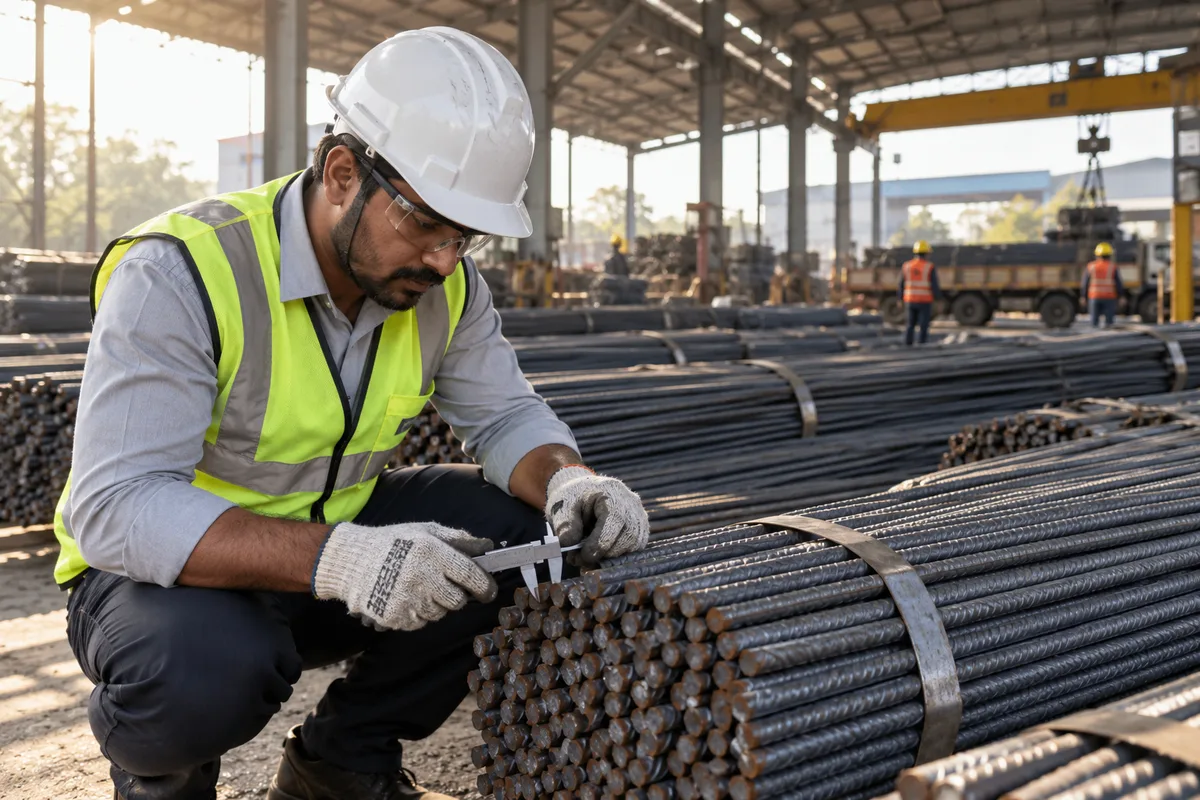
What email marketing means
Email marketing is sending planned messages to a list of past and prospective customers who have agreed to hear from you. It suits offers, updates and staying in touch with someone who is not ready to buy yet. GullySales writes and schedules these emails and tracks who opens, clicks and enquires.
Also for steel rolling mills and TMT bar makers
- WhatsApp marketing for steel rolling mills and TMT bar makers
- SEO for steel rolling mills and TMT bar makers
- PPC ads for steel rolling mills and TMT bar makers
- Lead generation for steel rolling mills and TMT bar makers
- CRM for steel rolling mills and TMT bar makers
- Content marketing for steel rolling mills and TMT bar makers
- Sales process for steel rolling mills and TMT bar makers
- Buyer persona for steel rolling mills and TMT bar makers
Sales and marketing for steel rolling mills and TMT bar makers, the overview.
Last updated 13 Nov 2026.
For steel rolling mills and TMT bar makers
Where it usually goes wrong, and what we would do.
“Rate lists go to everyone on the contact sheet”
A mill sends today's rate to hundreds of addresses, some collected from old visiting cards. Those who never agreed mark it as spam, and the sender is hurt.
“A dealer's inbox is the least-read place”
Dealers use WhatsApp and phone. Email suits purchase heads, consultants and project teams more than the district stockist.
“No reply goes to a person”
Mail sent from a no-reply address gets replies that nobody reads. A purchase head's question about a certificate goes unanswered.
What we do
What we deliver for steel rolling mills and TMT bar makers.
The work available for this need. We agree the deliverables and responsibilities for your engagement in writing.
A list built from consent
Dealers, purchase heads and engineers who agreed to receive mail, with how and when recorded beside each name.
Result: You can show why each person receives your mail.
Segments by role and district
Separate lists for dealers, builders' purchase teams and engineers, each with its own kind of message.
Result: A dealer does not receive a note meant for an engineer.
A sender set-up with the company domain
Mail sent from an address on the company's own domain, with the technical records set so it reaches inboxes.
Result: The mail looks like it comes from the mill.
A set of useful notes
Notes on new grades, certificates, dealership districts open and plant updates, each with one action and a person to reply.
Result: The mail has a purpose beyond a rate.
A reply path to a named person
Replies go to a monitored mailbox and are entered in the enquiry record by whoever picks them up.
Result: A question from a purchase head is answered.
How the result is measured
- Open rate
- Click rate
- Enquiries from email
Recorded as a baseline before work starts, so every later report has an honest comparison.
What must be in place first
What a steel mill needs before the first email goes to a dealer or a purchase head.
- Consent and the source of each address
- Record how each address was given: a form, a visit, a signed dealer application. Do not add addresses taken from a visiting card pile to a mailing list.
- A sender identity on your own domain
- Send from a mill address, not a free one, with the company name and a person's name in the sender line. Ask your IT person to set up the records that prove it is you.
- A visible way to unsubscribe
- Put the link in every message and honour it at once. Data protection law in India applies to personal data and is still being applied, so check the current position with your adviser.
- Segments for dealers, builders and engineers
- Keep lists apart by role and by district. A dealership note to a purchase head in another state is noise and costs you the buyer's attention.
- A reply path that reaches a person
- Choose the person who reads replies and what that person does with a certificate request or a rate query. Write down who answers when that person is on leave.
Who it is for
This is written for these steel rolling mills and TMT bar makers.
- TMT bar mills on the integrated or induction furnace route
- Re-rolling mills working from billets
- Mills selling through a dealer and distributor network
- Mills selling directly to builders and infrastructure contractors
- Mills making angles, channels and flats
- Wire rod and binding wire makers
- Regional brands sold within one or two states
- Mills supplying precast yards and project sites
Not for
It is not the right fit if.
- You have no list of dealers and purchase heads who agreed to hear from you, and a bought list would only train the mail to land in spam.
- Nobody can answer an email reply from a dealer within the day, so a note that asks for a response would be wasted.
Before you decide
Agree the work. Know how to judge it.
Email marketing for steel rolling mills and TMT bar makers: use these checks to prepare, choose the scope, and review what changes.
Bring the right evidence
Describe how the contact list was collected, what people asked to receive, and which messages are currently sent. Include opt-outs and replies when reviewing campaign performance.
Make the scope clear
Agree the audience, message purpose, sending system, and response owner. Separate promotional communication from order or service updates, and check current platform requirements before launch.
Check the work in use
Test the message with a small appropriate audience before wider use. Check links, reply handling, opt-outs, and whether the response leads to a relevant conversation or order.
Know when to change course
Do not use an unexplained contact list as a shortcut to demand. If recipients do not expect the message, resolve the permission and relevance questions before sending.
These are discussion points, not a fixed package. GullySales confirms the deliverables, responsibilities, fee, and term in writing after reading your brief and speaking with you.
Before we start
What to have ready before the work starts.
The records, access and decisions this work needs from steel rolling mills and TMT bar makers. Anything missing is noted in the written scope, with who will supply it.
- The contact sheet with sources
- A sheet of names, roles and districts with a note on how each reached you. Even a partial sheet helps. If sources are unknown, we treat the list with caution and begin with the clearly consenting names. The roles matter too, because a note about site delivery means little to a dealer.
- Access to the mill's domain settings
- Whoever manages the website or mail holds the settings that allow safe sending. We need them or the person for one sitting. Without this, notes may land in spam and no one will see them.
- A named person to answer replies
- The one who reads the reply inbox and answers. A sales head or coordinator will do. If replies go nowhere, the email costs goodwill because dealers feel ignored.
- Facts you are free to announce
- New sizes, openings of districts, changes in certification or plant news that you are ready to state. We will not invent news. When there is none, notes carry a useful buying guide instead.
- Your opt-out and consent practice
- How a dealer joined and how they can leave. We add a simple opt-out line to every message. If consent was never recorded, we send a short confirmation note first and keep only those who answer.
How it works
How the email marketing work runs
The work itself, in order. How an engagement starts, from your brief to a written scope, is set out on our method page.
- 1
Sort the contact sheet by who asked
We open your contact sheet and mark each name with how it arrived: a dealer who rang, a visiting card from an exhibition, a purchase head who replied to a quote, or a bought list. Only people who asked or have dealt with you stay on the working list. You approve the cut, and bought names are set aside rather than written to.
- 2
Split the list by role and district
Dealers, builders, purchase heads and engineers need different notes, and a district dealer does not need the price news of a far state. We split the list on role and place with you, and the sales head confirms the largest dealers by name. These groups decide who receives which message. A purchase head at a builder gets a note about certificates and site supply, while a dealer in a district gets a note about sizes in stock and support for the yard.
- 3
Set up the mill's own sending address
Mail from a free address lands in spam. With your IT person or domain holder we set up the company domain to send, with the records mail systems check. We send a small test to staff phones on several mail apps. You decide the sender name that dealers will recognise as the mill.
- 4
Write the first note with the sales head
The first note should be something a dealer would keep: a change in sizes available, a district opened, how to read the new certificate. We draft it with the sales head, and a named person signs it. You approve every claim. The note carries one reply link that goes to a person, not an unmonitored address.
- 5
Agree who answers when a dealer replies
A reply to a mailer is a warm enquiry. We name the person who answers, give a response rule such as the same working day, and place replies in the enquiry sheet. If that person is on leave, a back-up takes over. You decide whether replies go to the sales head or the dealer's own manager. The reply rule is printed on a card and kept beside the sales head's desk for the person covering leave.
- 6
Read replies against the rate requests logged
We compare the replies, opt-outs and conversations that came from each note with the rate requests and dealer calls logged before email began. You see which role group answered and which note was ignored. We remove names that asked to stop, and you decide which topics are worth another note.
Where this fits
Three pieces of sales work, in this order.
This work sits inside sales process design, at stage 0, foundation. The audit comes before it, and sales management keeps it running.
Step 1
Sales audit
Find where deals are being lost and what to fix first.
Start here if you cannot say where orders are lost.
Step 2 · you are here
Sales process design
One written way to sell, from first enquiry to repeat order.
Start here if every salesperson sells differently.
Step 3
Sales management
A target, a review routine and someone who owns the number.
Start here if the team has targets and no routine.
FAQ
Questions owners ask before they call.
Not here? More answers, or ask on WhatsApp.
Can we buy an email list of builders?
Is a newsletter better than one-to-one email?
Why does our mail go to spam?
How do we count results?
Should we send our rate list by email?
Can we write to dealers of a rival mill who are in our contact sheet?
How much does it cost?
How long is the contract?
Who will actually do the work?
What do you need from us?
More for steel rolling mills and TMT bar makers
Related work to consider.
Closest to this: messaging and automation
Also for steel rolling mills and TMT bar makers
- SEO for steel rolling mills and TMT bar makers
- PPC ads for steel rolling mills and TMT bar makers
- Lead generation for steel rolling mills and TMT bar makers
- CRM for steel rolling mills and TMT bar makers
- Content marketing for steel rolling mills and TMT bar makers
- Sales process for steel rolling mills and TMT bar makers
Or start from the overview: sales and marketing for steel rolling mills and TMT bar makers.
Your next practical step
Tell us what you are trying to grow, and we will read it before we call.
Eight short steps, mostly taps. Skip anything you would rather answer on the call.