Steel rolling mills and TMT bar makers · WhatsApp marketing
Answer the dealer's rate request on WhatsApp while the dealer is still holding the phone.
WhatsApp marketing for a rolling mill means using the channel dealers and builders already use to ask for rates, receive certificates and confirm lorries. GullySales works on the business number, the saved replies and the record, and leaves the rate itself to the sales desk.
Scope, fee, reporting and term are agreed in writing after we have read your brief and spoken to you.
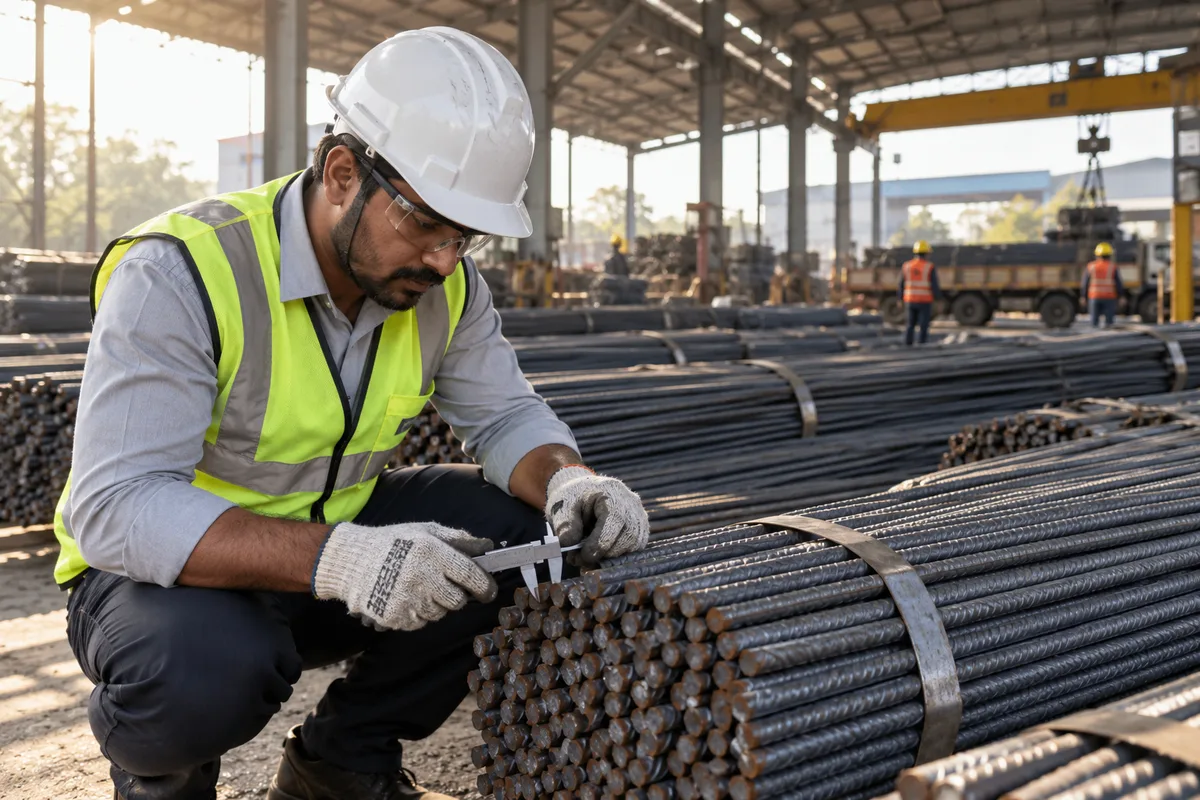
What WhatsApp marketing means
WhatsApp marketing is sending updates, offers and reminders to customers on the app most Indian buyers already check daily. GullySales sets up business WhatsApp, writes the message templates and keeps the list consented and current.
Also for steel rolling mills and TMT bar makers
- Email marketing for steel rolling mills and TMT bar makers
- SEO for steel rolling mills and TMT bar makers
- PPC ads for steel rolling mills and TMT bar makers
- Lead generation for steel rolling mills and TMT bar makers
- CRM for steel rolling mills and TMT bar makers
- Content marketing for steel rolling mills and TMT bar makers
- Sales process for steel rolling mills and TMT bar makers
- Buyer persona for steel rolling mills and TMT bar makers
Sales and marketing for steel rolling mills and TMT bar makers, the overview.
Last updated 13 Nov 2026.
For steel rolling mills and TMT bar makers
Where it usually goes wrong, and what we would do.
“The dealer asks on WhatsApp, not on the website”
A dealer in a district town types the size and the word 'rate' into a chat, sent to several mills at once. The reply that arrives first, with a name behind it, gets the next message. The web form is read later, if at all.
“A personal mobile number is a weak front door”
When rate requests land on one sales manager's own phone, they stop when that person is loading, travelling or on leave. A shared business number with named people behind it keeps the line open, and the history stays with the mill when staff change.
“Broadcasts must be asked for”
Sending a rate change to every dealer in an old contact list feels efficient and irritates people who never agreed to receive it. A list built from dealers who opted in, with a clear way to stop, protects the number. Read the platform's current rules before sending in bulk.
“Documents travel well on the channel”
A BIS licence, a mill test certificate or a dealership application sent as a file is opened at once by an engineer on site. The same document asked for by phone takes a call and a wait. Keeping a current copy ready to send removes the delay.
What we do
What we deliver for steel rolling mills and TMT bar makers.
The work available for this need. We agree the deliverables and responsibilities for your engagement in writing.
A WhatsApp Business setup
A business number with the mill's name, address, product list, catalogue of grades and sizes, and away message, set up on the WhatsApp Business app or its API.
Result: A dealer messaging the mill sees a business profile, not a stranger's number.
Saved replies for the common requests
Short replies for a rate request, a dealership enquiry, a certificate request and a lorry slot query, each asking for size, quantity and town.
Result: The first answer goes out in the same form from whoever is on the desk.
A dealer opt-in list
A list of dealers and builders who have agreed to receive rate and scheme messages, with the date and the district recorded.
Result: You know who agreed to be messaged and can show it.
A document library for sending
Current licence, test certificates, plant photographs and the dealership brochure held in one folder with clear names.
Result: A sales person can send the right file without searching.
Chat-to-record logging
A rule that every rate request, with dealer, size, town and outcome, is entered in the dealer record the same day.
Result: You can count rate requests and orders by district.
How the result is measured
- Messages delivered
- Reply rate
- Enquiries from WhatsApp
Recorded as a baseline before work starts, so every later report has an honest comparison.
What to send
The WhatsApp messages a mill sends dealers and builders, and what each carries.
- Greeting with plant and hours
- The first reply a new number gets, with plant location, office hours and a request for size, town and quantity. It sets up an accurate rate.
- Today's rate for a size and town
- A saved reply sent to the person who asked, with the rate, validity and freight terms. It goes one to one, not as a flood to a list.
- Licence and test certificate
- A saved reply with the BIS licence and a sample test certificate attached. A purchase head asks for this before anything else.
- Dealership enquiry form link
- A reply pointing a new dealer to the sheet asking district, godown and brands handled, so the sales head sees the facts first.
- Dispatch update
- A message to the dealer with vehicle details and bundle count once the lorry leaves. It cuts calls to the plant gate.
Who it is for
This is written for these steel rolling mills and TMT bar makers.
- TMT bar mills on the integrated or induction furnace route
- Re-rolling mills working from billets
- Mills selling through a dealer and distributor network
- Mills selling directly to builders and infrastructure contractors
- Mills making angles, channels and flats
- Wire rod and binding wire makers
- Regional brands sold within one or two states
- Mills supplying precast yards and project sites
Not for
It is not the right fit if.
- The mill's number is a personal phone carried by one person, so a message sent to it would be unseen when that person is away.
- You have not asked dealers whether they want rate messages, so a broadcast would reach people who never agreed and could get the number reported.
Before you decide
Agree the work. Know how to judge it.
WhatsApp marketing for steel rolling mills and TMT bar makers: use these checks to prepare, choose the scope, and review what changes.
Bring the right evidence
Describe how the contact list was collected, what people asked to receive, and which messages are currently sent. Include opt-outs and replies when reviewing campaign performance.
Make the scope clear
Agree the audience, message purpose, sending system, and response owner. Separate promotional communication from order or service updates, and check current platform requirements before launch.
Check the work in use
Test the message with a small appropriate audience before wider use. Check links, reply handling, opt-outs, and whether the response leads to a relevant conversation or order.
Know when to change course
Do not use an unexplained contact list as a shortcut to demand. If recipients do not expect the message, resolve the permission and relevance questions before sending.
These are discussion points, not a fixed package. GullySales confirms the deliverables, responsibilities, fee, and term in writing after reading your brief and speaking with you.
Before we start
What to have ready before the work starts.
The records, access and decisions this work needs from steel rolling mills and TMT bar makers. Anything missing is noted in the written scope, with who will supply it.
- A WhatsApp number in the mill's name
- A business number that stays with the mill, not a personal phone. Without it, a salesperson who leaves takes the dealer chats along.
- Permission to review dealer chat patterns
- Consent from your sales staff to look at how requests are worded. We keep private content out. Without it, saved replies will be guessed and may not match what dealers ask. Staff who would rather not show their chats can instead write down the ten requests they answer again and again by hand.
- Current licence and certificate files
- Clean copies for the document library, named by grade. Outdated copies must be removed. If not supplied, the library starts empty and salespeople send photos of paper.
- The dealer list with permission to message
- Names and numbers of dealers who accept messages. Consent can be a short reply. Without it, the broadcast list stays empty and the number may be reported. A dealer who has not replied is left off the list until they reply, and the owner can see the names that joined.
How it works
How the whatsapp marketing work runs
The work itself, in order. How an engagement starts, from your brief to a written scope, is set out on our method page.
- 1
Read the dealer chats on the sales phones
We begin by seeing how dealers already write: the words they use for grades, the questions they repeat and the hours they message. With your permission and without copying private content, we note the ten requests that repeat. You tell us which staff numbers receive them, so we know the problem before building anything. Where two salespeople answer the same dealer in different words, we note it, because the saved replies will settle the wording for everyone.
- 2
Write the saved replies with the sales head
For each common request we write a saved reply: rate enquiry, dealership, certificate, delivery area and holiday notice. The sales head rewrites the wording in the yard's voice. You approve each one, and nothing on the list promises a rate or a delivery time.
- 3
Build the document library for sending
Dealers ask for the licence, test certificate, size list and dealer terms. We arrange them as ready files with clear names so a salesperson can send in seconds. The quality head approves versions. You decide which documents go to any enquirer and which only to confirmed dealers.
- 4
Collect opt-in from dealers for the broadcast list
We ask each dealer in a short message whether they wish to receive mill news. Those who say yes enter a list; the rest are left alone. You decide what the list will carry, such as new sizes or holiday closures. Rate circulars stay out, since they invite complaints.
- 5
Log chats to the record and review
Rate requests and orders from chat are entered into the enquiry sheet with the date and the person who answered. We compare the entries against the calls and rate requests noted at the start. You see which requests were answered, which were lost and where a reply was late.
Where this fits
Three pieces of sales work, in this order.
This work sits inside sales process design, at stage 0, foundation. The audit comes before it, and sales management keeps it running.
Step 1
Sales audit
Find where deals are being lost and what to fix first.
Start here if you cannot say where orders are lost.
Step 2 · you are here
Sales process design
One written way to sell, from first enquiry to repeat order.
Start here if every salesperson sells differently.
Step 3
Sales management
A target, a review routine and someone who owns the number.
Start here if the team has targets and no routine.
FAQ
Questions owners ask before they call.
Not here? More answers, or ask on WhatsApp.
Can we send today's rate to all dealers at once?
Should we use WhatsApp Business or the API?
Who should answer on the mill's number?
Can a dealer get a rate if we are shut for a holiday?
Can we send today's rate to every dealer at once?
Should we use the ordinary business app or the paid interface for developers?
How much does it cost?
How long is the contract?
How soon will we see results?
Who will actually do the work?
More for steel rolling mills and TMT bar makers
Related work to consider.
Closest to this: messaging and automation
Also for steel rolling mills and TMT bar makers
- SEO for steel rolling mills and TMT bar makers
- PPC ads for steel rolling mills and TMT bar makers
- Lead generation for steel rolling mills and TMT bar makers
- CRM for steel rolling mills and TMT bar makers
- Content marketing for steel rolling mills and TMT bar makers
- Sales process for steel rolling mills and TMT bar makers
Or start from the overview: sales and marketing for steel rolling mills and TMT bar makers.
Your next practical step
Tell us what you are trying to grow, and we will read it before we call.
Eight short steps, mostly taps. Skip anything you would rather answer on the call.