Valve manufacturers · Buyer persona
Know each person who touches a valve order, from the consultant to the store keeper.
A buyer persona for a valve maker describes the people who specify, approve, purchase and receive valves, and what each checks before saying yes. GullySales works on mapping those roles and writing your pitch, pages and replies for each one.
Scope, fee, reporting and term are agreed in writing after we have read your brief and spoken to you.
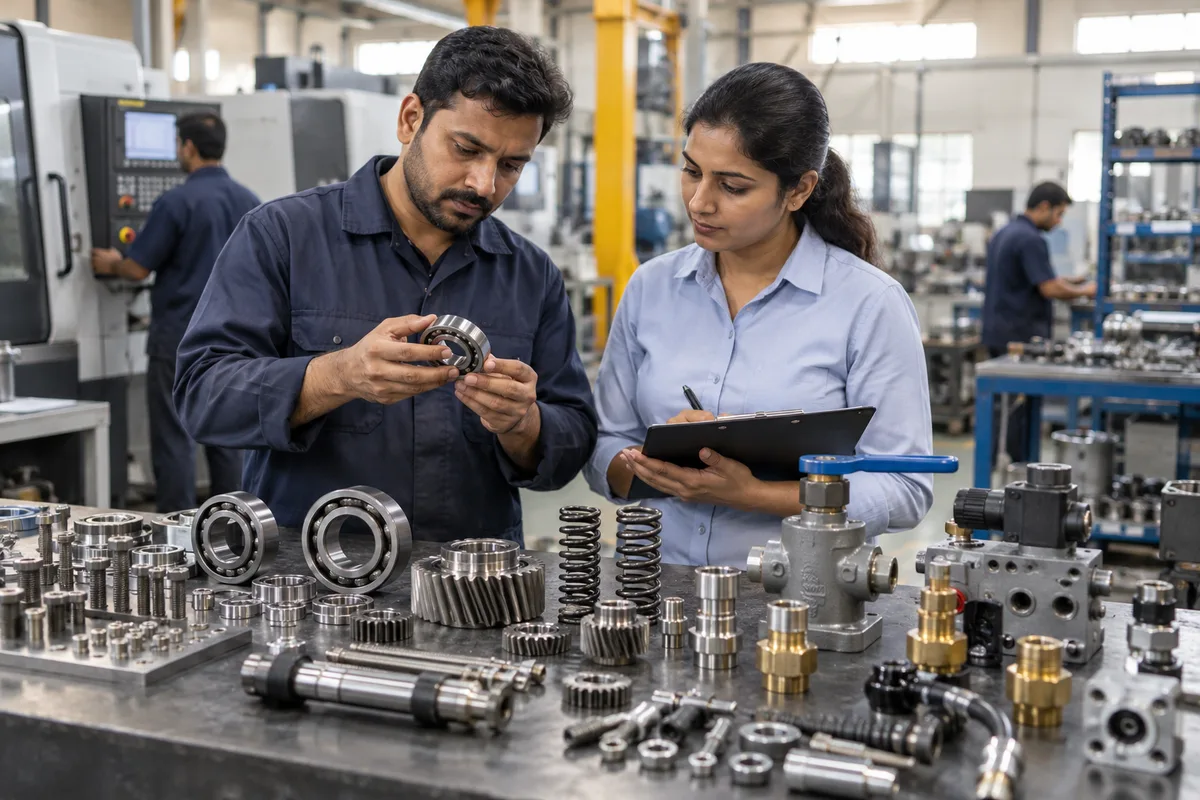
What buyer persona means
A buyer persona is a plain description of the kind of customer who actually buys from you. It includes what they search, what worries them and who else they ask before deciding. GullySales builds this from real enquiries and past sales rather than a generic template, then uses it to write every page and advert.
Also for valve manufacturers
- Digital marketing for valve manufacturers
- Lead generation for valve manufacturers
- SEO for valve manufacturers
- Social media marketing for valve manufacturers
- Content marketing for valve manufacturers
- CRM for valve manufacturers
- Follow-up systems for valve manufacturers
- WhatsApp marketing for valve manufacturers
Sales and marketing for valve manufacturers, the overview.
Last updated 14 Nov 2026.
For valve manufacturers
Where it usually goes wrong, and what we would do.
“The specifier and the purchaser want different things”
A process engineer or consultant cares about material, rating and standard. The purchase executive cares about the commercial offer and delivery terms. Sending the same document to both leaves one of them without an answer.
“The maintenance head buys on a failure”
A plant maintenance manager looks for a valve after a leak or a stuck stem. The need is a replacement that fits the line, from a maker who can supply a matching size from stock or a short run, with the right certificate.
“The trader buys on price and availability”
A trader in an industrial market does not read datasheets. They compare a price sheet against the stock on the shelf and the margin they keep. A pitch built for engineers does not reach them.
“The export buyer wants proof of process”
An overseas buyer or agent checks your certificates, test records and packing before placing a trial order. They cannot visit easily, so photographs, documents and clear replies stand in for the visit.
What we do
What we deliver for valve manufacturers.
The work available for this need. We agree the deliverables and responsibilities for your engagement in writing.
A role map for each order type
A one-page map of who specifies, who approves, who purchases and who receives in a project order, a plant repair and a trader sale.
Result: Your team knows who to write to at each stage of an order.
Persona sheets
A short sheet for each role with what they check, what they fear and what document answers it.
Result: Each role has a named document ready to send.
Pitch variants
Separate short pitches for consultants, plant buyers, maintenance heads, traders and export agents.
Result: The same range is described in the words each person uses.
Question log from real RFQs
A list of the questions buyers have actually asked, grouped by role.
Result: Personas rest on your own enquiry history, not guesses.
Persona-based site paths
Entry points on the website for engineers, purchase staff and traders, each leading to the right documents.
Result: A visitor reaches the page that answers their role in one click.
How the result is measured
- Enquiry match to persona
- Conversion rate by persona
- Content aligned to persona
Recorded as a baseline before work starts, so every later report has an honest comparison.
Who is asking
These are the people who ask about a valve before an order is placed.
- Process consultant writing the vendor list
- Wants approvals, past supply to similar service and a drawing set. Adds you to the list only after seeing material and test records.
- EPC purchase engineer
- Wants a priced offer against the project schedule, with delivery dates and inspection terms stated so the line can enter the comparison.
- Plant maintenance head
- Needs a replacement for a failed valve and asks about interchangeability, stock and who will attend if it leaks again.
- Industrial trader
- Asks for a price sheet, standard sizes in stock and a reorder method, and compares you with a brand already on the counter.
- Export buyer's inspector
- Wants the works certificates, a third-party inspection route and packing details before agreeing to place a first order.
Who it is for
This is written for these valve manufacturers.
- Industrial gate, globe and check valve makers
- Ball and butterfly valve makers for process lines
- Cast steel and stainless steel valve foundries
- Bronze and brass valve makers for building services
- Control valve and actuated valve assemblers
- Safety relief valve makers
- Valve makers focused on water, irrigation and municipal lines
- Oil, gas and chemical plant valve specialists
- Valve refurbishment and testing firms that also manufacture
Before you decide
When this may not be the right fit.
- You have not yet recorded who actually decided on your last few orders, so any persona would be a guess.
- You sell through one distributor only, so the end buyers' roles never reach you.
Before you decide
Agree the work. Know how to judge it.
Buyer personas for valve manufacturers: use these checks to prepare, choose the scope, and review what changes.
Bring the right evidence
Write the decision the research must support, such as entering a market or choosing a buyer group. Separate what you know from sales records from what the team currently assumes.
Make the scope clear
Agree which buyers to speak to, which sources to review, and what access you can provide. Include lost enquiries and people who chose another supplier, where they are willing to take part.
Check the work in use
Look for source dates, sample limitations, and evidence that disagrees with the preferred answer. A recommendation should show how it follows from the findings.
Know when to change course
Do not treat a few positive conversations as proof of demand. Test the proposed offer with an actual buying decision before committing to a wider launch.
These are discussion points, not a fixed package. GullySales confirms the deliverables, responsibilities, fee, and term in writing after reading your brief and speaking with you.
Before we start
What to have ready before the work starts.
The records, access and decisions this work needs from valve manufacturers. Anything missing is noted in the written scope, with who will supply it.
- Ten recent RFQs from different buyer types
- A mix of project, plant, trader and export enquiries with the full email thread. Names can be hidden. If your files are thin, the personas rest on interviews alone and carry less weight.
- Your approved vendor registrations
- The vendor lists and registration forms you have completed for EPC firms and plants. They show what each buyer demands of a supplier. Without them, we guess at what a consultant checks.
- Complaint and return records
- A note of the claims, rejections and returns you have handled, and who raised them. A maintenance head buys on a failure, and these records tell us what they remember. If none are kept, we ask the service team to recall the cases.
- Permission to speak to two buyers
- Your agreement and an introduction to a plant buyer and a trader who will give us a short conversation. The sheets are stronger with real voices. If no one agrees, we rely on your sales engineers' recollection.
- A sales engineer's time on the review
- Someone who has met these buyers must read the draft sheets and mark errors. The sheets are only as good as that correction. Without it, they read like a generic description and are shelved.
How it works
How the buyer persona work runs
The work itself, in order. How an engagement starts, from your brief to a written scope, is set out on our method page.
- 1
Decide which order types to map first
We ask you to name the order types that carry the heaviest weight, such as a project order through an EPC firm, a plant maintenance order, a trader reorder or an export enquiry. You tell us which you want more of, and we choose two or three to map first, rather than describing every buyer you have ever met, because a sheet that tries to cover a consultant, a trader and an exporter at once ends up describing none of them.
- 2
Open the quotation file and select buyers
With your sales head, we pick a handful of recent orders and a few lost RFQs from each chosen type. We read the correspondence for who asked what and when. You tell us who in each account would be willing to speak to us, and who should not be approached.
- 3
Talk to the people who write the RFQs
We ask your sales engineers, and with permission some buyers, what each role checks before approving a valve vendor: the consultant's approved list, the purchase officer's price comparison, the maintenance head's past failure. We record their own words, not our summary of them, and you approve in advance each person we contact.
- 4
Check what we heard against the paperwork
We lay each claim beside the RFQs, vendor registration forms and complaint records. Where a buyer said certificates come first but the files show nobody asked, we note it. Tell us where we have misread the paperwork. Only claims backed by your own records go into the persona sheets, and the rest are marked as opinion, so that your sales engineers can see which lines come from paperwork and which come from a conversation.
- 5
Write one sheet per role and review it
Each sheet names the role, what it checks first, what it fears, which documents it expects and what it will not tolerate. You and your sales team read the drafts and correct them in the margin. We rewrite until your sales engineers recognise their buyers on the page.
- 6
Use the sheets on the next ten replies
Your team sends the next several quotations and replies using the sheet that fits the buyer, and logs what happened. We read the results with you, in terms of replies received, questions asked and orders placed. The sheets are revised wherever real buyers behaved differently, and nothing is promised about conversion. Where a buyer asked for something no sheet expected, such as a visit to the works before any quote, that request is added as a new line on the sheet.
Where this fits
Three pieces of sales work, in this order.
This work sits inside sales process design, at stage 0, foundation. The audit comes before it, and sales management keeps it running.
Step 1
Sales audit
Find where deals are being lost and what to fix first.
Start here if you cannot say where orders are lost.
Step 2 · you are here
Sales process design
One written way to sell, from first enquiry to repeat order.
Start here if every salesperson sells differently.
Step 3
Sales management
A target, a review routine and someone who owns the number.
Start here if the team has targets and no routine.
FAQ
Questions owners ask before they call.
Not here? More answers, or ask on WhatsApp.
How many personas do we need?
Where does the information come from?
Can one person hold several roles?
Should the consultant and the plant buyer get the same pack?
Should we make a persona for each named customer?
How often should the persona sheets be revised?
How much does it cost?
How long is the contract?
How soon will we see results?
Who will actually do the work?
More for valve manufacturers
Related work to consider.
Closest to this: strategy and research
Also for valve manufacturers
Or start from the overview: sales and marketing for valve manufacturers.
Your next practical step
Tell us what you are trying to grow, and we will read it before we call.
Eight short steps, mostly taps. Skip anything you would rather answer on the call.