Clubs and gymkhanas · Follow up systems
Keep applicants informed so the waiting list does not go cold.
A follow-up system for a club or gymkhana is the set of messages that keep an applicant informed, remind a host of a booking and thank a proposer. GullySales drafts them and names who sends each, so that no enquiry waits in silence.
Scope, fee, reporting and term are agreed in writing after we have read your brief and spoken to you.
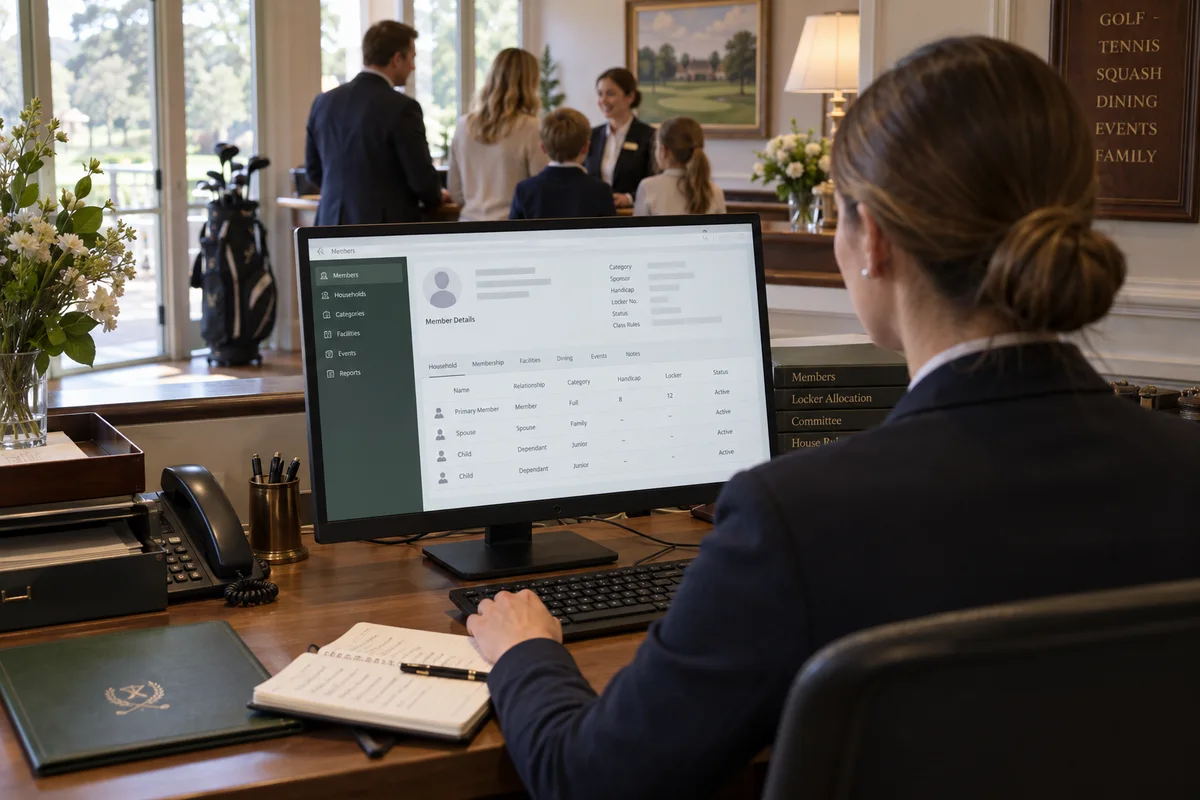
What follow up systems means
A follow-up system is the set routine for calling, messaging or emailing an enquiry more than once, since most buyers do not decide on the first conversation. GullySales sets the number and timing of follow-ups so an undecided buyer keeps hearing from you until they decide either way.
Last updated 22 Oct 2026.
For clubs and gymkhanas
Where it usually goes wrong, and what we would do.
“Silence tells the applicant the club does not care”
Someone who applied and heard nothing assumes the application is lost. A short note that confirms receipt and explains the process keeps the goodwill.
“A visit needs a follow-up”
A family shown around the club on a guided tour wants to know what comes next. A message that same day with the joining steps keeps the conversation going.
“Hosts need a booking trail”
A hall booking involves a deposit, a menu and a date. A set of reminders and confirmations avoids disputes.
“Members who proposed expect an update”
A proposer who hears nothing about their friend's application feels ignored. A courteous note to them is cheap and valued.
What we do
What we deliver for clubs and gymkhanas.
Every deliverable, what it covers for you, and the result it is there to produce. Nothing here is an extra.
An acknowledgement message
A reply confirming receipt of an application and describing the next step.
Result: Applicants know their enquiry arrived.
A post-visit note
A message after a tour with the joining route and a contact name.
Result: A visiting family has the next step in writing.
A booking confirmation set
Messages for hall bookings covering date, terms and contact.
Result: Hosts hold a clear record.
A proposer update
A short note telling a proposer how their introduction stands.
Result: Advocates feel acknowledged.
An owner chart
A list showing who sends each message and when a person takes over.
Result: Nothing depends on one person's memory.
A subscription reminder
A courteous message before the annual subscription falls due, naming the facilities included and the way to pay, with the accounts office as the contact. Members hear from the club before a late notice is needed.
Result: A reminder precedes every due date.
An interview-day message set
Messages for an applicant called before the committee: where to come, whom to ask for, what to bring and whether the proposer accompanies them, with a note afterwards on how the committee will inform the applicant of its decision.
Result: An applicant arrives knowing what the interview involves.
How the result is measured
- Follow-up completion rate
- Average number of follow-ups before close
- Enquiries closed after repeat follow-up
Recorded as a baseline before work starts, so every later report has an honest comparison.
Who it is for
This is written for these clubs and gymkhanas.
- Old gymkhanas and institutional clubs with proposal-based membership
- Sports clubs for cricket, tennis, badminton, swimming or squash
- Country and resort clubs with a joining fee
- Residential township and apartment community clubs
- Corporate and PSU recreation clubs
- Cultural, language and community-based social clubs
- Golf and racquet clubs with a play-and-pay arrangement
- Clubs that rent banquet halls and lawns for events
How it works
How the follow up systems work runs
The work itself, in order. How an engagement starts, from your brief to a written scope, is set out on our method page.
- 1
Measure today's reply time
From last month's enquiries, we measure how long each waited for a first reply and how many follow-ups it got.
- 2
Agree targets and the sequence
We set reply targets and the follow-up sequence with your team, based on its real hours and workload.
- 3
Set up templates, tasks and ownership
Templates, first-call questions, CRM tasks and named owners go live, with cover for leave and weekends.
- 4
Track and adjust every month
Reply time and follow-up completion are reported against the baseline, and the routine is changed where it is not kept.
Where this fits
Three pieces of sales work, in this order.
This work sits inside sales process design, at stage 2, qualification. The audit comes before it, and sales management keeps it running.
Step 1
Sales audit
Find where deals are being lost and what to fix first.
Start here if you cannot say where orders are lost.
Step 2 · you are here
Sales process design
One written way to sell, from first enquiry to repeat order.
Start here if every salesperson sells differently.
Step 3
Sales management
A target, a review routine and someone who owns the number.
Start here if the team has targets and no routine.
FAQ
Questions owners ask before they call.
Not here? More answers, or ask on WhatsApp.
Will messages promise a date for admission?
What if an applicant complains?
Should messages mention the bar?
How much does it cost?
How long is the contract?
How soon will we see results?
Who will actually do the work?
What do you need from us?
What if we are not happy with the work?
More for clubs and gymkhanas
Everything else we would do for you.
Closest to this: leads and follow-up
Also for clubs and gymkhanas
Or start from the overview: sales and marketing for clubs and gymkhanas.
Your next practical step
Tell us what you are trying to grow, and we will read it before we call.
Eight short steps, mostly taps. Skip anything you would rather answer on the call.