Religious event organizers · Content marketing
Answer what a host asks before booking, in the words they use.
Content marketing for a religious event organizer means writing and showing the practical answers a host needs, such as what a saptah requires or how to plan a society festival. GullySales writes these guides with you so each one carries your menu and points a reader to a quote.
Scope, fee, reporting and term are agreed in writing after we have read your brief and spoken to you.
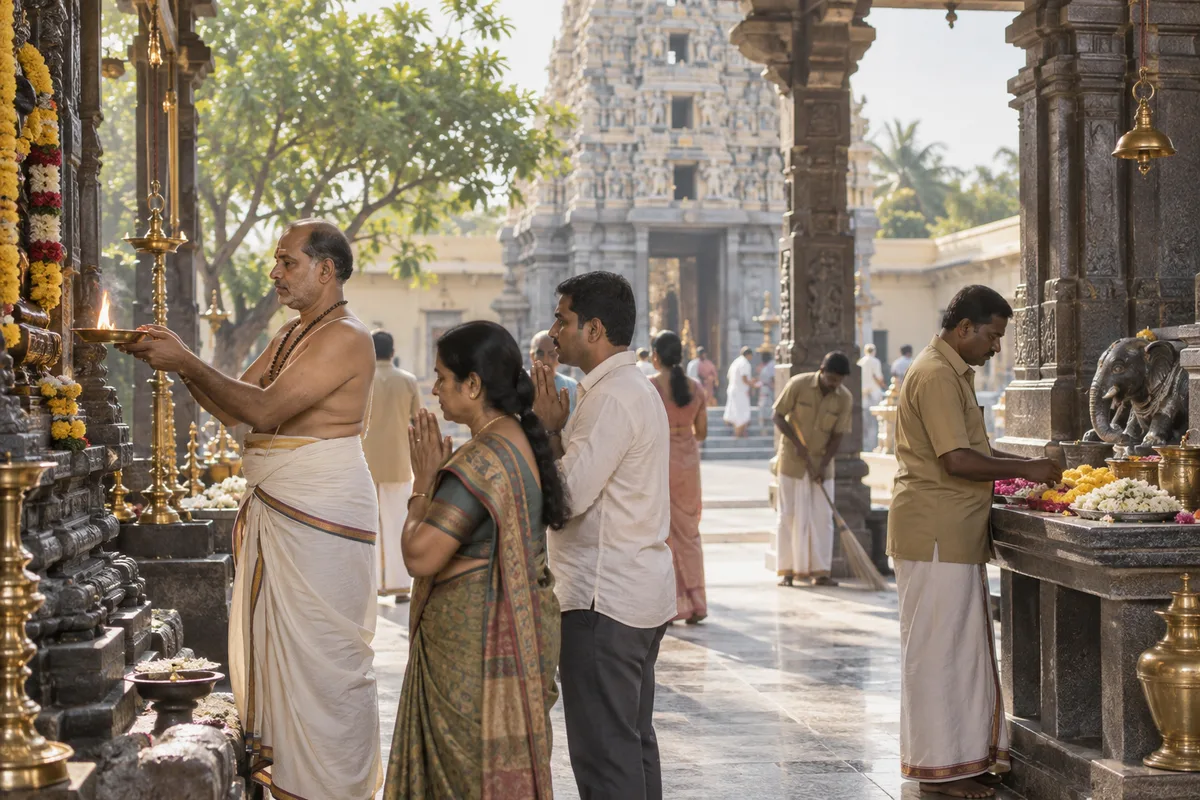
What content marketing means
Content marketing is writing articles, guides and pages that answer the questions buyers search before they are ready to enquire. This makes your business visible and trusted before the first call. GullySales plans this content from the first conversation onward, choosing topics that match real search demand rather than guesses.
Also for religious event organizers
- Social media marketing for religious event organizers
- Lead generation for religious event organizers
- SEO for religious event organizers
- Local SEO for religious event organizers
- Buyer personas for religious event organizers
- CRM for religious event organizers
- Follow-up systems for religious event organizers
- WhatsApp marketing for religious event organizers
Sales and marketing for religious event organizers, the overview.
Last updated 18 Oct 2026.
For religious event organizers
Where it usually goes wrong, and what we would do.
“Hosts do not know what to ask”
A first-time host planning a griha pravesh does not know about samagri, timing or seating. A plain guide that lists what is needed makes your service easier to buy and shows you know the work.
“Committees need a checklist they can pass around”
A festival committee wants to know about permissions, sound, immersion, prasad and volunteers. A checklist from an organizer who has run it before gets saved, shared and remembered at the next meeting.
“Customs differ and the content must respect that”
A guide for a Tamil kalyanam, a Marwari jagran and a Gujarati satyanarayan puja differ in terms, food and timing. Write for the community you serve and avoid generalising about rites you do not run.
“Rules for permission are local”
Loudspeaker, procession and fire clearances differ by city and change. A guide should say what you handle, what the host applies for and that the host should check with the local authority.
What we do
What we deliver for religious event organizers.
Every deliverable, what it covers for you, and the result it is there to produce. Nothing here is an extra.
Event planning guides
One guide for each event type, covering what to decide, what to arrange and what the organizer provides.
Result: A host can read a guide and then ask for a quote.
A society festival checklist
A printable and WhatsApp-friendly checklist for committees.
Result: A secretary can forward the checklist as it is.
Question-and-answer pages
Short pages that answer the questions you hear on calls, in plain words.
Result: Common call questions have a page to point to.
Photo stories with permission
Captioned accounts of past events, showing the plan and the venue, with the host's agreement.
Result: Each story names what was provided at the event.
A calendar of auspicious periods
A reference page of seasons and festivals relevant to your events, written factually.
Result: Hosts and committees can see when to start planning.
How the result is measured
- Pages published
- Organic traffic
- Enquiries from content pages
Recorded as a baseline before work starts, so every later report has an honest comparison.
Who it is for
This is written for these religious event organizers.
- Katha, bhagwat saptah and path organizers
- Jagran and bhajan sandhya organizers
- Ganesh and Durga puja mandal and pandal organizers
- Temple festival and utsav organizers
- Satsang and kirtan event managers
- Wedding-adjacent puja and ceremony organizers
- Housewarming, griha pravesh and vastu puja services
- Society and apartment festival organizers
- Christian, Muslim and Sikh community event planners
- Corporate puja and inauguration event organizers
How it works
How the content marketing work runs
The work itself, in order. How an engagement starts, from your brief to a written scope, is set out on our method page.
- 1
Confirm the plan
Topics and formats for the coming month are confirmed against the content strategy.
- 2
Produce and review
Content is written or filmed, then reviewed by someone who knows your trade before it goes out.
- 3
Publish and distribute
Finished content is published to the site and pushed through the channels your buyers actually use.
- 4
Track enquiries
Enquiries are traced back to content where a direct line exists, and reported honestly where it does not.
- 5
Report and adjust
We report results and adjust the next topics based on what actually worked.
Where this fits
Three pieces of sales work, in this order.
This work sits inside sales process design, at stage 0, foundation. The audit comes before it, and sales management keeps it running.
Step 1
Sales audit
Find where deals are being lost and what to fix first.
Start here if you cannot say where orders are lost.
Step 2 · you are here
Sales process design
One written way to sell, from first enquiry to repeat order.
Start here if every salesperson sells differently.
Step 3
Sales management
A target, a review routine and someone who owns the number.
Start here if the team has targets and no routine.
FAQ
Questions owners ask before they call.
Not here? More answers, or ask on WhatsApp.
Do we need a blog?
Can content include religious teaching?
How much does it cost?
How long is the contract?
How soon will we see results?
Who will actually do the work?
What do you need from us?
What if we are not happy with the work?
More for religious event organizers
Everything else we would do for you.
Closest to this: content and social
Also for religious event organizers
Or start from the overview: sales and marketing for religious event organizers.
Your next practical step
Tell us what you are trying to grow, and we will read it before we call.
Eight short steps, mostly taps. Skip anything you would rather answer on the call.