Religious trusts · Content marketing
Write down the history, the accounts and the work so a doubting donor can read them.
Content marketing for a religious trust is the writing and filming that lets a stranger understand the institution: its history, its projects and what it did with last year's gifts. GullySales works on the pieces a donor reads before giving and the ones a trustee can share with a family.
Scope, fee, reporting and term are agreed in writing after we have read your brief and spoken to you.
What content marketing means
Content marketing is writing articles, guides and pages that answer the questions buyers search before they are ready to enquire. This makes your business visible and trusted before the first call. GullySales plans this content from the first conversation onward, choosing topics that match real search demand rather than guesses.
Last updated 18 Oct 2026.
For religious trusts
Where it usually goes wrong, and what we would do.
“The history lives in the elders' heads”
Who founded the temple, why the hostel was built and what the trust did in a flood are known to a few and written nowhere. When those elders go, the reason a donor should care goes with them, so the history is the first thing to record.
“A donor needs the answer to one question”
Where does my money go? A page that shows the project, the cost and the way the trust accounts for it answers that better than a long founder's message. Plain wording beats pious language when the reader is checking the trust before giving.
“Films of the work last longer than posters”
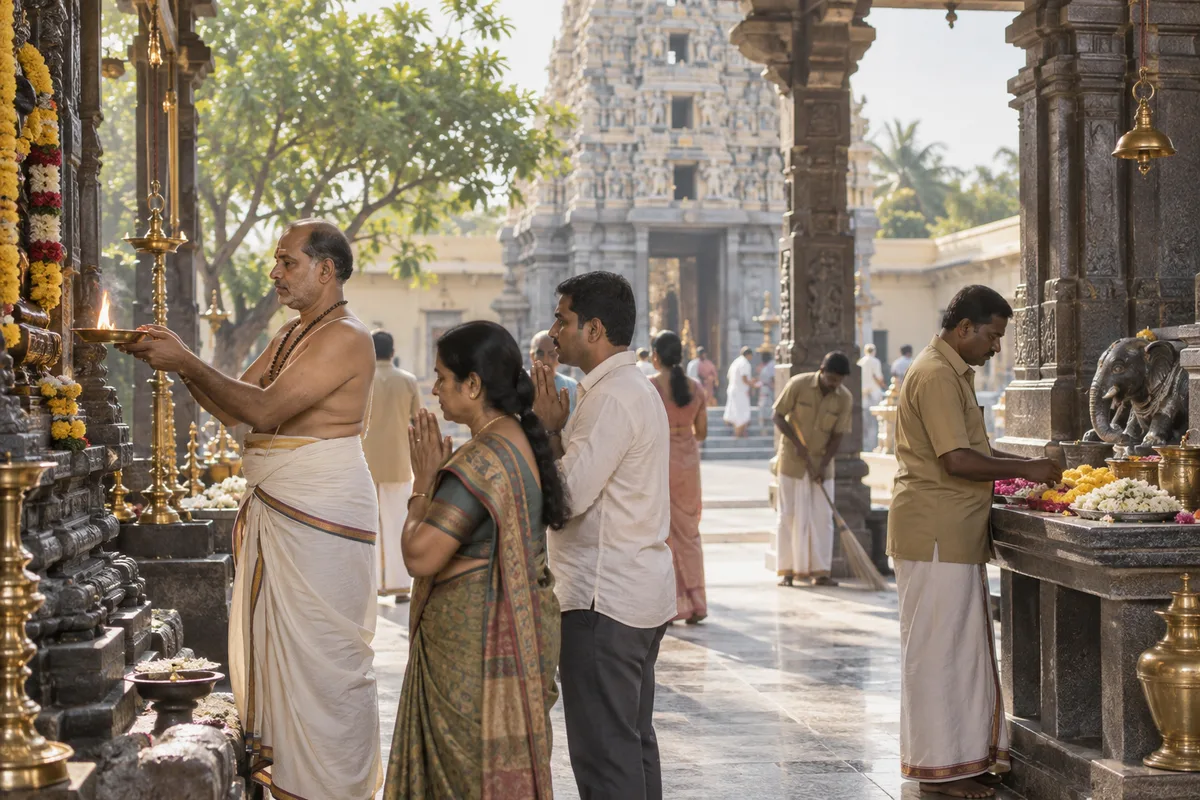
A short film of the annadana kitchen, the school classroom or the building site shows the work without a speech. It is also the piece a relative abroad forwards, so it must be accurate, respectful and made with permission from those who appear.
“Religious writing needs a careful hand”
Claims about blessings, miracles or results are not the trust's to make in marketing, and they offend some readers while pleasing others. The pieces stay factual and respectful: what was done, by whom, for whom and with what.
What we do
What we deliver for religious trusts.
Every deliverable, what it covers for you, and the result it is there to produce. Nothing here is an extra.
A written history of the trust, checked by the elders
The founding, the major works and the people involved, drafted from interviews and documents and read by senior trustees before publication.
Result: The trust's story exists in one place that others can read.
A plain account of the year for donors
Income, spending and work done in a short piece based on audited figures and checked by the auditor before it goes out.
Result: A donor with a doubt has a document to read.
Short films of the work with consent
Films of the kitchen, the classroom or the site, with permission from the people shown and approval of the trustees.
Result: There is a film a donor can forward with confidence.
Answers to donors' common questions
Short pages on how to give, what receipt follows, how a bequest or a memorial gift works, each written with the trust's adviser.
Result: The treasurer answers fewer repeated questions by phone.
A reading list for new devotees and visitors
Guides to visiting, customs to observe and facilities available, in the languages the community reads.
Result: A first-time visitor arrives knowing what to expect.
How the result is measured
- Pages published
- Organic traffic
- Enquiries from content pages
Recorded as a baseline before work starts, so every later report has an honest comparison.
Who it is for
This is written for these religious trusts.
- Temple trusts that manage one or more shrines
- Dharmashala and pilgrim rest-house trusts
- Trusts running schools, hostels or vedic pathshalas
- Goshala and cow-care trusts
- Samaj and community trusts of a caste or linguistic group
- Mutt and peetham trusts with branch centres
- Church and diocesan welfare trusts
- Dargah and mosque committees running schools and relief work
- Gurdwara management committees with langar and educational work
- Jain sangh and Parsi anjuman trusts running housing and hospitals
How it works
How the content marketing work runs
The work itself, in order. How an engagement starts, from your brief to a written scope, is set out on our method page.
- 1
Confirm the plan
Topics and formats for the coming month are confirmed against the content strategy.
- 2
Produce and review
Content is written or filmed, then reviewed by someone who knows your trade before it goes out.
- 3
Publish and distribute
Finished content is published to the site and pushed through the channels your buyers actually use.
- 4
Track enquiries
Enquiries are traced back to content where a direct line exists, and reported honestly where it does not.
- 5
Report and adjust
We report results and adjust the next topics based on what actually worked.
Where this fits
Three pieces of sales work, in this order.
This work sits inside sales process design, at stage 0, foundation. The audit comes before it, and sales management keeps it running.
Step 1
Sales audit
Find where deals are being lost and what to fix first.
Start here if you cannot say where orders are lost.
Step 2 · you are here
Sales process design
One written way to sell, from first enquiry to repeat order.
Start here if every salesperson sells differently.
Step 3
Sales management
A target, a review routine and someone who owns the number.
Start here if the team has targets and no routine.
FAQ
Questions owners ask before they call.
Not here? More answers, or ask on WhatsApp.
Who approves what is written about the faith?
Can we publish names of donors in our stories?
How much does it cost?
How long is the contract?
How soon will we see results?
Who will actually do the work?
What do you need from us?
What if we are not happy with the work?
More for religious trusts
Everything else we would do for you.
Closest to this: content and social
Also for religious trusts
Or start from the overview: sales and marketing for religious trusts.
Your next practical step
Tell us what you are trying to grow, and we will read it before we call.
Eight short steps, mostly taps. Skip anything you would rather answer on the call.