Skip to content
GullySales

Clubs and gymkhanas · Dedicated sales team services

You need sellers whose whole working day is your offer, your pipeline and your targets.

A dedicated sales team is a group of sellers assigned to one client, working that client's offer and records under the client's brand and targets. GullySales briefs the team on your product, writes the scripts with you, runs the pipeline in your CRM, and reports against the targets you set.

Scope, fee, reporting and term are agreed in writing after we have read your brief and spoken to you.

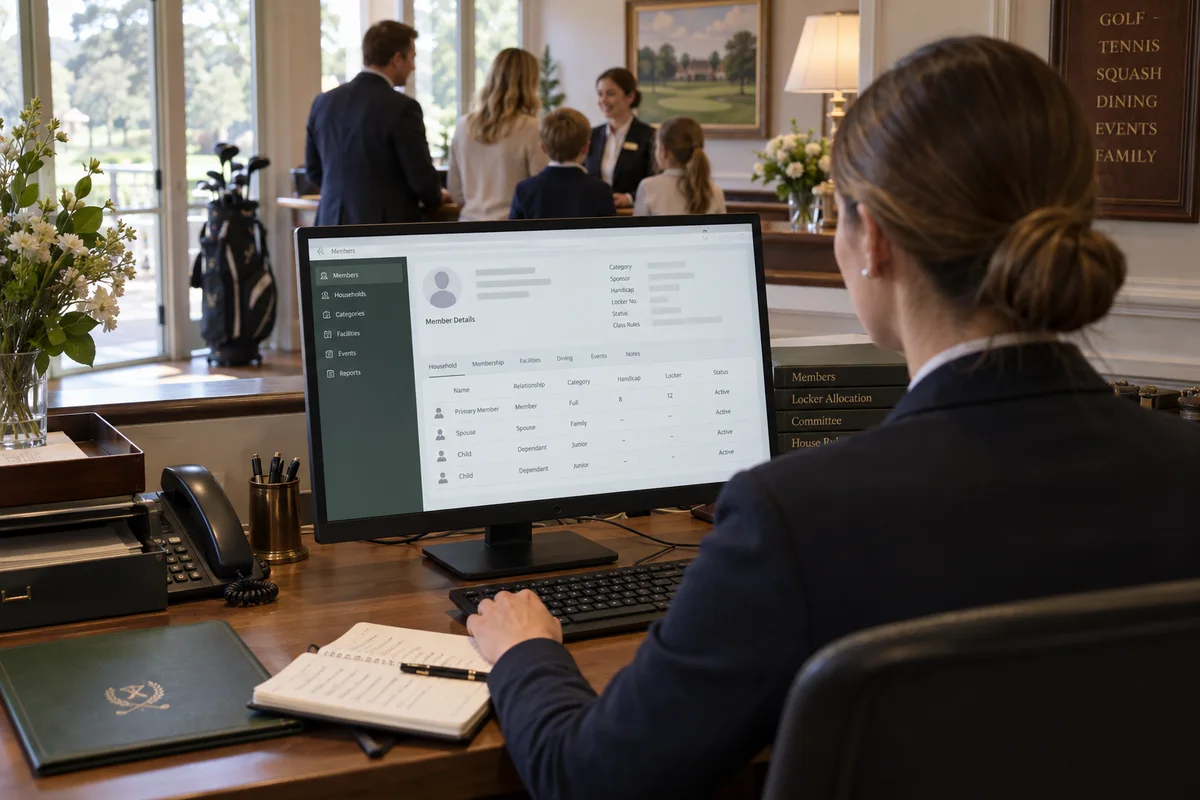
Club staff reviewing member bookings at a reception desk

Start with the buying decision

Which opportunities deserve the team’s effort?

Industry membership alone does not establish fit. The service exclusions, your operating model, and the records available determine the scope after your requirements brief.

Keep assistance and programme eligibility separate from fundraising or paid-service opportunities. The programme team decides access; sales targets and partner incentives must not determine who receives support.

The context for Clubs and gymkhanas

Start with the decisions in your own enquiry records.

Compare the stated requirement with completed work and the effort needed to deliver it. Keep assumptions about demand separate from evidence in the records.

How people choose in this industry

For an established club or gymkhana, membership runs on a proposal and a second from existing members, an interview or committee decision, an entrance fee and an annual subscription. A family asks colleagues, neighbours and the extended circle, then checks the club's website and Google Maps photographs for facilities, the sports on offer and the dining. The club that explains its process clearly saves the family a dozen calls.

For newer proprietary and resort-style clubs, the buyer compares facilities, location, children's programmes, the food and the joining and annual fees against two or three alternatives. Visits are decisive: the staff at the front desk, the condition of the courts and the pool, and the manner in which the membership manager follows up.

Corporate memberships are chosen by HR or the admin head for senior staff, and the club is expected to send a corporate scheme sheet and handle invoices properly. Day-to-day use then decides renewals: an unhappy member of a few months stops recommending the club to friends.

The decision before implementation

The owner approves segment priorities and commercial boundaries before the team changes its approach.

Existing industry priorities to review

  • Membership enquiries and the waiting list
  • Sponsor, proposer and committee process explained
  • Family, couple and junior membership
  • Corporate membership schemes
  • Sports coaching and academies run in the club

These describe the industry's wider priorities. The written scope identifies which this service will address.
Industry application review

Test the service against a problem in your own records.

These review scenarios connect the industry context to a possible output and a checkable next step. They are scope questions, not client results or a promise that every industry problem belongs in this engagement.

Our waiting list is long and applicants hear nothing from us

People who applied a year ago drift away or form a poor view of the club without hearing how the queue works.

Output to assess: Written scope and role sheet

Review whether “Written scope and role sheet” addresses this specific issue. Confirm that connection from the example before including the work in the scope.

What to bring

Bring a completed opportunity record, its requirement and outcome, and the assumptions used to prioritise it.

Proposed completion check

Trace the output back to the selected source record. The reviewer distinguishes confirmed information from assumptions and records any unmet requirement before accepting the handover.

Membership enquiries go to a front desk that is busy with members

The call is answered by whoever is free, and the process is explained differently each time.

Confirm the scope first

Check whether this issue belongs in the dedicated sales team services engagement or requires different work. The industry problem alone does not establish that this service will solve it.

What to bring

Bring a completed opportunity record, its requirement and outcome, and the assumptions used to prioritise it.

Proposed completion check

Record the scope decision and its reason. If the issue is outside this engagement, identify the responsible team or the separate work required.

The problem

What dedicated sales team services is meant to address.

  • “My salespeople keep getting pulled onto other work”

    Dispatch, collections and walk-in customers eat the calling hours. A team assigned only to selling cannot be borrowed for the stockroom.

  • “Every time a seller leaves, the customer history goes with them”

    Promises made and callbacks owed sit on a personal phone. Notes in your own CRM stay with your business, whoever is on the team.

  • “The agency we tried sold our product like anyone else's”

    Callers who rotate across clients read a generic script. Sellers briefed on your offer and objections sound like part of your company.

  • “I cannot tell what the team is really doing”

    A weekly list of dials says little. You need the pipeline, the stage of each deal and the reason lost deals were lost.

Who it is for

Check your operating model against the scope.

  • Manufacturers and distributors with a product that already sells but too few people calling buyers
  • Software and service firms that have a price list, a pitch and no sales desk
  • Clinics, schools and training institutes with enquiries from the public that nobody calls back properly
  • Retailers and dealers opening a new city or buyer segment and needing sellers before they can hire
  • Owners who want a sales team working to their numbers without carrying payroll for it

Before you decide

When this may not be the right fit.

  • You have not settled what you sell, to whom, or at what price. A team cannot decide that for you.
  • Your customers expect to deal with a named person from your own company for long, high-stakes relationships. That role stays with you.
  • You want guaranteed orders or a fixed number of leads. Nobody honest can promise either, and we do not.

What we do

Agree the outputs before work begins.

These are the dedicated sales team services deliverables available for clubs and gymkhanas. Your written scope identifies the included work and responsibilities.

  1. Written scope and role sheet

    The document naming the team's tasks, the buyers and territories it covers, the languages it works in, and what stays with your people. You sign it off before the first call.

  2. Product and offer briefing

    Your current product sheets, price list and approved claims, turned into a briefing the team is tested on. Your product owner marks every question the team must refer to you.

  3. Scripts and objection notes

    Opening lines, discovery questions and replies to the objections your buyers actually raise. Your sales head approves the wording before it is used on a live call.

  4. Pipeline set up in your CRM

    Stages, required fields, ownership and next-action dates in the CRM you already hold, with logins that carry agreed permissions. A test lead is walked through before live use.

  5. Data and conduct agreement

    A written note of who owns the contact list, who may export it, what the team may say about price and delivery, and how a buyer who asks to stop being called is recorded. Your own adviser reviews it.

  6. Handover rules to your closers

    The standard a lead must meet before it passes to you, the person who receives it, and the notes that travel with it. Your closer accepts or returns each one with a reason.

  7. Reporting sheet against your targets

    A report that separates calls made, conversations held, qualified opportunities and orders your team confirms. The reporting rhythm is agreed in writing.

How the result is measured

  • Conversations held with the intended buyer
  • Qualified opportunities accepted by your closers
  • Pipeline value by stage in your CRM
  • Orders confirmed by your team, traced to the source
  • Reasons recorded for lost deals
  • Share of leads with a next action and date

Recorded as a baseline before work starts, so every later report has an honest comparison.

Industry baseline

Keep the industry's wider measures beside the service measures.

Use the existing baseline to understand the context. These figures are not all targets for this engagement, and a change must not be attributed to the service without evidence.

  • Membership enquiries by source
  • Visits booked against enquiries
  • Applications started against admitted
  • Waiting list updates sent and replies received
  • Hall and lawn hire enquiries and bookings
  • Corporate scheme enquiries and nominees

This or a nearby service

Which piece of work fits your situation.

These services sit close to each other. The line between them, in plain words.

Outsourced sales and business development
Choose outsourced sales and business development when you want one defined part of selling, such as outbound calls or enquiry follow-up, run by an outside team. Choose a dedicated sales team when sellers should be assigned only to you and work your offer under your targets.
SDR and BDR services
Choose SDR and BDR services when the need is limited to qualifying interest or opening conversations, with meetings passed to your closers. Choose a dedicated sales team when the assigned sellers should also carry the pipeline in your CRM and report against your targets.
Fractional head of sales
Choose a fractional head of sales when your own reps need a leader who reviews opportunities and coaches them. Choose a dedicated sales team when you lack sellers and want an outside group assigned to selling your offer, with your closers receiving the handovers.

A sample of the output

A handover rule sheet shows what the dedicated team does and where it stops.

This sheet is agreed before any buyer is called. Each row is a situation that arises in live selling, what the assigned team does, and who takes over from there.

Illustrative example, not client data. Yours is built from your own records.
SituationWhat the team doesWho takes over
Buyer asks for a priceRecords the request and confirms the needYour closer, with the notes
Buyer asks for a special termMakes no offer and says a colleague will replyYour sales head
Buyer asks for a delivery datePromises nothing and passes the question onThe operations contact you name
Buyer is ready to buyConfirms contact details and books your closerYour closer
Buyer is not interestedRecords the reason and stops contactPipeline entry closed in your CRM
Buyer asks to be left aloneRecords the request and stops all contactContact restriction list

Before we start

What we need from you.

The work depends on these. Each says why it is needed and what happens when it is missing.

Closers who accept the handovers
The team passes ready buyers to your own people, so those people must exist and agree to act on them. Name them. If no closer is named, qualified conversations wait with no owner and the pipeline stalls.
Limits on price and terms
The team must know what it may say about price and what it must refer upward. Write the limits down and name who decides exceptions. Without limits, every price question is passed on, which slows buyers.
Customers to leave out
Current customers and open deals should not be called as new prospects. Supply the list or an export from your CRM. If it is missing, the team may contact people your own staff are already serving.
Rules for using your name
Decide how the team introduces itself and whether it speaks as part of your business. Approve the wording. If this is open, the team uses a plain description of acting for you.
Answers to repeated buyer questions
Your staff already know the questions buyers ask again and again. Write the answers you approve. Without them, scripts are built from the product sheet alone and the team asks you the same questions repeatedly.

How it works

How dedicated sales team services runs

The work itself, in order. How an engagement starts, from your brief to a written scope, is set out on our method page.

  1. 1

    Requirements brief and scope

    You send the brief through Tell us what you need and we talk through the work. Scope, team size, fee and term are put in writing afterwards.

  2. 2

    Offer briefing and targets

    We collect your product material, past quotations and the targets you want the team measured on. Gaps in product knowledge are listed for you to fill before anyone dials.

  3. 3

    Scripts, list and agreement

    We draft the scripts and agree the contact list sources with you. Your adviser reviews the data and conduct agreement before outreach starts.

  4. 4

    CRM set-up and trial calls

    The pipeline stages go into your CRM, then a small set of calls tests the opening and the questions. You listen to or read the notes and correct what is wrong.

  5. 5

    Live selling and pipeline review

    The team sells under your brand with notes in your CRM. Opportunities pass to your closers under the handover rules, and the pipeline is reviewed against your targets.

  6. 6

    Scope review

    At the points written into the agreement, you decide whether to widen, narrow or end the work. Scripts, records and open opportunities remain yours.

Approval and acceptance

Use an observable check before accepting an output.

These are proposed review checks for the named outputs. Agree the final conditions in the written scope, then record any missing requirement before accepting the handover.

  • Written scope and role sheet

    Trace the output back to the selected source record. The reviewer distinguishes confirmed information from assumptions and records any unmet requirement before accepting the handover.

  • Product and offer briefing

    Trace the output back to the selected source record. The reviewer distinguishes confirmed information from assumptions and records any unmet requirement before accepting the handover.

  • Scripts and objection notes

    Use the draft in the selected enquiry scenario. The reviewer can identify the intended reader, verify the statements against supplied facts, and point to the next action without adding an explanation.

  • Pipeline set up in your CRM

    Inspect a sample record against the original information. Check required fields, duplicate handling, the responsible owner, and who is permitted to access it.

  • Data and conduct agreement

    Inspect a sample record against the original information. Check required fields, duplicate handling, the responsible owner, and who is permitted to access it.

  • Handover rules to your closers

    Walk the selected record through the proposed steps. Identify who acts at each handover, what information they receive, and how an exception is assigned without inventing a missing step.

  • Reporting sheet against your targets

    Trace a finding to the supplied evidence. Separate observations from assumptions and identify the decision or action that follows from the finding.

FAQ

Questions owners ask before they call.

Not here? More answers, or ask on WhatsApp.

How is dedicated sales team services scoped for clubs and gymkhanas?
Industry membership alone does not establish fit. The service exclusions, your operating model, and the records available determine the scope after your requirements brief. The owner approves segment priorities and commercial boundaries before the team changes its approach.
How is a dedicated team different from outsourced sales?
Outsourced sales and business development hands over a defined slice of selling, sometimes as a bridge to an in-house hire. A dedicated team is assigned to your account alone and runs against your targets. The written scope shows which arrangement you have.
Will the team say they work for us?
The introduction is agreed with you before the first call and must describe the role accurately. If a buyer asks who is speaking, the answer is honest. Using your brand name is part of the agreement, not an assumption.
Who owns the customer data?
You do. The contact list, scripts and conversation history stay with your business, and the team works in your CRM through logins you control. When the work ends, the records are already with you.
Can the team bargain on price or promise delivery dates?
Only within limits you write down. Discounts, technical commitments and delivery promises go to a named person on your side. Anything outside the limits is referred, not improvised.
Can you promise a number of orders?
No. Orders depend on your product, price, stock and follow-through as well as the calling. We report what happened at each stage so you can judge the work on the pipeline.

Continue your review

Compare the service scope and the related work.

The scope, responsibilities, fee, reporting frequency, and term are agreed in writing after the requirements brief and conversation. Tell us what you need.

Your brief

Tell us what you need, and we will read it before we call.

Eight short steps about your business, what you want and who decides. Most questions are a tap, and you can skip any you would rather answer on the call.