Aquaculture companies · Content marketing
Write what farmers and buyers ask about, so the company is the one that answered.
Content marketing for an aquaculture company is writing and recording the practical material that farmers, processors and lenders look for before they speak to anyone. GullySales works on choosing the subjects, writing them with your own technical staff, and giving each piece a clear route to an enquiry.
Scope, fee, reporting and term are agreed in writing after we have read your brief and spoken to you.
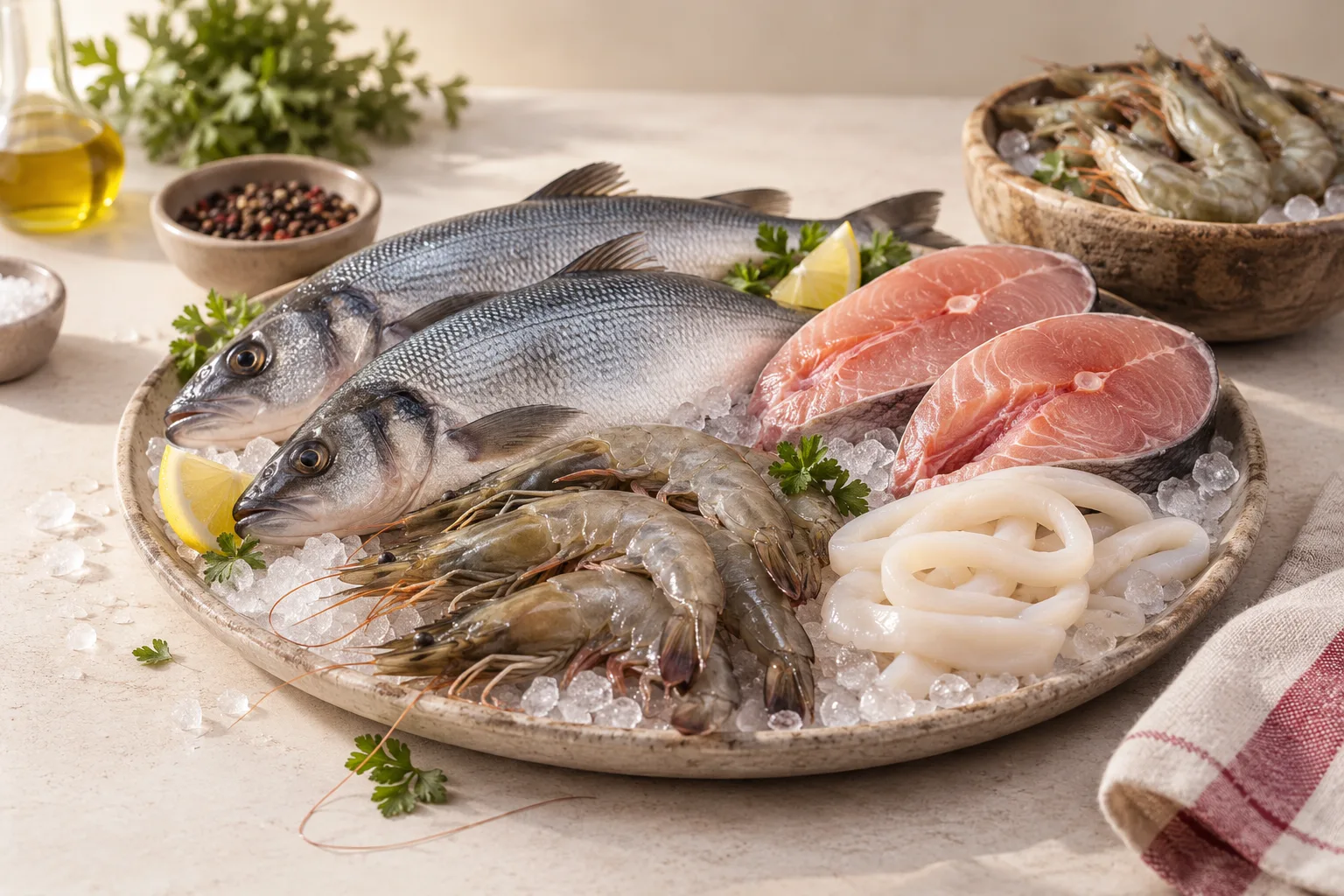
What content marketing means
Content marketing is writing articles, guides and pages that answer the questions buyers search before they are ready to enquire. This makes your business visible and trusted before the first call. GullySales plans this content from the first conversation onward, choosing topics that match real search demand rather than guesses.
Also for aquaculture companies
- Social media marketing for aquaculture companies
- Lead generation for aquaculture companies
- SEO for aquaculture companies
- Local SEO for aquaculture companies
- Buyer personas for aquaculture companies
- CRM for aquaculture companies
- Follow-up systems for aquaculture companies
- WhatsApp marketing for aquaculture companies
Sales and marketing for aquaculture companies, the overview.
Last updated 18 Oct 2026.
For aquaculture companies
Where it usually goes wrong, and what we would do.
“The farmer's questions are the same in every village”
Where does the seed come from, who buys the fish, what if the crop fails. A clear written answer to each one, in the local language, does the work of a hundred repeated conversations.
“Buyers want evidence, not adjectives”
A processor reading a sourcing page looks for species, farm locations, grading practice and records. A page full of praise for quality gives the purchase manager nothing to forward to a colleague.
“Technical staff hold the knowledge but not the time”
The best explanations of pond preparation or harvest handling live in the heads of two or three people. Content gets made only if their knowledge is captured by someone who writes it down.
“Old material stays online with old terms”
A leaflet or page that lists last year's programme terms causes more trouble than no page. Content needs a named person who retires what is out of date.
What we do
What we deliver for aquaculture companies.
Every deliverable, what it covers for you, and the result it is there to produce. Nothing here is an extra.
A content plan by audience
A list of topics for farmers, for buyers and for lenders, each linked to a question that audience already asks.
Result: A plan where every piece answers a real question.
Farmer guides in local languages
Plain guides on joining the programme, what the company supplies and how the harvest is bought, with space for the district officer's contact.
Result: A guide a farmer can keep, read aloud or share on WhatsApp.
A sourcing page for buyers
Species, farm districts, grades handled and the records kept, written for a purchase manager.
Result: One page a procurement team can forward as it stands.
Interview notes from technical staff
A structured conversation with your hatchery or field expert, turned into an article they review before release.
Result: Each article is checked by the person whose knowledge it carries.
A review list for old content
A table of every page, leaflet and post, with its date, its owner and a decision to keep, update or remove.
Result: No published page that disagrees with current terms.
How the result is measured
- Pages published
- Organic traffic
- Enquiries from content pages
Recorded as a baseline before work starts, so every later report has an honest comparison.
Who it is for
This is written for these aquaculture companies.
- Integrated aquaculture companies with their own farms and contract farmers
- Companies running a shrimp or fish contract-farming programme
- Cage culture and reservoir fisheries companies
- Companies with a farm, a hatchery and a processing link
- Aquaculture technology companies selling to farms and companies
- Aquaculture start-ups and company-backed farms seeking investors or partners
- Aquaculture companies owned by a farmer producer organisation
- Companies that supply seed, feed and advice to farmers
How it works
How the content marketing work runs
The work itself, in order. How an engagement starts, from your brief to a written scope, is set out on our method page.
- 1
Confirm the plan
Topics and formats for the coming month are confirmed against the content strategy.
- 2
Produce and review
Content is written or filmed, then reviewed by someone who knows your trade before it goes out.
- 3
Publish and distribute
Finished content is published to the site and pushed through the channels your buyers actually use.
- 4
Track enquiries
Enquiries are traced back to content where a direct line exists, and reported honestly where it does not.
- 5
Report and adjust
We report results and adjust the next topics based on what actually worked.
Where this fits
Three pieces of sales work, in this order.
This work sits inside sales process design, at stage 0, foundation. The audit comes before it, and sales management keeps it running.
Step 1
Sales audit
Find where deals are being lost and what to fix first.
Start here if you cannot say where orders are lost.
Step 2 · you are here
Sales process design
One written way to sell, from first enquiry to repeat order.
Start here if every salesperson sells differently.
Step 3
Sales management
A target, a review routine and someone who owns the number.
Start here if the team has targets and no routine.
FAQ
Questions owners ask before they call.
Not here? More answers, or ask on WhatsApp.
Can we publish farm records as content?
Who should review technical articles?
How do we know which articles matter?
How much does it cost?
How long is the contract?
How soon will we see results?
Who will actually do the work?
What do you need from us?
What if we are not happy with the work?
More for aquaculture companies
Everything else we would do for you.
Closest to this: content and social
Also for aquaculture companies
Or start from the overview: sales and marketing for aquaculture companies.
Your next practical step
Tell us what you are trying to grow, and we will read it before we call.
Eight short steps, mostly taps. Skip anything you would rather answer on the call.