Aquaculture companies · Social media
Show the pond, the people and the paperwork, in the language the farmer speaks.
Social media marketing for an aquaculture company is the steady posting of real farm activity, farmer programme news and buyer information on the channels farmers and trade buyers use. GullySales works on what to post, in which language and for which audience, without making claims about yield or income.
Scope, fee, reporting and term are agreed in writing after we have read your brief and spoken to you.
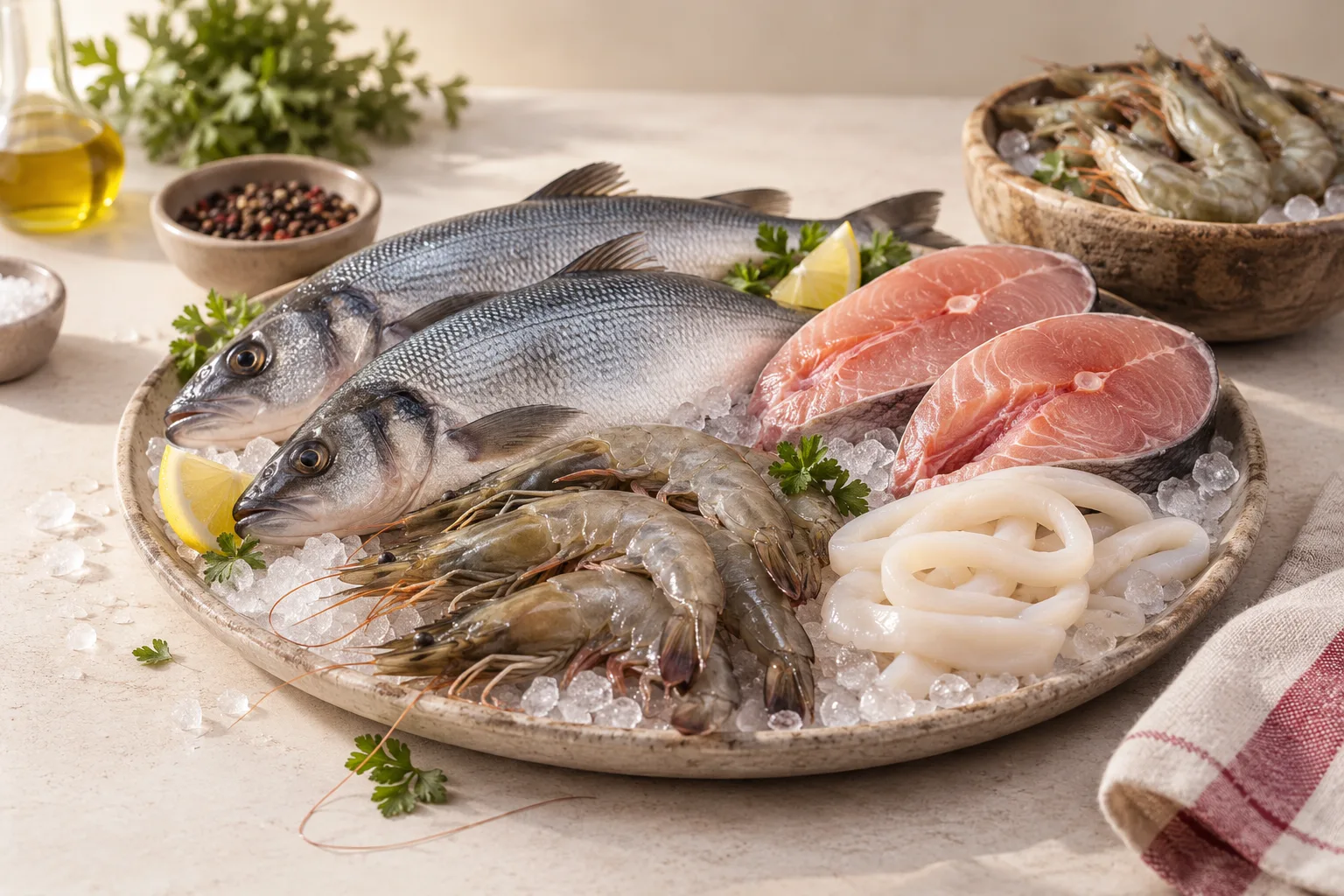
What social media means
Social media is the ongoing posting your business does on platforms such as Instagram, Facebook and LinkedIn to stay visible to customers and prospects between purchases. GullySales plans a posting calendar, writes captions and designs the images so the page looks active and answers what a visitor would ask.
Also for aquaculture companies
- Content marketing for aquaculture companies
- Lead generation for aquaculture companies
- SEO for aquaculture companies
- Local SEO for aquaculture companies
- Buyer personas for aquaculture companies
- CRM for aquaculture companies
- Follow-up systems for aquaculture companies
- WhatsApp marketing for aquaculture companies
Sales and marketing for aquaculture companies, the overview.
Last updated 18 Oct 2026.
For aquaculture companies
Where it usually goes wrong, and what we would do.
“Farmers watch video, not text”
A short clip of a pond being prepared, a harvest day or a farmer talking in the local dialect holds attention where a long caption does not. Keep clips honest and unedited enough to feel real.
“The buyer follows a different channel”
A procurement head looks at a business network for company news, farm scale and certifications. A farmer looks at video and chat. One post rarely serves both, so the plan separates them.
“Permission comes before the photograph”
A farmer's face, pond and name on a company page need the farmer's agreement. Without it, the programme loses the very farmer it wanted to show.
“Boasting figures breaks trust”
A post claiming a farmer's earnings invites doubt from every neighbour who knows the real season. Describe what the company supplied and did, and let farmers speak for themselves.
What we do
What we deliver for aquaculture companies.
Every deliverable, what it covers for you, and the result it is there to produce. Nothing here is an extra.
Channel plan by audience
A short note on which channel serves farmers, which serves buyers and which serves lenders, and who on your team owns each.
Result: Each channel has a named owner and a stated audience.
A bank of approved photographs and clips
Farm visits, hatchery work, harvest handling and field meetings, each with a record of who agreed to appear.
Result: A folder where every item has a written consent against it.
Posts in the farmer's language
Captions and voice-over in the district language, with a plain English version for the buyer channel.
Result: A farmer and a buyer each read the same event in their own language.
Farmer story format
A fixed set of questions asked in a farm visit, answered by the farmer in their own words, with no income or yield figures.
Result: Stories that contain only what the farmer chose to say.
A comment and message routine
Who replies to a farmer who writes under a post, and how an enquiry is moved into the enquiry log.
Result: No comment from a farmer is left without a reply or a logged follow-up.
How the result is measured
- Posts published
- Engagement rate
- Enquiries from social profiles
Recorded as a baseline before work starts, so every later report has an honest comparison.
Who it is for
This is written for these aquaculture companies.
- Integrated aquaculture companies with their own farms and contract farmers
- Companies running a shrimp or fish contract-farming programme
- Cage culture and reservoir fisheries companies
- Companies with a farm, a hatchery and a processing link
- Aquaculture technology companies selling to farms and companies
- Aquaculture start-ups and company-backed farms seeking investors or partners
- Aquaculture companies owned by a farmer producer organisation
- Companies that supply seed, feed and advice to farmers
How it works
How the social media work runs
The work itself, in order. How an engagement starts, from your brief to a written scope, is set out on our method page.
- 1
Understand your audience and platforms
We identify which platforms your specific buyers actually use and what kind of content they respond to.
- 2
Audit current presence
We review existing pages, past content performance and any gaps in consistency.
- 3
Build the content calendar
A plan is created, balancing genuine value with occasional direct offers.
- 4
Implement and post
Content is created and published consistently on the agreed schedule.
- 5
Measure and optimise
We track enquiries alongside engagement and adjust the content mix based on what actually performs.
Where this fits
Three pieces of sales work, in this order.
This work sits inside sales process design, at stage 0, foundation. The audit comes before it, and sales management keeps it running.
Step 1
Sales audit
Find where deals are being lost and what to fix first.
Start here if you cannot say where orders are lost.
Step 2 · you are here
Sales process design
One written way to sell, from first enquiry to repeat order.
Start here if every salesperson sells differently.
Step 3
Sales management
A target, a review routine and someone who owns the number.
Start here if the team has targets and no routine.
FAQ
Questions owners ask before they call.
Not here? More answers, or ask on WhatsApp.
Can we show pond treatments on social media?
Do we need a page for the company and another for the programme?
Should we run paid posts to farmers?
How much does it cost?
How long is the contract?
How soon will we see results?
Who will actually do the work?
What do you need from us?
What if we are not happy with the work?
More for aquaculture companies
Everything else we would do for you.
Closest to this: content and social
Also for aquaculture companies
Or start from the overview: sales and marketing for aquaculture companies.
Your next practical step
Tell us what you are trying to grow, and we will read it before we call.
Eight short steps, mostly taps. Skip anything you would rather answer on the call.