Aquaculture feed suppliers · Content marketing
Write the guidance a farmer would otherwise ask a neighbour for.
Content marketing for an aquaculture feed supplier is the guides, notes and short films that explain feeding practice in the farmer's language. GullySales works on topics taken from the questions your technicians hear, drafted for review by your technical head before anything is released.
Scope, fee, reporting and term are agreed in writing after we have read your brief and spoken to you.
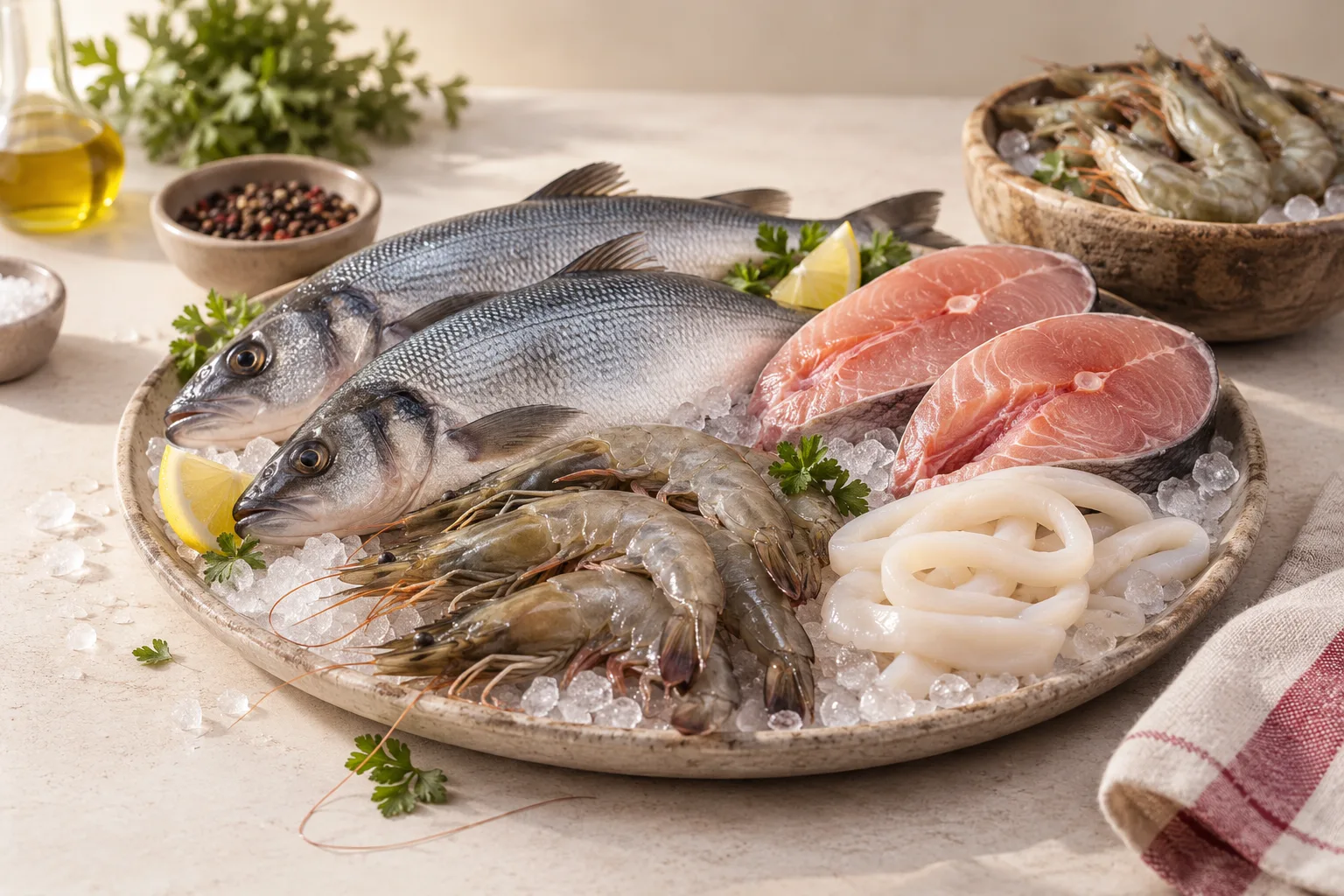
What content marketing means
Content marketing is writing articles, guides and pages that answer the questions buyers search before they are ready to enquire. This makes your business visible and trusted before the first call. GullySales plans this content from the first conversation onward, choosing topics that match real search demand rather than guesses.
Also for aquaculture feed suppliers
- Social media marketing for aquaculture feed suppliers
- Lead generation for aquaculture feed suppliers
- SEO for aquaculture feed suppliers
- Buyer personas for aquaculture feed suppliers
- CRM for aquaculture feed suppliers
- Follow-up systems for aquaculture feed suppliers
- WhatsApp marketing for aquaculture feed suppliers
- Digital marketing for aquaculture feed suppliers
Sales and marketing for aquaculture feed suppliers, the overview.
Last updated 18 Oct 2026.
For aquaculture feed suppliers
Where it usually goes wrong, and what we would do.
“The best topics are already in the technician's phone”
Farmers ask the same questions at every pond: how much to feed after stocking, what to do when the weather turns, how to read leftover feed. Collect those and you have a content plan that answers real questions.
“Technical accuracy matters more than polish”
A feeding guide with a wrong instruction does harm to a farm and to your name. Every piece should pass your technical head before release, and anything about treatment or chemicals stays with a qualified adviser.
“Format follows how the farmer receives it”
A farmer reads little on a phone and listens to a lot. A voice note or a short clip in the local language travels further than a long article. Keep the article for the dealer, the hatchery and the search engine.
“Trial write-ups are content too”
A plain account of a feed trial, written with permission, gives a technician something to hand over at the next pond. It states the feed, the stage and what was observed, and nothing else.
What we do
What we deliver for aquaculture feed suppliers.
Every deliverable, what it covers for you, and the result it is there to produce. Nothing here is an extra.
Question bank from the field
A list of the questions your technicians and dealers hear most, with the person who can answer each one.
Result: A plan built on real questions.
Feeding guidance notes
Short notes by species and stage, drafted in plain language and approved by your technical head.
Result: Notes your team can send without rewriting.
Voice and video versions
The same guidance recorded as a voice note or short clip in the district language, spoken by your own technician.
Result: Material farmers can play at the pond.
Farm trial write-ups
Accounts of trials on farms that agreed, stating what was fed and what was seen, with the farmer's approval on file.
Result: Evidence a technician can show a similar farm.
Dealer information sheets
One page per feed that a dealer can hand to a farmer, with the stage, pack size and handling notes.
Result: A sheet in every dealer's counter drawer.
How the result is measured
- Pages published
- Organic traffic
- Enquiries from content pages
Recorded as a baseline before work starts, so every later report has an honest comparison.
Who it is for
This is written for these aquaculture feed suppliers.
- Shrimp feed companies serving coastal vannamei farms
- Freshwater fish feed companies for rohu, catla and pangasius farms
- Starter and nursery feed suppliers for hatcheries
- Floating and extruded feed makers
- Feed distributors and stockists who repack or sell several brands
- Integrated companies that sell feed along with seed and technical service
- Specialty feed makers for ornamental fish and breeders
- Small regional mills selling to farmers in two or three districts
How it works
How the content marketing work runs
The work itself, in order. How an engagement starts, from your brief to a written scope, is set out on our method page.
- 1
Confirm the plan
Topics and formats for the coming month are confirmed against the content strategy.
- 2
Produce and review
Content is written or filmed, then reviewed by someone who knows your trade before it goes out.
- 3
Publish and distribute
Finished content is published to the site and pushed through the channels your buyers actually use.
- 4
Track enquiries
Enquiries are traced back to content where a direct line exists, and reported honestly where it does not.
- 5
Report and adjust
We report results and adjust the next topics based on what actually worked.
Where this fits
Three pieces of sales work, in this order.
This work sits inside sales process design, at stage 0, foundation. The audit comes before it, and sales management keeps it running.
Step 1
Sales audit
Find where deals are being lost and what to fix first.
Start here if you cannot say where orders are lost.
Step 2 · you are here
Sales process design
One written way to sell, from first enquiry to repeat order.
Start here if every salesperson sells differently.
Step 3
Sales management
A target, a review routine and someone who owns the number.
Start here if the team has targets and no routine.
FAQ
Questions owners ask before they call.
Not here? More answers, or ask on WhatsApp.
Who checks the content before it goes out?
How do we know the content is working?
How much does it cost?
How long is the contract?
How soon will we see results?
Who will actually do the work?
What do you need from us?
What if we are not happy with the work?
More for aquaculture feed suppliers
Everything else we would do for you.
Closest to this: content and social
Also for aquaculture feed suppliers
Or start from the overview: sales and marketing for aquaculture feed suppliers.
Your next practical step
Tell us what you are trying to grow, and we will read it before we call.
Eight short steps, mostly taps. Skip anything you would rather answer on the call.